How Big Does Delta Tail Betta Fish Need to Be

A delta tail betta fish needs a tank of at least 5 gallons to thrive, with larger tanks offering better water quality and more swimming room. The right delta tail betta tank size supports your fish’s health, reduces stress, and lets those stunning fins display fully. In this guide, you will learn the ideal tank dimensions, setup tips, and common mistakes to avoid.
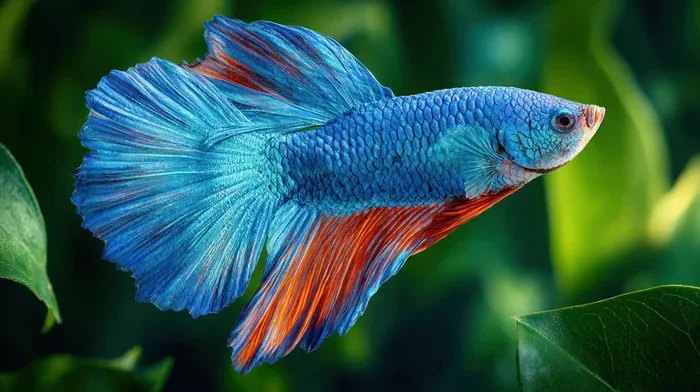
Delta tail betta fish are some of the most beautiful creatures you can keep at home. Their wide, flowing fins spread out like a fan, and watching them glide through the water is truly mesmerizing. But here is the thing many new owners miss — how big does delta tail betta fish need to be in their tank matters a lot more than people think.
A lot of beginners grab a tiny bowl from the pet store and call it good. That might work for a few days, but it is not a real home for your fish. A delta tail betta needs enough space to swim, explore, and display those gorgeous fins without stress. In this article, we will break down everything you need to know about delta tail betta tank size, setup, and care.
Key Takeaways
- Minimum tank size is 5 gallons: A delta tail betta needs at least this much space to stay healthy and active.
- Larger tanks are always better: A 10-gallon tank provides more stable water conditions and room for swimming.
- Tank shape matters: Wider tanks offer more surface area for oxygen exchange than tall, narrow ones.
- Filtration and heating are essential: A gentle filter and steady warm water keep your betta comfortable.
- Overcrowding causes stress: Keep your delta tail betta alone to prevent fin damage and aggression.
- Regular maintenance is key: Weekly water changes and testing keep the tank environment safe.
- Decorations need space: Add plants and hiding spots without blocking swimming room.
📑 Table of Contents
- Why Tank Size Matters for Delta Tail Bettas
- What Is the Ideal Tank Size for a Delta Tail Betta?
- Tank Shape and Orientation
- Setting Up the Perfect Delta Tail Betta Tank
- Common Mistakes That Affect Tank Size Effectiveness
- How Often Should You Maintain the Tank?
- How Much Space Does a Delta Tail Betta Really Need?
- Conclusion
Why Tank Size Matters for Delta Tail Bettas
The size of the tank directly affects your fish’s health, happiness, and lifespan. A small tank means dirty water builds up fast, temperature swings happen easily, and your betta has no room to move. All of this leads to a stressed fish that gets sick more often.
Delta tail bettas have larger fins than standard bettas. This means they need a bit more space to swim comfortably without their fins getting caught on decorations or clipped by strong filter currents. Giving them the right betta fish tank size makes a huge difference in how active and colorful they look every day.
How Water Quality Ties to Tank Size
In a small tank, toxins like ammonia and nitrate build up quickly. Even with a filter, a tiny volume of water changes fast. A bigger tank gives you a buffer. Mistakes are easier to fix when you have more water working for you. Think of it this way — a 10-gallon tank is much more forgiving than a 3-gallon one.
Stable water parameters are one of the most important parts of betta care. The bigger the tank, the easier it is to keep those parameters steady. This is why many experienced fish keepers recommend going bigger than the minimum.
What Is the Ideal Tank Size for a Delta Tail Betta?
The general rule is simple. A single delta tail betta needs a tank of at least 5 gallons. This is the minimum most experts agree on. However, if you really want your fish to thrive, a 10-gallon tank is even better. Let us look at why.
5-Gallon Tank: The Minimum
A 5-gallon tank works for a single delta tail betta. It gives your fish enough room to swim around and explore. You can fit a small filter, a heater, and a few plants without making the space feel cramped. This size is also manageable for most people in terms of maintenance and cost.
Here is what a 5-gallon setup looks like in practice:
- Filter: A small sponge filter or hang-on-back filter set to low flow
- Heater: A 25-watt adjustable heater
- Thermometer: A simple stick-on or digital thermometer
- Substrate: Fine gravel or sand
- Plants: Live or silk plants for resting and exploring
- Hideouts: A few caves or decorations for comfort
10-Gallon Tank: The Sweet Spot
A 10-gallon tank is the sweet spot for delta tail betta care. You get more stable water chemistry, more room for aquascaping, and a healthier environment overall. Your betta will have space to swim freely, and you will find it easier to maintain good water quality. This size also opens up options for adding compatible tank mates, though delta tail bettas do best when kept alone.
If you are serious about your betta’s well-being, a 10-gallon tank is the way to go. It is not much more expensive than a 5-gallon tank, but the benefits are significant.
Can a Delta Tail Betta Live in a Bigger Tank?
Absolutely. A delta tail betta can live in a tank larger than 10 gallons. In fact, a big tank for a betta fish can be great as long as you set it up properly. The key concern with very large tanks is making sure the current is not too strong. Delta tail bettas are not strong swimmers, and their long fins can get pushed around by powerful filtration.
If you use a bigger tank, choose a filter with adjustable flow or add a baffle to reduce the current. Your betta should be able to swim and rest comfortably without being pushed around constantly.
Tank Shape and Orientation
Not all tanks are created equal. The shape of the tank matters just as much as the volume. Delta tail bettas are surface breathers, which means they need easy access to the water’s surface. A wider, shorter tank gives more surface area for gas exchange than a tall, narrow one.
Why Width Matters More Than Height
A wide tank lets more oxygen dissolve into the water from the surface. This is especially important for bettas because they breathe air from the top. A tall tank might look cool, but it limits the surface area and can make it harder for your fish to get enough oxygen.
When choosing a tank for your delta tail betta, look for something wider than it is tall. A 10-gallon tank that is long and low is much better than a 10-gallon tank that is tall and narrow. The extra surface area improves water quality and gives your betta more comfortable swimming space.
Setting Up the Perfect Delta Tail Betta Tank
Now that you know the right size, let us talk about how to set up the tank. A proper setup goes beyond just picking the right betta fish tank size. Every element matters.
Filtration
A filter keeps the water clean by removing waste and toxins. But not just any filter will do. Delta tail bettas have long, delicate fins that can get sucked into strong intake tubes. Use a sponge filter or a filter with a gentle flow. You can also cover the intake with a sponge pre-filter to protect your fish.
The filter should run 24/7, but make sure the current is not too strong. A calm water environment is what your betta needs to feel safe and display its full fin potential.
Heating
Betta fish are tropical. They need warm water to stay healthy. The ideal temperature range is between 78 and 80 degrees Fahrenheit. A small heater rated for your tank size will keep the temperature steady.
Cold water is one of the fastest ways to make a betta fish sick. Without a heater, the temperature can drop overnight, especially in cooler rooms. Always use a reliable heater and a thermometer to monitor the water.
Plants and Decorations
Live plants are excellent for a delta tail betta tank. They absorb nitrates, produce oxygen, and give your fish places to rest and explore. Some great options include java fern, anubias, and amazon sword plants. These are all easy to care for and do not require high light.
When choosing decorations, avoid anything with sharp edges. Delta tail bettas have long fins that can tear easily. Soft silk plants and smooth caves are much safer. Arrange decorations so there is plenty of open swimming space left in the middle of the tank.
Substrate and Lighting
A thin layer of fine gravel or sand works well as a substrate. Avoid gravel with sharp edges. For lighting, a standard LED aquarium light on a low setting is perfect. You do not need anything fancy. Too much light can cause algae to grow and stress out your fish.
Keep the lights on for about 8 to 10 hours a day. This gives your plants what they need and gives your betta a natural day-and-night cycle.
Common Mistakes That Affect Tank Size Effectiveness
Even with the right tank, mistakes in setup can undo all your hard work. Here are some common errors to avoid.
Overcrowding the Tank
Delta tail bettas are best kept alone. They are territorial and can become aggressive toward other fish. Adding too many tank mates or decorations that take up too much space creates stress. If you want other fish, research carefully and only add species that are peaceful and enjoy similar conditions.
Remember, why betta fish need to be alone is not just about personality. It is about giving your betta enough space to claim as its own without constant conflict.
Skipping the Heater
Some people think room temperature water is fine for bettas. It is not. Room temperature is usually too cool for a tropical fish. Skipping the heater leads to a weakened immune system, lethargy, and eventually illness.
Using a Bowl Instead of a Tank
Buckets and bowls might seem convenient, but they do not give your delta tail betta enough space or proper equipment. A bowl has no room for a filter or heater, and the water quality drops fast. Always use a proper aquarium with a lid to prevent your betta from jumping out.
How Often Should You Maintain the Tank?
Regular maintenance keeps your delta tail betta healthy and the tank looking great. Here is a simple routine to follow.
- Weekly water changes: Replace 25 to 30 percent of the water with conditioned, temperature-matched water.
- Test the water: Check ammonia, nitrite, and nitrate levels once a week using a liquid test kit.
- Clean the glass: Use an algae scraper to keep the glass clear without disturbing the beneficial bacteria.
- Check equipment: Make sure the filter and heater are working properly every week.
- Trim plants: Trim any dead or overgrown leaves to keep the tank clean and healthy.
Staying on top of these tasks makes a big difference. Your delta tail betta will be more active, more colorful, and live a much longer life.
How Much Space Does a Delta Tail Betta Really Need?
To put it simply, how much space does a betta fish need depends on its tail type and activity level. Delta tail bettas have wider fins that flare out when they swim. This means they need a bit more room than a standard crowntail or plakat betta. The extra fin surface catches the water and can make swimming harder in a cramped space.
If you want to give your delta tail betta the best life possible, do not settle for the bare minimum. A 10-gallon tank with gentle filtration, stable heat, and plenty of open swimming room is the ideal setup. Your fish will thank you with vibrant colors and lively behavior every single day.
For more information on betta fish tank size requirements, check out our guide on how big a betta fish tank needs to be for a deeper dive into tank sizing for all betta types.
And if you are curious about whether a larger tank could cause problems, read our article on can a tank be too big for a betta fish to understand the balance between space and setup.
Finally, keeping your delta tail betta happy means understanding its natural behavior. Visit our page on why do betta fish like to be alone to learn more about their social needs and how to create a stress-free environment.
Conclusion
Getting the delta tail betta tank size right is one of the most important things you can do for your fish. A minimum of 5 gallons is the starting point, but a 10-gallon tank will give your betta a much better quality of life. Pair the right size with proper filtration, stable heating, gentle water flow, and thoughtful aquascaping, and your delta tail betta will thrive.
Remember that tank size is not just about giving your fish room to swim. It is about creating a stable, healthy environment where your betta can be its best self. Take the time to set things up right, stay consistent with maintenance, and you will enjoy watching your beautiful delta tail betta for years to come.
Start with the right tank, do the research, and give your fish the home it deserves. Your delta tail betta will reward you with colors and energy that make every moment in front of the tank worthwhile.
Frequently Asked Questions
What is the minimum tank size for a delta tail betta?
The minimum tank size for a delta tail betta is 5 gallons. This gives your fish enough room to swim and explore while keeping water parameters stable. However, a 10-gallon tank is always a better choice if you have the space.
Can a delta tail betta live in a 3-gallon tank?
A 3-gallon tank is too small for a delta tail betta. The limited water volume causes toxins to build up quickly, and the fish has no room to move its fins freely. Always go with at least a 5-gallon tank for the best results.
Do delta tail bettas need a filter?
Yes, a filter is essential for any tank size. It keeps the water clean by removing harmful waste. Just make sure to use a gentle filter, because delta tail bettas have long fins that can be damaged by strong currents.
How often should I do water changes in a delta tail betta tank?
You should do a 25 to 30 percent water change every week. This helps keep ammonia and nitrate levels low. Regular water changes are one of the simplest and most effective ways to keep your betta healthy.
Can I keep other fish with my delta tail betta?
Delta tail bettas do best when kept alone. They are territorial and can become aggressive toward other fish. If you want tank mates, choose peaceful species that do not nip at fins and share similar water requirements.
Does tank shape matter for a delta tail betta?
Yes, tank shape does matter. A wider, shorter tank provides more surface area for oxygen exchange, which is important for bettas that breathe from the surface. Avoid tall, narrow tanks and choose a long, low setup instead.