Pellets aren’t automatically harmful, but low‑quality or over‑fed pellets can cause serious health issues for betta fish. Understanding the ingredients, feeding frequency, and how pellets compare to other foods lets you choose the best diet for a vibrant, thriving betta.
Key Takeaways
- Quality matters: High‑protein, low‑fill pellets are safest; cheap fillers can lead to constipation and poor water quality.
- Portion control is crucial: Overfeeding pellets is a common mistake that can cause obesity and swim‑bladder problems.
- Variety improves health: Mixing pellets with frozen or live foods mimics a natural diet and prevents nutrient deficiencies.
- Watch the water: Pellet debris breaks down quickly, so clean uneaten food to avoid ammonia spikes.
- Observe your betta: Changes in appetite, color, or behavior often signal that the pellet brand isn’t right.
- Tank setup helps: Proper temperature, filtration, and live plants create an environment where pellets are less likely to cause trouble.
- Research before you buy: Look for reputable brands, read ingredient lists, and consider reviews from other betta keepers.
📑 Table of Contents
- Introduction: Why the Question “Are Pellets Bad for Betta Fish?” Comes Up
- 1. Understanding Betta Nutrition Basics
- 2. Are Pellets Bad for Betta Fish? The Pros and Cons
- 3. How to Choose the Best Pellets for Your Betta
- 4. Feeding Practices That Keep Pellets Safe
- 5. The Role of Tank Environment in Pellet Safety
- 6. Signs Your Betta Is Not Thriving on Pellets
- Conclusion: Balancing Convenience and Care
Introduction: Why the Question “Are Pellets Bad for Betta Fish?” Comes Up
If you’ve ever set up a betta tank, you probably started with a bag of brightly colored pellets. They’re cheap, easy to store, and marketed as a complete diet. Yet, almost as soon as you watch your betta nibble, you’ll see forum posts and YouTube videos asking, “are pellets bad for betta fish?” The answer isn’t a simple yes or no. It depends on the pellet quality, how you feed, and what else you offer your fish.
In this article we’ll break down the science behind pellet nutrition, compare pellets to other food types, and give you step‑by‑step tips to keep your betta happy and healthy. By the end, you’ll know exactly how to answer the question for your own tank.
1. Understanding Betta Nutrition Basics
What a Betta Needs in a Balanced Diet
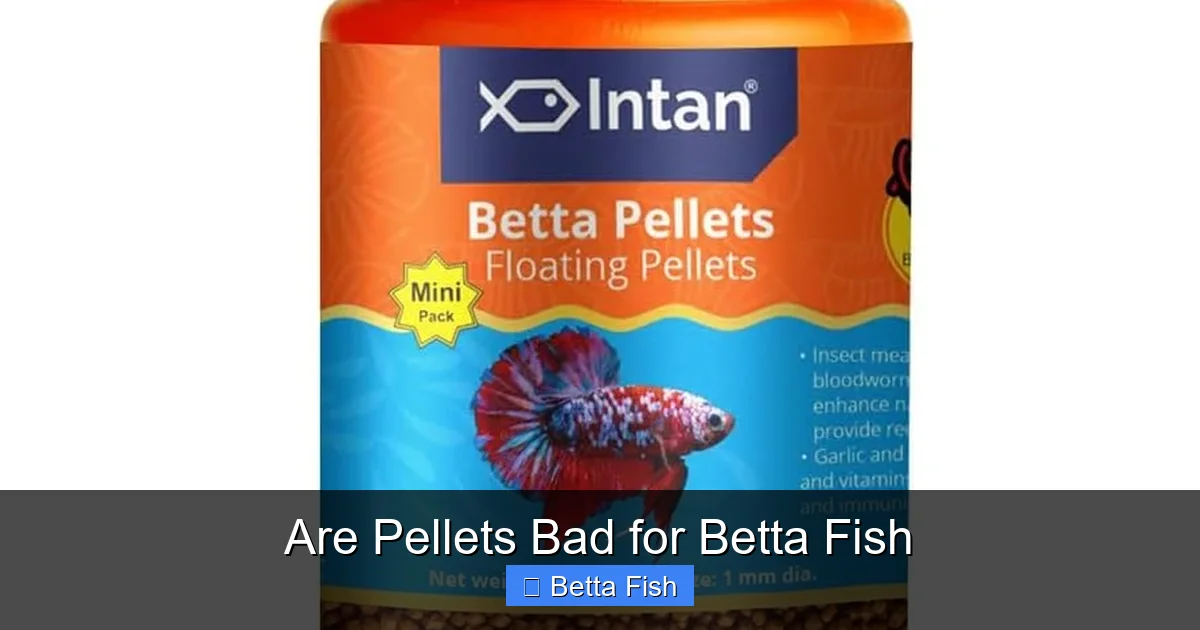
Betta fish are carnivorous labyrinth fish. In the wild they hunt tiny insects, larvae, and small crustaceans that float on the water’s surface. This means they require:
Visual guide about Are Pellets Bad for Betta Fish
Image source: m.media-amazon.com
- High‑quality protein: 30‑40% of their diet should come from animal‑based sources.
- Essential fatty acids: Important for vibrant coloration and healthy fins.
- Vitamins and minerals: Especially B‑complex vitamins, calcium, and trace minerals.
- Low carbohydrate load: Too many carbs can cause constipation and bloating.
When a pellet meets these criteria, it can be a convenient staple. When it falls short, problems arise.
How Pellets Are Made
Most commercial betta pellets are created by grinding fish meal, shrimp powder, and plant proteins into a fine paste, then extruding the mixture into small cylinders. Binders (often wheat or soy) hold the shape, and colors are added for visual appeal. The final product is dried and sometimes coated with a vitamin spray.
Key things to watch for on the label:
- First ingredient should be a named animal protein (e.g., “whole fish meal”).
- Avoid “by‑product” or “meal” that is vague.
- Low filler content – less than 10% wheat, soy, or corn.
- Added vitamins and minerals listed clearly.
2. Are Pellets Bad for Betta Fish? The Pros and Cons
Pros: Convenience, Consistency, and Shelf Life
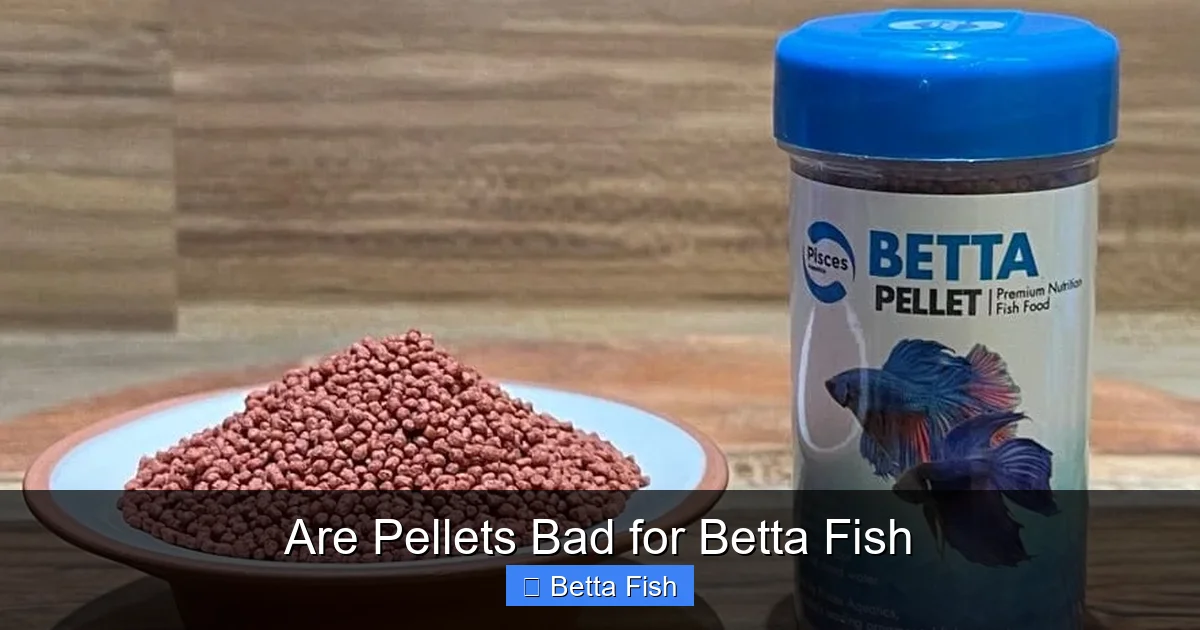
Pellets are undeniably convenient. They don’t spoil quickly, they’re easy to portion, and they provide a consistent nutrient profile when you choose a reputable brand. For beginners, they remove the guesswork of catching live foods.
Visual guide about Are Pellets Bad for Betta Fish
Image source: thefishfarm.com.au
Cons: Fillers, Over‑Feeding, and Water Quality Issues
Cheap pellets often rely on cheap fillers like wheat gluten or soy protein. These increase the carbohydrate load and can cause:
- Constipation – bettas have small stomachs and can’t digest excess carbs.
- Obesity – excess calories turn into fat deposits, especially around the belly.
- Swim‑bladder disorders – a common sign is a betta floating upside down or sinking.
- Poor water quality – uneaten pellets break down, raising ammonia and nitrite levels.
So, are pellets bad for betta fish? If you feed low‑quality pellets in large amounts, yes. If you select a high‑protein brand and feed responsibly, pellets are a perfectly safe staple.
Real‑World Example
Jessica, a first‑time betta owner, fed her fish a handful of bulk pellets twice daily. Within two weeks her betta’s fins began to curl, and the water turned cloudy. After switching to a premium 45% protein pellet and feeding only twice a week, the fish’s color brightened and the water cleared in a few days.
3. How to Choose the Best Pellets for Your Betta
Read the Ingredient List Like a Pro
Look for these buzzwords:
Visual guide about Are Pellets Bad for Betta Fish
Image source: m.media-amazon.com
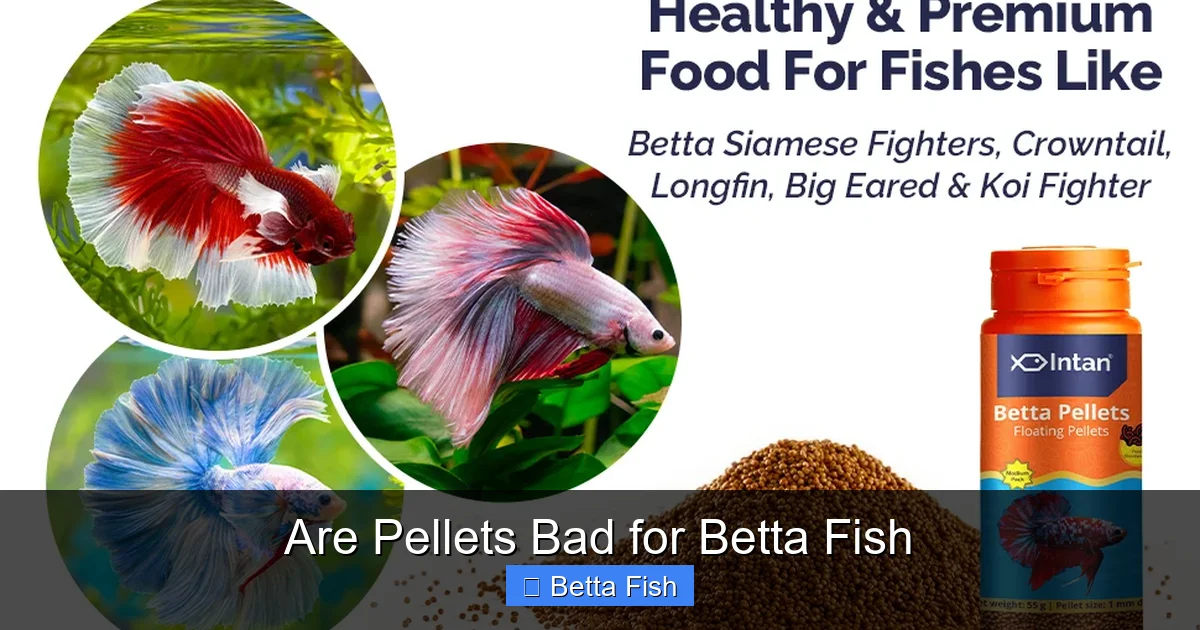
- “Whole fish meal” or “shrimp meal” as the first ingredient.
- “High protein” (30‑45% range).
- “No fillers” or “low filler”.
- Added “vitamin and mineral blend”.
Trusted Brands and What to Avoid
While we can’t endorse every brand, many hobbyists recommend Omega One, Hikari, and Aqueon for their transparent labeling. Avoid generic store‑brand pellets that list “by‑product” or “meal” without specifics.
Testing a New Pellet
Introduce a new pellet slowly:
- Offer a tiny pinch (about the size of your betta’s eye).
- Watch for acceptance – if the fish snaps it up within a few seconds, it’s a good sign.
- Monitor for 48‑hours; any bloating or unusual behavior means stop feeding that brand.
4. Feeding Practices That Keep Pellets Safe
Portion Size: The Golden Rule
A betta’s stomach is roughly the size of its eye. The general rule is “two pellets twice a day” or “one pellet once daily” for most brands. If the pellets are larger, break them into smaller pieces.
Feeding Frequency
Adult bettas do fine on once‑daily feedings. Younger or breeding bettas may need two small feedings. Over‑feeding is the biggest mistake beginners make.
Cleaning Up Uneaten Food
After 2‑3 minutes, use a small net or siphon to remove any leftover pellets. This prevents excess waste from breaking down into harmful ammonia.
Supplementing with Live or Frozen Foods
Even the best pellets don’t replicate the motion and texture of live prey. Adding a few brine shrimp, daphnia, or frozen bloodworms once or twice a week provides enrichment and extra nutrients.
For a deeper dive on live food options, see our guide on which live plants are good for betta fish – many of those plants also host tiny invertebrates that your betta will love.
5. The Role of Tank Environment in Pellet Safety
Water Temperature and Quality
Betta fish are tropical; water should be kept between 76°F‑82°F (24°C‑28°C). Proper temperature aids digestion. If the water is too cold, pellets sit longer in the gut, increasing constipation risk.
Read more about ideal conditions in our article on what temperature should water be for a betta fish.
Filtration and Flow
Gentle filtration removes waste without creating strong currents that stress bettas. A sponge filter works well and also provides surface area for beneficial bacteria.
Live Plants as Natural Filters
Live plants absorb nitrates, improve oxygen levels, and give your betta places to explore. They also help capture stray pellet fragments, reducing water fouling.
Check out where to buy live plants for betta fish for starter suggestions.
6. Signs Your Betta Is Not Thriving on Pellets
Physical Indicators
- Bloated abdomen: May indicate constipation.
- Faded coloration: Often a sign of poor nutrition.
- Floating or sinking oddly: Could be a swim‑bladder issue.
- Fins frayed or ragged: Nutrient deficiency.
Behavioral Clues
- Loss of appetite – the betta ignores the pellet entirely.
- Increased hiding – stress from poor water quality or diet.
- Rapid breathing at the surface – a sign of low oxygen or ammonia.
What to Do If You Spot a Problem
1. Stop feeding pellets for 24‑48 hours. Offer a small amount of boiled peas (skin removed) to relieve constipation.
2. Perform a partial water change (25‑30%).
3. Switch to a high‑protein frozen food for a few days.
4. Re‑introduce a high‑quality pellet in tiny portions and watch closely.
Conclusion: Balancing Convenience and Care
So, are pellets bad for betta fish? The short answer is: they can be, if you choose the wrong type or feed the wrong amount. The long answer is that pellets are a useful, nutritious staple when you pick a reputable, high‑protein brand, feed in moderation, and keep the tank clean.
By combining quality pellets with occasional live or frozen foods, maintaining proper water conditions, and watching your fish for any warning signs, you give your betta the best chance at a long, colorful life. Remember, the goal isn’t to eliminate pellets entirely, but to use them wisely as part of a balanced diet.
Frequently Asked Questions
Are all pellet brands safe for betta fish?
No. Brands that use low‑quality fillers, high carbohydrate content, or vague “by‑product” ingredients can cause health issues. Choose pellets with named animal proteins and at least 30% protein.
How often should I feed my betta pellets?
Most adult bettas do well with one small feeding per day or two very small feedings. Young or breeding bettas may need two feedings, but never exceed the size of the fish’s eye.
Can pellets cause constipation in bettas?
Yes, especially if the pellets are high in carbs or if you overfeed. A small amount of boiled, skinned peas can help clear the blockage.
Should I mix pellets with live foods?
Mixing is recommended. Live or frozen foods provide motion, higher protein, and enrichment, reducing the risk of nutrient deficiencies.
What water changes are needed when feeding pellets?
Perform a 25‑30% water change weekly, and always remove any uneaten pellets after a few minutes to keep ammonia levels low.
Do pellets affect the color of my betta?
High‑quality pellets with added carotenoids can enhance coloration, while low‑quality, filler‑heavy pellets may lead to dull, faded colors.

