Can Betta Fish Eat Tetra Fin Goldfish Flakes
Betta fish can nibble Tetra Fin Goldfish flakes, but the flakes aren’t ideal as a primary diet. Understanding the nutritional gaps and feeding strategies will keep your betta vibrant and prevent health issues.
Key Takeaways
- Occasional feeding is safe: Small amounts of Tetra Fin Goldfish flakes won’t harm a betta.
- Nutrition is lacking: Goldfish flakes miss the high protein bettas need for growth and coloration.
- Prefer betta‑specific foods: Pellets, frozen brine shrimp, and daphnia provide balanced nutrition.
- Watch for water quality: Flake residue can cloud water and promote algae.
- Observe your fish: Any loss of appetite, ragged fins, or dull color signals a dietary problem.
- Mix with live/frozen foods: Adding protein‑rich treats boosts health and mimics natural hunting.
- Use internal resources: Learn more about betta diet and compatible tank mates on related articles.
Quick Answers to Common Questions
Can bettas eat goldfish flakes occasionally?
Yes, a small pinch once in a while is safe, but it should not replace a protein‑rich diet.
What is the biggest nutritional flaw in goldfish flakes for bettas?
They lack sufficient protein and essential fatty acids that bettas need for growth and coloration.
How often should I feed my betta live or frozen foods?
Two to three times a week provides a good protein boost without overloading the tank.
Will goldfish flakes cloud my betta’s water?
Yes, excess flakes can dissolve and decompose, raising ammonia and causing cloudiness.
What should I do if my betta looks dull after eating goldfish flakes?
Switch back to high‑protein betta food, add live/frozen treats, and monitor water quality.
📑 Table of Contents
Introduction: Why the Question Comes Up
If you’ve ever walked down the pet aisle, you’ve seen the bright, crunchy Tetra Fin Goldfish flakes sitting next to the tiny betta pellets. It’s easy to wonder, “Can betta fish eat Tetra Fin Goldfish flakes?” The answer isn’t a simple yes or no. It depends on how often you feed them, what else you’re offering, and the overall health of your fish.
Betta fish (Betta splendens) are carnivorous predators from shallow Southeast Asian rice paddies. Their natural diet is packed with insects, larvae, and tiny crustaceans. Goldfish flakes, on the other hand, are formulated for a herbivorous‑omnivorous species that needs more fiber and less protein. Mixing the two can work in a pinch, but it’s not a long‑term solution.
Understanding Betta Nutrition
Protein: The Core of a Betta’s Diet
Betas thrive on protein levels of 40‑50 % in their food. Live or frozen foods such as brine shrimp, bloodworms, or daphnia hit that mark perfectly. Pelleted betta food is also formulated to meet these needs.

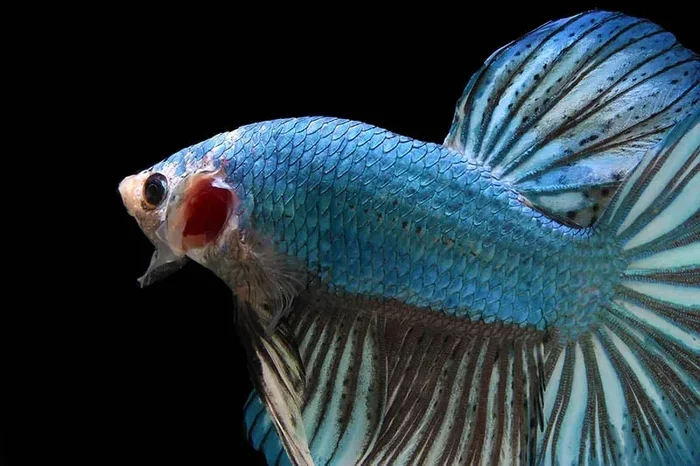
Visual guide about Can Betta Fish Eat Tetra Fin Goldfish Flakes
Image source: vietvisiontravel.com
Fats and Essential Fatty Acids
Healthy fats support vibrant colors and strong fins. Flakes made for goldfish often contain plant‑based oils that lack the omega‑3 fatty acids bettas require.
Vitamins and Minerals
Betta‑specific formulas include vitamin B12, vitamin C, and trace minerals that aid in immune function. Goldfish flakes may miss several of these crucial micronutrients.
What Tetra Fin Goldfish Flakes Offer
These flakes are high in carbohydrates and fiber, low in protein, and contain pigments designed for goldfish’s orange‑red hues. They’re safe for goldfish but fall short for a betta’s metabolic demands.
Can Betta Fish Eat Tetra Fin Goldfish Flakes?
Short‑Term Feeding
Yes, a betta can eat a few goldfish flakes without immediate harm. The flakes will dissolve quickly, and the fish will recognize them as a food source. However, treat this as an occasional snack, not a staple.

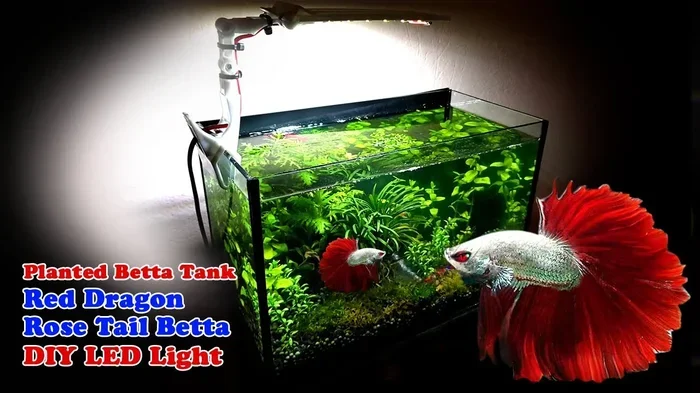
Visual guide about Can Betta Fish Eat Tetra Fin Goldfish Flakes
Image source: i.ytimg.com
Long‑Term Risks
- Protein deficiency: Over‑reliance on flakes can lead to stunted growth and faded colors.
- Digestive upset: Excess fiber may cause constipation or bloating.
- Water quality decline: Flake particles sink and decompose, raising ammonia levels.
For a full discussion on feeding goldfish flakes to bettas, see our article Can You Feed Goldfish Flakes To Betta Fish.
Best Feeding Practices When Using Goldfish Flakes
Mix with Betta‑Specific Pellets
Combine a pinch of goldfish flakes with a high‑protein betta pellet. This adds variety while keeping protein intake high.

Visual guide about Can Betta Fish Eat Tetra Fin Goldfish Flakes
Image source: k.sinaimg.cn
Supplement with Live or Frozen Foods
Offer brine shrimp or daphnia 2–3 times a week. These foods are easy to digest and boost coloration.
Portion Control
Use a tiny pinch of flakes—about the size of a pea. Feed once daily, and remove any uneaten food after 2 minutes.
Monitor Water Parameters
Test ammonia, nitrite, and nitrate weekly. Flake residue can cause spikes, especially in small tanks.
Signs Your Betta Needs a Diet Change
Physical Indicators
- Dull or faded fins
- Fin rot or ragged edges
- Reduced activity or lethargy
- Visible constipation or bloating
Behavioral Clues
If your betta repeatedly ignores the flakes and goes straight to the surface, it may be rejecting the food. Offer a small piece of frozen brine shrimp to see if interest returns.
Read more about common betta health issues in What Can Betta Fish Eat.
Alternative Foods That Meet Betta Needs
High‑Protein Pellets
Look for pellets that list “fish meal” or “crustacean protein” as the first ingredient. These provide balanced nutrition and sink slowly, mimicking natural hunting.
Frozen and Freeze‑Dried Options
Brine shrimp, bloodworms, and daphnia are excellent choices. They’re rich in protein and essential fatty acids.
Live Foods (When Possible)
Live mosquito larvae or fruit flies can be offered occasionally for enrichment, but always quarantine new live foods to avoid disease.
Conclusion: Keep Your Betta Happy and Healthy
In short, betta fish can eat Tetra Fin Goldfish flakes, but only in small, occasional amounts. Relying on these flakes as a primary food source will leave your betta short on the protein, fats, and vitamins it needs for optimal health and brilliant colors. By mixing a tiny pinch of flakes with high‑quality betta pellets and regular live or frozen treats, you can safely incorporate them into a varied diet.
Always keep an eye on water quality and your fish’s appearance. When in doubt, choose foods specifically formulated for bettas. For more detailed guidance on feeding, explore our related posts on betta nutrition and tank mates.
Frequently Asked Questions
Are Tetra Fin Goldfish flakes toxic to betta fish?
No, they are not toxic, but they are nutritionally incomplete for bettas.
Can I feed my betta only goldfish flakes if I can’t find betta pellets?
It’s not recommended; the lack of protein will lead to health problems over time.
Do goldfish flakes dissolve quickly in betta tanks?
Yes, they dissolve fast, which can cause waste buildup if not removed promptly.
Is it okay to mix goldfish flakes with betta pellets?
Mixing a tiny amount of flakes with pellets is fine for variety, as long as pellets remain the main food.
Can feeding goldfish flakes affect my betta’s fin health?
Insufficient protein may cause fin fraying or slower fin regeneration.
Where can I learn more about safe betta feeding practices?
Check out our guide Can Betta Fish Eat Goldfish Food for detailed information.