Are Led Fish Tank Lights Okay to Leave on Betta
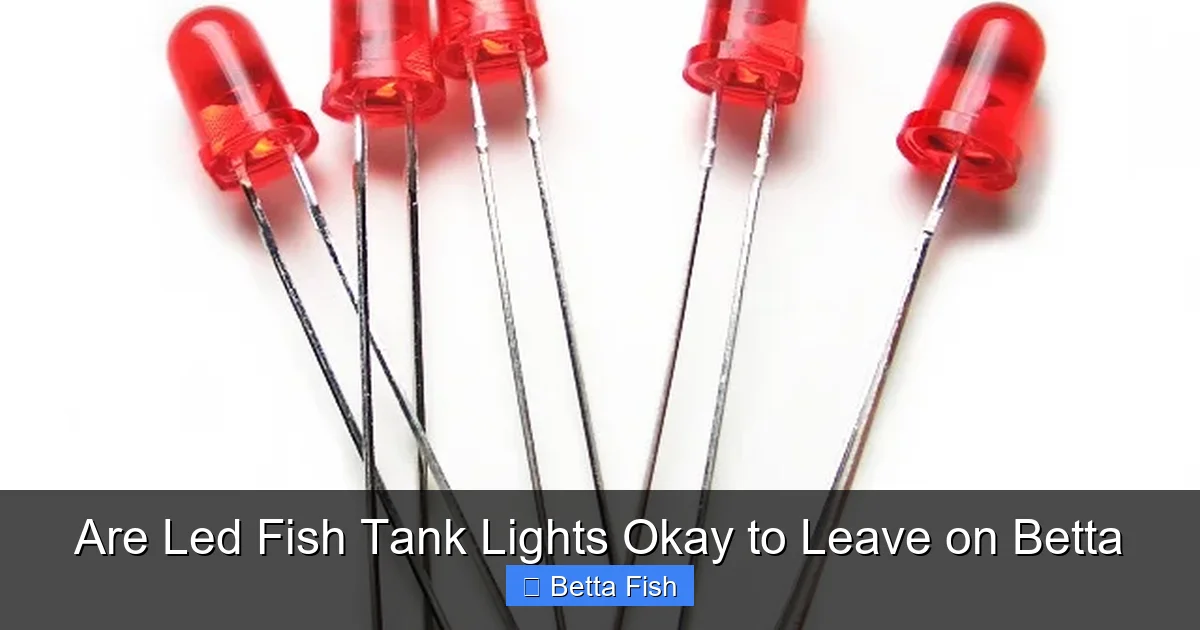
LED lights are energy‑efficient and can safely stay on for betta fish when used correctly. Provide a natural day/night cycle, avoid overheating, and choose the right intensity to keep your betta thriving.
Key Takeaways
- Day/night rhythm matters: Betta fish need about 8‑10 hours of light daily.
- LEDs are safe: Modern LED fixtures emit low heat and can stay on longer than incandescent lights.
- Watch the brightness: Too bright can stress bettas; aim for 1‑2 watts per gallon.
- Use a timer: Automating on/off cycles prevents accidental over‑exposure.
- Monitor water temperature: Even LEDs add heat; keep the tank under 80°F (27°C).
- Choose the right spectrum: Soft white or natural daylight LEDs mimic the betta’s native habitat.
- Regular tank maintenance: Clean water and proper décor support overall health, regardless of lighting.
📑 Table of Contents
- Introduction: Light, Life, and the Curious Betta
- 1. How Betta Fish Perceive Light
- 2. LED Lights vs. Other Lighting Options
- 3. Determining the Right Light Duration
- 4. Choosing the Proper LED Fixture
- 5. Practical Tips for Safe Continuous Use
- 6. Integrating Lighting into Overall Tank Care
- Conclusion: Shine On, But Wisely
Introduction: Light, Life, and the Curious Betta
When you first set up a betta tank, the shiny LED light strip on the back of the hood can feel like the perfect finishing touch. It’s bright, it’s modern, and it promises to showcase those brilliant fins. But a common question pops up in forums and chat groups: are led fish tank lights okay to leave on betta?
Let’s break it down together. We’ll look at how bettas see light, what LED technology brings to the table, and practical steps to keep your fish comfortable. By the end, you’ll know exactly how to use LED lights without worrying about over‑exposure or stress.
1. How Betta Fish Perceive Light
Natural habitat and visual needs
Betta fish (Betta splendens) originate from the shallow, slow‑moving waters of Thailand, Cambodia, and Vietnam. In the wild they experience dappled sunlight that filters through dense vegetation. This means they are adapted to moderate light levels, not the harsh glare of a midday sun.
Visual guide about Are Led Fish Tank Lights Okay to Leave on Betta
Image source: images.pexels.com
Why a day/night cycle is essential
Like all vertebrates, bettas have an internal clock called the circadian rhythm. It regulates hormone release, feeding patterns, and even coloration. In the wild, they get roughly 12 hours of dim light and 12 hours of darkness. In captivity, mimicking this rhythm supports healthy behavior and reduces stress.
2. LED Lights vs. Other Lighting Options
Energy efficiency and heat output
LED (light‑emitting diode) fixtures use far less electricity than fluorescent or incandescent bulbs. More importantly for bettas, they generate minimal heat. Excess heat can raise tank temperature quickly, which is dangerous for a fish that thrives around 76‑80°F (24‑27°C).
Visual guide about Are Led Fish Tank Lights Okay to Leave on Betta
Image source: publicdomainpictures.net
Brightness and spectrum control
Modern LED kits often come with adjustable brightness and color modes. You can dial down the intensity to a soft glow that mimics sunrise, or switch to a gentle blue for evening ambience. This flexibility makes LEDs the most adaptable choice for a betta’s delicate eyes.
3. Determining the Right Light Duration
General rule: 8‑10 hours per day
Most experts agree that bettas do best with 8‑10 hours of light daily. Anything less can cause lethargy, while more than 12 hours may lead to stress and faded colors. A simple plug‑in timer does the heavy lifting—set it and forget it.

Visual guide about Are Led Fish Tank Lights Okay to Leave on Betta
Image source: publicdomainpictures.net
When to adjust the schedule
- Seasonal changes: If you keep a natural light cycle, you might want a slightly longer day in summer and shorter in winter.
- Feeding times: Some owners turn the lights on just before feeding to encourage active foraging.
- Breeding season: A gradual increase in light can stimulate spawning behavior.
4. Choosing the Proper LED Fixture
Wattage guidelines
For a standard 2‑5 gallon betta tank, aim for 1‑2 watts of LED output per gallon. This translates to roughly 5‑10 watts total for most home setups. Over‑bright fixtures can cause the betta to hide or become overly aggressive.
Color temperature and spectrum
Soft white (2700‑3000 K) or natural daylight (5000‑6500 K) are the safest choices. Avoid deep reds or intense blues for constant illumination; they can strain the fish’s eyes. Many LED kits let you set a “day” (white) and “night” (very dim amber) mode, which is ideal.
Placement and distance
Mount the light about 4‑6 inches above the water surface. This distance reduces glare and distributes light evenly across plants and décor. If you use a hood with an integrated LED strip, ensure the strip is not directly touching the water.
5. Practical Tips for Safe Continuous Use
Use a timer—your best friend
Even if you forget to turn the light off, a timer guarantees a consistent schedule. Mechanical plug‑in timers are cheap and reliable; digital ones can simulate sunrise and sunset transitions for extra realism.
Monitor water temperature regularly
Place a thermometer in the tank and check it at least twice a day when you first introduce LED lighting. If the temperature climbs above 80°F (27°C), consider adding a small fan or switching to a lower wattage LED.
Combine lighting with live plants
Live plants like Java fern or Anubias thrive under low‑to‑moderate LED light and provide shade for the betta. They also help absorb excess nitrates, improving overall water quality.
Observe your betta’s behavior
Signs of too much light include constant hiding, loss of color, or frantic fin movements. If you notice any of these, reduce the brightness or shorten the light period.
6. Integrating Lighting into Overall Tank Care
Cleaning and maintenance
Regular tank cleaning keeps water parameters stable, which works hand‑in‑hand with proper lighting. A clean tank reflects light better, so you may not need to crank up the LED intensity.
For step‑by‑step cleaning tips, see our guide on how to clean betta fish tank. Maintaining a pristine environment reduces stress, making lighting decisions less critical.
Setting up the tank correctly
Before you even think about lighting, ensure the tank is properly cycled and decorated. A well‑set up tank provides natural hiding spots and reduces the need for overly bright lights. Learn more in how to set up betta fish tank.
When traveling or on vacation
If you’ll be away for more than a week, a timer will keep the light cycle steady. Pair it with an automatic feeder to maintain both feeding and lighting schedules. This combo keeps your betta comfortable and reduces the risk of panic when you return.
Conclusion: Shine On, But Wisely
So, are led fish tank lights okay to leave on betta? The short answer is yes—provided you control brightness, keep a consistent day/night schedule, and watch the water temperature. LEDs give you flexibility, low heat, and energy savings, making them a top choice for most betta owners.
Remember to use a timer, choose a gentle spectrum, and always observe your fish’s reactions. With these simple steps, your betta will enjoy a bright, healthy home that highlights those glorious fins without any unnecessary stress.
Frequently Asked Questions
Can I leave my LED light on 24 hours a day?
It’s not recommended. Betta fish need darkness to rest; constant light can cause stress, faded colors, and health issues. Aim for 8‑10 hours of light daily.
Do LED lights heat the water?
LEDs produce far less heat than other bulbs, but they still add a few degrees if left on for long periods. Check the tank temperature regularly and adjust if it climbs above 80°F (27°C).
What color temperature is best for bettas?
Soft white (2700‑3000 K) or natural daylight (5000‑6500 K) are safest. They mimic the dappled light of the betta’s natural habitat and don’t overwhelm their eyes.
Do bettas need a special “moonlight” setting?
A very dim amber or blue night light can be soothing and help you see the tank at night, but it should be far less intense than the daytime setting. Many LED kits have a built‑in moonlight mode.
How can I tell if my betta is stressed by the light?
Watch for hiding, loss of color, rapid fin movement, or refusal to eat. If any of these appear, lower the brightness or shorten the light period.
Is a timer necessary for LED lights?
While not strictly required, a timer ensures a consistent day/night cycle and prevents accidental over‑exposure, making it the simplest way to keep your betta happy.