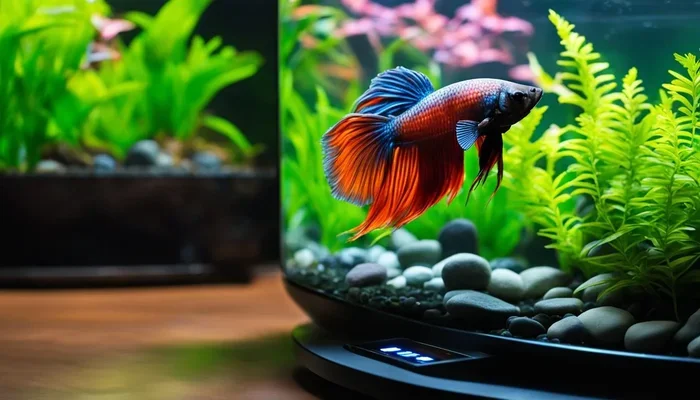
Can Baby Frogs Eat Betta Fish Food
Curious if baby frogs can safely munch on betta fish food? This article breaks down the nutritional match, potential risks, and practical feeding strategies so you can keep your little hopper healthy and happy. Learn when to use betta pellets, what alternatives work best, and how to spot problems early.
Key Takeaways
- Nutrition match: Betta pellets are protein‑rich but lack essential amphibian nutrients like calcium and fiber.
- Safety first: Small, live‑food‑free betta flakes can be offered occasionally, but avoid pellets that are too large for a tadpole’s mouth.
- Supplement wisely: Add calcium powder and gut‑loading insects to make betta food more frog‑friendly.
- Observe behavior: Watch for refusal, digestive issues, or abnormal swimming – signs the diet isn’t right.
- Alternative foods: Daphnia, brine shrimp, and finely chopped earthworms are superior for growing froglets.
- Tank setup matters: Keep water parameters suitable for both bettas and amphibians if sharing a habitat.
- Consult a vet: When in doubt, a reptile‑amphibian veterinarian can tailor a feeding plan for your baby frogs.
📑 Table of Contents
- Introduction: Why the Question Even Comes Up
- 1. Understanding Baby Frog Nutrition
- 2. What Is Inside Betta Fish Food?
- 3. Can Baby Frogs Safely Eat Betta Food?
- 4. How to Make Betta Food More Frog‑Friendly
- 5. Setting Up a Shared Habitat (If You Want Both Betta and Frogs)
- 6. When to Seek Professional Help
- Conclusion: The Bottom Line
Introduction: Why the Question Even Comes Up
Imagine you’ve just set up a beautiful planted tank for a bright orange betta, and a few weeks later a batch of tiny froglets hatch in a nearby pond. You’re thrilled, but then the thought hits you – “Can baby frogs eat betta fish food?” It’s a natural question because the two creatures share the same water space, and the betta’s colorful pellets are sitting right where the froglets are swimming.
In this guide we’ll walk through everything you need to know, from the basics of amphibian nutrition to practical feeding tips. By the end, you’ll be able to decide whether those little pellets are a helpful snack or a risky mistake for your baby frogs.
1. Understanding Baby Frog Nutrition
What Do Growing Amphibians Need?
Baby frogs—often called tadpoles or froglets—have very specific dietary requirements. In the early stages they are mostly herbivorous, grazing on algae, plant matter, and microscopic organisms. As they develop legs and lungs, their diet shifts toward carnivory, requiring high‑protein prey such as tiny insects and crustaceans.

Visual guide about Can Baby Frogs Eat Betta Fish Food
Image source: petshun.com
- Protein: Essential for muscle and organ growth. 40–50% of their diet should be animal‑based protein once they become froglets.
- Calcium: Crucial for bone development and preventing deformities.
- Vitamins & Minerals: Vitamins A, D, and E support skin health and immune function.
- Fiber: Helps keep the digestive tract moving, especially for herbivorous tadpoles.
How Their Digestive System Works
Unlike fish, frogs have a short, simple gut that processes food quickly. Over‑feeding or giving food that is too hard can cause impaction—a blockage that may be fatal. This is why the size and texture of any pellet matter a great deal.
2. What Is Inside Betta Fish Food?
Typical Ingredients in Betta Pellets and Flakes
Most betta foods are formulated for a carnivorous fish that thrives on protein and fats. Common components include:

Visual guide about Can Baby Frogs Eat Betta Fish Food
Image source: petshun.com
- Fish meal or shrimp meal (high protein)
- Plant proteins (soy, wheat)
- Vitamins and binders
- Often added color enhancers
These ingredients give bettas the energy they need, but they may lack the calcium and fiber that froglets require.
Size and Texture Considerations
Betta pellets are usually 2–3 mm in diameter—perfect for a betta’s small mouth but sometimes too big for a tiny froglet. Flake forms break apart more easily, making them a slightly safer option for amphibians.
3. Can Baby Frogs Safely Eat Betta Food?
Short‑Term Feeding: When It Might Work
If you have no other live or frozen foods on hand, offering a tiny amount of crushed betta flakes can serve as a short‑term protein boost. The key is to crush the flakes into a fine powder and sprinkle only a few grains at a time.
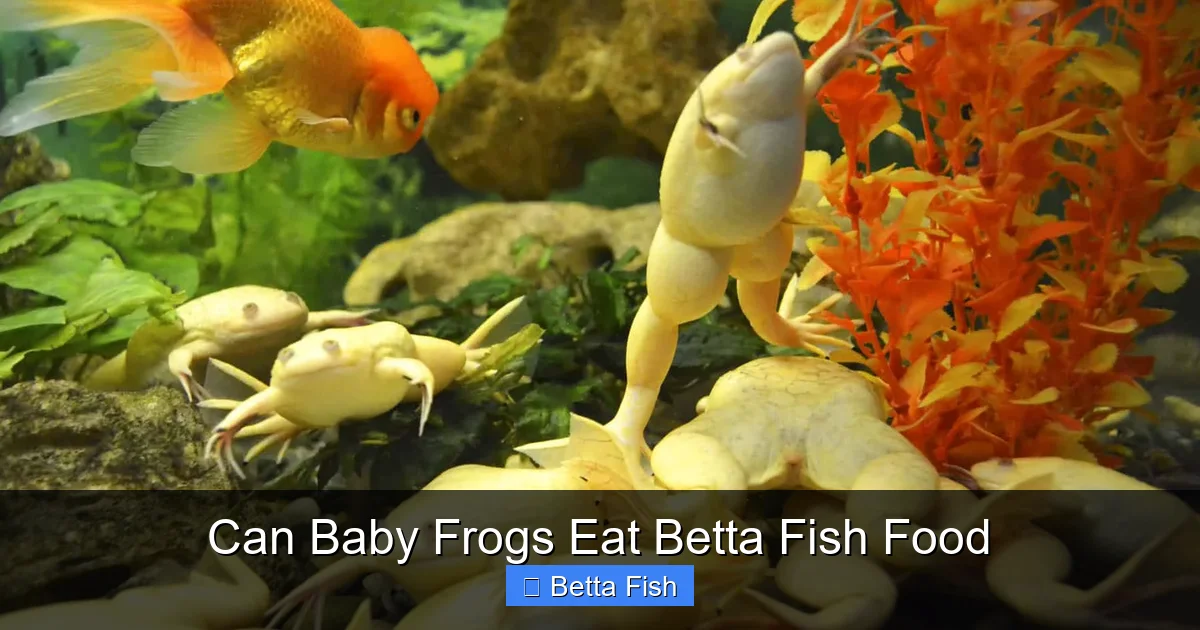
Visual guide about Can Baby Frogs Eat Betta Fish Food
Image source: aquariadise.com
However, this should never become a staple. The lack of calcium and the presence of binders can lead to nutritional imbalances over time.
Long‑Term Risks
- Calcium deficiency: Leads to “bent‐leg” syndrome in growing frogs.
- Impaction: Hard pellets can lodge in the gut.
- Digestive upset: Betta food is high in fat; excess can cause watery stools or fatty liver disease.
Better Alternatives
For a well‑rounded diet, consider these options:
- Daphnia – tiny crustaceans rich in calcium.
- Brine shrimp (fresh or frozen) – high‑protein, easy to digest.
- Finely chopped earthworms – excellent protein source.
- Commercial tadpole or froglet foods – formulated with the right mineral balance.
4. How to Make Betta Food More Frog‑Friendly
Crushing and Soaking
Take a few betta flakes, crush them in a mortar, and soak them in dechlorinated water for 5–10 minutes. This softens the texture and makes it easier for a froglet to swallow.
Adding Calcium Supplements
Sprinkle a pinch of calcium powder (available at pet stores) over the softened flakes before feeding. This simple step helps counteract the natural calcium shortfall in betta food.
Gut‑Loading Live Food
If you decide to feed live insects alongside betta flakes, gut‑load the insects with a nutritious diet (e.g., a mix of fish flakes and leafy greens). This boosts the overall nutrient profile for your froglets.
Practical Feeding Schedule
Offer the modified betta food no more than twice a week, and keep the portion size to a pea‑sized amount. Observe the frogs for 15–20 minutes; remove any uneaten food to prevent water contamination.
5. Setting Up a Shared Habitat (If You Want Both Betta and Frogs)
Water Parameter Compatibility
Betta fish prefer water temperatures of 76–82 °F (24–28 °C) and a pH of 6.5–7.5. Most tropical froglets thrive in a similar range, but some species need cooler water. Test both temperature and pH regularly to keep the environment stable for both.
Tank Layout Tips
- Provide plenty of vertical space – froglets love to swim near the surface.
- Include floating plants or lily pads for the frogs to rest on.
- Use a fine mesh lid to prevent the betta from jumping out while allowing the frogs to breathe.
- Separate feeding zones: drop betta pellets near the bottom and place frog food at the surface.
Potential Behavioral Issues
Betta fish are territorial and may see small froglets as prey. If you notice aggressive flaring or nipping, it’s safest to house them separately. For more on compatibility, see our article on Can Aquatic Frogs Live With Betta Fish.
6. When to Seek Professional Help
Signs of Nutritional Trouble
Watch for these red flags:
- Froglets staying at the bottom and not feeding.
- Swollen or misshapen limbs (possible calcium deficiency).
- Persistent cloudy or frothy water – a sign of over‑feeding.
- Unusual lethargy or rapid weight loss.
Veterinary Consultation
A reptile‑amphibian veterinarian can run a quick blood test to check calcium levels and suggest a tailored diet plan. Early intervention often prevents long‑term health issues.
Conclusion: The Bottom Line
So, can baby frogs eat betta fish food? The short answer is: they can, but only in very limited, carefully prepared amounts. Betta pellets are not a complete food for froglets, lacking essential calcium and fiber, and they pose a risk of gut impaction if given whole. By crushing flakes, adding calcium, and using them as an occasional supplement alongside proper amphibian foods, you can safely incorporate betta food into a diverse diet.
Remember, the healthiest approach is to provide foods designed specifically for tadpoles and young frogs, and to keep a close eye on water quality and behavior. When in doubt, consult a specialist. With the right feeding strategy, both your betta and your baby frogs can thrive side by side—or in separate, happy homes.
Frequently Asked Questions
Can I feed my baby frogs only betta fish food?
No. Betta food lacks calcium and fiber, which are crucial for frog development. Use it only as a supplement, not as the sole diet.
How often can I give crushed betta flakes to froglets?
Limit it to 1–2 times per week and keep the portion very small—about the size of a pea.
What is the safest live food for baby frogs?
Daphnia, newly hatched brine shrimp, and finely chopped earthworms are excellent choices that provide protein and calcium.
Will my betta attack the froglets?
Betta fish are territorial and may see small froglets as prey. If any aggressive behavior appears, house them separately.
Do I need to adjust the tank temperature when keeping both species?
Most tropical froglets tolerate the same temperature range as bettas (76‑82 °F). Check the specific species’ needs to be sure.
Where can I find calcium supplements for amphibians?
Pet stores and online reptile‑amphibian suppliers sell calcium powders designed for insects and small reptiles. Sprinkle a tiny pinch on softened betta flakes before feeding.