Is 70 Degrees Too Cold for Betta Fish
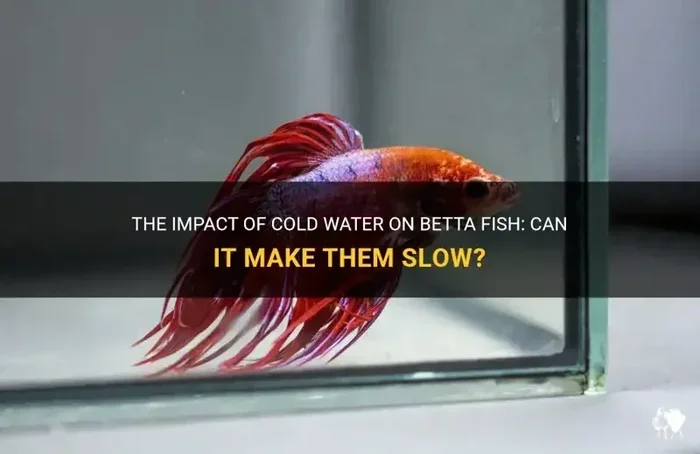
Yes, 70 degrees Fahrenheit is too cold for betta fish. Betta fish thrive in warm water between 76 and 82 degrees, and temperatures below 74 degrees can cause serious health problems. Keeping your betta at the right betta fish temperature is one of the most important parts of betta fish care.
Keeping a betta fish happy starts with one simple thing: the right water temperature. Many new fish owners ask, is 70 degrees too cold for betta fish, and the answer is a clear yes. A temperature of 70°F sits well below the safe zone for these beautiful tropical creatures.
Betta fish come from the warm waters of Southeast Asia. They live in rice paddies, slow-moving streams, and warm ponds. Their bodies are built for heat, not cold. When the water drops too low, their metabolism slows down. Their immune system weakens. And suddenly, a small temperature drop turns into a big health problem.
This guide walks you through everything you need to know about cold water and betta fish. You will learn what happens when the water gets too cool, how to spot the warning signs, and exactly what you can do to keep your betta comfortable. Let us dive right in.
Key Takeaways
- 70°F is too cold: Betta fish need warmer water to stay healthy and active.
- Ideal range is 76–82°F: This temperature range supports their immune system and energy levels.
- Cold water causes stress: Low temperatures can lead to lethargy, illness, and a weakened immune system.
- A tank heater is essential: You should always use a heater to maintain stable warmth.
- Watch for warning signs: Clamped fins, slow movement, and loss of appetite signal cold stress.
- Quick action matters: If your betta is too cold, fix the temperature fast to prevent long-term harm.
📑 Table of Contents
- What Happens When Water Gets Too Cold for Betta Fish
- The Ideal Temperature Range for Betta Fish
- Can You Keep a Betta Fish at 70 Degrees?
- How to Maintain the Right Temperature in Your Betta Tank
- Common Mistakes Betta Owners Make with Temperature
- What to Do If Your Betta Fish Is Too Cold
- Quick Tips for Keeping Your Betta Warm
- Conclusion
What Happens When Water Gets Too Cold for Betta Fish
Is 70 degrees too cold for betta fish? Absolutely. Water at 70°F is several degrees below the minimum safe range. When a betta sits in cold water, its body starts to shut down slowly. This is not something that happens overnight. It is a gradual decline that many owners miss until it is too late.
Cold Water Slows Down Metabolism
Betta fish are cold-blooded creatures. That means their body temperature matches the water around them. When the water turns cool, their metabolism slows way down. Food moves through their body more slowly. They have less energy. They stop wanting to swim or explore. A betta that once darted around its tank now sits at the bottom, barely moving.
This sluggish feeling is not just laziness. It is a sign that the fish is struggling. The body is trying to conserve energy because it does not have enough warmth to burn. Over time, this slowdown causes real damage.
Cold Water Weakens the Immune System
A strong immune system keeps betta fish healthy. It fights off bacteria, fungi, and parasites. But cold water drains that strength away fast. At 70°F, a betta’s immune system cannot work properly. The fish becomes an easy target for common diseases like ich, fin rot, and fungal infections.
Even a betta that was perfectly healthy before can fall sick quickly in cold water. The stress of low temperatures makes the body vulnerable. Small problems that a healthy betta could easily fight off suddenly become serious threats.
Cold Stress Changes Behavior
Betta fish are active and curious creatures. They explore their tank, build bubble nests, and interact with their environment. But when the water is too cold, all of that changes. A stressed betta will hide more. It may clamp its fins tightly against its body. Some bettas stop eating altogether. Others become unusually aggressive because they feel uncomfortable.
These behavior changes are easy to spot if you pay attention. The key is noticing the shift early. The sooner you catch cold stress, the faster you can fix it.
The Ideal Temperature Range for Betta Fish
So what is the right temperature for a betta fish? Most experts agree that the ideal betta temperature falls between 76°F and 82°F. This range keeps the fish active, healthy, and comfortable. It supports digestion, immune function, and natural behavior like bubble nest building.
If you want the most accurate guidance, check out What Is The Ideal Temperature For Betta Fish. That article covers the science behind the numbers and explains why consistency matters just as much as the exact degree.
Here is a quick breakdown of temperature zones for betta fish:
- Below 70°F: Danger zone. The fish is at serious risk of cold shock and illness.
- 70–74°F: Too cold. The betta will feel stressed and sluggish.
- 75–76°F: On the low end. Acceptable for short periods but not ideal long-term.
- 76–82°F: The sweet spot. This is where bettas thrive best.
- Above 82°F: Getting warm. Above 86°F becomes dangerous and can cause heat stress.
The goal is to keep the water steady within that 76 to 82°F range. Fluctuations are just as harmful as temperatures that are too high or too low. A stable environment is the foundation of good betta fish care.
Can You Keep a Betta Fish at 70 Degrees?
Some people wonder if they can save money by not using a heater. They think 70°F is close enough. The honest answer is no. Keeping a betta at 70°F is risky and not recommended for long-term health.
Sure, a betta might survive a few days at 70°F. But over weeks and months, the cold takes a toll. The fish may look fine on the outside while its body is quietly breaking down on the inside. Digestive problems, skin issues, and repeated illnesses become more common.
If you live in a warm climate where room temperatures stay above 76°F naturally, you might get by without a heater. But for most people, a heater is a must. Room temperature in most homes hovers around 68 to 72°F, which is simply too cool for a betta.
For more details on how temperature affects bettas over time, you can read Can Water Be Too Cold For Betta Fish. It covers the long-term effects of cold exposure in great detail.
How to Maintain the Right Temperature in Your Betta Tank
Keeping the water warm is only half the battle. You also need to keep it steady. Temperature swings are just as bad as temperatures that are too low. A betta that goes from 76°F to 70°F and back again every day will experience chronic stress.
Use a Quality Aquarium Heater
A good heater is the single most important piece of equipment for any betta tank. Look for a heater with a thermostat that automatically turns on and off to maintain your set temperature. A 25-watt heater works well for tanks up to 5 gallons. Larger tanks may need a 50-watt heater.
Place the heater near the filter output so the warm water spreads evenly. This prevents hot spots and cold pockets in the tank.
Use a Thermometer to Monitor Temperature
You cannot manage what you do not measure. A simple aquarium thermometer lets you check the water temperature every day. Stick-on thermometers are cheap and easy to use. Digital thermometers give you a more precise reading.
Make it a habit to check the thermometer each morning. If the temperature drifts, you can adjust the heater before any harm occurs.
Avoid Placing the Tank in Drafty or Cold Spots
Where you put your betta tank matters more than you might think. Keep the tank away from windows, air conditioning vents, and exterior walls. Cold drafts can drop the water temperature by several degrees overnight. Direct sunlight can cause the water to heat up too much during the day.
A stable room temperature is the best environment for a betta tank. If you can, keep the tank in a room that stays around 76 to 78°F naturally.
For more tips on setting up the perfect environment, check out What Is The Best Temperature For A Betta Fish Tank. It has practical setup advice that every betta owner should know.
Common Mistakes Betta Owners Make with Temperature
Even well-meaning betta owners make temperature mistakes. Here are the most common ones and how to avoid them.
- Skipping the heater: Some owners think bettas can live in room temperature water. They cannot. A heater is non-negotiable.
- Using an unreliable thermometer: Cheap stick-on thermometers can be off by several degrees. Invest in a reliable digital thermometer for accuracy.
- Not checking the temperature regularly: Heaters can malfunction. Thermometers can break. Regular checks catch problems early.
- Placing the tank near a window: Direct sunlight causes wild temperature swings. It also promotes algae growth. Keep the tank in a shaded spot.
- Assuming all rooms are the same temperature: A bedroom might be 72°F at night but 68°F in the morning. These swings stress your betta out.
Expert Insight: Most betta health problems that owners blame on disease are actually caused by temperature stress. Before reaching for medicine, check the thermometer first. A stable, warm tank solves more problems than any treatment.
What to Do If Your Betta Fish Is Too Cold
If you suspect your betta is too cold, do not panic. You can take quick steps to bring the temperature back up safely. The goal is to raise the water gradually, not all at once. A sudden temperature spike can be just as dangerous as being too cold.
Start by checking the current temperature with your thermometer. Then slowly increase the heater setting by one or two degrees at a time. Wait a few hours between adjustments. This gives your betta time to acclimate to the change.
Here is a simple action plan:
- Step 1: Check the water temperature with a reliable thermometer.
- Step 2: Adjust the heater upward by 1 to 2 degrees.
- Step 3: Wait 2 to 3 hours and check the temperature again.
- Step 4: Repeat until the water reaches the 76 to 82°F range.
- Step 5: Observe your betta for signs of improvement over the next 24 hours.
If your betta was in very cold water for a long time, it may need extra care. Watch for signs of illness like white spots, torn fins, or loss of color. Keep the water clean and warm, and your betta should recover in a few days.
For information on how bettas behave in cold water and whether they can hibernate, read Do Betta Fish Hibernate In Cold Water. It explains the difference between hibernation and cold shock.
Quick Tips for Keeping Your Betta Warm
- Always use a heater with a thermostat in your betta tank.
- Check the temperature with a thermometer at least once a day.
- Keep the tank away from drafty windows and air vents.
- Do a partial water change with water that matches the tank temperature.
- Use a tank lid to reduce heat loss from evaporation.
- Avoid placing the tank near exterior walls in winter.
Conclusion
The answer to is 70 degrees too cold for betta fish is a definitive yes. At 70°F, your betta is sitting in water that is too cool for its body to function properly. The immune system weakens. The metabolism slows. Stress builds up. Over time, these problems lead to serious illness or even death.
The good news is that keeping your betta warm is simple. Use a reliable heater. Monitor the temperature every day. Keep the water in the 76 to 82°F range. These small steps make a huge difference in your betta’s health and happiness.
Your betta fish depends on you for its environment. By taking temperature seriously, you are giving your fish the best chance at a long, vibrant life. Keep that water warm, keep it stable, and your betta will reward you with color, energy, and personality for years to come.
Frequently Asked Questions
What is the lowest safe temperature for a betta fish?
The lowest safe temperature for a betta fish is 76°F. Anything below that starts to cause stress and health problems. While a betta might survive short periods at 70°F, it is not safe for long-term health.
Can a betta fish recover from being too cold?
Yes, a betta can recover if the temperature is raised slowly and the fish has not developed a serious illness. The key is to act fast and bring the water back to the 76 to 82°F range gradually. Monitor your betta closely for any signs of disease during recovery.
Do I need a heater for a betta fish tank even in summer?
In most cases, yes. Room temperature in summer can still dip below 76°F, especially at night or in air-conditioned rooms. A heater ensures the temperature stays stable regardless of the season. It is one of the most important pieces of betta fish equipment.
How can I tell if my betta is too cold?
Watch for signs like clamped fins, lethargy, loss of appetite, staying at the bottom of the tank, and faded colors. These are all indicators that the water is too cool. If you notice these symptoms, check the temperature right away.
Is 74 degrees okay for a betta fish?
74°F is on the low end of the acceptable range. It is not ideal for long-term living, but a betta can tolerate it for short periods. The best practice is to keep the water between 76°F and 82°F for optimal health and comfort.
What kind of heater is best for a betta fish tank?
A small submersible heater with a built-in thermostat works best for betta tanks. Choose a 25-watt heater for tanks up to 5 gallons and a 50-watt heater for larger tanks. Look for models with adjustable temperature settings for precise control.
=== CONCLUSION ===
Is 70 degrees too cold for betta fish? Without a doubt, yes. Your betta needs warm, stable water between 76 and 82°F to stay healthy and happy. A simple heater and a daily thermometer check are all it takes to create the perfect environment. Do not let cold water steal the vibrant energy from your betta. Take action today, and your fish will thank you with years of beautiful, active life.