Betta fish are not naturally peaceful, especially males, but with the right setup they can coexist calmly with select tank mates. Understanding their temperament, tank conditions, and compatible species lets you enjoy a vibrant, low‑stress aquarium.
Key Takeaways
- Male bettas are territorial: They often flare and fight when other males are seen.
- Females can be semi‑aggressive: A sorority works only in spacious, well‑planted tanks.
- Tank size matters: Larger, filtered tanks reduce stress and aggression.
- Choose peaceful tank mates: Small, non‑fin‑nipping species are safest.
- Environmental enrichment helps: Plants, caves, and hiding spots keep bettas occupied.
- Observe behavior daily: Early signs of stress prevent serious fights.
- Proper water parameters are essential: Stable temperature and pH support a calm demeanor.
📑 Table of Contents
Introduction: The Myth of the “Peaceful” Betta
When you first see a betta fish, its flowing fins and vivid colors can make it seem like a gentle, decorative pet. The reality is a bit more complicated. In the wild, bettas (also called Siamese fighting fish) have evolved to defend small territories, and that instinct shows up in home aquariums.
So, are betta fish peaceful? The short answer is “it depends.” Males are famously aggressive, females can be feisty, and both will behave differently depending on tank size, décor, and the species they share their home with. This article breaks down the science, shares practical tips, and helps you decide whether a betta can live peacefully in a community tank.
1. Betta Behavior Basics
1.1. Natural History and Aggression
Betta fish are native to the shallow rice paddies and slow‑moving streams of Southeast Asia (where are betta fish native to). In those cramped habitats, a male must protect his bubble nest and courtship space from rivals. This evolutionary pressure created the bold flaring and fighting displays we see today.
Visual guide about Are Betta Fish Peaceful
Image source: tankofish.com
1.2. Male vs. Female Temperaments
Male bettas are the classic “fighter.” They will flare their gill covers, spread their fins, and charge at any similarly colored fish that wanders into view. Female bettas are less flamboyant but can still be territorial, especially in groups. A well‑managed sorority (a group of females) can live together, but it requires a tank of at least 20 gallons, plenty of plants, and constant monitoring.
1.3. The Role of Environment
Stress amplifies aggression. Poor water quality, cramped spaces, and lack of hiding places make even the calmest betta irritable. Providing a comfortable environment is the first step toward answering the question, “are betta fish peaceful?”
2. How to Tell If Your Betta Is Peaceful
2.1. Observing Body Language
Look for these calm signals:

Visual guide about Are Betta Fish Peaceful
Image source: bettacarefishguide.com
- Relaxed fins: Fins lie flat against the body.
- Steady swimming: No rapid darting or hovering near the surface.
- Normal coloration: Bright, even hues without dark “blotch” stress marks.
If you see flaring, puffed gill covers, or rapid tail beats, your betta is feeling threatened.
2.2. Testing Compatibility
Before adding any new fish, perform a “mirror test.” Place a small mirror near the tank for a few minutes. If the betta flares aggressively, it’s a sign he may not tolerate other fish. If he simply watches the reflection without flare, he may be more tolerant.
2.3. Checking Health Indicators
A healthy betta is less likely to act out. Look for clear eyes, intact fins, and active foraging. Problems like white or black spots on the scales (why are my betta fish’s scales turning white) can cause irritability.
3. Creating a Peaceful Habitat
3.1. Tank Size and Filtration
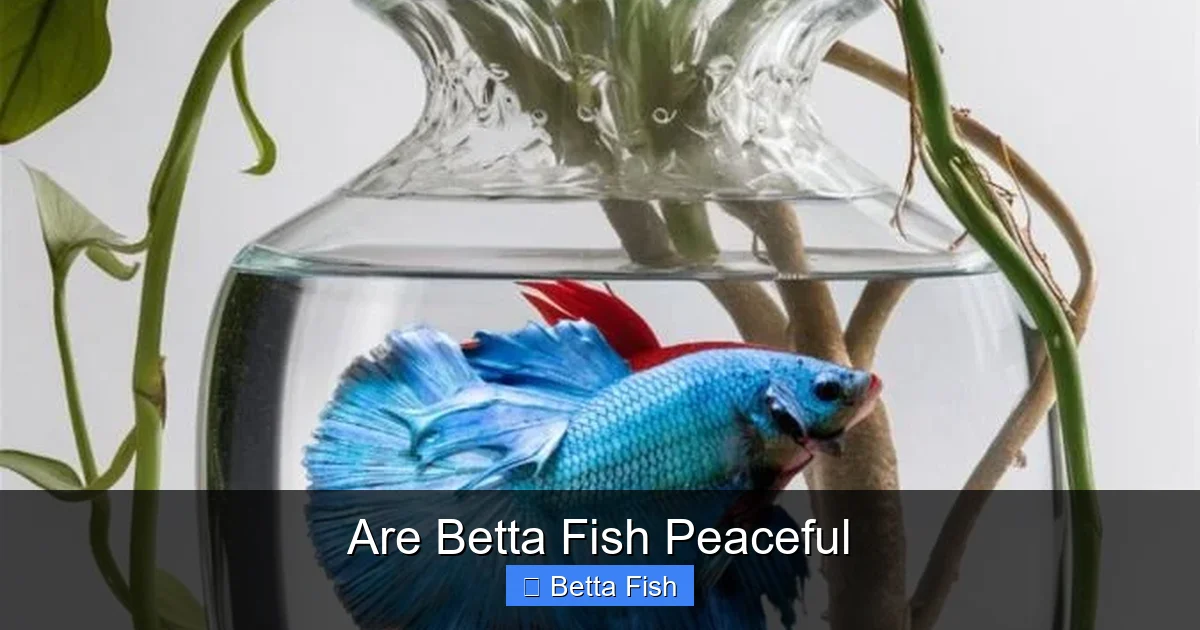
Contrary to the tiny bowls sold in pet stores, a 5‑gallon (or larger) tank with a gentle filter is ideal. More water means diluted waste, stable temperature, and less need for the betta to defend a tiny territory.
Visual guide about Are Betta Fish Peaceful
Image source: i.pinimg.com
3.2. Plants, Caves, and Hiding Spots
Live plants such as Java fern, Anubias, and floating duckweed create natural barriers. They also reduce reflections that can trigger aggression. Adding a small cave or PVC pipe gives your betta a place to retreat.
3.3. Water Parameters
- Temperature: 76‑82 °F (24‑28 °C).
- pH: 6.5‑7.5.
- Hardness: 3‑4 dGH.
Consistent parameters keep stress hormones low, making a betta more likely to be peaceful.
3.4. Lighting and Day‑Night Cycle
Betta fish are partly nocturnal (are betta fish nocturnal). Provide 10‑12 hours of dim lighting and a dark period at night. Too bright a tank can make them anxious and more prone to aggression.
4. Choosing Tank Mates: Compatibility Guide
4.1. Safe Species for Community Tanks
When you ask “are betta fish peaceful,” the answer often hinges on who they live with. Here are the safest companions:
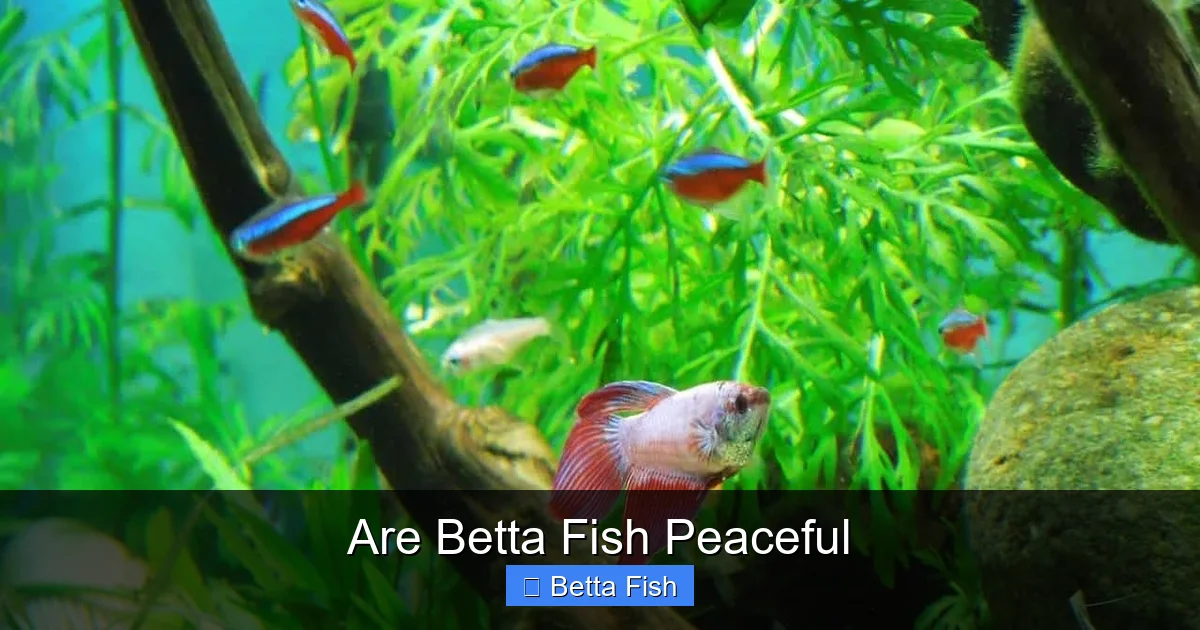
- Small, fast‑moving fish: Neon tetras, ember tetras, and rasboras keep to the mid‑level and are too quick to be seen as a threat.
- Bottom dwellers: Corydoras catfish, loaches, and small kuhli loaches stay out of the betta’s line of sight.
- Snails and shrimp: Nerite snails and cherry shrimp add interest without provoking the betta.
4.2. Species to Avoid
Fin‑nippers love long, flowing fins. Guppies, mollies, and fancy goldfish will likely be attacked. Even other bettas—male or female—should never share the same tank unless you’re creating a carefully managed sorority.
4.3. Practical Introduction Tips
1. **Quarantine new arrivals** for 2 weeks to prevent disease.
2. **Acclimate slowly** using the drip method.
3. **Add hides first**, then release the new fish near a plant.
4.4. Real‑World Example
John set up a 10‑gallon tank with a male betta, a small group of neon tetras, and a few Java ferns. He observed his betta’s behavior for a week before adding the tetras. The betta showed occasional curiosity but never flared. After a month, all fish were thriving, proving that with the right conditions, bettas can coexist peacefully.
5. Managing Aggression When It Happens
5.1. Early Warning Signs
Watch for frequent flaring, chasing, and loss of color. These are cues that your betta is becoming stressed.
5.2. Quick Intervention Steps
- Re‑arrange décor: Move plants and ornaments to break line‑of‑sight.
- Increase tank size: If possible, upgrade to a larger tank.
- Remove the aggressor: In extreme cases, house the betta separately (why are male betta fish kept separate).
5.3. Long‑Term Strategies
Consider a “peaceful betta” setup: a single male in a spacious, heavily planted 10‑gallon tank with no other fish. This eliminates aggression while still allowing you to enjoy the betta’s beauty.
Conclusion: Finding the Balance
Answering the question “are betta fish peaceful” isn’t a simple yes or no. Male bettas are naturally aggressive, but with a large enough tank, plenty of plants, and careful selection of tank mates, they can live side‑by‑side with other peaceful species. Female bettas can form a harmonious sorority if you meet the space and décor requirements. Ultimately, the key is observation, proper tank setup, and a willingness to adjust as needed.
When you respect a betta’s natural instincts and give it a comfortable, enriched environment, you’ll discover a surprisingly calm companion—one that adds color and personality to your aquarium without constant drama.
Frequently Asked Questions
Are male betta fish always aggressive?
Male bettas are naturally territorial and will often flare at other males or similar‑looking fish. However, with a spacious, well‑planted tank, aggression can be minimized.
Can female bettas live together peacefully?
Yes, a sorority of females can coexist if you provide at least a 20‑gallon tank, plenty of hiding spots, and monitor for bullying.
What tank size is best for a community betta?
A minimum of 10 gallons is recommended for a single male betta with small, peaceful tank mates. Larger tanks further reduce stress.
Do betta fish need a heater?
Betta fish are tropical and thrive at 76‑82 °F (24‑28 °C). A reliable heater maintains stable temperature, which helps keep them calm.
Are betta fish suitable for beginners?
Betta fish are relatively easy to care for (are betta fish easy to care for), but understanding their temperament is crucial for a peaceful setup.
What are signs that my betta is stressed?
Flaring, loss of color, rapid swimming, and clamped fins indicate stress. Address water quality, tank size, and potential aggressors promptly.

