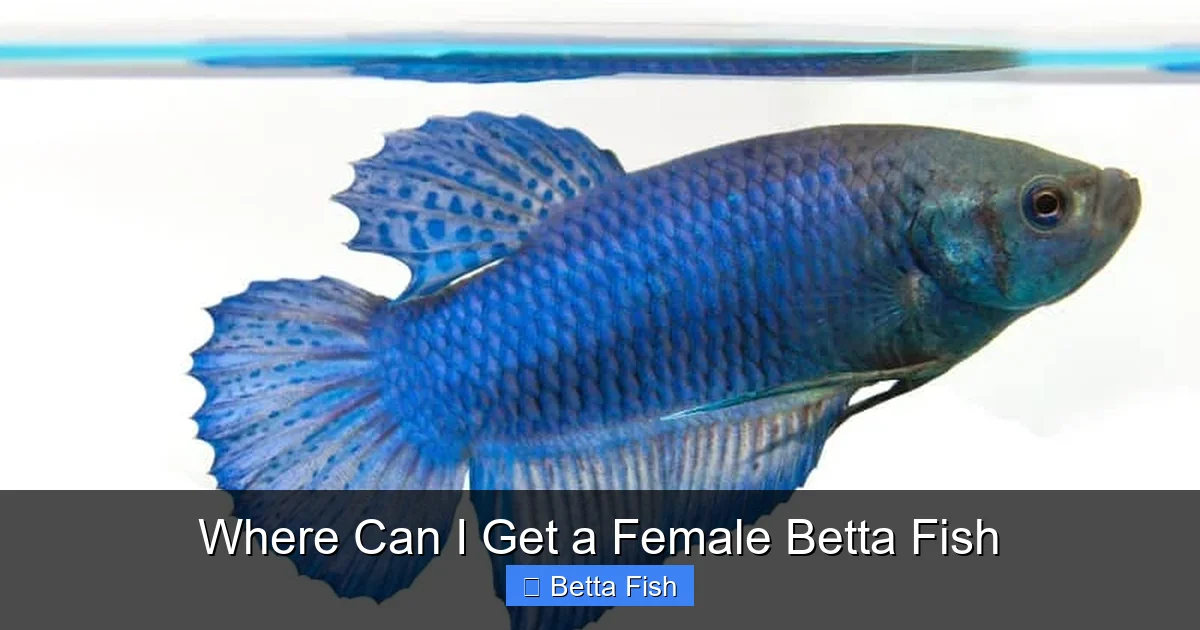
Where Can I Get a Female Betta Fish
Finding a healthy female betta fish requires knowing where to look. Reputable local fish stores (LFS) are often the best starting point for personalized advice and seeing the fish in person. Specialized online breeders offer specific colors and genetics but require careful research. Community swaps and forums can also be excellent sources. Always prioritize fish health over price, inspect for signs of disease, and quarantine any new arrival. Understanding the unique social nature of female bettas is key to providing the right home from day one.
So, you’ve decided to add a beautiful, flowing female betta fish to your aquatic world. Excellent choice! Female bettas, often called “females” or “plakat females” when they have shorter fins, possess a stunning elegance and, in many cases, a more social temperament than their famously solitary male counterparts. But before you can enjoy watching her dart through plants or interact with tankmates, you face the crucial first step: where to actually get her. The source you choose dramatically impacts her health, temperament, and your overall success as a betta keeper. This comprehensive guide will walk you through every viable option, from your neighborhood aquarium shop to a breeder across the country, arming you with the knowledge to make a safe, happy, and healthy addition to your family.
It’s easy to think all bettas are created equal, but the reality is a female betta from a high-quality, ethical source is a world apart from one raised in poor conditions. Her immune system, color vibrancy, fin development, and even personality are shaped by her upbringing. A stressed or sickly fish from the start can lead to a heartbreak and a costly battle with disease. Therefore, our goal isn’t just to find a female betta, but to find the right female betta for your aquarium. We’ll explore the pros and cons of each purchasing avenue, teach you exactly what to look for (and what to avoid) in a healthy specimen, and prepare you for the all-important quarantine period. Let’s dive in.
Key Takeaways
- Local Fish Stores (LFS) are your first stop: They offer hands-on inspection, expert local advice, and often healthier, better-acclimated fish than big-box retailers.
- Specialized online breeders provide variety: For specific colors, fin types, or genetic lines, reputable online breeders are unmatched, but shipping stress is a real consideration.
- Community sources offer connections: Local aquarium clubs, Facebook groups, and forums can lead to hobbyists rehoming fish, often with full health histories.
- Inspect the fish meticulously: Look for vibrant color, intact and flowing fins, clear eyes, active swimming, and no signs of fungus, rot, or lethargy.
- Quarantine is non-negotiable: Always house a new female betta in a separate, cycled quarantine tank for at least 2-4 weeks to monitor for disease before introducing her to your main display.
- Ask detailed questions: Inquire about the fish’s age, source, water parameters, last feeding, and any known health issues, regardless of where you purchase.
- Females have different social needs: Unlike males, female bettas can often be kept in sororities (all-female groups) or with certain peaceful tankmates, but proper research is essential.
📑 Table of Contents
The Local Fish Store (LFS): Your First and Best Friend
Before you even think about clicking “buy” online, take a trip to your local, independent fish store—often called an LFS in the hobby. This should be your primary hunting ground. Unlike large pet store chains, a dedicated local aquarium shop is usually run by passionate aquarists who know their stock intimately. They are an invaluable resource, not just a point of sale.
Why the LFS Often Outshines Big-Box Retailers
Big-box pet stores are convenient, but they are frequently a gamble for bettas. Due to high turnover and less specialized staff, bettas are often kept in small, dirty cups with poor water quality, leading to chronic stress and illness like fin rot or velvet. In contrast, a good LFS typically maintains better water conditions in their display tanks. They may keep their bettas in slightly larger, filtered systems or at least perform more frequent water changes. You can often see the fish in a more natural swimming environment, which gives you a better sense of their true activity and health.
The staff at an LFS are hobbyists themselves. You can ask detailed questions: “How long have you had this female?” “What do you feed her?” “What are the water parameters in this tank?” “Has she shown any signs of aggression or illness?” They can tell you about her personality, if she’s known to be feisty or shy. This level of knowledge is gold. They can also advise on tank mates that work well with female bettas, as they know the local climate and common community tank setups in your area.
The Hands-On Inspection: What to Look For
When you’re at the LFS, put your eyes and brain to work. This is your chance to inspect the potential pet before you commit.
- Color and Clarity: She should have rich, even coloration (though some females are naturally paler). Look for any faded patches, white spots (potential velvet or ich), or a dusty appearance.
- Fins: Fins should be intact, flowing, and without tears, splits, or blackened edges (a sign of fin rot). For long-finned females, check for signs of biting or damage from confinement.
- Eyes: They should be clear, bright, and protruding normally. Cloudy, gray, or popped eyes (exophthalmia) are serious red flags.
- Body: The body should be smooth, without lumps, bumps, sores, or raised scales (signs of dropsy). She should be plump but not bloated (which can indicate constipation or internal infection).
- Behavior: Is she actively exploring her little cup or tank? Is she responsive to your presence? A healthy betta will be curious, flaring gently at reflections or your finger. Lethargy, sinking to the bottom, or constant hovering is a major warning sign.
- Gills and Gill Covers: Look at her gills as she breathes. They should open and close smoothly. Red, inflamed, or rapidly flaring gills can indicate ammonia poisoning or a bacterial infection.
Don’t be shy. Ask the staff to place her in a small observation cup or container so you can see her from multiple angles. A reputable store will accommodate this request.
Building a Relationship with Your LFS
Frequent the store. Get to know the owners and employees. When you become a known, responsible customer, they will be more likely to hold a special fish for you, give you the best picks from a new shipment, and offer honest advice. They might even let you know when they get in a particularly stunning female betta. This relationship is worth its weight in gold and is something you simply cannot get from an anonymous online checkout page.
The Online Breeder/Seller: A World of Variety at Your Fingertips
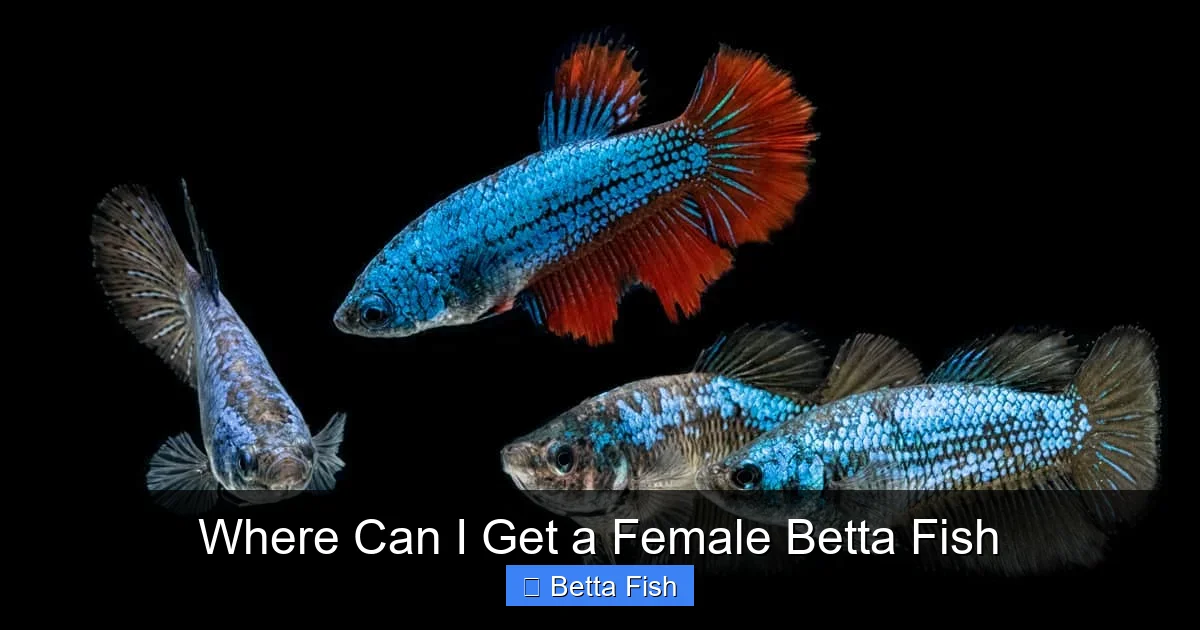
Once you’ve exhausted local options, the internet opens up a breathtaking array of female bettas you never knew existed. From halfmoon females with 180-degree spreads to intricate multicolored “marbles” and rare Koi or Nemo patterns, online breeders are the source for specific, high-quality genetics.
Visual guide about Where Can I Get a Female Betta Fish
Image source: japanesefightingfish.org
Navigating the Online Marketplace: Hobbyist vs. Commercial
Not all online sellers are created equal. You must distinguish between a dedicated, ethical hobbyist breeder and a large-scale commercial operation (sometimes called “betta mills”).
- Hobbyist Breeders: These are individuals or small operations breeding for the love of the fish and to improve specific lines. They usually have a limited number of spawns, provide detailed lineage information, and keep their fish in pristine, individual setups. Their websites or social media pages often tell a story, show their fish rooms, and explain their breeding philosophies. They typically sell fish that are 3-6 months old, well-grown, and ready for your aquarium. Prices are higher ($40-$150+), but you are paying for quality, genetics, and ethical treatment.
- Commercial Operations: These businesses mass-produce bettas, often in Southeast Asia (Thailand is the global epicenter), and ship them worldwide. They offer incredible variety at lower prices ($15-$40). However, quality control varies wildly. Some are excellent and maintain high standards; others are little more than factories where fish endure grueling shipping conditions. Thorough research is critical.
Red Flags for Online Sellers: Vague about fish age or origin, no clear photos of individual fish (only stock photos), prices that seem too good to be true, poor communication, no quarantine or health guarantee policies.
The Critical Importance of Shipping and Acclimation
Shipping a live betta is a stressful process. Even the best shippers face risks. When you buy online, you are trusting a stranger to pack a fragile life safely.
- Shipping Method: Ensure they use priority overnight or 1-2 day shipping. No standard mail. They should ship only on Mondays or Tuesdays to avoid weekend delays in transit warehouses.
- Packaging: Ask about their packaging. A properly packed betta is in a secure, insulated box with a heat or cold pack as needed, in a breathable bag with just enough water to keep her gills moist but not so much she can’t breathe oxygen. The bag should be triple-bagged and padded.
- DOA (Dead On Arrival) Policy: A reputable seller will have a clear, fair policy. They should require immediate photo evidence and typically offer a refund or replacement. Understand the terms before you buy.
- Your Role in Acclimation: Be prepared to receive her. Float the unopened bag in your quarantine tank for 15-20 minutes to equalize temperature. Then, slowly drip-acclimate her to your tank water over 30-60 minutes before gently netting her out and placing her in the quarantine tank. Never pour the shipping water into your system.
Sometimes the best bettas come not from a store, but from another aquarist. This can be a fantastic way to get a fish with a known history, often from a high-quality home setup.
Local Aquarium Clubs and Swap Meets
Many cities and regions have active aquarium clubs. These are treasure troves of knowledge and fish. Clubs often host swap meets, auctions, or private sales. You can meet experienced breeders face-to-face, see their fish in their actual tanks, and ask every question imaginable. The fish are usually already acclimated to local tap water, which is a huge plus. To find clubs, search online for “[Your City/State] aquarium club” or check with your local fish store—they often know the club scene.
Online Communities: Facebook Groups, Reddit, and Dedicated Forums
Platforms like Facebook (search for “Betta Fish For Sale” or “[Your State] Fishkeepers”), Reddit (r/bettafish, r/Aquaswap), and forums like Fishlore or The Betta Fish Forum have “For Sale/Trade” sections. Here, hobbyists list fish they are rehoming—maybe a female they no longer have space for, or a cull from a breeding project that is still stunningly beautiful.
The advantages here are immense: You get the full story. You can ask: “What was her previous tank like?” “Any history of illness?” “Can I see a video of her swimming?” Often, the seller will include the entire setup for a small fee, giving you a head start. You can also sometimes arrange a local pickup to avoid shipping stress entirely. However, exercise caution. Use PayPal Goods & Services for payment protection, and if a deal seems suspicious, walk away. Trust your gut.
Regardless of where you acquire your female betta, this checklist is your non-negotiable standard. Print it out and use it at every potential purchase.

Visual guide about Where Can I Get a Female Betta Fish
Image source: ekk4j69ebaa.exactdn.com
The Physical Examination (In-Person or via High-Quality Video)
We touched on this earlier, but let’s drill down. A healthy female betta is a study in vitality.
- Swimming Style: She should swim with purpose and control. No listing to one side, no difficulty rising from the bottom, no frantic darting (which can indicate flukes or other parasites).
- Body Condition: A healthy betta has a streamlined, torpedo-shaped body. It should not be swollen or pinecone-like (dropsy). A slight indentation before the tail is normal.
- Fins: This is paramount for females, especially long-finned varieties. Look for:
- No Rot: No black, frayed, or melting edges.
- No Biting: No short, ragged fin edges, especially on the caudal (tail) fin, which can indicate stress
Frequently Asked Questions
What is where can i get a female betta fish?
where can i get a female betta fish is an important topic with many practical applications.