Are Betta Fish Hard to Kill
Betta fish may seem tough, but they’re actually delicate creatures that need proper care. Understanding water quality, diet, and stress factors reveals why are betta fish hard to kill—and how you can prevent accidental loss.
Key Takeaways
- Proper water parameters are crucial: Even slight swings in temperature or pH can be fatal.
- Stress is the silent killer: Over‑crowding, aggressive tank mates, and sudden changes kill faster than disease.
- Nutrition matters more than you think: Over‑feeding or a poor diet weakens immunity.
- Common health issues mimic “hard to kill” myths: Dropsy, fin rot, and swim‑bladder problems are often preventable.
- Regular monitoring saves lives: Simple daily checks catch problems before they become lethal.
- Betta genetics play a role: Some strains are more robust, but none are invincible.
- Good tank setup is the foundation: A well‑cycled, appropriately sized tank gives bettas the best chance to thrive.
📑 Table of Contents
- Introduction: The Mystery Behind “Hard to Kill” Betta Fish
- 1. Betta Biology – Built for Survival, Not Invincibility
- 2. Water Quality – The Real Deal Killer
- 3. Nutrition – Feeding the Myths
- 4. Stress Triggers – The Silent Assassin
- 5. Common Health Issues That Counter the “Hard to Kill” Myth
- 6. Practical Tips to Prove Betta Fish Are Not “Hard to Kill”
- Conclusion: Betta Fish Are Resilient, Not Invincible
Introduction: The Mystery Behind “Hard to Kill” Betta Fish
When you first see a betta flaunting its bright fins, it’s easy to think, “Wow, this fish must be super tough!” That impression fuels the popular question, are betta fish hard to kill? The short answer is: they’re not magically indestructible. Their reputation for resilience comes from a mix of natural adaptations and, more importantly, the way beginners often mishandle their care.
In this article we’ll break down the biology that makes bettas appear hardy, the most common mistakes that actually make them vulnerable, and practical steps you can take to give your betta the best chance at a long, healthy life. By the end, you’ll understand why the myth exists and how to protect your fish from the very real threats that hide in plain sight.
1. Betta Biology – Built for Survival, Not Invincibility
Labyrinth Organ: Breathing Air Directly
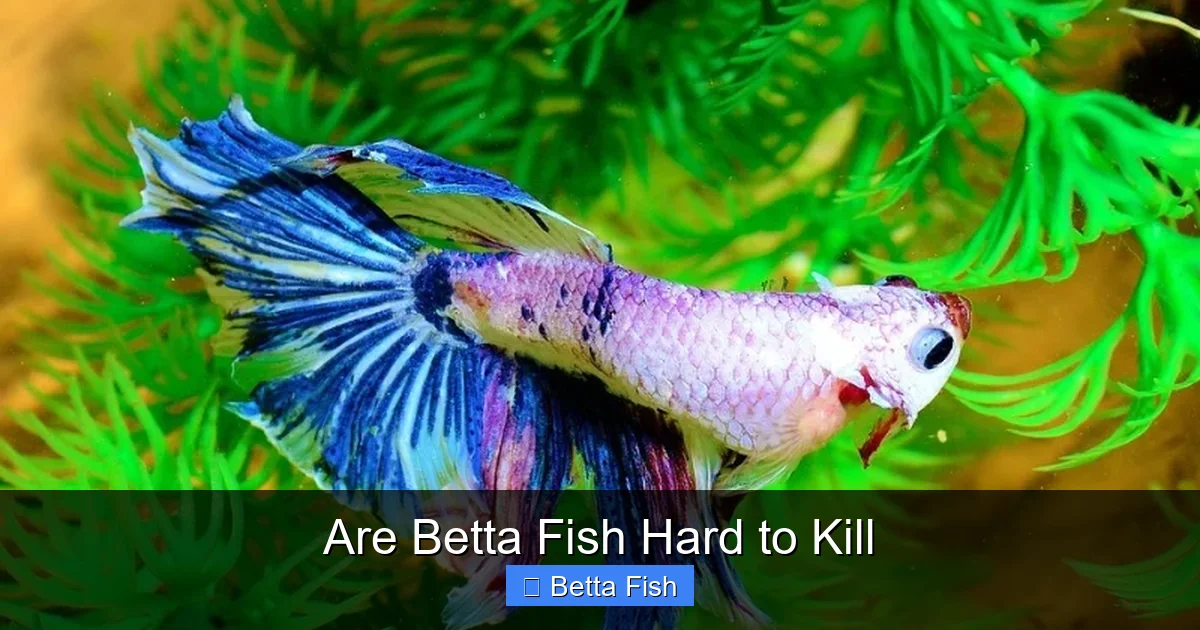
Betta fish belong to the family of labyrinth fish. Their unique labyrinth organ lets them gulp air from the surface, so they can survive in low‑oxygen water where many other fish would suffocate. This adaptation fuels the belief that they can live in tiny bowls forever.
Visual guide about Are Betta Fish Hard to Kill
Image source: infishtank.com
Territorial Nature and Aggression
Male bettas are fiercely territorial. In the wild they defend small puddles, so a cramped environment feels familiar. However, this aggression is often misinterpreted as “hardiness.” When stressed, a betta will flare its fins, breathe heavily, and become prone to disease—exactly the opposite of being hard to kill.
Genetic Variability
Selective breeding has produced many color morphs, some of which are more robust than others. While a solid‑colored “wild‑type” may handle minor fluctuations better, the vibrant “half‑moon” or “dragon” varieties can be more delicate due to thinner membranes and higher metabolic demands.
2. Water Quality – The Real Deal Killer
Temperature: Keep It Steady
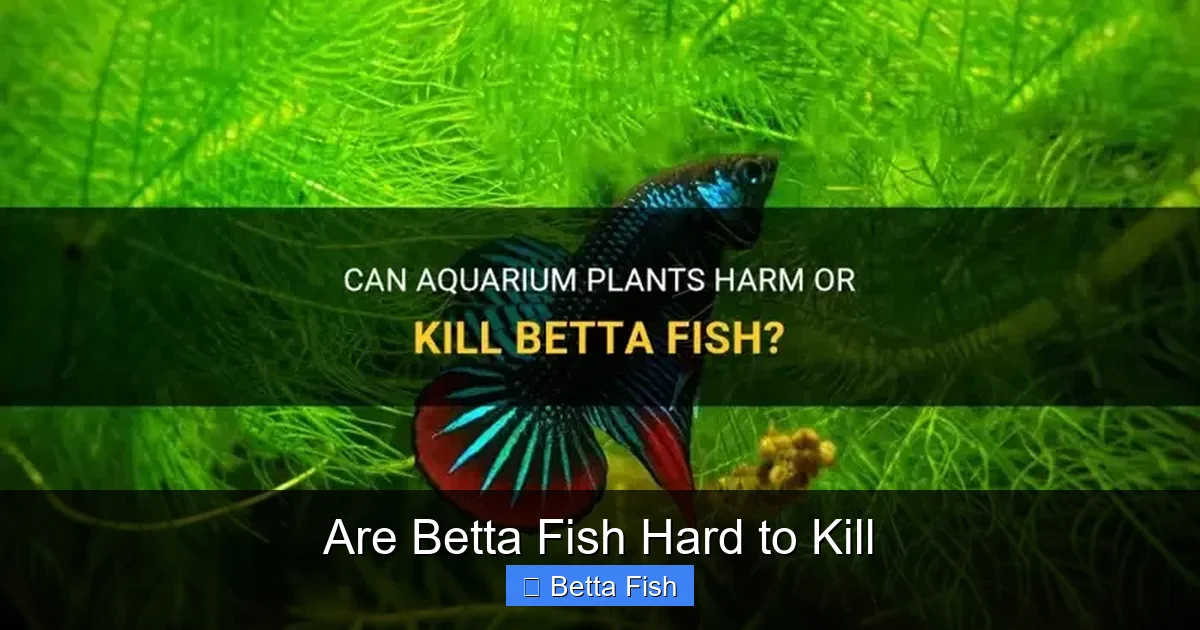
Betta fish thrive at 76‑82°F (24‑28°C). A drop of just a few degrees can stress the fish, suppress its immune system, and make it vulnerable to disease. Use a reliable heater and a thermometer; check daily.
Visual guide about Are Betta Fish Hard to Kill
Image source: petshun.com
pH and Hardness
Ideal pH is 6.5‑7.5 with moderate hardness. Sudden spikes in ammonia, nitrite, or nitrate are deadly. A properly cycled tank eliminates these spikes, which is why many beginners who skip cycling ask, “are betta fish hard to kill?” The answer is no—if you give them a stable environment.
Filtration vs. Flow
Betas prefer gentle water movement. A strong filter can stress them, yet a filter without biological media can’t process waste. Choose a low‑flow sponge filter or a hang‑on‑back unit with a diffuser.
3. Nutrition – Feeding the Myths
Quality Over Quantity
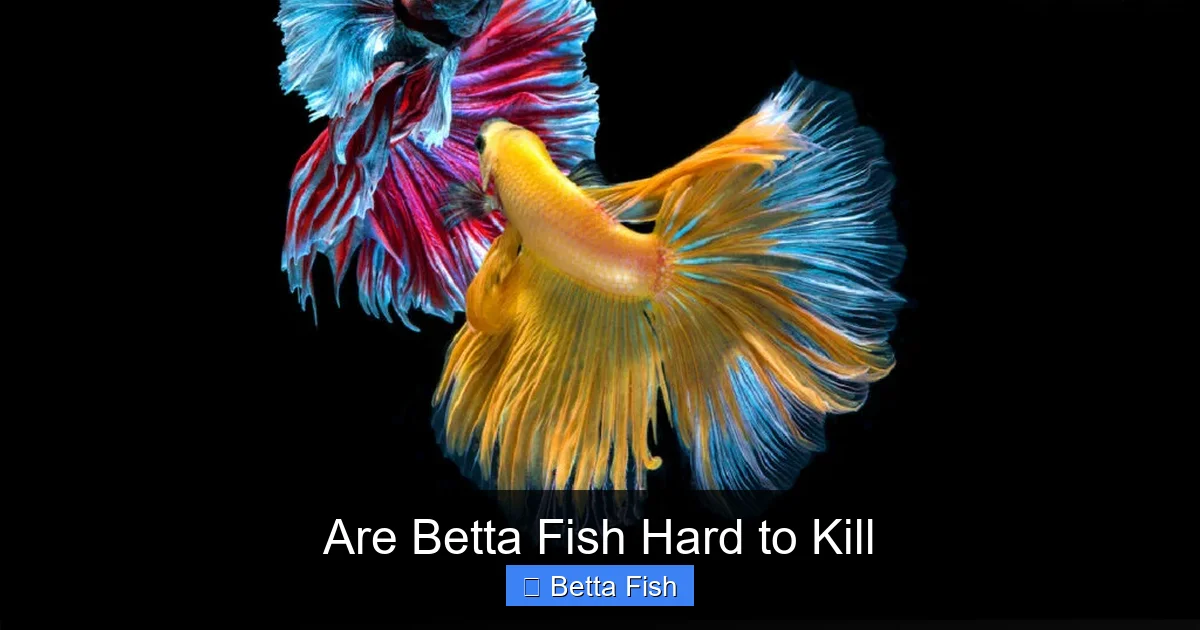
High‑protein pellets or frozen brine shrimp are best. Over‑feeding leads to cloudy water and obesity, both of which weaken the immune system. A good rule: feed 2–3 small meals daily, no more than the size of the fish’s eye.
Visual guide about Are Betta Fish Hard to Kill
Image source: buildyouraquarium.com
Common Feeding Mistakes
- Giving only flake food – lacks essential nutrients.
- Feeding human “treats” – can cause digestive blockages.
- Skipping fasting days – a day without food helps clear the gut.
For a deeper dive on feeding schedules, see How Often Are You Supposed To Feed Betta Fish.
4. Stress Triggers – The Silent Assassin
Tank Size and Layout
Though bettas can survive in small containers, they are not happy there. A 5‑gallon tank with plants and hiding spots mimics their natural habitat and reduces stress. Learn more about proper setup at How To Set Up A Tank For A Betta Fish.
Companion Compatibility
Male bettas should never share a tank with other males. Even females can become aggressive if space is limited. If you want a community tank, choose peaceful bottom‑dwelling species and keep the betta at one end.
Sudden Changes
Moving the tank, changing décor, or even a loud noise can trigger a stress response. Always acclimate new fish slowly (see How Long To Acclimate Betta Fish) and avoid rapid temperature shifts.
5. Common Health Issues That Counter the “Hard to Kill” Myth
Fin Rot
Often caused by poor water quality and injuries from sharp décor. Treat with a mild antibacterial soak and improve filtration.
Dropsy
A symptom of internal infection that makes the fish look bloated. Early detection and antibiotics can save the fish. Read more at How To Treat Dropsy In Betta Fish.
Swim Bladder Disorder
Over‑feeding or constipation leads to buoyancy problems. Fasting for 24‑48 hours and offering peas can help.
Signs You’re Losing Your Betta
- Lethargic behavior or loss of color.
- Clamped fins and rapid breathing.
- White spots, frayed edges, or bloating.
Spotting these early can make the difference between a quick loss and a successful recovery.
6. Practical Tips to Prove Betta Fish Are Not “Hard to Kill”
Daily Checklist
- Check temperature and adjust heater if needed.
- Observe behavior for signs of stress.
- Inspect water clarity; perform a partial water change if cloudy.
Weekly Maintenance
- Test water parameters (ammonia, nitrite, nitrate, pH).
- Replace 20‑30% of water with conditioned water.
- Trim plants and clean substrate.
Monthly Deep Dive
- Replace filter media (biological media stays intact).
- Inspect tank décor for sharp edges.
- Rotate diet: pellets, frozen, live foods.
When to Seek Professional Help
If you notice rapid deterioration—such as sudden color loss, bulging eyes, or continuous gasping—consult a vet or an experienced aquarist. Early intervention often saves the fish.
Conclusion: Betta Fish Are Resilient, Not Invincible
The question “are betta fish hard to kill” is a shortcut many use to avoid responsibility. In reality, bettas thrive when their environment mimics natural conditions, their diet is balanced, and stress is minimized. By mastering water quality, proper feeding, and vigilant health checks, you’ll see that bettas are not indestructible, but they are certainly capable of a long, vibrant life when cared for correctly.
Take these steps, stay observant, and enjoy watching your betta’s dazzling colors flourish for years to come.
Frequently Asked Questions
Why do betta fish sometimes die even in a clean tank?
Even with clean water, sudden temperature changes, over‑feeding, or hidden disease can stress a betta. Monitoring behavior daily helps catch problems early.
Can bettas survive in a bowl without a heater?
No. Bowls lose heat quickly, causing temperature swings that are dangerous. A heated, filtered tank of at least 5 gallons is recommended.
How often should I change the water in a betta tank?
Perform a 20‑30% water change weekly. This keeps nitrate levels low and maintains stable water chemistry.
What are the first signs that my betta is getting sick?
Look for clamped fins, loss of color, rapid breathing at the surface, or unusual swimming patterns. Early detection is key.
Is it okay to keep a male and female betta together?
Only for short breeding periods under strict supervision. Otherwise, they will fight, leading to injury or death.
Do betta fish need live plants?
Live plants improve water quality and provide natural hiding spots, reducing stress. If you can’t keep live plants, use silk or plastic décor.