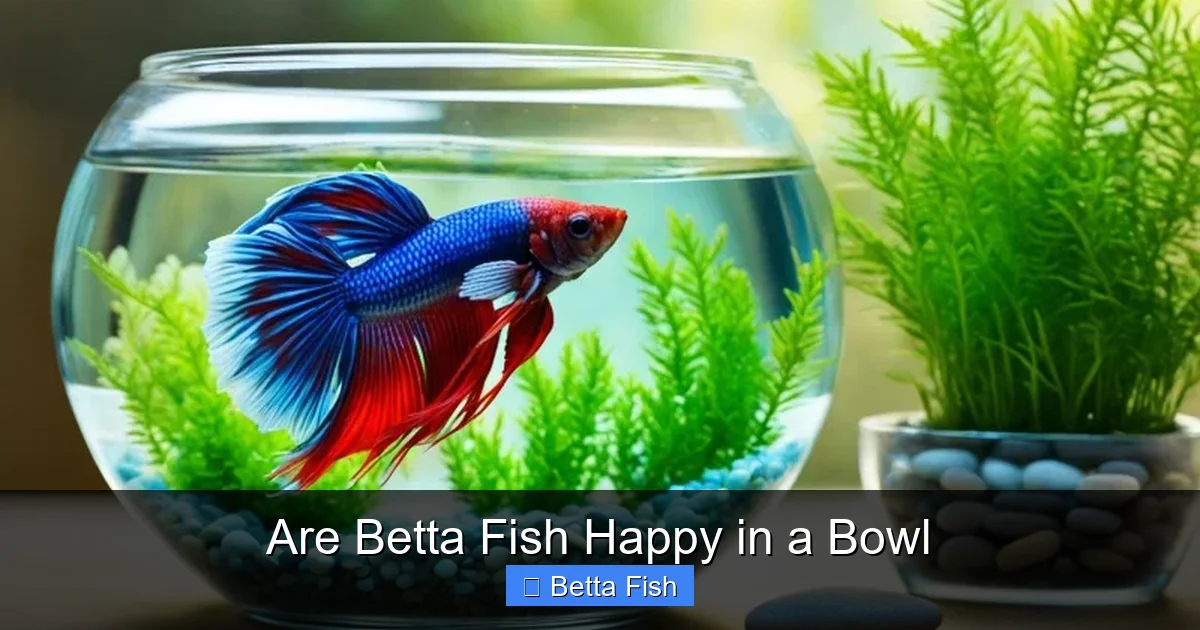
Are Betta Fish Happy in a Bowl
Betta fish can survive in a bowl, but true happiness requires space, clean water, and enrichment. A small bowl often lacks the conditions needed for a healthy, active betta, leading to stress and health problems. Upgrade to a proper tank or enhance the bowl with filtration, heating, and décor to keep your betta thriving.
Key Takeaways
- Space matters: A minimum of 2‑5 gallons provides room to swim and reduces stress.
- Water quality is critical: Regular changes and filtration keep ammonia low.
- Temperature stability: Betta fish need 76‑82°F; a heater is essential in a bowl.
- Enrichment prevents boredom: Plants, hides, and toys mimic a natural habitat.
- Observe behavior: Gasping, faded colors, or torn fins signal an unhappy betta.
- Upgrade when possible: Moving to a tank improves long‑term health and happiness.
- Proper care beats myths: Bowls are not “natural” just because bettas can survive in them.
📑 Table of Contents
Introduction: The Bowl Debate
When you first see a bright, flowing betta swimming in a tiny glass bowl, it can look like a perfect gift for a beginner. The image is everywhere on social media, and many people assume that because bettas can gulp air from the surface, a small bowl is all they need. But the real question is: are betta fish happy in a bowl?
In this article we’ll walk through the science of betta welfare, break down the pros and cons of bowl living, and give you practical steps to make any container as comfortable as possible. Think of it as a friendly chat over coffee, where we separate cute myths from solid facts.
Understanding Betta Natural Habitat
Where bettas come from
Betta splendens, the Siamese fighting fish, originates from shallow rice paddies, slow‑moving streams, and dense vegetation in Thailand and Cambodia. These waters are warm (78‑84°F), soft, and heavily planted, offering plenty of hiding spots and surface access for breathing.
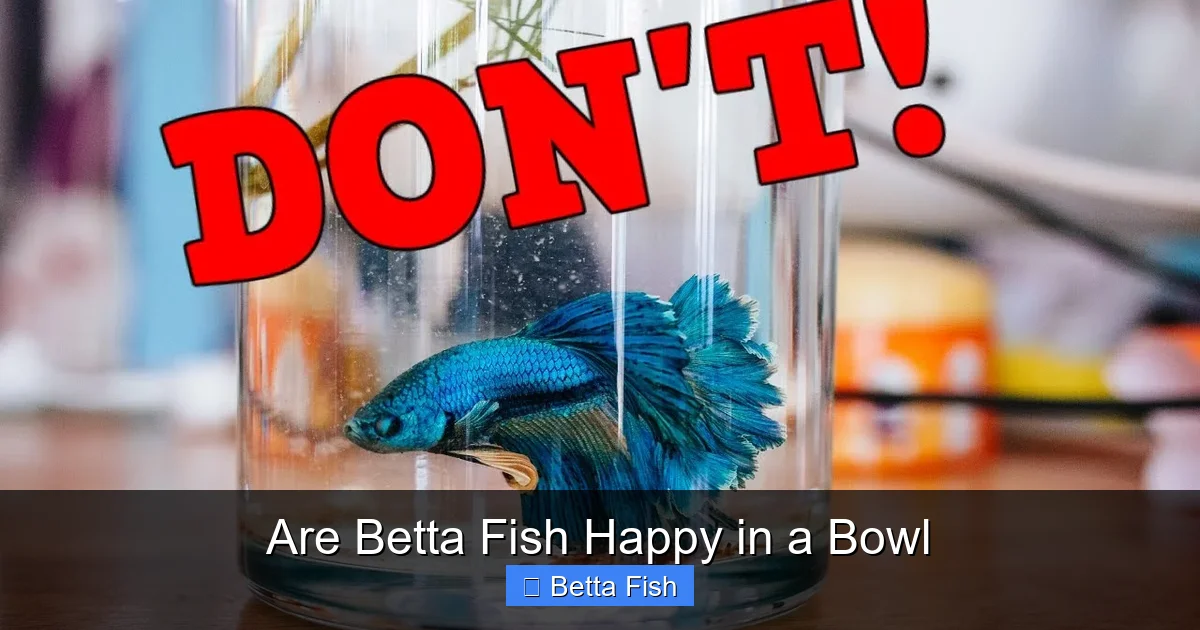
Visual guide about Are Betta Fish Happy in a Bowl
Image source: i.ytimg.com
Why they breathe air
Betta fish possess a specialized organ called the labyrinth, which lets them gulp atmospheric oxygen. This adaptation lets them survive in low‑oxygen environments, but it does **not** mean they thrive in tiny containers. The labyrinth is a survival tool, not a ticket to perpetual happiness in a bowl.
What Makes a Bowl Happy—or Not?
Size and swimming space
Space is the single biggest factor. Research shows that bettas exhibit stress behaviors when confined to less than 2 gallons. A 2‑gallon bowl may allow a betta to turn around, but it offers no room for natural exploration. In a cramped bowl, the fish can become “territorial” and display excessive flaring, a sign of chronic stress.
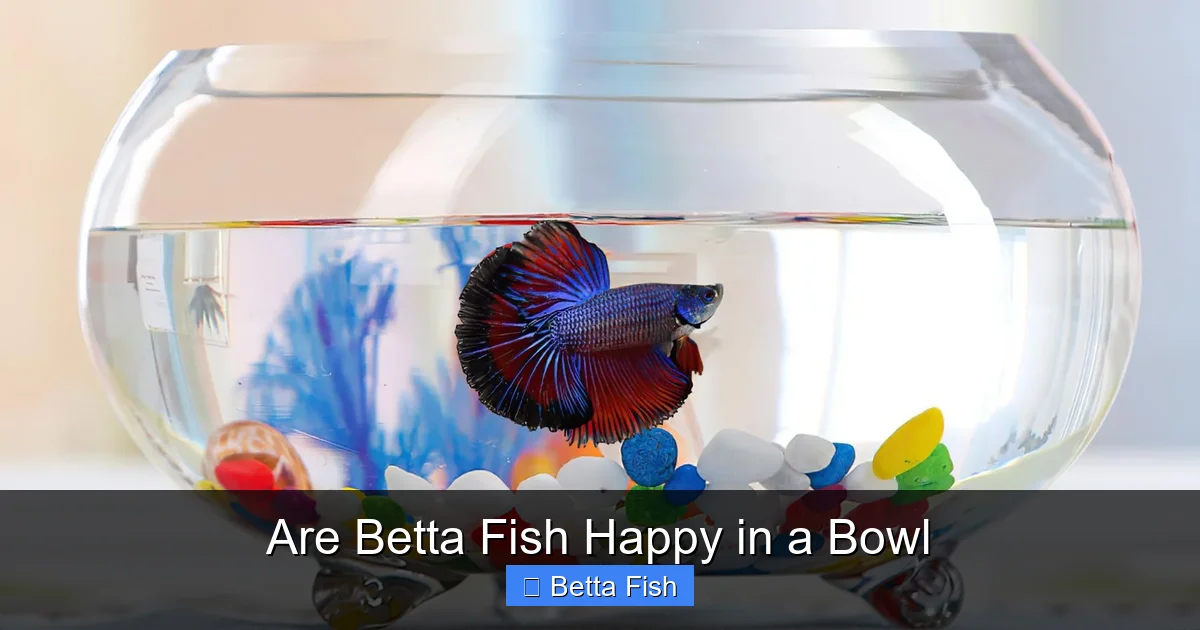
Visual guide about Are Betta Fish Happy in a Bowl
Image source: m.media-amazon.com
Water quality
Without filtration, waste builds up quickly. Ammonia spikes cause gill damage and lethargy. Even with daily 25‑30% water changes, a bowl’s limited volume makes it hard to keep parameters stable. For a happy betta, aim for a nitrogen cycle or at least a reliable water‑change routine.
Temperature control
Betta fish are tropical and need a consistent 76‑82°F. Small bowls lose heat fast, especially in cooler rooms. A submersible heater with a thermostat is essential; otherwise, temperature swings can stress the fish and weaken its immune system.
Enrichment and décor
In the wild, bettas weave through leaves, roots, and floating plants. Providing live or silk plants, smooth rocks, and caves mimics this environment. Enrichment reduces boredom, prevents fin nipping, and encourages natural behaviors like exploring and courting.
Practical Steps to Improve Bowl Life
Choose the right bowl
Start with a wide, shallow bowl that holds at least 2 gallons. A broader surface area gives more oxygen exchange and more room for décor.
Visual guide about Are Betta Fish Happy in a Bowl
Image source: japanesefightingfish.org
Install a gentle filter
A sponge filter or a low‑flow hang‑on‑back filter works well. It removes waste without creating strong currents that can stress a betta.
Set up heating
Use an adjustable heater rated for small volumes. Place it on one side and monitor with a reliable thermometer.
Regular water changes
Change 25‑30% of the water every other day for the first two weeks, then settle into a weekly schedule. Use a water conditioner to remove chlorine and chloramine.
Decorate wisely
Provide at least two hiding spots and one floating leaf or plant. Avoid sharp decorations that can tear delicate fins. The article How To Decorate A Betta Fish Bowl gives great ideas for safe, attractive setups.
Monitor behavior
Happy bettas are active, display bright colors, and flutter their fins gracefully. Watch for signs like constant hiding, faded colors, or ragged fins, which indicate stress.
When to Upgrade to a Tank
If you notice any of the following, it’s time to move your betta to a proper aquarium:
- Frequent cloudy water despite regular changes
- Visible ammonia or nitrite spikes on test kits
- Continual temperature fluctuations
- Loss of color or lethargic swimming
- Fin rot or other health issues
Transitioning is simple. Rinse the new tank (no soap), add a conditioned water base at the correct temperature, and slowly acclimate the betta using the drip method. For a step‑by‑step guide, see How To Care For Betta Fish In Bowl, which also covers the move to a larger tank.
Common Myths About Bowls
Myth 1: “Betta fish don’t need filters because they breathe air.”
False. While the labyrinth lets bettas take surface oxygen, waste still accumulates in the water. Filters keep ammonia low and provide a stable environment.
Myth 2: “A bowl is natural for bettas.”
Betas live in complex, plant‑rich habitats, not empty glass bowls. The myth likely stems from the “no‑need‑for‑tank” marketing of cheap pet stores.
Myth 3: “You can keep a betta forever in a cup.”
Short‑term survival is possible, but long‑term happiness and health require space, temperature, and water quality—none of which a cup can reliably provide.
Conclusion: Choosing Happiness Over Convenience
So, are betta fish happy in a bowl? The short answer: they can survive, but true happiness demands more than a tiny glass container. By offering adequate space, clean, warm water, and enrichment, you transform a basic bowl into a comfortable home. However, the best way to guarantee a betta’s well‑being is to upgrade to a 5‑gallon tank with filtration and heating.
Remember, a happy betta is a healthy betta—bright colors, active swimming, and a calm demeanor are the signs you’re doing it right. Treat your betta with the respect it deserves, and it will reward you with a dazzling display of personality for years to come.
Frequently Asked Questions
Can a betta fish live in a bowl without a filter?
It’s possible short‑term, but waste builds up quickly, leading to harmful ammonia levels. Adding a low‑flow filter greatly improves water quality and the fish’s happiness.
How often should I change the water in a betta bowl?
Change 25‑30% of the water every 2‑3 days for the first two weeks, then move to a weekly 30% change once the system stabilizes.
Do bettas need a heater in a bowl?
Yes. Betta fish require a stable 76‑82°F. Without a heater, temperature swings can cause stress and disease.
What signs show my betta is unhappy?
Look for faded colors, constant hiding, ragged fins, rapid breathing at the surface, or loss of appetite. These indicate stress or poor water conditions.
Can I add live plants to a betta bowl?
Yes, but choose hardy, low‑light varieties or silk plants. Live plants help absorb nitrates and provide natural cover.
Is it better to keep a betta in a tank than a bowl?
Absolutely. A tank offers more space, stable temperature, filtration, and enrichment, all of which lead to a happier, healthier betta.