How Long to Acclimate Betta Fish
Acclimating a betta fish correctly can mean the difference between a thriving pet and a stressed one. Most experts recommend a gradual process that takes anywhere from 15 minutes to an hour, depending on water conditions and the method you use. Follow these simple steps to give your betta a smooth transition and a happy start in its new tank.
Key Takeaways
- Acclimation time varies: Most bettas adjust in 15‑30 minutes, but complex water changes may need up to an hour.
- Temperature matching is vital: Use a floating bag or drip method to equalize water temperature before mixing.
- Gentle water mixing prevents shock: Slowly add tank water to the transport bag to blend parameters.
- Monitor behavior: Look for signs of stress like clamped fins or erratic swimming during and after acclimation.
- Clean, cycled tank first: A fully cycled, stable aquarium reduces acclimation time and stress.
- Never skip the quarantine: A short quarantine tank can catch hidden diseases before the main tank.
- Record your process: Keeping notes helps you refine the routine for future bettas.
📑 Table of Contents
- Introduction: Why Acclimation Matters
- Understanding the Science Behind Acclimation
- Preparing Your Tank Before the Betta Arrives
- Step‑by‑Step: How Long to Acclimate Betta Fish (Floating Bag Method)
- Step‑by‑Step: How Long to Acclimate Betta Fish (Drip Method)
- Common Mistakes and How to Avoid Them
- Post‑Acclimation Care: Keeping Your Betta Happy
- Conclusion: Mastering the Art of Acclimation
Introduction: Why Acclimation Matters
Bringing a new betta fish home is exciting, but the moment you open the bag, a silent danger lurks: water shock. Betta fish are hardy, yet rapid changes in temperature, pH, or hardness can stress their delicate gills and immune system. Proper acclimation eases that transition, giving your betta a fighting chance to explore its new world with confidence.
In this guide we’ll answer the burning question “how long to acclimate betta fish?” while walking you through the science, the steps, and the little tricks that turn a nervous newcomer into a vibrant, flaring wonder. Whether you’re a first‑time keeper or a seasoned hobbyist, the methods below work for any tank size, water source, or betta personality.
Understanding the Science Behind Acclimation
What Happens Inside a Betta’s Body?
When a betta is moved from store water to your home aquarium, two main stresses occur:
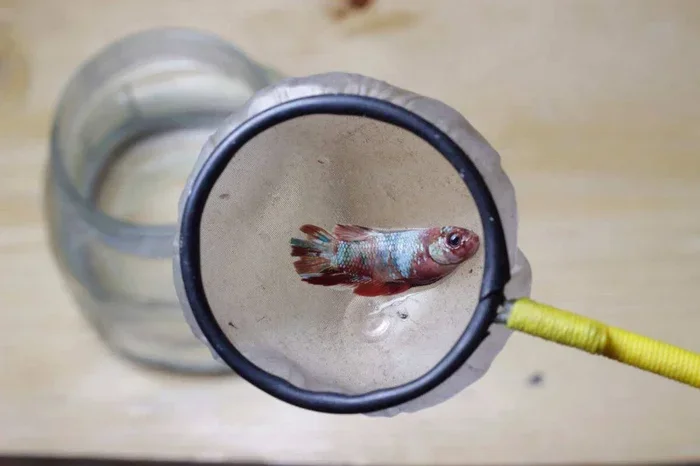
Visual guide about How Long to Acclimate Betta Fish
Image source: majesticfins.com
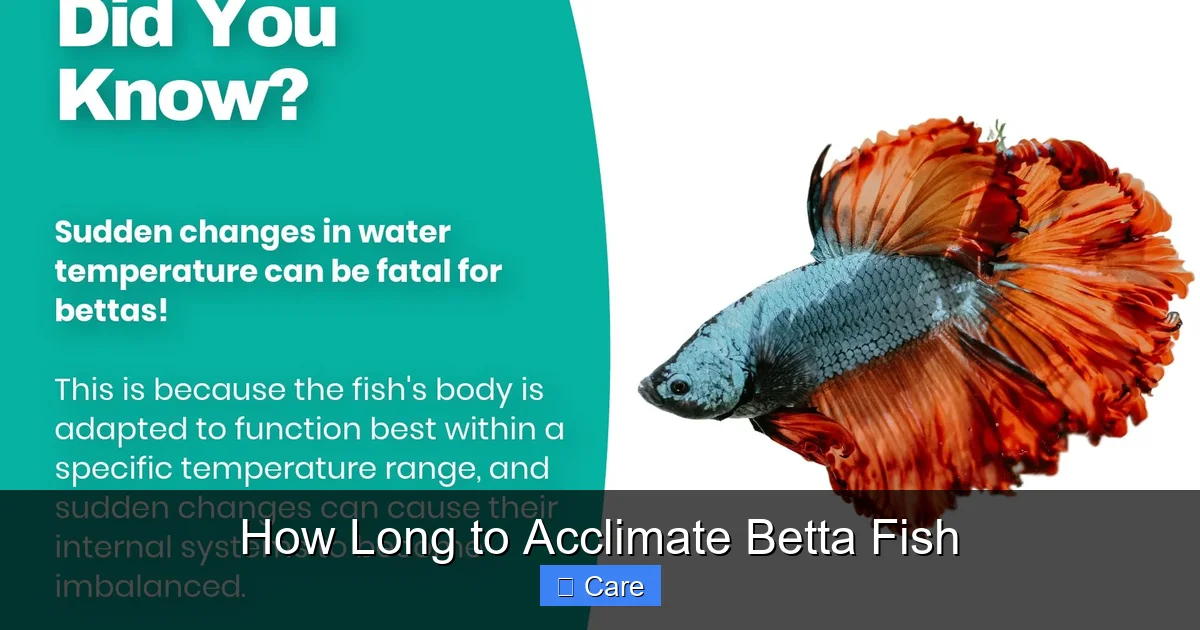
- Thermal shock: A sudden temperature swing forces the fish’s metabolism to adjust instantly, which can lead to rapid breathing or even organ failure.
- Osmotic shock: Differences in pH, hardness, and nitrate levels cause the fish’s skin and gill cells to lose balance, leading to “clamped” fins and lethargy.
Acclimation is simply giving the fish time to equalize these variables slowly, allowing its internal systems to adapt without panic.
Why the Time Frame Varies
Several factors influence how long you should spend acclimating a betta:
- Water temperature difference: A 2‑3 °F gap may need only 10‑15 minutes, while a 10 °F gap can require 30‑45 minutes.
- Source water quality: Tap water treated with a conditioner may still contain chlorine or chloramine; a larger difference in pH or hardness calls for a slower approach.
- Acclimation method: The “floating bag” method is quicker (15‑20 minutes) than the “drip” method (30‑60 minutes).
- Fish health: A stressed or sick betta needs a gentler, longer acclimation to reduce additional strain.
Preparing Your Tank Before the Betta Arrives
1. Cycle the Tank Properly
A fully cycled tank has established beneficial bacteria that turn toxic ammonia into nitrite and then nitrate. Test the water: ammonia < 0 ppm, nitrite < 0.5 ppm, nitrate < 20 ppm. If the cycle isn’t complete, the betta may experience “new tank shock” even after a perfect acclimation.
Visual guide about How Long to Acclimate Betta Fish
Image source: m.media-amazon.com
2. Set the Right Temperature
Betta fish thrive at 78‑80 °F (25.5‑26.5 °C). Use an aquarium heater with a reliable thermostat and let the tank run for at least 24 hours before introducing the fish. A stable temperature eliminates the need for a long floating period.
3. Check Water Parameters
Test for pH (6.5‑7.5 is ideal), hardness (50‑200 ppm), and chlorine. If you use tap water, treat it with a water conditioner that neutralizes chlorine and chloramine. Keep a log of your readings; you’ll compare them to the store water during acclimation.
4. Remove Aggressive Decor
Betta fish are territorial. Before the new arrival, clear any long, thin plants or aggressive décor that could trigger stress. Provide a few smooth rocks or a small cave for hiding.
Step‑by‑Step: How Long to Acclimate Betta Fish (Floating Bag Method)
Step 1 – Float the Bag
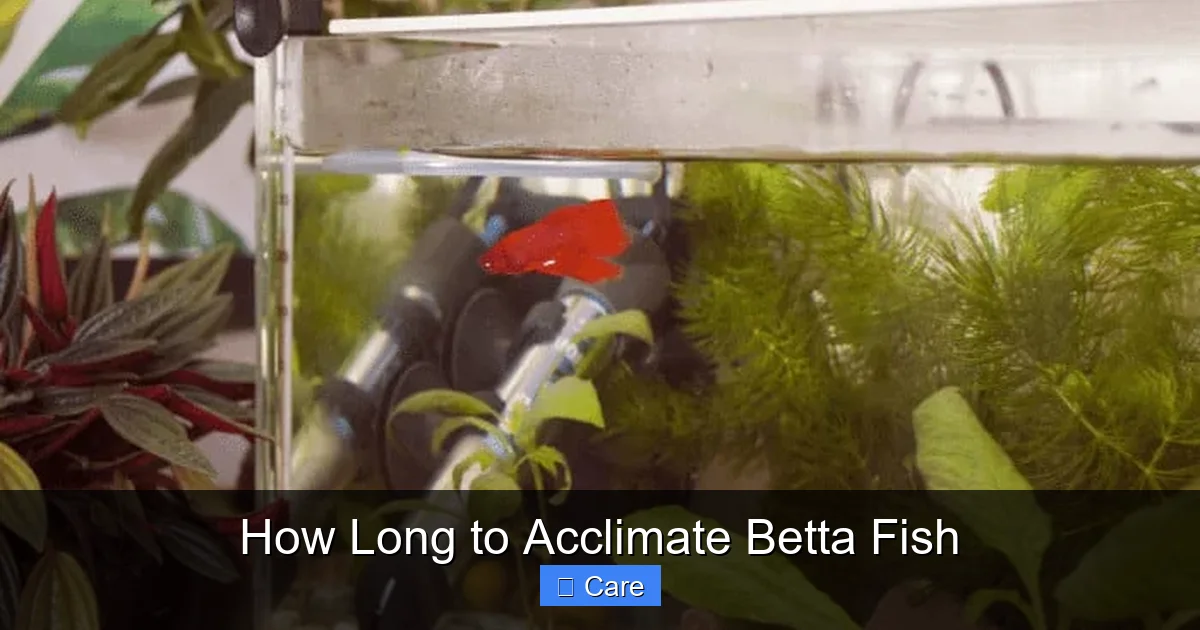
Place the sealed bag containing your betta in the aquarium, floating it on the surface. This equalizes temperature. Watch the clock: most experts recommend 15 minutes for a temperature difference under 5 °F. If the gap is larger, extend to 20‑30 minutes.
Visual guide about How Long to Acclimate Betta Fish
Image source: aquariumsphere.com
Step 2 – Add Tank Water Gradually
Every 2‑3 minutes, add ¼ cup (≈60 ml) of tank water to the bag. Stir gently with a clean finger or a silicone spoon. This slowly mixes pH and hardness. Continue until the bag is about half full. The process usually takes 10‑12 minutes.
Step 3 – Final Mix and Wait
Let the bag sit for another 5 minutes after the last water addition. This gives the fish a chance to breathe the mixed water and adjust fully.
Step 4 – Transfer the Betta
Use a soft net to gently lift the betta from the bag and place it into the aquarium. Avoid dumping the bag water into the tank; it may contain unwanted chemicals or parasites.
How Long Did It Take?
From start to finish, you’ll spend roughly 30‑35 minutes when the temperature difference is moderate. If the gap is wide, plan for 45‑60 minutes. This range answers the core question: how long to acclimate betta fish depends on the specifics, but most situations fall within the half‑hour mark.
Step‑by‑Step: How Long to Acclimate Betta Fish (Drip Method)
When to Choose Drip
Use the drip method if you’re moving a betta from a heavily filtered store bag, or if your tap water is drastically different in pH or hardness. The drip method can take 45‑60 minutes, offering the gentlest transition.
Equipment Needed
- Air pump
- Air stone
- Silicone tubing (¼‑inch)
- A clean container or the original bag
Step 1 – Set Up the Drip
Attach the tubing to the air stone and place the stone in the bag or a clean container holding the betta. Turn on the pump so water drips at a rate of 2‑3 drops per second (≈4 ml/min).
Step 2 – Monitor the Drip
Let the water drip until the bag’s volume has increased by about 25‑30 %. This usually takes 30‑40 minutes. The slow influx lets the fish’s gills adjust to the new chemistry.
Step 3 – Final Transfer
When the drip stops, gently net the betta and release it into the aquarium. The total time—often close to an hour—answers the more cautious version of “how long to acclimate betta fish?” for sensitive situations.
Common Mistakes and How to Avoid Them
Skipping the Float
Dropping a betta straight into a tank with a temperature gap can cause immediate shock. Even a few degrees matters.
Adding Too Much Water Too Fast
Dumping a large amount of tank water into the bag raises the risk of rapid pH shifts. Add water in small, measured increments.
Using Unconditioned Tap Water
Chlorine and chloramine are toxic to bettas. Always treat tap water with a conditioner before it touches the fish.
Leaving the Fish in the Bag Too Long
While a longer acclimation can be safer, leaving a betta in a sealed bag for more than 2 hours can deplete oxygen. Keep an eye on the clock.
Not Observing Post‑Acclimation Behavior
Even after a perfect acclimation, watch for signs of stress: faded colors, clamped fins, rapid gill movement, or staying at the bottom. If you notice any, perform a quick water test and consider a short quarantine.
Post‑Acclimation Care: Keeping Your Betta Happy
Feeding Schedule
Wait 2‑4 hours after introduction before offering food. Start with a small pinch of high‑quality betta pellets or frozen bloodworms. Overfeeding can cloud the water quickly.
Water Changes
Perform a 25 % water change after the first week, then weekly 20‑30 % thereafter. Use the same conditioned water you used for acclimation to maintain stable parameters.
Monitoring Health
For the first two weeks, check the betta daily for:
- Bright, flaring fins
- Steady swimming near the surface
- Clear eyes and intact barbels
If anything looks off, test the water and consider a short quarantine.
Conclusion: Mastering the Art of Acclimation
Knowing how long to acclimate betta fish isn’t about memorizing a fixed number; it’s about reading the situation and applying a gentle, step‑by‑step approach. By matching temperature, slowly mixing water chemistry, and watching your fish’s behavior, you give your betta the best possible start in its new home.
Remember: a well‑cycled, stable tank shortens acclimation time, while a rushed or careless process can lead to stress and disease. Take the extra minutes, follow the steps, and soon you’ll be rewarded with a vibrant, healthy betta that flares its colors proudly for years to come.
Frequently Asked Questions
What is the minimum time to acclimate a betta fish?
If the water temperature and parameters are almost identical, a 10‑15 minute floating period may be sufficient. However, most hobbyists still aim for 20‑30 minutes to be safe.
Can I use the same water from the store bag?
It’s best to avoid adding store water to your tank. Instead, gradually mix your conditioned tank water into the bag and then transfer the fish, discarding the bag water.
Do I need to acclimate a betta if I’m moving it to a new tank with the same water?
Even with identical water, a short 5‑10 minute float helps the fish adjust to any subtle differences and reduces stress.
Is a quarantine tank necessary for a healthy betta?
While not mandatory, a 2‑week quarantine in a separate, cycled tank can catch hidden parasites or diseases before they affect your main display.
What signs indicate my betta is still stressed after acclimation?
Watch for clamped fins, faded colors, rapid gill movement, or staying at the bottom of the tank. If these appear, test water parameters and consider a brief water change.
Can I use a heater during the acclimation process?
Yes, keep the heater on to maintain stable temperature, but never place the bag directly on a hot surface. The floating method already equalizes temperature safely.