Betta fish can feel comfortable after a water change when the process is gentle, the water parameters match their needs, and you watch for positive behavior. By following proper techniques, you’ll keep your finned friend happy, healthy, and thriving.
Key Takeaways
- Gentle swaps matter: Slow, steady water changes reduce shock and keep bettas calm.
- Match parameters: Temperature, pH, and hardness should mirror the tank’s existing water.
- Watch behavior: Active swimming, flaring, and relaxed posture signal happiness.
- Frequency counts: Changing 25‑30% weekly prevents waste buildup without stressing the fish.
- Proper equipment: Use a siphon, a clean container, and a water conditioner for best results.
- Observe post‑change: A short adjustment period is normal; look for improvement within an hour.
- Know the signs of distress: Hiding, gasping, or loss of color means you need to re‑evaluate your method.
📑 Table of Contents
- Introduction: Why the Question Matters
- Understanding Betta Comfort: What “Happy” Looks Like
- How Water Changes Affect Betta Mood
- Step‑by‑Step Guide to a Betta‑Friendly Water Change
- Common Mistakes and How to Fix Them
- When to Change Water: Frequency and Volume
- Signs Your Betta Is Unhappy After a Change
- Tips for Making Water Changes a Positive Experience
- Conclusion: The Happy Betta Is a Healthy Betta
Introduction: Why the Question Matters
If you’ve ever watched your betta dart around the tank after a water change, you might wonder, are betta fish happy after a water change? The answer isn’t a simple yes or no. It depends on how you perform the change, the condition of the water, and the individual personality of your fish.
Betta fish (Betta splendens) are known for their vibrant colors and feisty personalities. Because they are surface breathers with a labyrinth organ, they are especially sensitive to water quality, temperature, and flow. A well‑executed water change can boost their immune system, brighten their colors, and encourage natural behaviors. A rushed or poorly matched swap, however, can cause stress, hiding, or even illness.
In this guide we’ll break down everything you need to know to answer the big question and give you a practical roadmap for a stress‑free water change that leaves your betta smiling (or at least looking lively!).
Understanding Betta Comfort: What “Happy” Looks Like
Behavioral clues
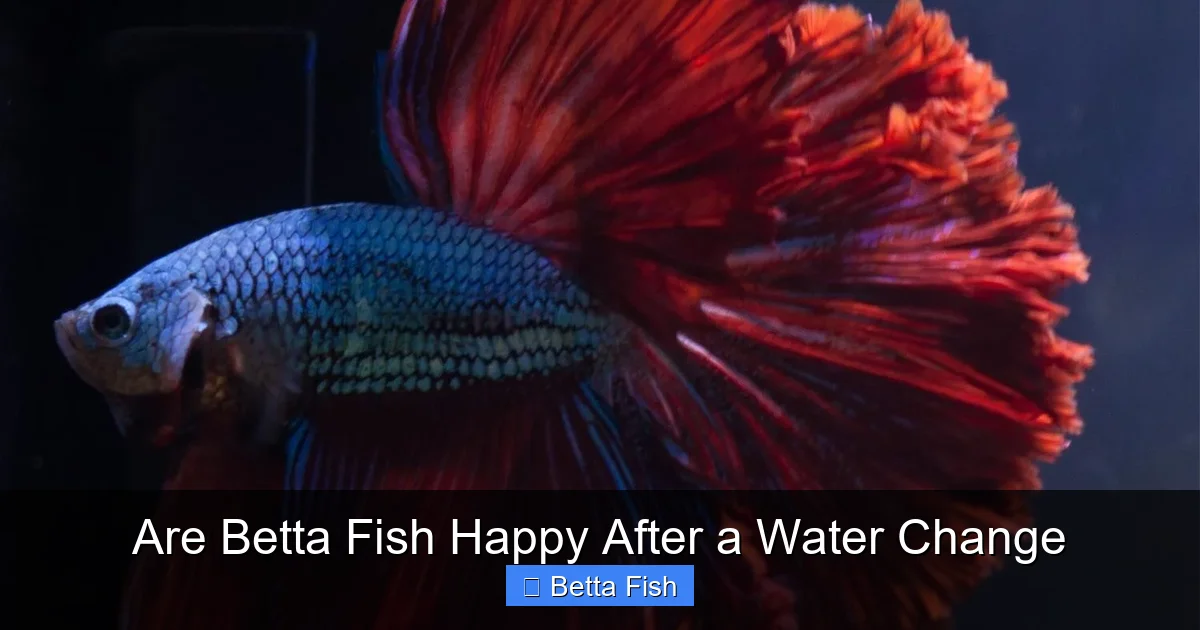
Betta happiness isn’t measured by a smile, but by observable actions:
Visual guide about Are Betta Fish Happy After a Water Change
Image source: i.redd.it
- Active swimming: Exploring the tank, visiting plants, and using the surface.
- Flaring: A brief, bright flare often means the fish feels confident.
- Color intensity: Vibrant hues usually indicate good health.
- Relaxed fins: Fins held loosely, not ragged or clamped.
Physical health markers
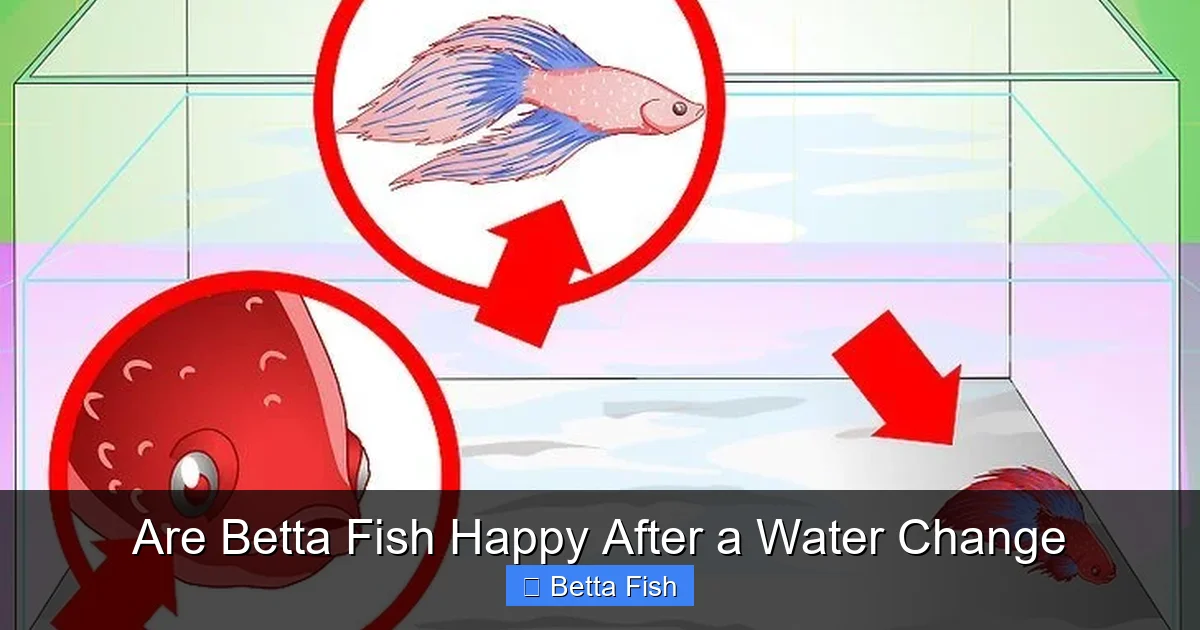
Healthy bettas have clear eyes, intact fins, and steady breathing at the surface. Any sudden change after a water swap—like rapid gulping or hiding—could signal stress.
How Water Changes Affect Betta Mood
Positive impacts
Regular water changes remove ammonia, nitrite, and excess dissolved organics. Cleaner water supports gill function and reduces the risk of disease, which directly contributes to a betta’s sense of well‑being.
Visual guide about Are Betta Fish Happy After a Water Change
Image source: wikihow.com
Potential stressors
Even a small misstep can cause a spike in stress hormones:
- Temperature shock: If the new water is too cold or warm.
- pH swing: Sudden changes in acidity/alkalinity.
- Rapid flow: Strong currents can overwhelm a betta used to calm waters.
- Improper conditioning: Chlorine or chloramine left untreated.
Understanding these factors helps you keep the answer to are betta fish happy after a water change firmly on the “yes” side.
Step‑by‑Step Guide to a Betta‑Friendly Water Change
1. Gather the right tools
Use a small siphon, a clean bucket, a water conditioner, and a thermometer. A gentle flow siphon prevents sudden currents.
Visual guide about Are Betta Fish Happy After a Water Change
Image source: wikihow.com
2. Prepare replacement water
Fill the bucket with dechlorinated water that matches the tank’s temperature (usually 78‑80°F). Check what temperature should water be for a betta fish for exact ranges.
3. Condition the water
Add the appropriate dose of water conditioner to neutralize chlorine, chloramine, and heavy metals. This step is crucial—untreated tap water can irritate betta gills.
4. Remove old water
Slowly siphon out 25‑30% of the tank’s water. Aim for the middle of the tank to avoid sucking up substrate or disturbing décor too much.
5. Introduce new water
Pour the conditioned water gently along the side of the tank. This reduces turbulence and mimics the natural flow bettas prefer.
6. Observe and adjust
Watch your betta for the next hour. A brief pause in activity is normal; a return to normal swimming within 30‑45 minutes indicates a successful change.
Helpful resource
For a visual walkthrough, see our detailed article on how to do a water change for betta fish.
Common Mistakes and How to Fix Them
Using the wrong water type
Distilled or RO water lacks essential minerals. If you must use it, re‑mineralize with a betta‑specific supplement.
Changing too much at once
Removing more than 50% can shock the fish. Stick to 25‑30% weekly unless a health issue demands a larger change.
Skipping the conditioner
Even “filtered” tap water can contain chlorine. A quick conditioner dose prevents gill irritation.
Temperature mismatch
Never add cold water straight from the tap. Use a thermometer and let the water sit to reach tank temperature.
When to Change Water: Frequency and Volume
Betta tanks (5‑10 gallons) benefit from weekly changes of 25‑30%. Smaller bowls may need a 30‑40% change every 5‑7 days, but always monitor ammonia levels.
Read more about how often to change betta fish water for detailed schedules.
Signs Your Betta Is Unhappy After a Change
Immediate red flags
- Gasping at the surface.
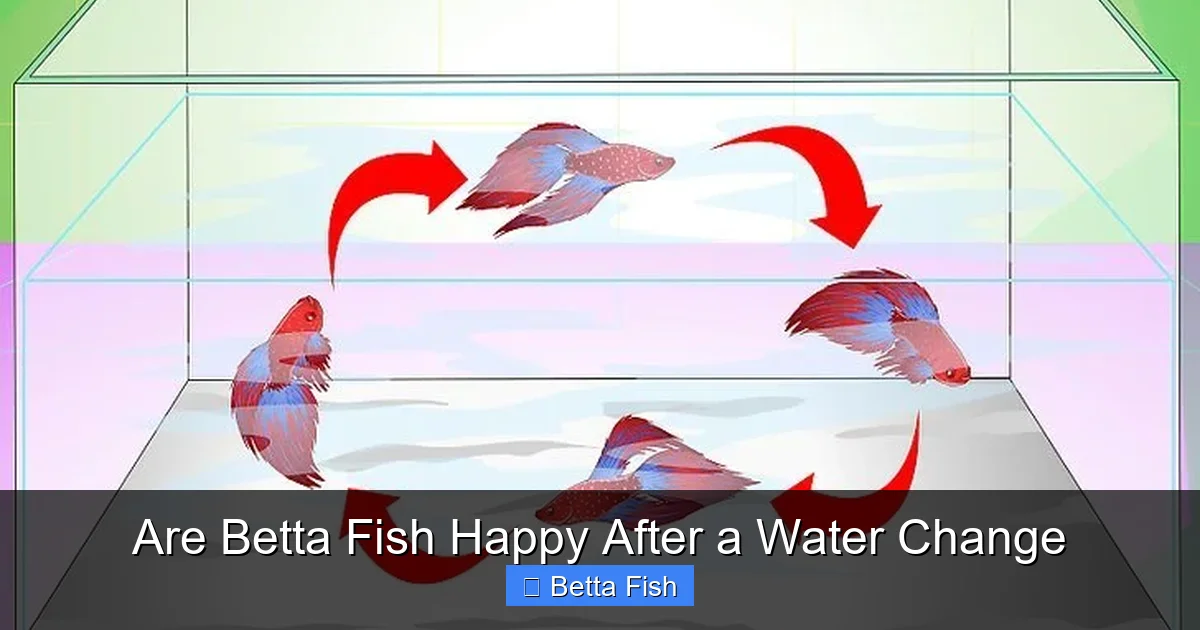
- Rapid, erratic swimming.
- Loss of color or faded fins.
- Hiding for extended periods.
What to do
If you notice any of these, check water parameters (temperature, pH, ammonia). Adjust as needed, and consider a partial water change to correct the issue.
Tips for Making Water Changes a Positive Experience
- Stay consistent: Betta fish thrive on routine.
- Use a dim light: Bright lights can startle them during a change.
- Talk softly: The gentle voice can soothe a nervous fish.
- Provide hiding spots: Plants or caves give a retreat if they feel stressed.
Conclusion: The Happy Betta Is a Healthy Betta
So, are betta fish happy after a water change? The answer is yes—when you perform the change correctly, match water parameters, and watch for positive behavior. By following the steps outlined above, you’ll create a low‑stress environment that lets your betta flaunt its colors, explore its home, and live a long, vibrant life.
Remember, a happy betta is a sign of a well‑maintained tank. Regular, gentle water swaps are one of the simplest yet most effective ways to keep your fish thriving. Happy swapping!
Frequently Asked Questions
Will a betta fish notice a water change?
Yes, bettas are sensitive to temperature and flow changes, so they notice when new water is added. A gentle swap minimizes stress.
How often should I change my betta’s water?
Generally, change 25‑30% of the water once a week. Smaller bowls may need a slightly larger percentage every 5‑7 days.
What temperature should the new water be?
The replacement water should match the tank’s temperature, typically 78‑80°F (25‑27°C). Use a thermometer to be sure.
Can I use tap water directly for a betta?
No. Tap water contains chlorine or chloramine, which must be neutralized with a conditioner before adding it to the tank.
What are signs that my betta is stressed after a water change?
Gasping, hiding, loss of color, or frantic swimming indicate stress. Check parameters and consider a partial water change.
Do betta fish need a filter if I change water regularly?
A gentle filter helps maintain water quality between changes, but regular water swaps are still essential for optimal health.

