When Betta Fish Make Bubbles

When betta fish make bubbles, they are typically building a bubble nest—a sign of health, security, and breeding readiness. This behavior is almost exclusively performed by males as part of their instinct to prepare for potential mates. Observing bubble nests is a positive indicator that your betta feels safe and has optimal water conditions, though environmental stressors can halt the activity.
Key Takeaways
- Bubble nests are natural: Bubble-blowing is an innate breeding behavior, primarily for male bettas to create a safe raft for eggs.
- It signifies a healthy, secure betta: Consistent nest-building indicates good water quality, proper temperature, and low stress.
- Males are the primary builders: While rare, some females may blow bubbles, but nest construction and maintenance are a male trait.
- Nest size and frequency vary: Factors like genetics, age, tank environment, and the presence of a female influence nest complexity.
- Do not destroy the nest: Unless medically necessary, destroying a nest causes severe stress and undermines your betta’s sense of security.
- You can encourage nesting: Provide calm surface water, optimal parameters, floating plants, and a nutritious diet to support this behavior.
- A sudden stop can signal problems: If a diligent nest-builder stops abruptly, check water quality, temperature, and for signs of illness or stress.
📑 Table of Contents
- The Mesmerizing Sight: Your Betta and the Art of Bubble-Blowing
- What Exactly Is a Betta Bubble Nest?
- The “Who” and “Why”: Decoding the Motivation Behind the Bubbles
- The Perfect Stage: Environmental Factors That Encourage Nesting
- Reading the Nest: What the Bubbles Tell You About Your Betta’s Health
- Your Role: How to Support (Or Not Interfere With) This Natural Behavior
- Frequently Asked Questions (FAQs)
The Mesmerizing Sight: Your Betta and the Art of Bubble-Blowing
There’s something uniquely captivating about watching your betta fish, with its flowing fins and vibrant colors, glide peacefully through the water. But then you notice it—a cluster of tiny, glistening bubbles gathered at the water’s surface. Your betta pauses, takes a gulp of air, and releases a stream of bubbles into the growing collection. What on earth is it doing? Is this a sign of something good, or a cause for alarm? If you’ve ever wondered when betta fish make bubbles, you’re witnessing one of the most fascinating and instinctual behaviors in the aquarium hobby: the construction of a bubble nest.
This isn’t random mischief or a sign of respiratory distress (though gulping air is normal for this labyrinth fish). Bubble-blowing is a complex, purposeful act deeply wired into the betta’s biology. It’s a project, a declaration, and a testament to the fish’s well-being all in one. Understanding this behavior transforms your perspective on your pet, moving it from a simple decoration to a creature with rich innate drives. Let’s dive deep into the bubbly world of betta fish nests, exploring the why, the how, and what it means for you as a caretaker.
What Exactly Is a Betta Bubble Nest?
A Masterpiece of Instinct and Saliva
A betta bubble nest is precisely what it sounds like: a collection of bubbles, but it’s far more sophisticated than a child’s soap bubble bath. The male betta (and very rarely a female) creates this structure by repeatedly swimming to the surface, taking a gulp of air, and then releasing it through its mouth while coating the air with a special mucus-like secretion from its gills. This secretion is the magic ingredient. It makes the bubbles more durable, cohesive, and resistant to popping. The result is a sturdy, interconnected raft or mat of bubbles that can range from a small, loose patch of a few dozen bubbles to an elaborate, sprawling structure covering a significant portion of the tank’s surface area.
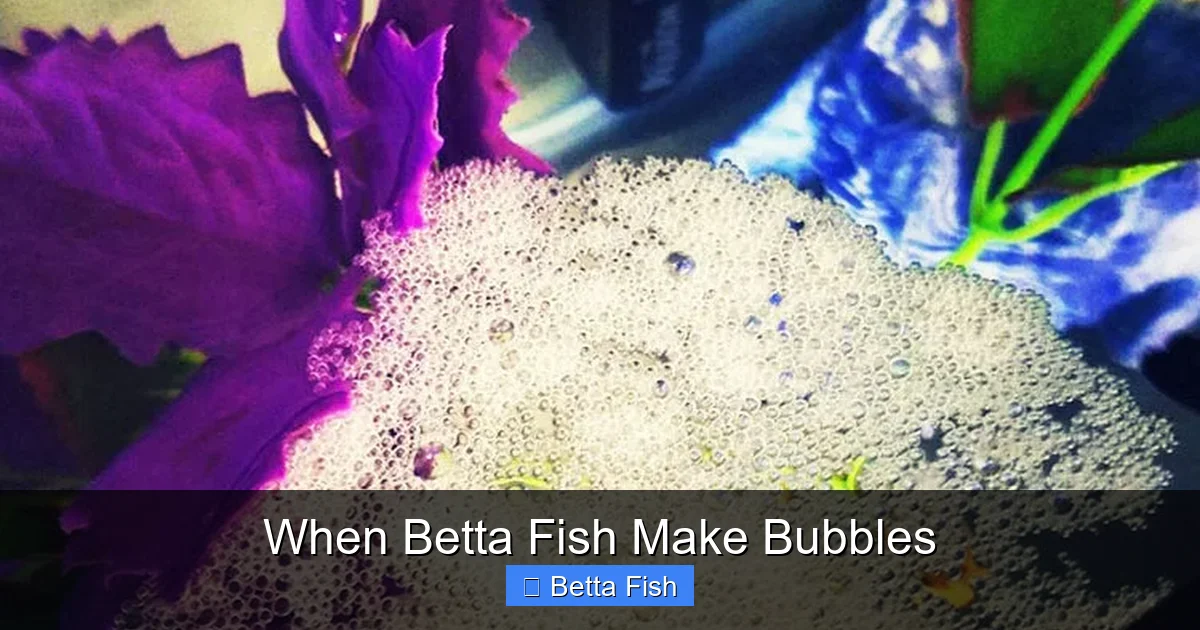
Visual guide about When Betta Fish Make Bubbles
Image source: bettafish.org
Not Just a Floating Pile
These nests aren’t haphazard. Bettas often build them in calm corners, under leaves, or around tank decorations that break the water’s surface tension. They meticulously arrange and repair their creations, adding new bubbles and patching holes. The nest’s primary evolutionary purpose is reproductive. In the wild, after the female releases eggs and the male fertilizes them, he carefully places the sticky eggs into the bubbles of the nest. The nest keeps the eggs at the oxygen-rich surface, protects them from sinking into the substrate where they might rot or be eaten, and provides a safe, aerated incubation chamber until they hatch.
The “Who” and “Why”: Decoding the Motivation Behind the Bubbles
Almost Always a Boy’s Club
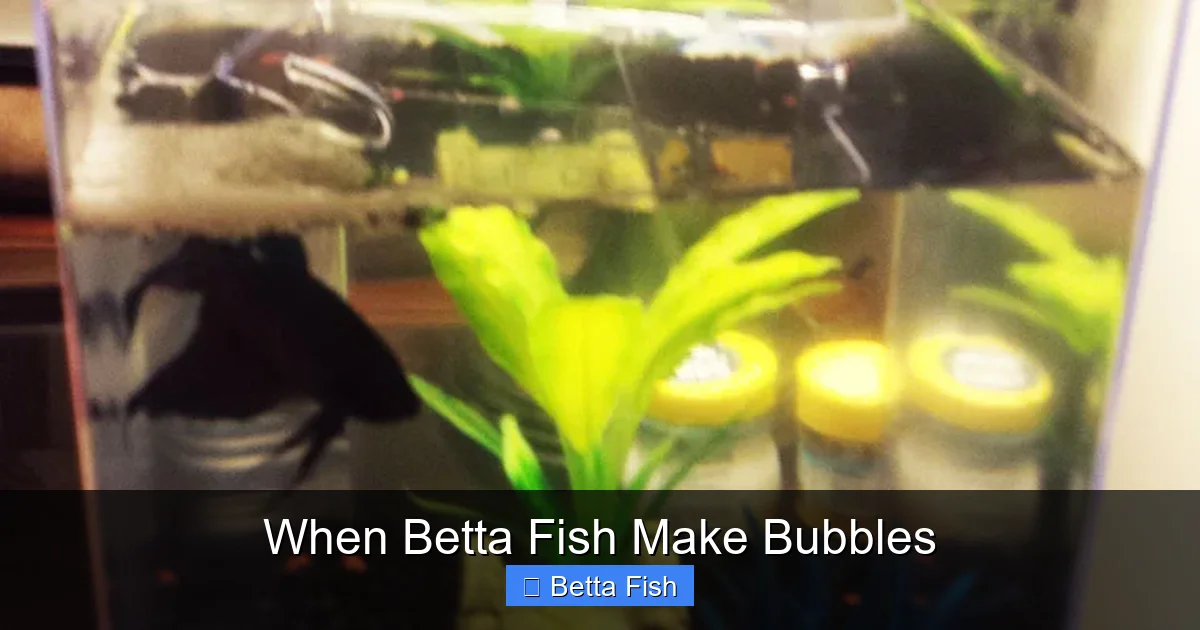
While the iconic image is of a male betta building a nest, it’s important to address the gender question. The overwhelming majority of dedicated bubble nest builders are male Siamese fighting fish. This behavior is intrinsically linked to their role in reproduction. The male is the sole guardian of the eggs and fry (baby fish), and the nest is his first tool in that critical job. A female betta, in contrast, is usually focused on selecting a mate and may even inspect or tease a male’s nest, but she will very rarely, if ever, construct one herself. There are anecdotal reports of dominant females in sorority tanks blowing small bubble patches, but this is exceptional and not considered true nest-building behavior. So, if you see bubbles, you can be 99% sure you’re watching a male betta express his fundamental nature.
Visual guide about When Betta Fish Make Bubbles
Image source: bettafish.org
The Prime Motivators: Security and Readiness
Why does a male betta build a nest even when there’s no female in sight? This is the key to understanding when betta fish make bubbles. The nest-building impulse is triggered by a combination of internal and external cues:
- Optimal Environmental Conditions: This is the most critical factor. A betta will not invest energy in building if it feels threatened or its environment is subpar. Ideal, stable water temperature (78-80°F or 25-27°C), clean water, and calm surface conditions are prerequisites. The nest is a betta’s vote of confidence in its home.
- Hormonal Drive: Even without a female present, a healthy, mature male has cycling hormones that encourage nest-building as a preparatory behavior. It’s like a bird building a nest in spring whether a mate is immediately available or not.
- Abundance of Food: A well-fed betta with a nutritious diet has the energy reserves to dedicate to this energetically costly activity.
- Sense of Security: The betta must feel that its territory is safe from perceived threats. This includes the absence of aggressive tank mates, minimal reflections (which they see as rival males), and a tank with hiding spots and visual barriers.
In essence, a bubble nest is a multi-faceted signal. It says, “I am healthy, my world is stable, and I am ready to propagate my genes if the opportunity arises.”
The Perfect Stage: Environmental Factors That Encourage Nesting
Water Parameters: The Non-Negotiable Foundation
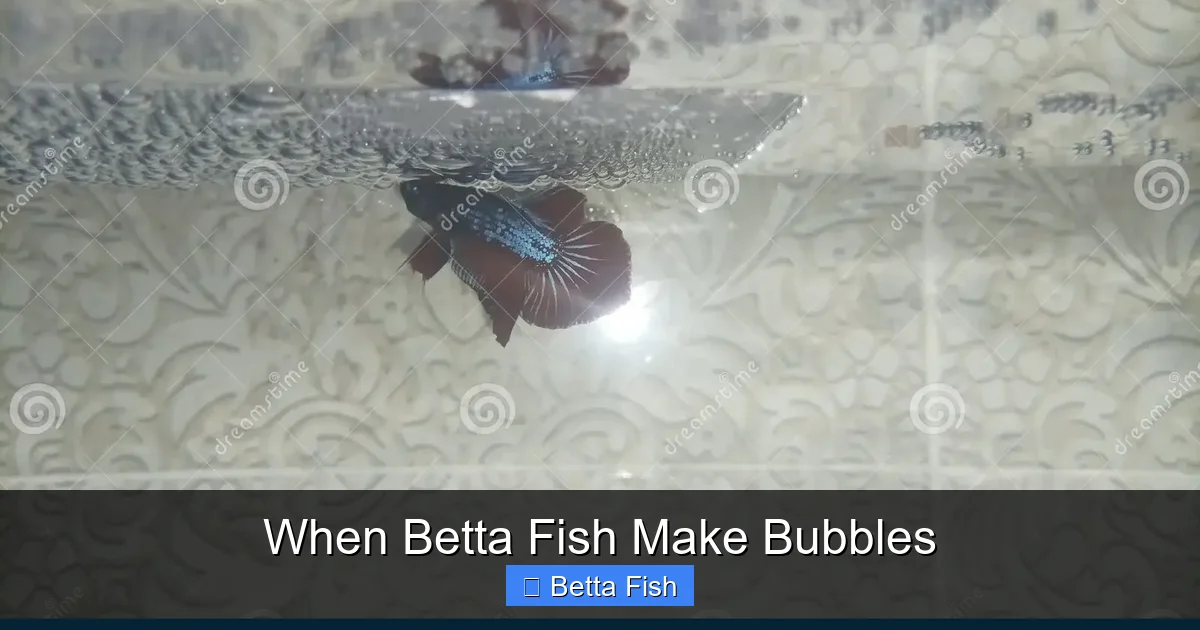
You cannot overstate the importance of water quality. Ammonia or nitrite spikes, high nitrate levels, or wildly fluctuating pH will stress a betta and immediately halt any nest-building activity. A stable, cycled tank with regular water changes (25-30% weekly) is the single most important thing you can provide. Use a reliable test kit to monitor parameters. The ideal range for a betta is: Ammonia/Nitrite = 0 ppm, Nitrate < 20 ppm, pH 6.5-7.5. Consistency is more important than hitting an exact number.
Visual guide about When Betta Fish Make Bubbles
Image source: thumbs.dreamstime.com
Temperature and Surface Calm
As tropical fish, bettas require warmth. The optimal temperature range for activity, including nesting, is 78-80°F (25-27°C). A heater with a reliable thermostat is essential. Crucially, the water surface must be calm. Strong filtration or aeration (like a bubble wand or power filter output that agitates the surface) will destroy nascent bubbles and make construction impossible. Use a sponge filter (which releases bubbles underwater) or adjust your filter’s flow so it doesn’t disrupt the surface. This calm surface is also why bettas are notorious jumpers—they need access to that atmospheric air layer.
Tank Setup: Providing the Right Materials
In the wild, bettas anchor their nests to floating plants, leaves, or debris. Replicate this in your aquarium! Floating plants like Salvinia molesta, Duckweed, or Amazon Frogbit are absolutely ideal. Their roots dangle just below the surface, providing the perfect anchor points for bubbles and breaking surface tension. Even a smooth, artificial plant leaf or a piece of vertically-oriented decor that breaks the surface can be used. Providing these “building materials” dramatically increases the likelihood and size of a nest. A bare tank with a strong surface current will almost never see a nest.
Reading the Nest: What the Bubbles Tell You About Your Betta’s Health
The Healthy, Happy Indicator
When your male betta is consistently building or maintaining a bubble nest, it is one of the most reliable, non-invasive health assessments you can get. It means:
- Water quality is excellent. His gills are functioning well, and he’s not suffering from toxic exposure.
- He is free from significant stress. No bullying tank mates, no scary reflections, no sudden noises or vibrations.
- He is well-nourished. He has the energy to spare for this non-survival activity.
- He is comfortable in his territory. He knows his tank’s layout and feels in control of his environment.
A robust, regularly refreshed bubble nest is a visual hallmark of a thriving betta. It’s a behavior that requires a baseline of wellness, making it a fantastic proactive monitoring tool.
The Warning Signs: When Nesting Stops or Changes
The absence of a nest isn’t always a red flag—some individual bettas are simply less enthusiastic builders. However, a sudden and complete cessation of nest-building activity in a fish that was previously diligent is a major red flag. It’s often the first, subtle sign of a problem before outward signs of illness appear. You must immediately check:
- Water parameters. Did a recent water change use water that wasn’t properly conditioned or at the wrong temperature? Is your filter clogged?
- Temperature. Has your heater failed or been unplugged?
- New stressors. Did you add a new tank mate? Move the tank? Change the lighting? Introduce a reflective surface?
- Early signs of disease. Look closely for clamped fins, slight discoloration, lethargy, or loss of appetite.
Addressing the cause and restoring optimal conditions will often see the nest-building resume, a clear sign your betta is recovering.
Your Role: How to Support (Or Not Interfere With) This Natural Behavior
The Golden Rule: Do Not Destroy the Nest
This cannot be stressed enough. To a betta, its bubble nest is a major investment and a core part of its identity. Destroying it—whether out of curiosity, to “clean the tank,” or because you think it’s messy—is a profound act of stress and violence from the betta’s perspective. It can lead to:
- Extreme anxiety and frantic rebuilding (wasting precious energy).
- Loss of appetite.
- Aggression or depression (floating listlessly).
- A complete cessation of nesting behavior for a long period, if not permanently.
The only acceptable reasons to disrupt a nest are for absolute medical necessity, such as performing a critical treatment that requires removing all surface debris, and even then, it should be a last resort. Plan tank cleanings around the nest, working around it. If you must remove it for some reason (e.g., it’s clogging a filter intake), do so slowly and in stages over a few days, and be prepared for your betta to be upset.
How to Encourage Nesting (If That’s Your Goal)
If you want to see this beautiful behavior, create the perfect conditions:
- Perfect the Basics: Maintain impeccable water quality and stable, warm temperature. This is 80% of the battle.
- Add Floating Vegetation: This is the single best encouragement. A few strands of Java Moss (which floats readily) or dedicated floating plants give your betta the “building site” it craves.
- Ensure a Calm Surface: Use a filter with an adjustable flow, a sponge filter, or baffle your filter’s output with a sponge or filter floss to eliminate surface agitation.
- Provide a High-Quality Diet: Feed a variety of high-protein foods: quality pellets, frozen or live daphnia, bloodworms, or brine shrimp. Good nutrition fuels the nest-building process.
- Minimize Stressors: Keep the tank in a quiet location, avoid sudden movements near the glass, and use a solid tank lid (bettas jump!) to block reflections from overhead lights.
Remember, some bettas are just not prolific nesters. Don’t take it personally if your particular fish shows little interest, as long as it is otherwise healthy and active.
Frequently Asked Questions (FAQs)
Why does my male betta make bubbles but no real nest?
This is common, especially in new environments or with younger fish. It might be practicing, responding to minor environmental cues, or starting a nest that gets disrupted by slight surface movement. Ensure surface calm is perfect and provide floating plants as an anchor. Some bettas are also just “lazy” nesters, making only a small, intermittent bubble patch.
How often should a healthy betta rebuild or maintain its bubble nest?
There’s no set schedule. A dedicated male will often maintain his nest daily, adding fresh bubbles and repairing holes, especially in the morning. He might completely rebuild a nest every few weeks or after any major disruption. Consistent, small maintenance is a great sign of ongoing health and security.
Can a female betta make a bubble nest?
Can a female betta make a bubble nest?
True, dedicated bubble nest-building is a near-exclusively male trait. Very rarely, a dominant female in a stable sorority tank might blow a few bubbles, but she will not construct, maintain, or defend a proper nest structure. If you see a robust nest, you have a male.
What does it mean if my betta suddenly stops building its bubble nest?
This is your primary alert signal. Immediately and systematically check all water parameters (ammonia, nitrite, nitrate, pH, temperature), inspect for signs of illness (clamped fins, spots, lethargy), and consider any recent changes to the tank (new fish, new decor, different lighting, filter maintenance). The cause is almost always a decline in water quality, a temperature drop, or a new stressor.
Should I ever intentionally destroy my betta’s bubble nest?
No. Forcing a betta to rebuild its nest is a severe stressor that wastes its energy and undermines its sense of safety. The only exception is if a veterinarian-prescribed medical treatment absolutely requires a completely clean water surface, and even then, it should be a last-resort decision made with professional guidance. Never destroy it out of convenience or aesthetics.
My betta has a bubble nest but no female. Is this normal?
Absolutely. This is the most common scenario. The nest-building instinct is driven by internal hormones and favorable environmental conditions, not by the immediate presence of a mate. It’s a betta’s way of being “prepared.” It indicates he is a healthy, confident male in a good home.
Frequently Asked Questions
What is when betta fish make bubbles?
when betta fish make bubbles is an important topic with many practical applications.