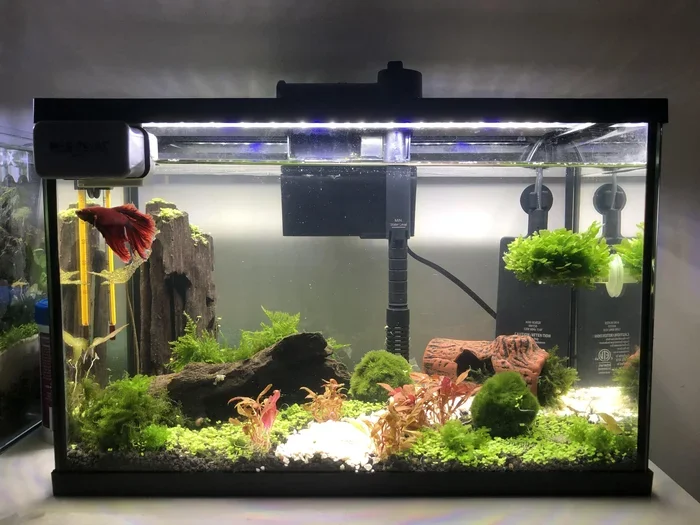
Is a Fish Dimmer Better to Not Shock Your Fish

A fish dimmer helps regulate aquarium lighting and can prevent your fish from getting shocked by sudden brightness changes. Using a dimmer creates a more natural environment that reduces stress and keeps your betta fish healthy and happy.
Have you ever walked into a room and flipped the light switch on full blast? It hurts your eyes for a second, right? Now imagine that happening to a fish every time you turn on the tank light. That is exactly the kind of fish shock a fish dimmer helps prevent. If you own a betta fish or any other aquarium pet, understanding how light affects them is one of the most overlooked parts of fish care.
A fish dimmer is a simple device that lets you control the brightness of your aquarium light. Instead of going from zero to full power instantly, you can ease your fish into their daily lighting routine. This small change can make a huge difference in your fish tank environment. In this guide, we will walk through everything you need to know about using a dimmer to protect your fish from light-related stress.
Key Takeaways
- A fish dimmer controls light intensity: It helps you adjust brightness gradually so fish are not startled by sudden changes.
- Sudden light changes cause fish shock: Fish experience stress when aquarium lighting shifts too quickly.
- Betta fish benefit most from dimmers: Their natural habitat has soft, filtered light that a dimmer can replicate.
- Not all dimmers are the same: Look for dimmers compatible with your LED or fluorescent setup.
- Proper use prevents fish stress: A dimmer supports healthy fish behavior, sleep cycles, and overall well-being.
- Installation is simple: Most dimmers plug in between your light source and the power outlet.
📑 Table of Contents
What Is a Fish Dimmer and How Does It Work?
A fish dimmer is an electrical device that sits between your aquarium light and the power source. It adjusts the amount of electricity flowing to the light, which controls how bright or dim the aquarium lighting gets. Think of it like a volume knob for your tank light.
Most dimmers work with LED lights, which are the most common type of LED light setups in home aquariums. Some models also work with fluorescent bulbs, but you need to check compatibility before buying. The best aquarium dimmer options let you set a schedule or manually adjust brightness throughout the day.
Types of Fish Dimmers
Not all dimmers are built the same way. Here is a quick look at the most common types you will find on the market:
- Inline dimmers: These plug in between the wall outlet and the light fixture. They are simple and affordable.
- Smart dimmers: These connect to your phone or smart home system. You can set timers and adjust brightness from anywhere.
- Built-in dimmers: Some aquarium lights come with dimming features already built into the fixture.
- Analog dimmers: These use a simple dial or slider to control brightness. They are easy to use but lack advanced features.
Each type has its own benefits. If you want simplicity, an inline or analog dimmer works great. If you want more control, a smart dimmer is the way to go. The key is finding one that fits your tank setup and budget.
Why Fish Get Shocked by Aquarium Lighting
Fish do not have eyelids the way humans do. Their eyes are always open, which means they are constantly taking in light. In the wild, light intensity in rivers, streams, and lakes changes slowly throughout the day. Sunlight filters through water, plants, and debris before reaching the bottom.
In a home aquarium, the light can go from completely off to blindingly bright in less than a second. That sudden shift triggers a stress response in most fish species. This is what people mean when they say a fish gets “shocked” by light.
Signs Your Fish Are Being Shocked by Light
It is not always obvious that your fish are struggling with light intensity. Watch for these warning signs:
- Fish darting around the tank suddenly after the light turns on
- Fish hiding behind decorations or near the substrate
- Loss of color or fading of the fish’s natural hues
- Rapid gill movement or heavy breathing
- Refusing to eat shortly after the lights come on
If you notice any of these signs, your aquarium lighting might be too harsh or changing too quickly. A fish dimmer can help solve this problem by creating a more gradual brightness adjustment.
Is a Fish Dimmer Better for Your Betta Fish?
Betta fish are native to the warm, slow-moving waters of Southeast Asia. In their natural habitat, the light is soft and filtered through dense vegetation and leaf litter. They are not used to bright, direct light. This makes them especially sensitive to sudden changes in aquarium lighting.
Using a fish dimmer with a betta tank can help replicate the gentle light conditions of their natural environment. Many betta owners report that their fish become more active and display brighter colors when the light is adjusted gradually. It also helps with their circadian rhythm, which is the internal clock that tells fish when to sleep and when to be active.
How Light Affects Betta Fish Behavior
Light plays a bigger role in your betta’s life than most people realize. Here is how it affects them:
- Sleep quality: Betta fish need a period of darkness to rest properly. A dimmer lets you fade the light out slowly instead of flipping it off suddenly.
- Color display: Bettas often show their best colors when they feel safe and comfortable. Harsh light can cause them to fade or hide.
- Feeding habits: Bettas are more willing to eat when they feel secure. Gradual lighting helps them feel calm before and during feeding time.
- Stress levels: Constant bright light or sudden flashes can lead to chronic fish stress, which weakens the immune system over time.
If you want to keep your betta happy and healthy, a fish dimmer is one of the simplest upgrades you can make. It pairs well with a good tank setup that includes plants, hiding spots, and a comfortable water temperature. To learn more about keeping your betta comfortable, check out our guide on how to know if your betta fish is happy.
How to Choose the Right Fish Dimmer
Not every dimmer is a good fit for every tank. Choosing the right one depends on several factors, including the type of light you use, the size of your tank, and how much control you want.
Things to Look For
- Compatibility: Make sure the dimmer works with your specific light type. LED dimmers are different from fluorescent dimmers.
- Wattage range: Check that the dimmer supports the wattage of your aquarium light. Using the wrong one can damage your equipment.
- Timer features: A built-in timer lets you automate the light cycle so you do not have to adjust it manually every day.
- Smooth adjustment: Look for dimmers that offer a smooth, gradual fade rather than abrupt jumps in brightness.
- Build quality: Aquarium environments are humid, so choose a dimmer with waterproof or water-resistant housing.
Budget vs. Premium Options
You can find basic inline dimmers for under $20. These work well for simple setups. Smart dimmers with app control and scheduling can cost $50 or more. If you have a planted tank or a sensitive species like a betta, the extra investment in a quality aquarium dimmer is worth it. For more tips on creating the ideal environment for your betta, read our article on how to grow a bond with your betta fish.
Common Mistakes When Using Aquarium Dimmer
Even with the best fish dimmer, mistakes can happen. Here are the most common ones and how to avoid them.
1. Setting the Light Too Bright for Too Long
Just because your dimmer can go up to full brightness does not mean you should keep it there. Most freshwater fish, including bettas, do well with 8 to 10 hours of moderate light per day. Anything beyond that can encourage algae growth and stress your fish.
2. Skipping the Gradual Fade
The whole point of a dimmer is to create smooth transitions. If you flip the switch from dim to bright instantly, you are not really getting the full benefit. Always use the fade-in and fade-out features if your dimmer has them.
3. Ignoring the Light Spectrum
A dimmer controls brightness, but it does not change the color spectrum of the light. Some LED lights emit wavelengths that are too blue or too white for tropical fish. Pairing a dimmer with a full-spectrum light that mimics natural sunlight gives your fish the best of both worlds.
4. Using a Dimmer with the Wrong Light Type
Not all dimmers work with all lights. Plugging an incompatible dimmer into a light fixture can cause flickering, reduced bulb life, or even electrical hazards. Always double-check the manufacturer’s recommendations before connecting anything.
5. Forgetting to Maintain the Dimmer
Like any electrical device, a fish dimmer can wear out over time. Check the connections periodically and clean any dust from the unit. If you notice flickering or inconsistent brightness, it might be time to replace the dimmer.
When things do go wrong, it is important to know how to respond. If your fish show signs of distress, check your water temperature and lighting first. For more information on helping stressed or sick fish, visit our guide on how to help a betta fish that is sick.
Expert Tips for Using a Fish Dimmer Effectively
Getting the most out of your fish dimmer comes down to a few smart habits. Here are some tips from experienced aquarists:
- Start low and go slow. When you first set up the dimmer, begin at a low brightness level and increase it over several days. This lets your fish adjust to the new light intensity without stress.
- Mimic a natural day-night cycle. Aim for 8 to 10 hours of light followed by 12 to 14 hours of darkness. Use the dimmer’s timer to automate this schedule.
- Observe your fish daily. Watch how your fish behave when the lights turn on and off. Healthy fish should move calmly, not dart or hide.
- Pair the dimmer with live plants. Plants help filter the light naturally and create a more comfortable aquarium environment for your fish.
- Clean your light fixtures regularly. Dust and algae buildup on the light fixture can create uneven brightness, which defeats the purpose of using a dimmer.
For general betta care tips that go beyond lighting, check out our guide on a comprehensive guide to feeding your betta fish. A well-fed, well-rested fish is a fish that thrives under any lighting setup.
Final Thoughts
A fish dimmer is one of the simplest and most affordable upgrades you can make to improve your aquarium. It protects your fish from light shock, supports healthy fish behavior, and creates a more natural environment that mimics what fish would experience in the wild. Whether you own a single betta or a community tank, a dimmer is a worthwhile investment.
The key is to choose the right dimmer for your setup, use it consistently, and pay attention to how your fish respond. With the right approach, you will notice calmer fish, better colors, and a more enjoyable aquarium experience. Remember, your fish cannot tell you when the light is too harsh. It is up to you to make their world comfortable, and a fish dimmer gives you the tool to do exactly that.
Take the time today to evaluate your current lighting setup. If you are flipping a switch and going from dark to bright in an instant, your fish would thank you for making the switch to a dimmer. Your fish tank will look better, and your fish will feel better too.
Frequently Asked Questions
Can a fish dimmer really prevent fish shock?
Yes, a fish dimmer can significantly reduce fish shock by allowing you to adjust light brightness gradually. Instead of sudden changes, the dimmer creates a smooth transition that mimics natural lighting conditions. This helps keep your fish calm and stress-free.
Do betta fish need a dimmer more than other fish?
Betta fish are particularly sensitive to bright and sudden light because of their natural habitat in shaded, slow-moving waters. While many fish benefit from a dimmer, bettas tend to respond the most positively to gradual brightness adjustment. However, any fish species can benefit from softer lighting transitions.
Can I use a fish dimmer with any aquarium light?
Most dimmers work with LED and fluorescent lights, but compatibility varies by model. Always check the product specifications to ensure the dimmer matches your light type and wattage. Using the wrong dimmer can damage your light or create inconsistent performance.
How many hours a day should I run my fish dimmer?
Aim for 8 to 10 hours of light per day, followed by 12 to 14 hours of darkness. This mimics a natural day-night cycle and supports your fish’s circadian rhythm. Using a dimmer with a built-in timer makes this easy to maintain without manual adjustments.
Is a fish dimmer expensive?
Basic inline dimmers are very affordable, often costing under $20. Smart dimmers with advanced features can range from $30 to $80 or more. Considering the benefits to your fish’s health and comfort, the cost is a small price to pay for a better aquarium environment.
Will a fish dimmer help with algae growth in my tank?
Yes, indirectly. By controlling the duration and intensity of light, a dimmer helps limit the amount of light available for algae to thrive. Combined with proper feeding and regular water changes, using a dimmer can be an effective part of your algae management strategy. For more on maintaining a healthy tank, see our guide on do betta fish have to be in a filtered tank.