Betta fish can live with other species, but success depends on tank size, temperament, and careful selection. Choosing peaceful, non‑fin‑nipping tank mates and providing plenty of hiding spots greatly increases harmony.
Key Takeaways
- Tank size matters: A minimum of 20 gallons gives bettas room to establish territories.
- Choose peaceful, fast‑moving fish: Species like neon tetras and rasboras are less likely to provoke aggression.
- Avoid fin‑nippers: Corydoras, loaches, and other bottom dwellers with soft fins can become snack for a curious betta.
- Male vs. female bettas: Males are more territorial; females can tolerate slightly more active communities.
- Provide plenty of plants and decorations: Hiding places reduce stress and give each fish its own space.
- Monitor behavior daily: Early signs of stress or aggression should trigger a quick re‑arrangement.
- Research each species: Use reputable sources like our guide on what fish are compatible with betta fish before adding any new tank mate.
📑 Table of Contents
Introduction: The Big Question
If you’ve ever set up a beautiful betta tank, you’ve probably wondered, are any fish compatible with bettas? Bettas (Betta splendens) are famous for their vivid colors and dramatic flares, but they also have a reputation for being aggressive, especially males. That reputation can make community‑tank decisions feel risky.
Good news: many hobbyists successfully keep bettas with other peaceful fish. The key is understanding the betta’s natural behavior, providing enough space, and picking the right companions. In this guide we’ll walk through the science, share real‑world examples, and give you a step‑by‑step plan to create a harmonious aquarium.
Understanding Betta Temperament
Why Bettas Can Be Aggressive
Bettas are native to shallow, slow‑moving rice paddies in Southeast Asia. In the wild they defend small territories and often fight other males for breeding rights. This territorial instinct is still strong in captivity, especially in cramped environments.

Visual guide about Are Any Fish Compatible with Bettas
Image source: articles.hepper.com
Male vs. Female Differences
Male bettas are the classic “fighting fish” and will flare at any perceived intruder that resembles another male, including bright‑colored fish with flowing fins. Females are generally less aggressive, but they can still become territorial if the tank is too small or if they feel crowded.
Activity Patterns
Bettas are most active during dawn and dusk, but they also enjoy short bursts of play throughout the day. Knowing when your betta is at its most energetic helps you plan feeding and tank cleaning without disturbing them.
Essential Tank Requirements
Size and Layout
A 5‑gallon tank is the minimum for a single betta, but when you add companions you should aim for at least 20 gallons. This extra space allows each fish to claim its own micro‑territory and reduces the chance of constant visual contact, which can trigger aggression.
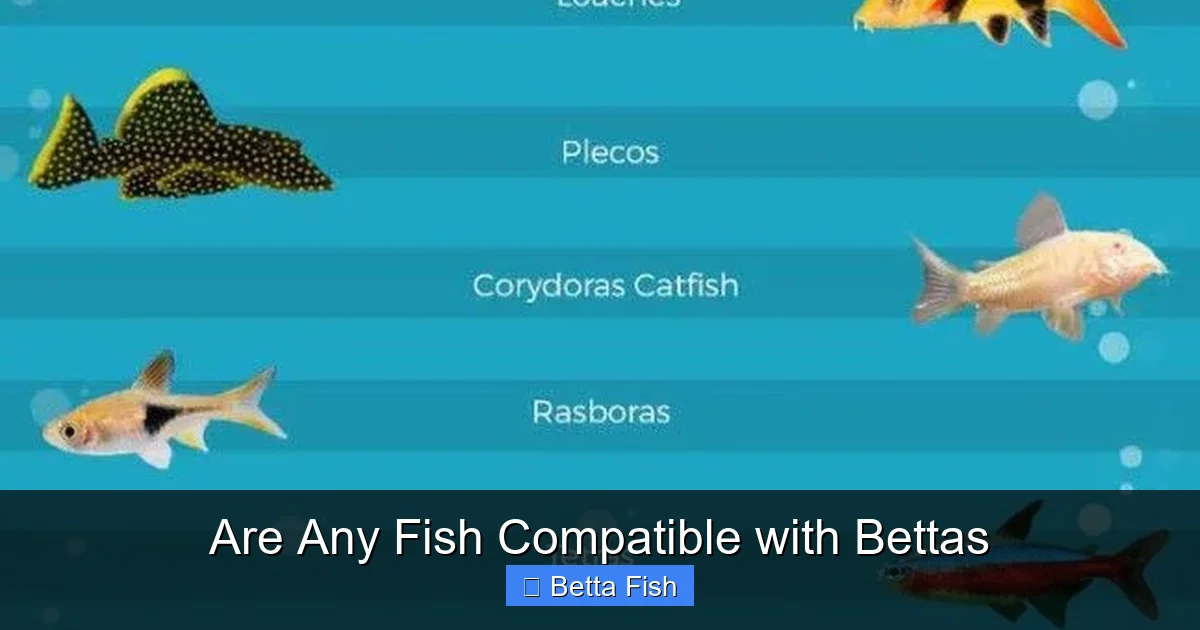
Visual guide about Are Any Fish Compatible with Bettas
Image source: i.pinimg.com
Filtration and Water Quality
Betta fish can tolerate lower oxygen levels because they have a labyrinth organ, but all community tanks need reliable filtration. A gentle sponge filter works well – it provides water movement without creating strong currents that stress bettas.
Plants, Hiding Spots, and Substrate
Live plants such as Java fern, Anubias, and floating moss create natural barriers. Add driftwood, caves, and smooth rocks to give shy tank mates places to hide. A fine sand or smooth gravel substrate prevents injuries to delicate fins.
Top Fish Species That Get Along With Bettas
Below are the most reliable candidates. Each entry includes size, temperament, and a quick tip for success.

Visual guide about Are Any Fish Compatible with Bettas
Image source: petshun.com
Neon Tetra (Paracheirodon innesi)
- Size: 1.5 inches
- Temperament: Peaceful, schooling
- Why they work: Their quick movements and small size make them less interesting to a betta’s predatory instincts.
Tip: Keep a school of at least six neon tetras to reduce stress and keep them away from the betta’s line of sight.
Harlequin Rasbora (Trigonostigma heteromorpha)
- Size: 1.5 inches
- Temperament: Active, non‑aggressive
- Why they work: Their silvery bodies reflect light, confusing the betta and preventing it from targeting them.
Tip: Provide plenty of vertical plants so the rasboras can swim near the surface out of the betta’s reach.
Kuhli Loach (Pangio kuhlii)
- Size: 4‑5 inches
- Temperament: Calm, bottom‑dwelling
- Why they work: They stay at the bottom and are covered in slime, making them less tempting as a snack.
Tip: Use smooth rocks and sand; avoid sharp décor that could injure the loach’s delicate skin.
Otocinclus Catfish (Otocinclus sp.)
- Size: 1‑1.5 inches
- Temperament: Shy, algae‑eaters
- Why they work: Their tiny size and bottom‑dwelling habit keep them out of the betta’s line of sight.
Tip: Keep a group of three to five; they are social and will be more confident together.
Pea Puffer (Carinotetraodon travancoricus)
- Size: 1‑1.5 inches
- Temperament: Curious but can be territorial
- Why they work: In a well‑planted tank, they occupy the mid‑water and can coexist if the betta is not overly aggressive.
Tip: Provide plenty of hiding spots; if aggression appears, be ready to separate them.
Why Some Popular Fish Are a Bad Idea
Species such as guppies, mollies, and fancy goldfish have long, flowing fins that attract a betta’s attention and often become targets for nipping. Likewise, bottom dwellers like Corydoras have soft fins that can be bitten. Avoid any fish that are known fin‑nippers or that grow larger than the betta.
Step‑by‑Step Guide to Introducing New Fish
1. Quarantine New Arrivals
Always quarantine any new fish for at least two weeks. This prevents the spread of disease to your established betta.
2. Test Water Parameters
Match the temperature (78‑80 °F), pH (6.5‑7.5), and hardness of the betta’s tank. Sudden changes can stress both the betta and the newcomers.
3. Use a “Gentle Introduction” Method
Place the new fish in a small bag with tank water and float it on the surface for 15‑30 minutes to equalize temperature. Then, slowly add a cup of tank water to the bag every 5 minutes for another 30 minutes.
4. Rearrange Decorations
Before releasing the new fish, move rocks, plants, and driftwood to break up established territories. This reduces the chance that the betta will see the newcomer as an intruder.
5. Observe and Adjust
Watch the first 24‑48 hours closely. If the betta flares continuously, consider a taller tank divider or a separate quarantine tank for the new fish.
Common Mistakes and How to Avoid Them
Overcrowding
Adding too many fish to a small tank overwhelms the betta and leads to constant stress. Stick to the rule of one inch of fish per gallon, and always leave extra room for swimming.
Ignoring Water Quality
Even hardy fish suffer if ammonia spikes. Test weekly and perform 25‑30% water changes to keep parameters stable.
Choosing the Wrong Species
Brightly colored, long‑fin fish are a magnet for a betta’s aggression. Refer to our article on which fish are good with bettas for a full list of safe options.
Not Providing Hiding Places
A betta without places to retreat can become hyper‑aggressive. Live plants, caves, and vertical structures are essential.
Conclusion: Yes, You Can Have a Community Betta Tank
Answering the question, are any fish compatible with bettas, the short answer is “yes—if you choose wisely.” By respecting the betta’s territorial nature, providing ample space, and selecting peaceful, non‑fin‑nipping tank mates, you can enjoy a vibrant, interactive aquarium that showcases the best of both worlds.
Remember to monitor behavior daily, keep water conditions optimal, and be ready to make adjustments. With patience and the right partners, your betta can become the star of a thriving community tank.
Frequently Asked Questions
Can a male betta live with other fish?
Yes, but only in a spacious tank (20 gallons or more) with peaceful, fast‑moving species that won’t trigger his territorial instincts.
Are female bettas more tolerant of tank mates?
Female bettas are generally less aggressive than males, making them a better choice for community setups, though they still need plenty of space.
What is the safest tank size for a betta community?
A minimum of 20 gallons is recommended when adding any other fish, as it provides enough room for territories and hiding spots.
Should I keep bettas with goldfish?
No. Goldfish produce a lot of waste, require cooler water, and have long fins that can be nipped by a betta.
Can I add live plants to a betta tank?
Absolutely. Live plants improve water quality, create natural barriers, and reduce stress for both bettas and their tank mates.
How do I know if my betta is stressed?
Signs of stress include constant flaring, hiding all day, loss of color, and rapid gill movement. If you see these, check water parameters and consider re‑arranging the tank.


