How Many Times Do Betta Fish Breed
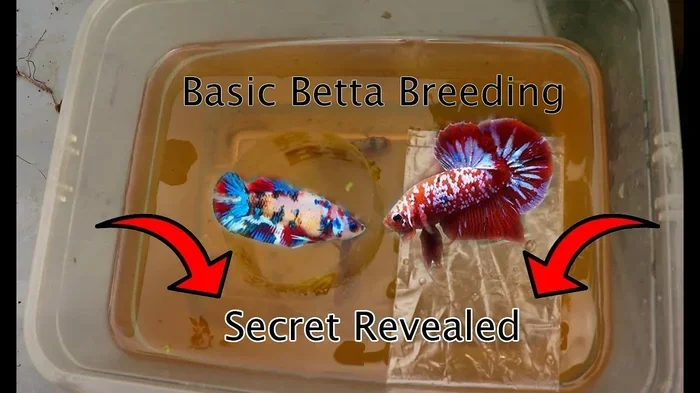
Betta fish can breed multiple times a year under the right conditions, but responsible breeders limit spawning to every few weeks. Understanding how many times betta fish breed helps you keep your fish healthy and prevent stress. This guide covers breeding frequency, tank setup, and expert tips for successful betta reproduction.
Key Takeaways
- Betta fish can breed every 2 to 4 weeks if conditions are optimal and the fish are healthy.
- A single breeding session can produce 100 to 500 eggs, depending on the female’s size and health.
- Overbreeding causes serious health problems for both male and female bettas, including exhaustion and disease.
- Tank conditions like temperature, water quality, and space directly impact how often bettas will breed.
- Rest periods between breeding cycles are essential for the female betta to recover and produce healthy eggs.
- Knowing how old betta fish should be to breed ensures you start with mature, healthy fish for the best results.
📑 Table of Contents
- Why Betta Fish Breeding Frequency Matters
- How Many Times Do Betta Fish Breed in a Year?
- What Affects How Often Betta Fish Breed?
- Can You Breed Betta Fish Too Often?
- Tips for Responsible Betta Fish Breeding
- Common Mistakes to Avoid When Breeding Betta Fish
- Expert Insights on Betta Fish Breeding Frequency
- Conclusion
Why Betta Fish Breeding Frequency Matters
Betta fish are some of the most beautiful and popular pets in the aquarium world. Their vibrant colors and flowing fins capture attention instantly. But many fish owners wonder about betta fish breeding frequency and how often these fish can actually reproduce.
The answer is not as simple as a single number. How many times do betta fish breed depends on several factors. These include the fish’s age, health, tank conditions, and how well you manage the breeding process. Let us break it all down for you.
Breeding betta fish can be a rewarding experience. But it also comes with responsibility. If you breed your fish too often, you risk harming them. Understanding the right breeding schedule keeps your bettas happy and healthy for years to come.
In this article, we will cover everything you need to know about betta fish breeding frequency. We will look at how often bettas spawn, what affects their breeding cycle, and how to set up a proper breeding tank. By the end, you will have a clear picture of what to expect.
How Many Times Do Betta Fish Breed in a Year?
Under ideal conditions, a healthy pair of betta fish can breed every 2 to 4 weeks. This means a single breeding pair could produce eggs 10 to 15 times per year. However, this does not mean you should allow them to breed that often.
In the wild, betta fish breed during the warm and rainy seasons. Their natural betta fish breeding cycle is tied to environmental cues. In captivity, we can control those cues, which sometimes leads to more frequent breeding than nature intended.
Most experienced breeders recommend limiting breeding to every 4 to 6 weeks. This gives the female time to recover and rebuild her egg supply. It also reduces stress on both fish, which is critical for long-term health.
The Spawning Process and Egg Production
Each time a female betta breeds, she can release 100 to 500 eggs per spawn. The number depends on her size, age, and overall health. Larger, well-fed females tend to produce more eggs in each batch.
After spawning, the male betta collects the eggs and places them in a bubble nest. He then tends to the eggs until they hatch, usually within 24 to 72 hours. Once the fry are free-swimming, the male’s job is done, and you can remove him from the breeding tank.
If you want to learn more about the entire process, check out our guide on how to breed betta fish in aquarium for step-by-step instructions.
What Affects How Often Betta Fish Breed?
Several key factors determine how often your betta fish will breed. Understanding these factors helps you create the best possible environment for successful spawning.
Tank Temperature and Water Conditions
Betta fish are tropical fish that need warm water to thrive. The ideal temperature for breeding is between 78°F and 82°F (25°C to 28°C). When the water is at the right temperature, bettas are more likely to feel ready to breed.
Water quality also plays a huge role. Clean, soft water with a pH between 6.5 and 7.0 creates the best conditions. Regular water changes and proper filtration keep the tank healthy and encourage breeding behavior.
Age and Health of the Fish
Not all betta fish are ready to breed at the same age. How old betta fish should be to breed is an important question. Both male and female bettas should be at least 4 to 6 months old before breeding. Breeding too young can cause health problems and poor egg quality.
A healthy diet also affects breeding frequency. Feed your bettas high-quality pellets, frozen bloodworms, and brine shrimp. Well-nourished fish produce more eggs and recover faster between breeding sessions.
Tank Size and Setup
The breeding tank size matters more than many people think. A tank that is too small causes stress. A tank that is too large makes it hard for the male to maintain the bubble nest. A 10-gallon tank works well for most breeding setups.
Add plants or a spawning mop to give the female a place to hide. The male needs space to build and guard his bubble nest. Proper setup reduces stress and increases the chances of successful spawning.
Can You Breed Betta Fish Too Often?
The short answer is yes. Breeding betta fish too frequently is one of the biggest mistakes new breeders make. It might seem exciting to see your fish spawn often, but overbreeding has serious consequences.
When a female betta breeds too often, her body does not have enough time to recover. She becomes weakened and stressed. This can lead to a shorter lifespan, poor egg quality, and increased susceptibility to disease.
Male bettas also suffer from overbreeding. They spend a lot of energy building bubble nests and caring for eggs. If they breed too often, they become exhausted and may stop eating or become aggressive.
To keep your fish healthy, always allow at least 4 to 6 weeks of rest between breeding sessions. Watch your fish for signs of stress, such as faded colors, loss of appetite, or lethargy. These are clear signals that your fish needs a break.
If you are new to breeding, start by reading our guide on how to breed betta fish easy to build a solid foundation of knowledge.
Tips for Responsible Betta Fish Breeding
Responsible breeding is about more than just producing fry. It is about keeping your fish healthy and creating the best possible outcomes. Here are some practical tips to follow.
1. Choose the Right Pair
Select a healthy male and female betta that are similar in size. Avoid breeding fish that show signs of illness or genetic defects. Good genetics lead to healthier fry and stronger future generations.
2. Condition the Fish Before Breeding
Feed both fish a rich diet of live or frozen foods for one to two weeks before introducing them for breeding. This prepares their bodies for the energy demands of spawning and improves egg quality.
3. Monitor the Breeding Process
Watch the pair closely during breeding. Remove the female if the male becomes overly aggressive. Not every breeding attempt goes smoothly, and sometimes you need to intervene to protect your fish.
4. Provide Proper Fry Care
Once the fry hatch, they need infusoria or liquid fry food for the first few days. Gradually introduce baby brine shrimp as they grow. Clean water and gentle filtration are essential for fry survival.
5. Keep Records
Track each breeding session, including dates, number of eggs, and fry survival rates. This data helps you refine your approach and avoid mistakes in future breeding attempts.
Common Mistakes to Avoid When Breeding Betta Fish
Even experienced breeders can make errors. Here are some common mistakes that can reduce breeding success or harm your fish.
- Skipping the acclimation period. Never introduce a male and female betta directly into the same tank without a divider first. They need time to get used to each other’s presence.
- Breeding fish that are too young or too old. Fish under 4 months or over 2 years may not breed successfully or may produce weak fry.
- Neglecting water quality. Poor water conditions are the leading cause of failed spawning and sick fish. Test your water parameters regularly.
- Removing the male too early. The male betta cares for the eggs and fry for several days. Removing him too soon can cause the eggs to be abandoned or eaten.
- Overfeeding during breeding. Excess food fouls the water quickly. Feed small amounts multiple times a day instead of one large feeding.
Avoiding these mistakes will save you time, money, and most importantly, keep your betta fish safe and healthy throughout the breeding process.
Expert Insights on Betta Fish Breeding Frequency
Professional aquarists and betta breeders agree that moderation is key. While betta fish have the biological ability to breed many times a year, the best results come from a carefully managed breeding schedule.
Dr. Jessie Sanders, a certified aquatic veterinarian, advises that breeding no more than 3 to 4 times per year is ideal for most betta pairs. This frequency allows full recovery between sessions and produces the healthiest offspring.
Many successful breeders also recommend waiting at least 6 months after a female betta gives birth before allowing her to breed again. This gives her body time to fully replenish her egg supply and regain any lost weight or condition.
Remember, the goal of breeding should always be to produce healthy, vibrant fish. Not just to maximize the number of spawns. Quality over quantity should always be your guiding principle.
Conclusion
How many times do betta fish breed is a question with a flexible answer. Under the right conditions, bettas can breed every few weeks. But responsible breeders know that less is more. Limiting breeding frequency protects the health of both parents and produces stronger, healthier fry.
Focus on providing excellent tank conditions, a nutritious diet, and proper rest periods between breeding sessions. Your betta fish will reward you with successful spawning and vibrant, thriving offspring. Whether you are a beginner or an experienced hobbyist, following these guidelines will help you become a better and more responsible betta breeder.
Take what you have learned here and apply it to your own setup. Your betta fish will live longer, healthier lives, and you will enjoy a much more rewarding breeding experience.
Frequently Asked Questions
How many times can a betta fish breed in its lifetime?
A healthy female betta can breed several hundred times over her lifetime, which typically spans 3 to 5 years. However, responsible breeders limit the number of spawns to keep the fish healthy and avoid exhaustion. Quality breeding sessions matter far more than quantity.
How long should I wait between betta fish breeding sessions?
You should wait at least 4 to 6 weeks between breeding sessions. This gives the female time to recover and produce a new batch of healthy eggs. Some experts recommend waiting even longer, up to 2 months, for the best results.
Can male and female betta fish live together after breeding?
No, male and female bettas should not live together after breeding. The male can become aggressive toward the female, especially once the fry are in the tank. Always separate the fish after spawning is complete to prevent injury or stress.
What happens if I breed my betta fish too often?
Overbreeding weakens the fish’s immune system and causes stress-related illnesses. Females may stop producing eggs altogether, and males may become lethargic or aggressive. The overall health and lifespan of your bettas will decline significantly.
How can I tell if my female betta is ready to breed again?
A female betta ready to breed will develop a visible white egg spot on her underside. She will also show increased appetite and may display vertical striping on her body. These are clear signs that she is in good condition and potentially ready for another spawn.
Does the breeding season affect how often betta fish breed?
Yes, betta fish are more likely to breed during warmer months when conditions mimic their natural tropical habitat. In captivity, you can simulate these conditions year-round with proper heating and lighting. However, even with ideal conditions, you should still limit breeding frequency to protect the fish’s health.