How to Teach a Betta Fish to Play Soccer
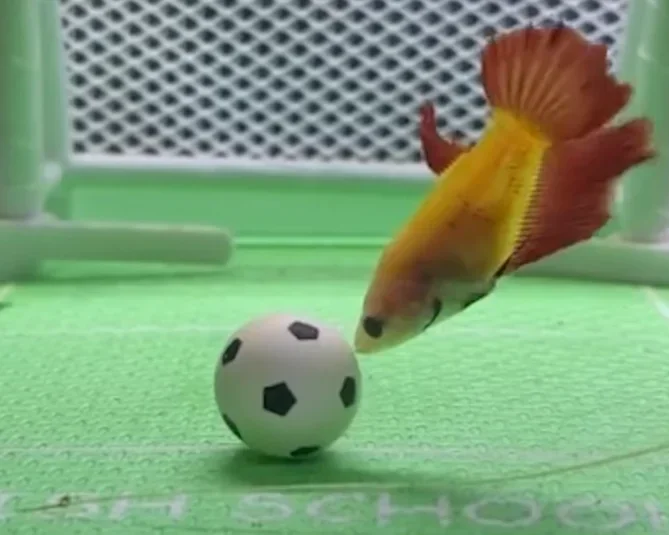
Teaching your betta fish to play soccer is one of the most rewarding forms of aquarium enrichment you can try. With patience, positive reinforcement, and a few simple tools, your colorful betta can learn to nudge a small ball across the tank. This guide covers everything from understanding betta intelligence to mastering full soccer sessions. You will learn proven training methods that tap into your fish’s natural curiosity and playfulness. By the end, you will feel confident enough to start training sessions with your own betta.
Have you ever watched your betta fish swim around its tank and thought, “This fish has energy to burn”? You are not alone. Many betta owners discover that their colorful companions are far more intelligent and playful than they expected. Teaching a betta fish to play soccer is one of the most exciting ways to tap into that natural energy and curiosity.
Betta fish, also known as Siamese fighting fish, are native to the warm rice paddies and slow-moving waters of Southeast Asia. In the wild, they are active hunters that explore their surroundings constantly. This means your pet betta is wired to investigate, chase, and interact with objects in its environment. Betta fish training takes advantage of this natural instinct and channels it into fun, interactive activities like soccer.
What makes soccer such a great activity for bettas is that it combines movement, problem-solving, and reward. Your fish gets physical exercise, mental stimulation, and a tasty treat all at once. In this guide, we walk you through every step of the process. Whether you are a first-time fish trainer or looking to expand your betta’s trick repertoire, you will find practical advice that actually works.
Key Takeaways
- Betta fish are smarter than most people think: They can learn complex behaviors through positive reinforcement and consistent training.
- Start with simple target training: Before soccer, your betta needs to master basic tricks like following a finger or a stick.
- Use the right equipment: A small, lightweight ball and a calm tank environment make all the difference in training success.
- Keep sessions short and fun: Betta fish lose interest quickly, so 5 to 10 minute sessions work best.
- Bonding is the foundation: The closer your bond with your betta, the faster and more willingly it will learn new tricks.
- Patience wins every time: Every betta learns at its own pace, so never force or rush the training process.
📑 Table of Contents
Understanding Your Betta Fish’s Intelligence
Before you start training, it helps to understand what your betta is capable of. Many people assume fish have tiny memories and cannot learn anything. That could not be further from the truth. Betta fish have been shown to recognize their owners, respond to feeding schedules, and even learn simple patterns.
What Science Tells Us About Betta Intelligence
Research on fish cognition has revealed some surprising findings. Fish can remember solutions to problems for months. They can distinguish between different shapes, colors, and patterns. Bettas, in particular, are known for their curious and alert nature. They watch their surroundings closely and react to changes quickly.
Betta fish behavior often includes bursts of activity, especially during feeding time or when they see their owner approach the tank. This alertness is a sign of intelligence. It means your betta is paying attention and processing information. When you leverage this natural attentiveness during training, the results can be impressive.
Another important factor is positive reinforcement. Bettas respond best to reward-based training. When your fish does something right, a small food reward tells it that the behavior is desirable. Over time, your betta will repeat the behavior more often because it has learned that good things happen when it cooperates.
Preparing for Soccer Training
Jumping straight into soccer training without preparation usually leads to frustration for both you and your fish. A little setup goes a long way. Here is what you need before your first training session.
Choosing the Right Ball
Not just any ball will work for betta soccer. You need something small, lightweight, and safe for your aquarium. A tiny ping pong ball is a popular choice because it floats and is easy for a betta to nudge. Some owners use small foam balls or even custom-made fish-safe balls available at pet stores.
Avoid balls with sharp edges or toxic materials. The ball should be large enough that your betta cannot accidentally swallow it, but small enough that it can push it around with its mouth or fins. A ball that is too heavy will sink and frustrate your fish. A ball that is too light might bounce around uncontrollably.
Setting Up the Right Environment
Your training tank setup matters more than you might think. Make sure the water temperature is between 78 and 80 degrees Fahrenheit, as bettas are most active and alert in warm water. Betta fish water quality should be pristine, with zero ammonia and low nitrates. A stressed or uncomfortable fish will not want to play.
Reduce distractions in the room. Turn off loud music and dim bright lights slightly. You want your betta focused on the training, not on hiding from perceived threats. Some owners find that placing the tank in a quiet corner of the room helps their betta concentrate better during sessions.
Gathering Training Supplies
Here is a simple checklist of what you will need:
- A small floating ball (ping pong ball or foam ball)
- High-value treats your betta loves (bloodworms, brine shrimp)
- A target stick or your clean finger for guiding
- A calm, quiet training space
- Patience and a positive attitude
Having these items ready before you start ensures smooth training sessions. It also helps you stay consistent, which is key to successful fish training methods.
Step-by-Step Guide to Teaching Soccer
Now for the fun part. Teaching your betta to play soccer is a process that happens in small, manageable steps. Do not expect your fish to score goals on day one. Think of it as building a skill layer by layer.
Step 1: Build Trust and Focus
Before any training begins, your betta needs to trust you and focus on you. Spend a few minutes each day simply sitting by the tank and letting your betta get used to your presence. You can also use this time to hand-feed small treats, which builds a strong bond.
Growing a bond with your betta fish is the foundation of all successful training. When your fish sees you as a source of good things, it becomes more willing to engage during sessions. This bond-building step is often overlooked, but it makes everything else easier.
Step 2: Introduce Target Training
Target training is the building block of almost all fish tricks. Hold your target stick (or a clean finger) near the surface of the water. When your betta touches the target with its nose or mouth, immediately reward it with a treat. Repeat this several times a day for a few days until your betta follows the target reliably.
This step teaches your betta that touching specific objects leads to rewards. It also teaches your fish to focus on you as the trainer. Without a solid target training foundation, more complex tricks like soccer will be much harder to teach.
Step 3: Get Your Betta Comfortable with the Ball
Place the floating ball in the tank without any training expectations. Let your betta explore it on its own. Some bettas will immediately investigate the ball out of curiosity. Others may ignore it for a while, and that is perfectly fine.
Once your betta shows interest in the ball, use your target stick to guide it toward the ball. When your betta touches or nudges the ball, reward it immediately with a treat. The goal at this stage is simply to create a positive association between the ball and a reward.
Step 4: Guide the Ball
Now you can start guiding the ball with your betta’s help. Place the ball near the front of the tank. Use the target stick to encourage your betta to swim toward the ball and nudge it. When the ball moves even slightly, reward your fish enthusiastically.
Over several sessions, your betta will start to understand that nudging the ball creates a positive outcome. Gradually increase the distance you want the ball to move. Celebrate small wins along the way. Some bettas learn to push the ball consistently within a week, while others take several weeks.
Step 5: Add Direction and Goals
Once your betta is reliably nudging the ball, you can start adding direction. Place the ball near one side of the tank and guide your betta to push it toward a specific area. You can use tank decorations as “goals” to make it more fun.
Some creative owners place two small rocks or plants on either side of a target area to create a goal. When your betta pushes the ball between the goalposts, give it a big reward. This adds structure to the game and makes it feel more like actual soccer.
Step 6: Practice and Refine
Consistency is everything in betta fish training. Short daily sessions of 5 to 10 minutes work best. Try to train at the same time each day so your betta starts anticipating the activity. Over time, you can reduce treats and let the game itself become the reward.
Remember that every betta is different. Some fish are natural athletes and pick up soccer quickly. Others are more laid-back and prefer to watch. Betta fish personality plays a big role in how fast and how well your fish learns. Respect your fish’s pace and keep the experience positive.
Common Mistakes to Avoid
Training a betta fish to play soccer is a journey, and along the way, mistakes happen. Here are some common pitfalls and how to avoid them.
- Training sessions that are too long: Bettas have short attention spans. Sessions longer than 10 to 15 minutes can lead to stress and disinterest. Keep it short and sweet.
- Using the wrong treats: If the reward is not exciting enough, your betta will lose motivation. Use high-value treats like live or frozen bloodworms for the best results.
- Getting frustrated: Fish can sense tension in the water and in the room. If you feel frustrated, take a break. Training should be enjoyable for both of you.
- Skipping foundational steps: Jumping to soccer without target training will make the process much harder. Build skills one step at a time.
- Overfeeding during training: Use tiny treat pieces so your betta stays hungry enough to be motivated but does not overeat.
Making Training Fun and Safe
The most important rule in betta fish training is safety and enjoyment. Training should never cause stress or harm to your fish. Always monitor your betta during sessions and watch for signs of fatigue or distress.
Signs that your betta is stressed include rapid gill movement, hiding, loss of color, or frantic swimming. If you notice any of these, stop the session immediately and give your fish time to relax. Betta fish enrichment should enhance your fish’s quality of life, not diminish it.
You can also combine soccer training with other activities. For example, try playing games with your betta fish before or after soccer sessions to keep things varied and interesting. Variety in activities prevents boredom and keeps your betta mentally sharp.
Another great way to enhance training is by improving your tank setup. Adding plants, caves, and other decorations gives your betta a richer environment to explore. A well-decorated tank supports your betta’s overall well-being and makes training sessions more engaging.
If you are interested in expanding your betta’s trick repertoire beyond soccer, check out our guide on how to teach your betta fish to do tricks for more ideas and techniques.
Final Thoughts on Betta Soccer Training
Teaching your betta fish to play soccer is more than just a fun party trick. It is a way to connect with your fish on a deeper level. It provides mental and physical stimulation that keeps your betta healthy and happy. And it is incredibly rewarding to watch your fish learn something new.
Start with the basics, be patient, and celebrate every small victory. The journey of training is just as meaningful as the destination. Whether your betta becomes a soccer star or simply enjoys nudging a ball around, the time you spend together strengthens your relationship and enriches your fish’s life.
Remember that betta fish training is built on trust, consistency, and positive experiences. Every session you complete brings you closer to your fish and helps your betta live a more stimulating, engaged life. So grab a ball, gather your treats, and start your soccer training adventure today.
For more ideas on how to keep your betta active and entertained, you might also enjoy our article on how to play games with your betta fish. And if you want to deepen the connection that makes all training possible, read our guide on how to grow a bond with your betta fish for tips on building trust and rapport with your aquatic companion.
Frequently Asked Questions
Can all betta fish learn to play soccer?
Most betta fish can learn basic soccer skills with patience and consistent training. However, individual personality plays a big role. Some bettas are naturally more curious and active, making them faster learners. Others may be more laid-back and take longer to show interest. The key is to never force training and always keep sessions positive.
How long does it take to teach a betta fish to play soccer?
The timeline varies widely depending on your betta’s personality and your training consistency. Some bettas learn to nudge a ball within one to two weeks, while others may take a month or longer. Short daily sessions of 5 to 10 minutes tend to produce the best results. Patience and positive reinforcement are your most important tools.
What kind of ball is best for betta soccer?
A small, lightweight floating ball works best. A standard ping pong ball is a popular choice because it is safe, buoyant, and the right size for a betta. Foam balls are another good option. Avoid balls that are too heavy, too large, or made of materials that could leach chemicals into the tank water.
How often should I train my betta fish to play soccer?
Daily sessions of 5 to 10 minutes are ideal. Training every day helps your betta build a routine and reinforces what it has learned. However, if your fish seems tired or uninterested, skip the session. Forcing training leads to stress and can damage the trust between you and your betta.
Do I need special equipment to train my betta for soccer?
No special equipment is required. All you need is a small floating ball, some high-value treats, and a calm environment. A target stick can be helpful but is not essential. Many owners simply use their clean finger as a target. The most important “equipment” is your patience and consistency.
Is it safe to use treats during betta soccer training?
Yes, treats are safe and recommended when used correctly. Use small pieces of high-value food like bloodworms or brine shrimp. The treat should be small enough that your betta can eat it within seconds. This keeps your fish motivated without overfeeding. Adjust your betta’s regular meal portions slightly to account for training treats.
=== CONCLUSION ===
Teaching a betta fish to play soccer is a fantastic way to enrich your fish’s life and strengthen your bond. The process requires patience, consistency, and a willingness to work at your betta’s pace. By following the steps outlined in this guide, you give your fish the best chance to succeed while having fun along the way.
Start with trust-building, move through each training step gradually, and always keep sessions positive and short. Your betta may surprise you with how quickly it picks up the game. And even if soccer is not your fish’s thing, the training itself provides valuable mental stimulation and deepens your connection.
Remember that every interaction with your betta is an opportunity to build trust and provide enrichment. Whether you are playing soccer, target training, or simply sitting by the tank, you are making your fish’s life better. So take the leap, grab that ball, and start your betta fish training journey today.