Why Does My Betta Fish Make Clicking Noises
Betta fish often click to communicate, show stress, or signal a health issue. Understanding the sound’s cause helps you spot problems early and create a calmer tank environment. Follow our tips to decode the clicks and keep your betta thriving.
Key Takeaways
- Clicking is natural: Betta fish use clicks to “talk” and explore their surroundings.
- Stress triggers clicks: Poor water quality, loud noises, or aggressive tank mates can increase clicking.
- Health issues matter: Infections, parasites, or swim‑bladder problems may cause unusual sounds.
- Tank setup fixes: Proper filtration, temperature, and décor reduce stress‑related clicking.
- Observe behavior: Pair clicking with other signs (flaring, hiding) to diagnose the problem.
- Regular maintenance: Water changes and monitoring keep the environment quiet and healthy.
- When to seek help: Persistent clicking with loss of appetite or lethargy signals a vet visit.
📑 Table of Contents
- Introduction: The Mystery of the Click
- 1. The Science Behind Betta Clicking
- 2. Common Triggers for Clicking
- 3. Health‑Related Reasons for Clicking
- 4. How to Differentiate Normal Clicking from a Warning Sign
- 5. Practical Steps to Reduce Unwanted Clicking
- 6. When to Call a Professional
- Conclusion: Listening to Your Betta
Introduction: The Mystery of the Click
If you’ve ever heard a tiny “click‑click” coming from your betta’s bowl, you’re not alone. Many hobbyists wonder, why does my betta fish make clicking noises? The answer isn’t always simple, but it’s rarely a cause for panic. Betta fish are vocal in their own way, using rapid fin movements and mouth snaps to communicate, explore, or express discomfort.
In this guide we’ll break down the most common reasons behind the clicks, show you how to tell a harmless chat from a warning sign, and give you practical steps to create a peaceful, healthy home for your finned friend. By the end, you’ll be able to listen to your betta like a friend and respond with confidence.
1. The Science Behind Betta Clicking
How Betta Fish Produce Sound
Betta fish don’t have vocal cords like mammals. Instead, they create sound by rapidly closing their mouths and vibrating their gill covers (opercula). This motion pushes water out of the mouth, creating a tiny “click.” The sound is most noticeable when the fish is close to the water’s surface or when you’re leaning over the tank.
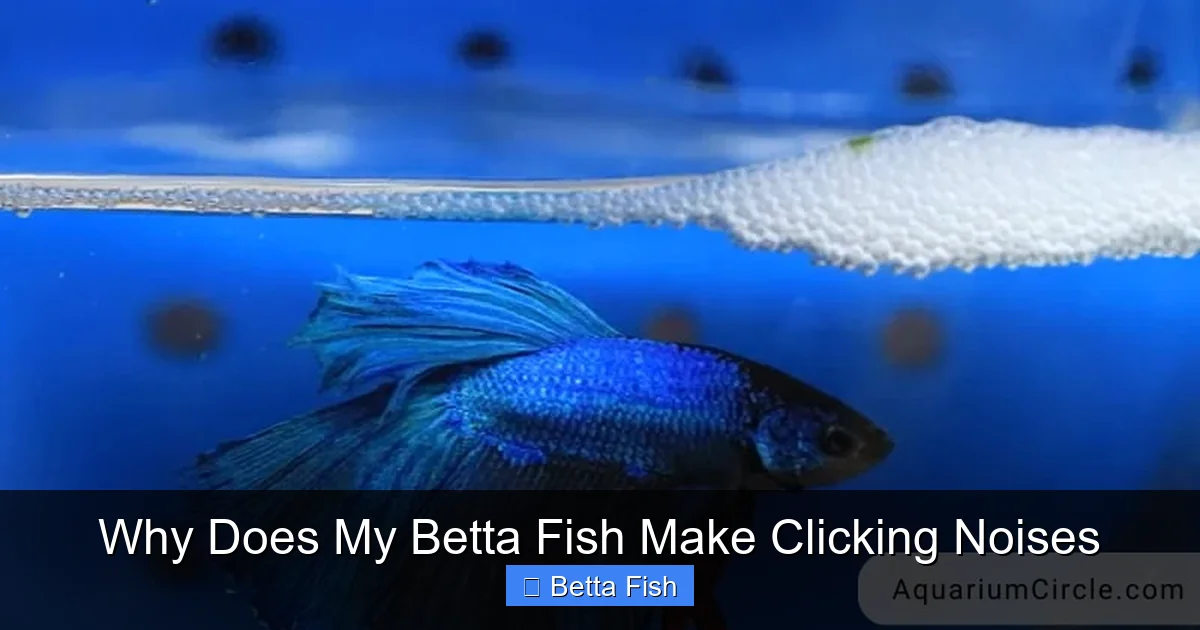
Visual guide about Why Does My Betta Fish Make Clicking Noises
Image source: aquariumcircle.com
Why They Do It
- Exploration: Young or curious bettas will click while investigating new décor or a fresh water change.
- Communication: Clicking can be a greeting or a “hey, I’m here” signal to other fish (even if they’re the only fish in the tank).
- Stress response: Sudden noises, temperature shifts, or aggressive tank mates can make a betta click more often.
2. Common Triggers for Clicking
Water Quality Issues
Dirty water or high ammonia levels irritate a betta’s delicate gills, prompting more frequent clicks. Test your water weekly and keep ammonia below 0.25 ppm.
Temperature Fluctuations
Betta fish are tropical and love stable temperatures between 76‑82°F (24‑28°C). A sudden drop of even a few degrees can cause a stress click. Use a reliable heater and a thermometer to maintain consistency.
Tank Mates and Space
While many keep bettas alone, some house them with peaceful species. If a neighbor is too aggressive, your betta may click as a warning. Ensure at least 2‑3 gallons of space per fish and plenty of hiding spots.
Loud Environments
Household noises—TVs, music, vacuum cleaners—vibrate the water. Betta fish pick up these vibrations and may click to “reset” their sense of balance.
3. Health‑Related Reasons for Clicking
Gill Infections and Parasites
Red, swollen, or fuzzy gills often accompany clicking. A gill infection (often caused by poor water) can make it hard for the fish to breathe, leading to more mouth snaps.
Swim‑Bladder Disorder
When a betta’s swim bladder isn’t working properly, it may click while trying to adjust its buoyancy. Look for upside‑down swimming or floating sideways. For more on this, see our article on why is my betta fish floating sideways.
Dental or Mouth Issues
Although rare, a broken tooth or mouth injury can cause a betta to click more often. Check for visible damage or redness.
4. How to Differentiate Normal Clicking from a Warning Sign
Observe the Context
Notice when the clicking occurs. A quick click after a water change is usually normal. Persistent clicking throughout the day, especially with other symptoms, signals a problem.
Look for Accompanying Behaviors
- Flaring: If your betta flares its fins while clicking, it may be defending territory.
- Hiding: Frequent hiding under plants plus clicking can indicate stress.
- Loss of appetite: Clicking plus refusal to eat is a red flag—see our guide on why did my betta fish stop eating.
Check Physical Health
Inspect the fins, eyes, and scales. If you notice shredded fins, white patches, or bulging eyes, the clicking may be linked to an infection. For shredded fins, read why does my betta fish fins look shredded.
5. Practical Steps to Reduce Unwanted Clicking
Maintain Pristine Water
Perform 25‑30% water changes weekly. Use a water conditioner to remove chlorine and chloramines. Test kits for ammonia, nitrite, and nitrate are inexpensive and essential.
Stabilize Temperature
Invest in a quality aquarium heater with an auto‑shutoff. Place the heater away from the filter outlet to avoid hot spots.
Optimize Tank Layout
- Provide at least one live plant or silk leaf for hiding.
- Use smooth rocks and driftwood to create “territories.”
- Avoid overly bright lighting; a dim‑mornings schedule mimics natural conditions.
Minimize External Vibrations
Place the tank on a sturdy stand, away from speakers or heavy foot traffic. A small piece of foam under the tank can dampen vibrations.
Monitor Health Regularly
Check your betta’s gills, eyes, and behavior daily. If clicking spikes and you notice any of the warning signs above, act quickly—start a partial water change and consider a quarantine tank.
6. When to Call a Professional
If your betta clicks continuously for more than 48 hours, shows loss of appetite, or displays visible health issues, it’s time to seek expert advice. A veterinarian who specializes in fish can prescribe appropriate medication for infections or parasites.
Remember, early intervention often saves a betta’s life. Keeping a log of clicking episodes, water parameters, and feeding habits can help the vet diagnose the problem faster.
Conclusion: Listening to Your Betta
Clicks are just one of the many subtle ways betta fish communicate. By paying attention to the sound, the surrounding circumstances, and any accompanying signs, you can quickly tell whether the noise is a friendly hello or a cry for help. Maintaining clean water, stable temperature, and a stress‑free environment will reduce unnecessary clicking and keep your betta vibrant and healthy.
Take a moment each day to listen, observe, and adjust. Your betta will thank you with bright colors, graceful fins, and—hopefully—fewer clicks.
Frequently Asked Questions
Why does my betta click when I change the water?
Water changes can create new currents and temperature shifts. Your betta clicks to explore the altered environment and may be checking its gills for comfort.
Can clicking indicate a serious health problem?
Yes, if clicking is constant and paired with symptoms like loss of appetite, faded colors, or swollen gills, it could signal infection or swim‑bladder issues.
Do male bettas click more than females?
Both sexes click, but males often click more during flaring or when defending territory, especially if they see their reflection.
Is clicking related to bubble‑nest building?
Sometimes. While building a bubble nest, a betta may click as it mouths the surface to gather air. For more on nests, read why did my betta fish make a bubble nest.
Will adding more plants stop the clicking?
Plants can reduce stress by providing hiding spots, but they won’t eliminate clicking caused by health issues. Use plants as part of a broader stress‑reduction plan.
How often should I check my water if my betta clicks a lot?
Test the water twice a week and perform a 25‑30% change each week. If clicking spikes, do an immediate partial change and re‑test.