Are Avocado Roots Poisonous to Betta Fish
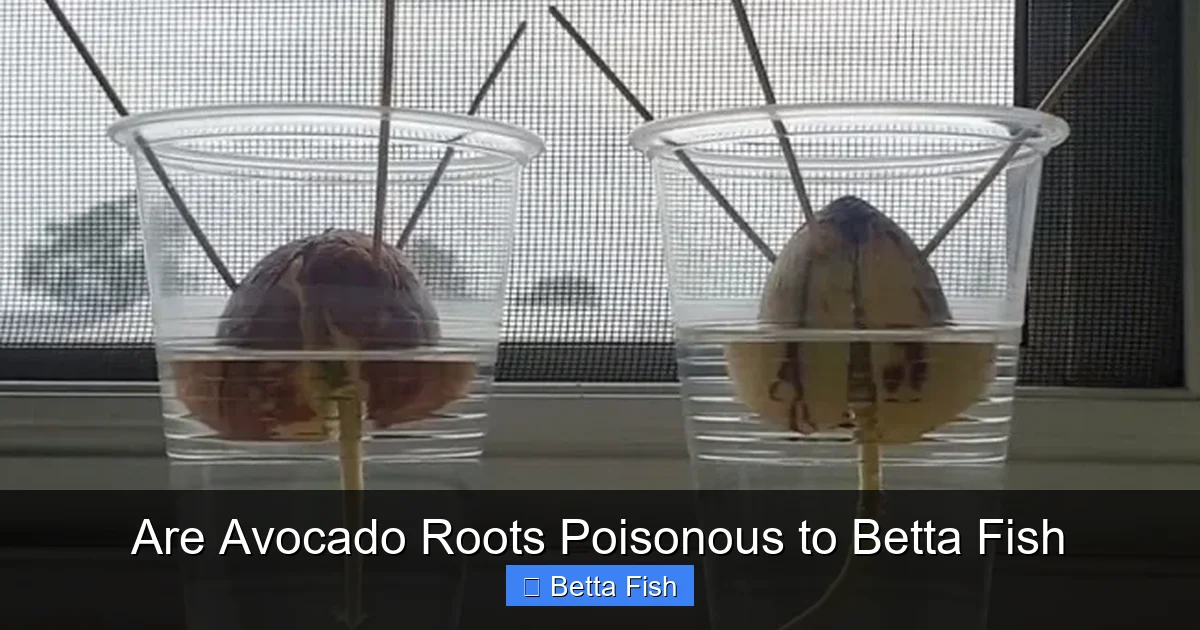
Avocado roots can release toxins that are harmful to betta fish, especially in small or unfiltered tanks. Choosing safe plant alternatives and monitoring water quality will protect your betta and create a thriving aquarium.
Key Takeaways
- Avocado roots contain toxins: The chemicals can leach into water and stress or kill bettas.
- Live plants are safer: Opt for aquarium‑grade plants that are proven non‑toxic.
- Water parameters matter: Good filtration and regular water changes dilute any potential toxins.
- Spot signs early: Gasping, loss of color, or fin rot can signal exposure to harmful substances.
- Alternative décor works: Silk plants, driftwood, and safe plastics give a natural look without risk.
- Research before adding: Always verify plant safety using reputable sources or trusted aquarium forums.
- Internal links help you learn more: Explore related topics like betta care basics and tank setup for a holistic approach.
📑 Table of Contents
- Introduction: Why the Question Matters
- What Makes Avocado Roots Potentially Dangerous?
- Real‑World Signs Your Betta Is Affected
- Safe Alternatives to Avocado Roots
- How to Test Water for Avocado Toxins
- Step‑by‑Step Guide: Setting Up a Betta Tank Without Risk
- Common Myths About Avocado and Betta Tanks
- When Accidents Happen: First‑Aid for a Betta Exposed to Avocado Toxins
- Integrating Knowledge: Broader Betta Care Tips
- Conclusion: Play It Safe, Keep It Beautiful
Introduction: Why the Question Matters
If you’ve ever wondered are avocado roots poisonous to betta fish, you’re not alone. Many hobbyists love the lush look of real plants, but not every plant is aquarium‑safe. Avocado trees are popular houseplants, and their roots can look attractive in a betta’s tank. However, the chemistry of avocado roots is quite different from that of typical aquatic plants.
In this article we’ll break down the science, share real‑world examples, and give you practical steps to keep your betta thriving. Think of it as a friendly chat over a cup of tea—simple language, short sentences, and plenty of tips you can start using today.
What Makes Avocado Roots Potentially Dangerous?
Natural toxins in avocado
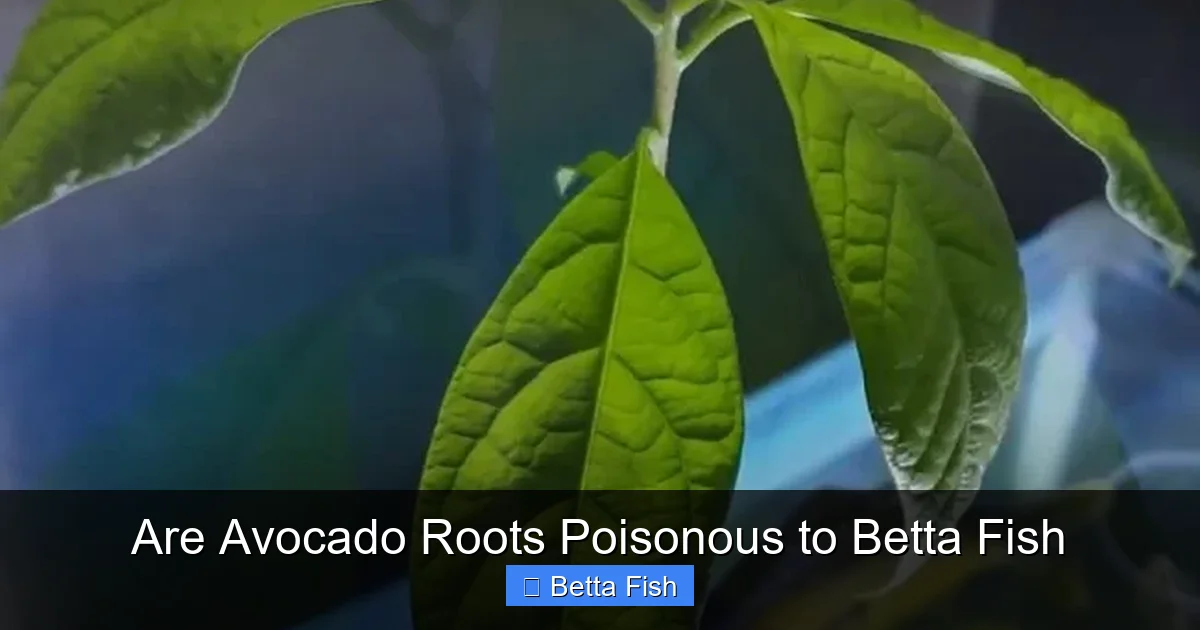
Avocado (Persea americana) contains a compound called persin. Persin is a fatty acid derivative that protects the fruit from insects and mammals. While persin is mostly a concern for humans and livestock, it can leach from leaves, stems, and especially roots into water.
Visual guide about Are Avocado Roots Poisonous to Betta Fish
Image source: 1.bp.blogspot.com
How toxins enter the aquarium
When you place a live avocado root in a betta tank, the root continues to “breathe.” It releases oxygen, but it also releases waste products. In a closed system, these waste products accumulate, and persin can dissolve into the water column. Small betta tanks—often 2.5 to 5 gallons—have limited water volume, so even a tiny amount of toxin can become a big problem.
Betta fish sensitivity
Betta fish are surface dwellers with delicate gill structures. Their gills filter water constantly, making them especially vulnerable to dissolved chemicals. A sudden spike in persine levels can cause gill irritation, reduced oxygen uptake, and even organ damage.
Real‑World Signs Your Betta Is Affected
Behavioral clues
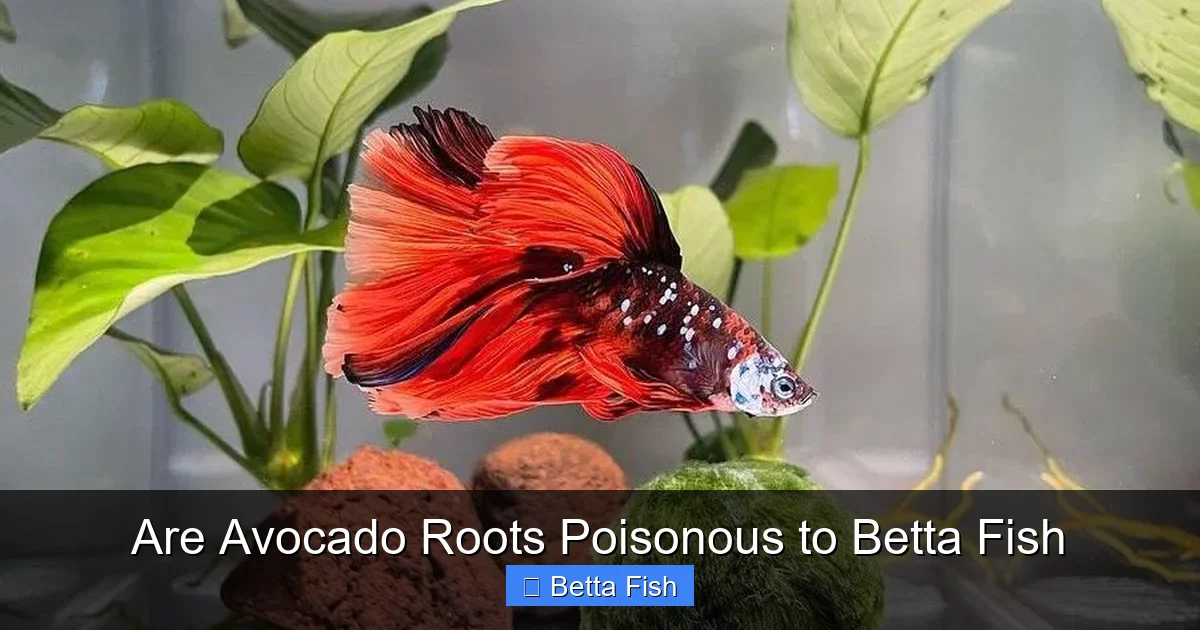
Watch for labored breathing at the surface, frantic swimming, or a sudden loss of interest in food. These are early warning signs that something in the water isn’t right.
Visual guide about Are Avocado Roots Poisonous to Betta Fish
Image source: bettafish.org
Physical symptoms
Look for faded coloration, ragged fins, or a white‑ish film on the body. In severe cases, you might see bloating or a “dropsy” appearance—symptoms that overlap with other diseases, which is why quick identification matters.
Water quality changes
Test kits will often show a rise in ammonia or nitrite when organic waste from roots decomposes. A sudden pH shift can also indicate chemical leaching.
Safe Alternatives to Avocado Roots
Live aquarium‑grade plants
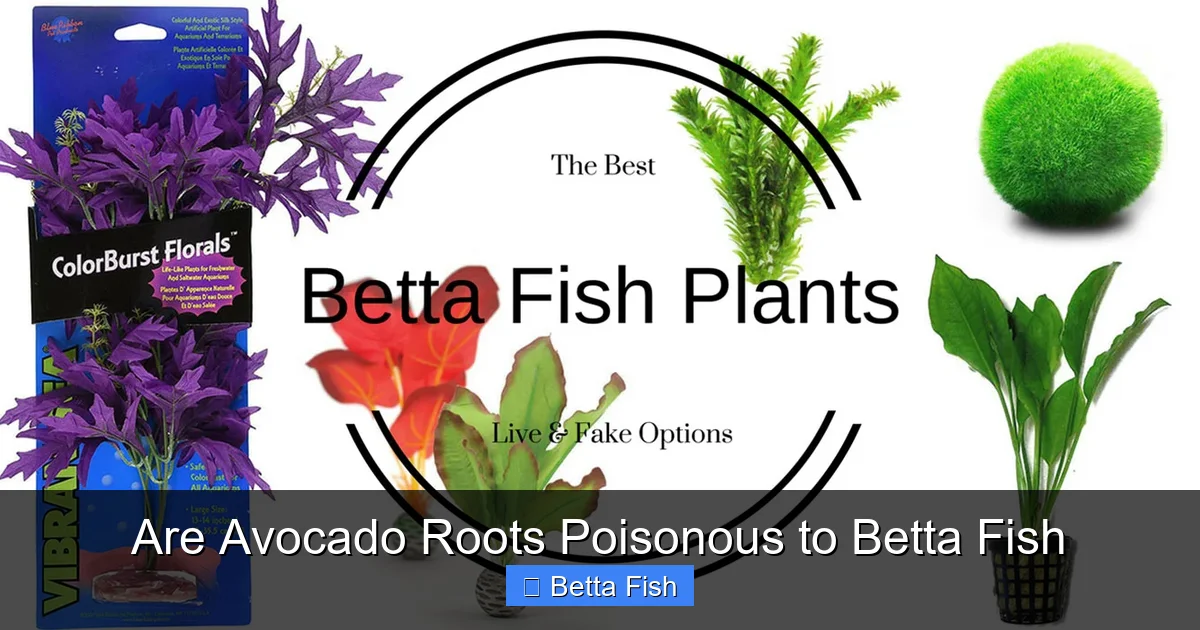
Plants like Java fern, Anubias, and Marimo moss balls are proven safe for bettas. They absorb nitrates, produce oxygen, and add natural beauty without toxic side effects.
Visual guide about Are Avocado Roots Poisonous to Betta Fish
Image source: acaquarium.com
Artificial décor that looks real
Silk plants and high‑quality plastic foliage give a realistic look. Choose items labeled “aquarium safe” to avoid dye leaching.
Natural driftwood and stones
Driftwood not only looks great, it also releases tannins that can slightly lower pH—often beneficial for bettas. Make sure the wood is aquarium‑cured to prevent mold.
How to Test Water for Avocado Toxins
Simple DIY test
While most home test kits don’t detect persin directly, you can monitor indirect indicators:
- Ammonia spikes
- Rapid pH drops
- Unusual cloudiness
If any of these appear after adding avocado roots, remove the roots immediately and perform a 25‑30% water change.
Professional testing
Some aquarium labs offer custom testing for organic compounds. If you suspect severe poisoning, sending a water sample for analysis can confirm the presence of persin or related toxins.
Step‑by‑Step Guide: Setting Up a Betta Tank Without Risk
1. Choose the right tank size
A 5‑gallon tank gives enough water volume to dilute minor contaminants. Smaller bowls increase risk.
2. Install proper filtration
Even a gentle sponge filter keeps water moving, reduces toxin buildup, and mimics a natural flow.
3. Add safe plants
Root the plants in substrate, or use suction cups for floating varieties. Avoid any plant that isn’t marketed as aquarium‑safe.
4. Monitor water parameters
Test weekly for ammonia, nitrite, nitrate, and pH. Keep ammonia and nitrite at 0 ppm, nitrate below 20 ppm, and pH between 6.5‑7.5.
5. Perform regular water changes
Change 20‑30% of the water every week. This flushes out any residual chemicals that might have leached from décor.
6. Observe your betta
Spend a few minutes each day watching for normal behavior. Quick detection of changes can save your fish.
Common Myths About Avocado and Betta Tanks
Myth: “If the root looks healthy, it’s safe.”
Health of the root doesn’t guarantee safety. The toxin is present whether the root is green or brown.
Myth: “A little bit won’t hurt.”
Even a small amount can be dangerous in a 2‑gallon tank because the concentration becomes significant.
Myth: “Only the fruit is toxic.”
Persin is found throughout the plant—leaves, stems, and roots all contain it.
When Accidents Happen: First‑Aid for a Betta Exposed to Avocado Toxins
Immediate actions
- Remove the avocado root and any affected décor.
- Do a 30% water change with conditioned water.
- Increase aeration for a few hours to boost oxygen levels.
Medical interventions
If your betta shows severe symptoms (gasping, loss of equilibrium), consider adding a small dose of aquarium‑safe antibacterial medication to combat secondary infections. Always follow the product instructions.
Long‑term care
Continue daily water checks for two weeks. Watch for lingering signs like faded color or fin damage. A healthy diet of high‑quality betta pellets and occasional frozen bloodworms will aid recovery.
Integrating Knowledge: Broader Betta Care Tips
Understanding are avocado roots poisonous to betta fish fits into the bigger picture of betta health. For a well‑rounded approach, explore topics such as are betta fish easy to care for, learn how to set up a tank for a betta fish, and discover what water to use for betta fish. Combining safe décor with proper water parameters creates a happy, vibrant environment for your finned friend.
Conclusion: Play It Safe, Keep It Beautiful
So, are avocado roots poisonous to betta fish? The short answer is yes—they can release persin and other waste products that harm delicate bettas. The long answer is that you don’t need to sacrifice beauty for safety. By choosing aquarium‑grade live plants, using safe artificial décor, and maintaining excellent water quality, you give your betta the best chance to thrive.
Remember, a healthy betta is a happy betta. Keep an eye on behavior, test water regularly, and always research new décor before it hits the tank. With these habits, you’ll enjoy a stunning aquarium that’s both safe and stress‑free.
Frequently Asked Questions
Can a betta survive in a tank with a single avocado root?
It’s risky. Even one root can leach enough persin to irritate a betta’s gills, especially in small tanks.
Are there any parts of the avocado plant that are safe for bettas?
All parts—leaves, stems, and roots—contain persin. It’s safest to avoid the plant entirely in an aquarium.
How long does it take for toxins to affect a betta?
Symptoms can appear within a few hours to a couple of days, depending on water volume and filtration.
What should I do if my betta shows signs of poisoning?
Immediately remove the avocado material, perform a 30% water change, increase aeration, and monitor for improvement.
Can regular water changes neutralize avocado toxins?
Frequent changes dilute toxins, but the safest route is to eliminate the source entirely.
Are there any other common houseplants that are toxic to bettas?
Yes. Plants like philodendron, pothos, and oleander are also toxic. Always verify plant safety before adding them to a tank.