A Guide Ti Taking Care of a Betta Fish
Looking to keep a Betta fish thriving? This guide ti taking care of a Betta fish walks you through everything from tank choice to daily feeding, health checks, and fun enrichment ideas. Follow these simple steps and enjoy a vibrant, healthy companion.
Key Takeaways
- Tank size matters: A minimum of 5 gallons gives your Betta space to swim and stay healthy.
- Water quality is king: Keep temperature steady at 78‑80 °F and maintain a pH of 6.5‑7.5.
- Feed wisely: Small portions 2 times daily prevent overfeeding and water fouling.
- Watch for stress signs: Faded colors, clamped fins, or erratic swimming signal health issues.
- Enrichment prevents boredom: Plants, caves, and gentle currents keep your Betta active.
- Regular maintenance: Weekly water changes and monthly filter cleaning extend lifespan.
- Know the lifespan: With proper care, bettas can live 3‑5 years, sometimes longer.
📑 Table of Contents
- Introduction: Why Betta Care Deserves a Friendly Guide
- 1. Choosing the Right Home for Your Betta
- 2. Setting Up the Tank: Step‑by‑Step
- 3. Feeding Your Betta: Nutrition Made Simple
- 4. Health & Wellness: Spotting Problems Early
- 5. Enrichment: Keeping Your Betta Happy
- 6. Long‑Term Care and Lifespan
- Conclusion: Your Betta’s Bright Future Starts Today
Introduction: Why Betta Care Deserves a Friendly Guide
Betta fish, also called Siamese fighting fish, are famous for their dazzling fins and bold personalities. Many first‑time owners think they can survive in tiny bowls, but a little knowledge goes a long way. This guide ti taking care of a Betta fish is written like a chat with a friend—simple, practical, and packed with tips you can start using today.
Whether you’re a complete beginner or have a betta that’s been swimming for a year, the basics stay the same: clean water, proper temperature, balanced diet, and a stress‑free environment. Let’s dive in and set you up for success.
1. Choosing the Right Home for Your Betta
Tank Size: Bigger Is Better
The myth of the “betta bowl” is just that—a myth. A 5‑gallon tank gives your fish room to explore, reduces waste buildup, and makes temperature control easier. If space is limited, a 2.5‑gallon tank with a reliable heater and filter works, but expect more frequent water changes.
Visual guide about A Guide Ti Taking Care of a Betta Fish
Image source: i.pinimg.com
For a deeper look at tank sizing, see our article on how big of a tank for Betta fish. It breaks down the math and why width matters more than height.
Water Type and Conditioning
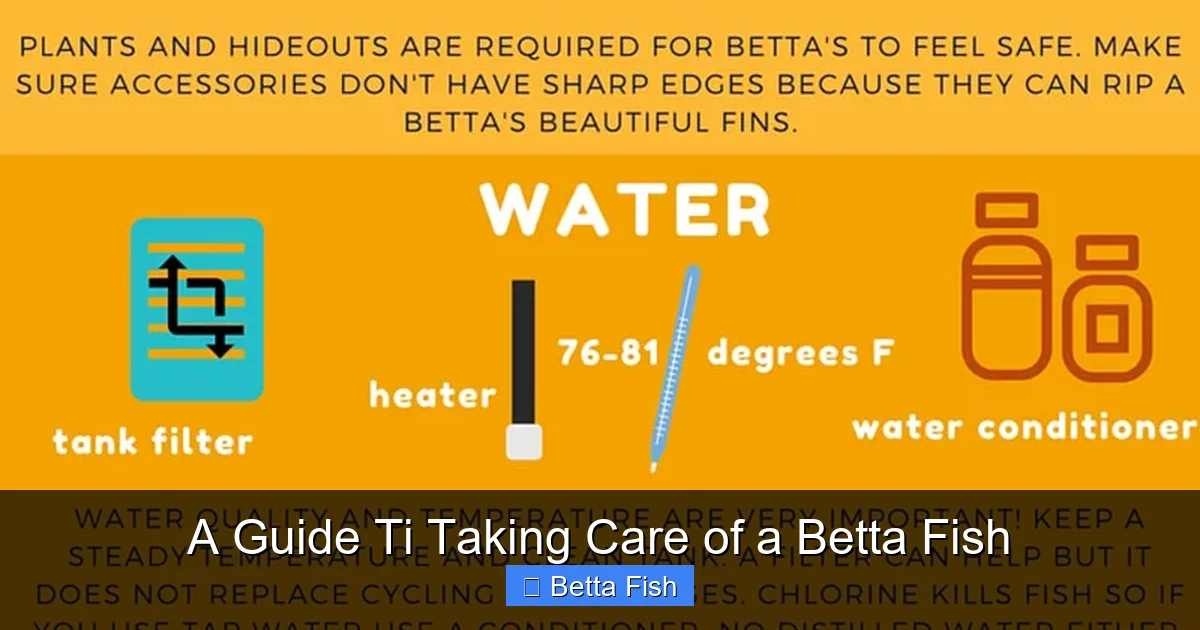
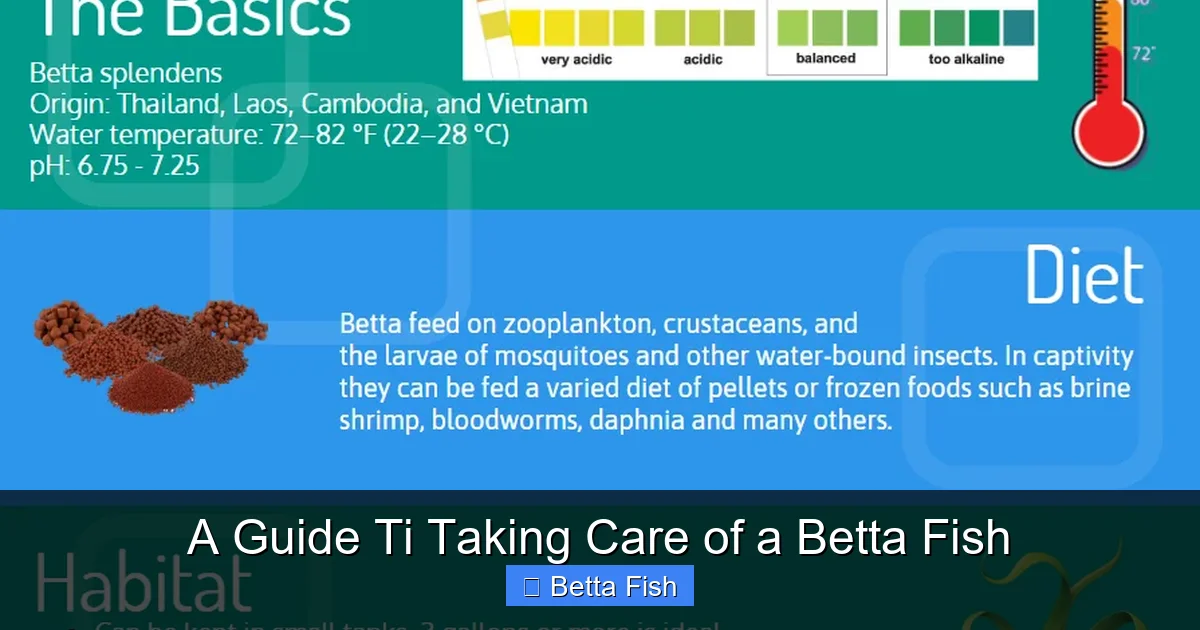
Betas thrive in soft, slightly acidic water (pH 6.5‑7.5). Use a water conditioner to remove chlorine and chloramines from tap water. Test kits are inexpensive and let you keep parameters steady.
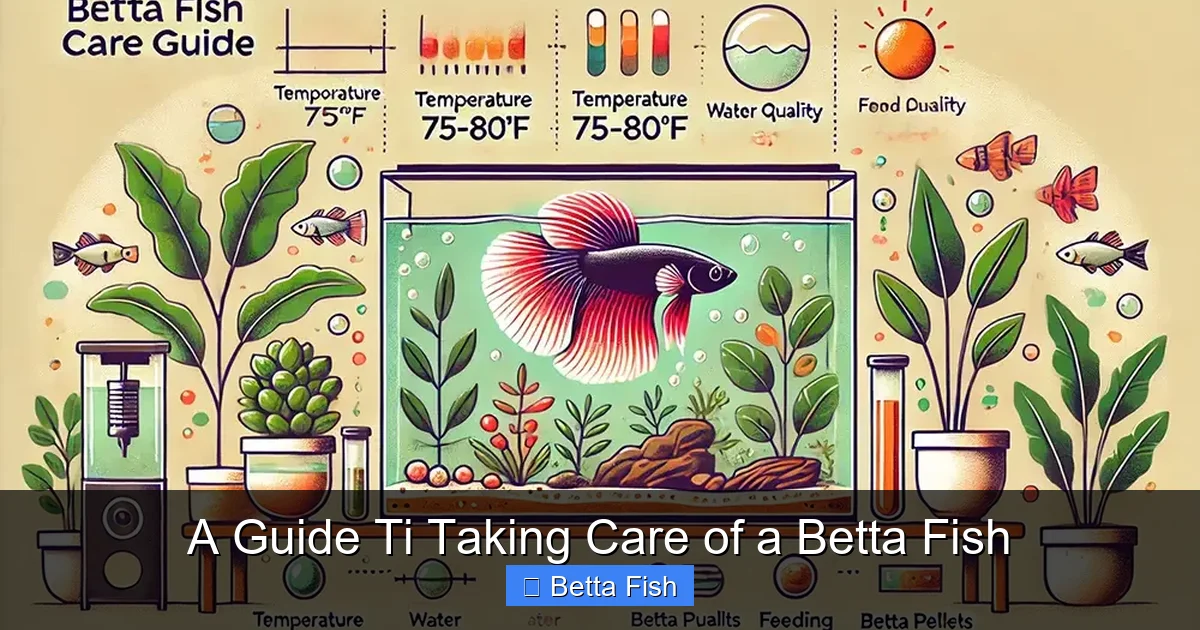
Temperature is critical—betas are tropical fish that love warm water. Aim for 78‑80 °F (25.5‑26.5 °C) and use an adjustable heater with a built‑in thermostat. A small digital thermometer will let you check the temperature twice daily.
Filtration and Aeration
Because bettas breathe surface air with their labyrinth organ, they don’t need strong water flow. A gentle sponge filter or a low‑flow hang‑on‑back filter works well. Avoid strong currents that can stress the fish or flatten its beautiful fins.
Decor and Hiding Places
Live or silk plants, smooth rocks, and caves give your betta places to rest and explore. Avoid sharp ornaments that could tear delicate fins. Provide at least one vertical surface for the betta to rest near the water’s surface, mimicking its natural habitat.
2. Setting Up the Tank: Step‑by‑Step
Cleaning the Tank
Rinse the tank, substrate, and decorations with warm water—no soap. Soap residues can be lethal. If you use gravel, rinse it until the water runs clear.
Visual guide about A Guide Ti Taking Care of a Betta Fish
Image source: i.pinimg.com
Adding Substrate and Plants
Lay a thin layer (about 1‑2 inches) of fine sand or smooth gravel. Plant live or silk vegetation, then fill the tank slowly with conditioned water to avoid disturbing the setup.
Installing Heater and Filter
Place the heater near the tank’s side, not directly on the glass, and set it to 79 °F. Let the heater run for at least 24 hours before adding your fish to ensure temperature stability.
Cycling the Tank
Even a small tank benefits from a brief nitrogen cycle (about 1‑2 weeks). Add a few hardy fish‑less bacteria starter drops, test ammonia and nitrite levels, and only introduce the betta when both read 0 ppm.
Introducing Your Betta
Float the sealed bag containing the betta in the tank for 15 minutes to equalize temperature. Then gently net the fish and release it into the water, turning off lights for a few minutes to reduce stress.
3. Feeding Your Betta: Nutrition Made Simple
What to Feed
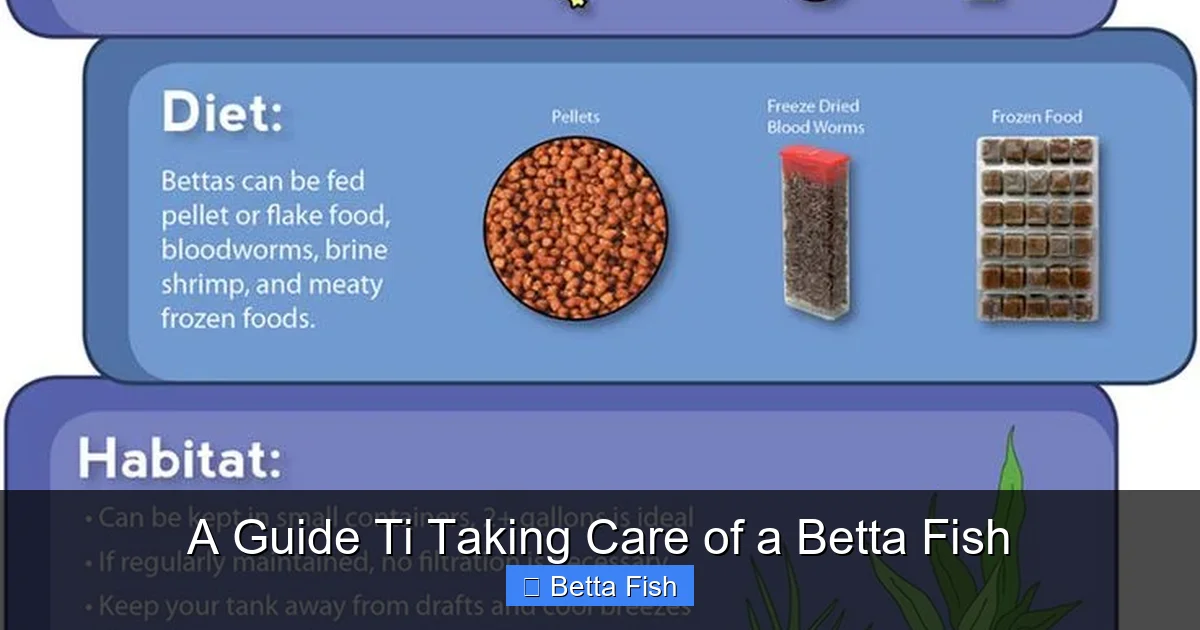
High‑quality betta pellets are the staple. Look for products with at least 40 % protein and no fillers. Supplement with frozen or live foods like brine shrimp, daphnia, or bloodworms 1‑2 times a week for enrichment.
Visual guide about A Guide Ti Taking Care of a Betta Fish
Image source: bettacarefishguide.com
How Much and How Often
Feed 2‑3 small pellets (about the size of a pea) twice daily. If you’re using frozen foods, offer a pinch that the fish can consume in 2‑3 minutes. Overfeeding leads to cloudy water and health problems.
Feeding Tips and Common Mistakes
- Never leave uneaten food in the tank for more than 5 minutes.
- Skip feeding on weekends if you’re away; a timed feeder can dispense a small portion.
- Watch for signs of over‑ or under‑eating—thin, pale fish may need more protein.
Helpful Resource
For a deeper dive into feeding routines, check out how do you feed a Betta fish, which explains portion sizes and food types in detail.
4. Health & Wellness: Spotting Problems Early
Common Health Issues
Betta fish can develop fin rot, ich, velvet disease, and swim bladder problems. Early detection is key.
- Fin rot: Frayed, ragged fins that turn brown.
- Ich: Tiny white spots, like salt grains, on the body.
- Swim bladder: Fish floats upside down or sinks constantly.
Daily Observation Checklist
Spend a minute each day watching your betta:
- Color brightness – faded colors can mean stress.
- Fin position – clamped fins indicate illness.
- Appetite – a sudden loss of interest in food is a red flag.
- Swimming pattern – erratic or sluggish movement needs attention.
When to Treat
If you notice symptoms, isolate the betta in a hospital tank (2‑gallon) with clean, heated water. Treat with appropriate medication—copper‑based for ich, antibiotics for bacterial infections. Always follow the dosage instructions.
Preventive Care
Regular water changes (25‑30 % weekly) keep ammonia low. Keep the tank out of direct sunlight to prevent algae blooms, and avoid sudden temperature swings.
Further Reading
Want to understand why some bettas die suddenly? Our article why did my Betta fish die all of a sudden explores common pitfalls and how to avoid them.
5. Enrichment: Keeping Your Betta Happy
Playful Environment
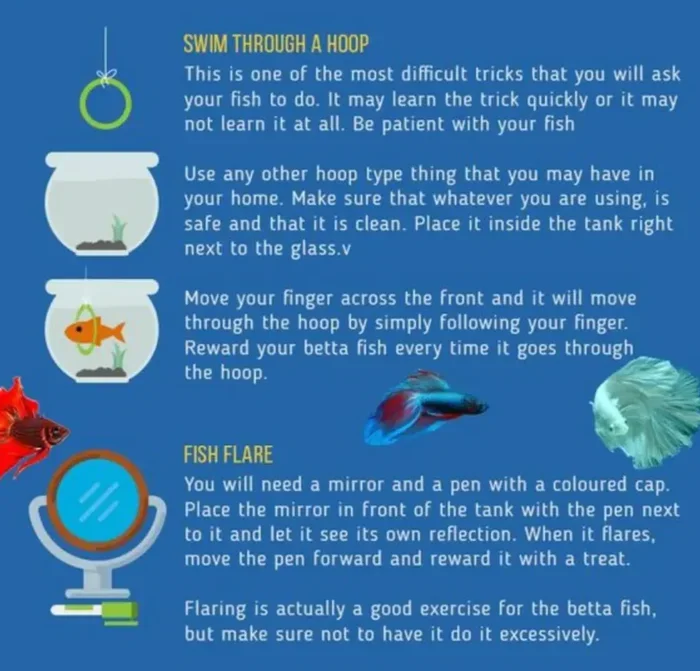
Betta fish love to explore. Add floating logs, mirror toys (used sparingly), and gentle currents to encourage natural hunting behavior.
Training and Interaction
Betas can learn simple tricks, like swimming to a target for a treat. Use a small stick with a pea as a cue, rewarding the fish each time it follows.
Social Considerations
Male bettas are territorial and should live alone. Some females can share a well‑planted tank, but research each fish’s temperament first. For more on compatible tank mates, read what fish is compatible with a Betta fish.
6. Long‑Term Care and Lifespan
What to Expect
With optimal conditions, bettas often live 3‑5 years, and some reach 7 years. Consistency in water parameters, diet, and minimal stress are the biggest contributors to longevity.
Monitoring Growth and Aging
Adult bettas stop growing around 2‑3 inches. As they age, colors may soften, and they may become less active. Adjust feeding and keep water extra clean during senior years.
Life Expectancy Resources
For detailed statistics, see what is the lifespan of a Betta fish and related articles that compare average life spans across varieties.
Conclusion: Your Betta’s Bright Future Starts Today
Taking care of a Betta fish is rewarding when you treat it like a small, vibrant pet rather than a decorative ornament. By setting up a proper tank, maintaining clean water, feeding the right foods, and watching for health signs, you give your betta the best chance at a long, colorful life. Keep learning, stay observant, and enjoy the unique personality of your new friend. Happy fish‑keeping!
Frequently Asked Questions
How often should I change the water in my Betta’s tank?
Change 25‑30 % of the water weekly. If you notice cloudy water or a spike in ammonia, increase the frequency to every 2‑3 days.
Can I keep my Betta in a small bowl?
While bettas can survive in small bowls, they thrive in larger tanks that provide stable temperature and better water quality. A 5‑gallon tank is the recommended minimum.
What temperature is ideal for a Betta fish?
Maintain water between 78‑80 °F (25.5‑26.5 °C). Use an aquarium heater with a thermostat to keep the temperature steady.
How do I know if my Betta is male or female?
Male bettas have longer, flowing fins and brighter colors, while females have shorter fins and may display a “egg spot” near the vent. For a detailed guide, see how to tell the gender of a Betta fish.
Is it safe to keep other fish with a Betta?
Only certain peaceful, fast‑swimming species can coexist with a male Betta. Research compatible tank mates and provide plenty of hiding places to reduce aggression.
What should I do if my Betta stops eating?
First, check water parameters and temperature. Stress or illness often causes loss of appetite. Try offering a small amount of live or frozen food; if the fish still refuses, consider a health check and possible treatment.