A Good Betta Fish Tank
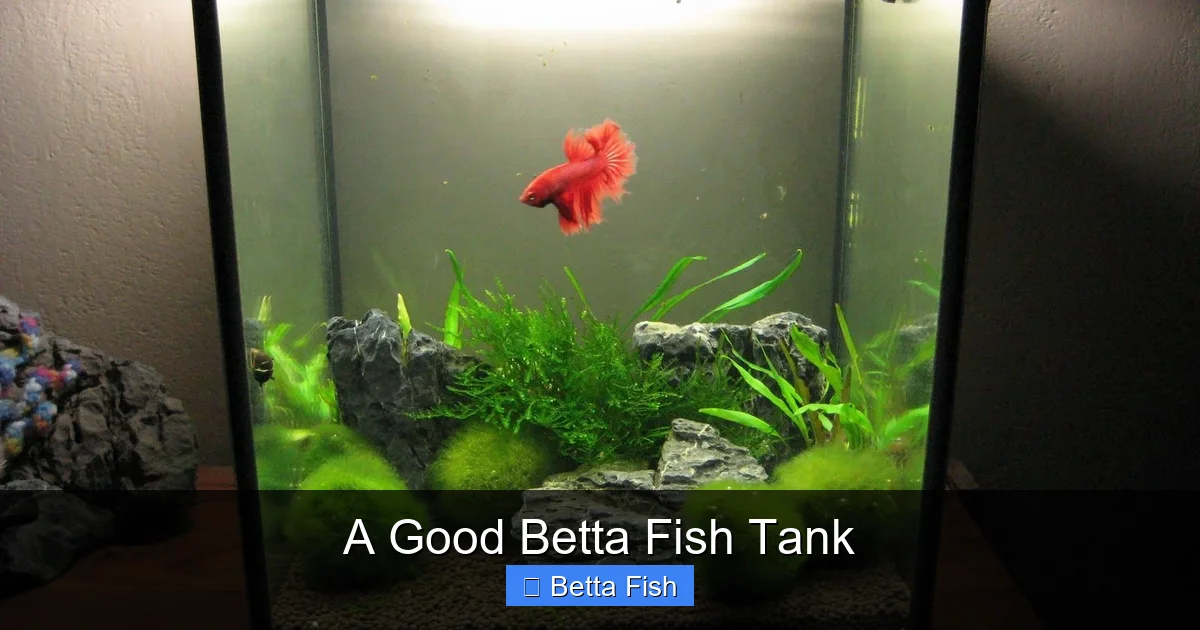
Looking for a good betta fish tank? This guide walks you through the perfect size, essential equipment, and decorating ideas so your betta lives in comfort and style. Follow our easy steps and enjoy a vibrant, stress‑free aquarium.
Key Takeaways
- Size matters: A minimum of 5 gallons gives a betta room to swim and stay healthy.
- Filtration & heating: A gentle filter and stable temperature (78‑80 °F) are must‑haves.
- Substrate & décor: Soft sand or fine gravel plus live plants create a natural feel.
- Water quality: Regular water changes and proper cycling prevent disease.
- Safety first: A lid prevents jumps, and no sharp décor avoids injuries.
- Community considerations: Most bettas are solitary; choose tank mates carefully.
- Maintenance routine: Weekly checks, monthly clean‑ups, and a simple feeding plan keep things smooth.
📑 Table of Contents
- Why a Good Betta Fish Tank Is Worth the Effort
- 1. Choosing the Right Tank Size
- 2. Essential Equipment for a Good Betta Fish Tank
- 3. Setting Up the Tank – Step by Step
- 4. Decorating for Comfort and Fun
- 5. Maintaining a Good Betta Fish Tank
- 6. Common Questions About Betta Tank Set‑Ups
- Conclusion – Your Betta Deserves the Best
Why a Good Betta Fish Tank Is Worth the Effort
Betta fish are famous for their dazzling colors and feisty personalities, but many owners still keep them in tiny bowls that look cute yet hide serious health risks. A good betta fish tank isn’t just a pretty display; it’s a safe, stable environment that mimics the betta’s natural habitat. When you give your betta the space, clean water, and proper temperature it needs, you’ll notice brighter colors, more active behavior, and a longer lifespan.
Think of it like moving from a studio apartment to a small but well‑furnished condo. The extra room means your betta can explore, exercise, and express natural behaviors like bubble‑nest building. In this article we’ll break down every decision you’ll make—from tank size to décor—so you can set up a good betta fish tank that both you and your fish will love.
1. Choosing the Right Tank Size
Minimum volume: 5 gallons
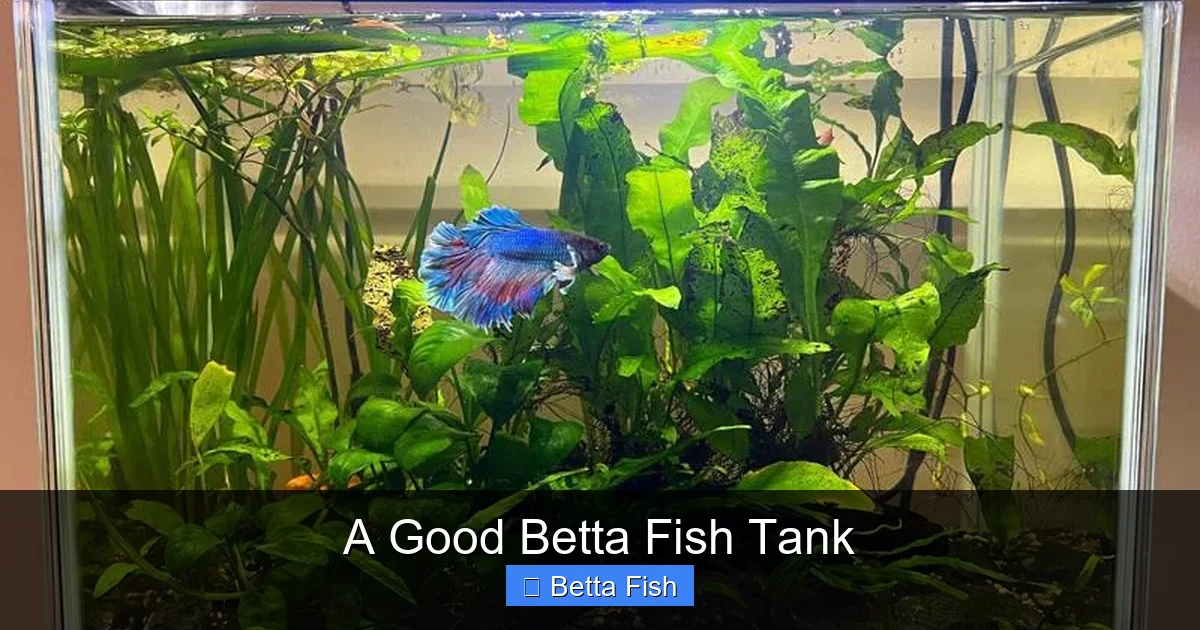
The most common mistake is to start with a 1‑gallon bowl. While it may look adorable, it quickly becomes a breeding ground for ammonia spikes and stress. A good betta fish tank should hold at least 5 gallons (about 19 liters). This size provides enough water volume to dilute waste, maintain stable temperature, and give your betta room to swim.
Visual guide about A Good Betta Fish Tank
Image source: acaquarium.com
Why bigger is better
- Water stability: Larger water masses change temperature and pH more slowly, which means fewer spikes that can harm your fish.
- Better filtration options: You can use a gentle sponge filter without creating a strong current.
- More décor freedom: Live plants, driftwood, and caves can be added without overcrowding.
Choosing the shape
Rectangular tanks are the most popular because they provide a long swimming area. A 10‑inch wide, 20‑inch long, and 12‑inch tall tank is a perfect starter for a good betta fish tank. If space is tight, a tall, narrow “nano” tank still works as long as you keep the water volume at 5 gallons or more.
2. Essential Equipment for a Good Betta Fish Tank
Heater
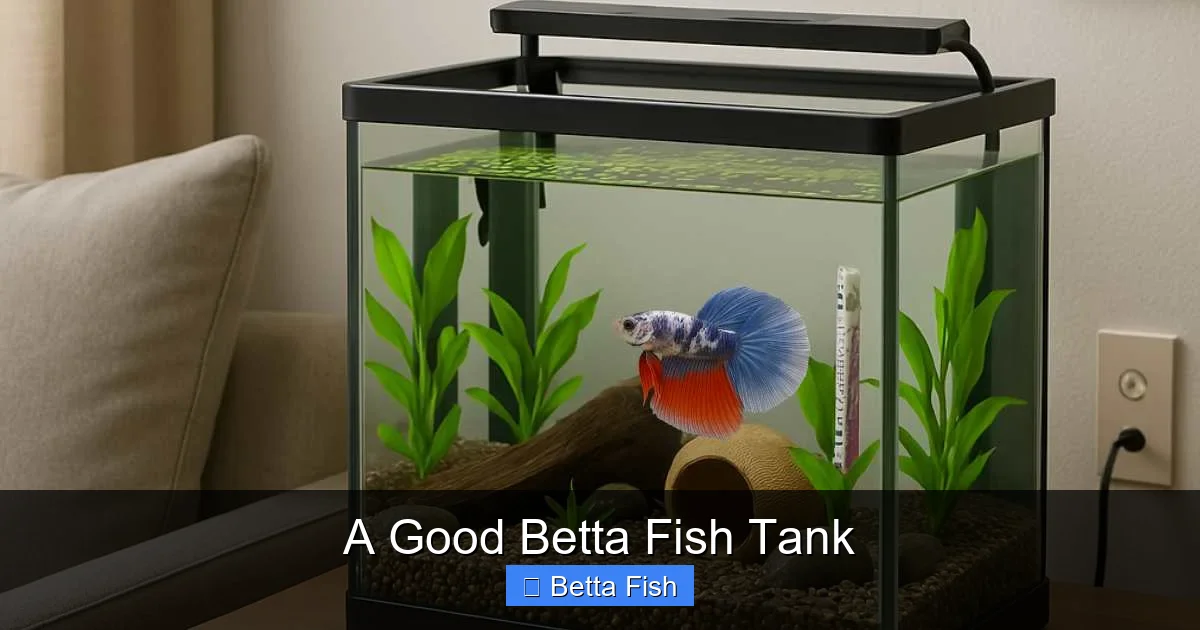
Betta fish are tropical and thrive at 78‑80 °F (25‑27 °C). A reliable submersible heater with an adjustable thermostat is essential. Choose a heater rated for the tank size—generally 25 W for a 5‑gallon tank.
Visual guide about A Good Betta Fish Tank
Image source: bettafishforsale.com
Filtration
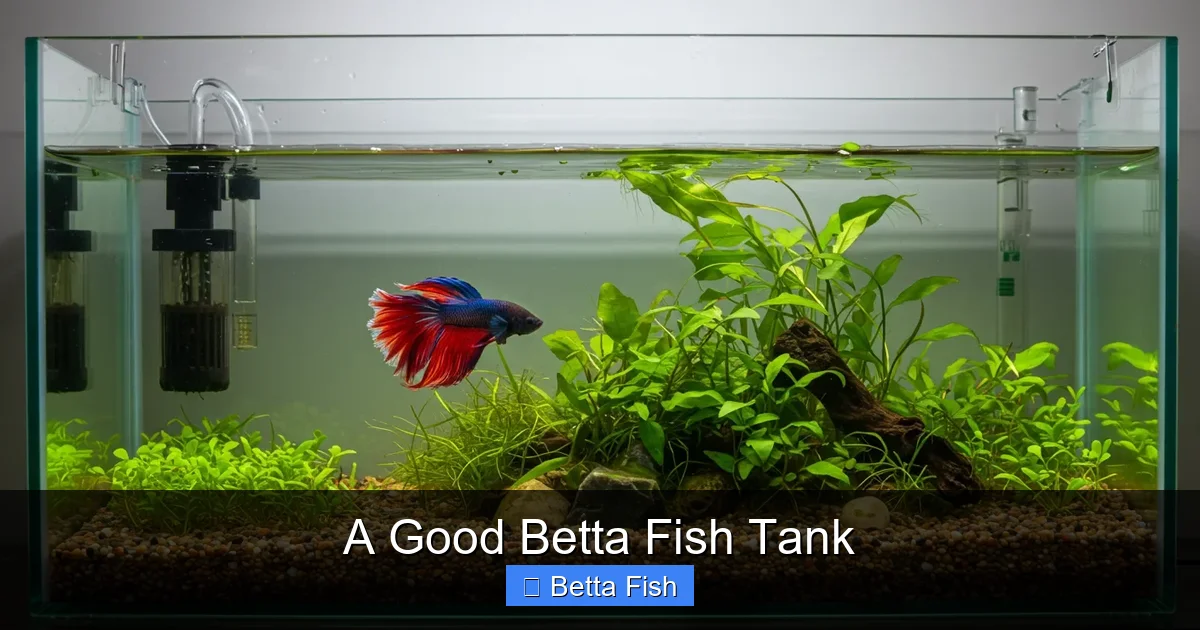
Contrary to the myth that bettas can live in unfiltered water, a gentle filter is highly recommended. A low‑flow sponge filter or a small hang‑on‑back (HOB) filter set to “low” will keep the water clean without creating a current that stresses the betta.
Lighting
If you plan to keep live plants, provide a 10‑hour light cycle with a modest LED fixture. Too much light encourages algae, so a timer is a good idea.
Lid or cover
Betta fish are notorious jumpers. A secure lid (or a piece of glass) prevents escapes and keeps out dust. For a good betta fish tank, a clear acrylic cover works well and lets you enjoy the view.
Substrate
Fine sand or smooth gravel (no sharp edges) mimics the riverbeds where bettas originate. A depth of 1‑2 inches is enough for plant roots and for your betta to explore.
3. Setting Up the Tank – Step by Step
Step 1: Clean and place the tank
Rinse the tank with warm water—no soap. Soap residues can be toxic to fish. If you’re unsure, read our guide on Can You Clean A Betta Fish Tank With Soap for safe cleaning methods.
Visual guide about A Good Betta Fish Tank
Image source: img.houseui.com
Step 2: Add substrate and décor
Spread the sand evenly, then arrange driftwood, smooth rocks, and live plants. Live plants such as Anubias, Java fern, and Marimo moss are low‑maintenance and improve water quality.
Step 3: Fill with conditioned water
Use a water conditioner to neutralize chlorine and chloramines. Fill the tank slowly to avoid disturbing the substrate. For detailed instructions, see How To Fill A Betta Fish Tank.
Step 4: Install heater and filter
Place the heater near the water flow to distribute heat evenly. Turn the filter on low and let it run continuously.
Step 5: Cycle the tank
Even a 5‑gallon tank needs a nitrogen cycle. This process builds beneficial bacteria that convert toxic ammonia into nitrate. Follow a simple cycling guide like How To Cycle A Betta Fish Tank. The cycle usually takes 2‑4 weeks; test kits will tell you when it’s safe.
Step 6: Introduce your betta
Acclimate your betta by floating the bag in the tank for 15‑20 minutes, then slowly add a cup of tank water to the bag every 5 minutes. Once the temperature matches, gently release the fish.
4. Decorating for Comfort and Fun
Live plants vs. silk plants
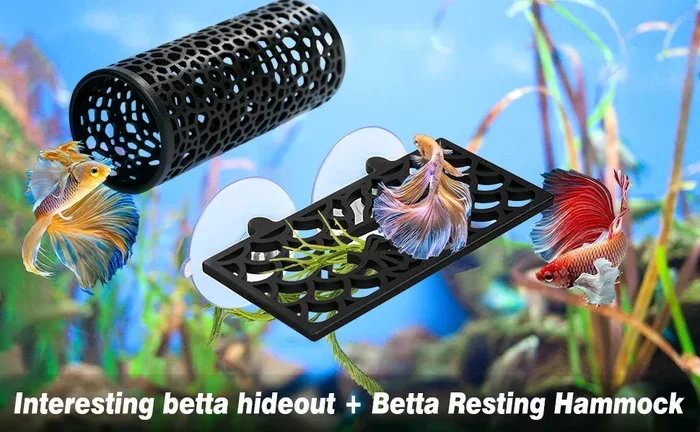
Live plants improve water quality and give your betta natural hiding spots. If you prefer low‑maintenance décor, opt for silk or plastic plants with soft leaves—avoid anything sharp that could tear fin tissue.
Creating a bubble‑nest zone
Betta males love to build bubble nests on the water surface. Provide a calm area near the tank’s front glass, and keep the surface free of floating debris. A small piece of smooth slate can serve as a “nesting platform.”
Safe décor ideas
- Polished river stones (smooth edges)
- Driftwood pieces (pre‑soaked to avoid tannin spikes)
- Floating leaves or lotus pads for natural cover
5. Maintaining a Good Betta Fish Tank
Weekly water checks
Test ammonia, nitrite, and nitrate levels. Keep ammonia and nitrite at 0 ppm, and nitrate below 20 ppm. A quick dip stick kit works well.
Partial water changes
Replace 25‑30 % of the water every week. Use a siphon to remove debris from the substrate, then add conditioned water at the same temperature as the tank.
Cleaning the filter
Rinse filter media in tank water (not tap water) to preserve beneficial bacteria. Replace mechanical media every 4‑6 weeks.
Feeding routine
Offer high‑quality betta pellets or frozen brine shrimp once or twice daily. Only feed what the fish can consume in 2‑3 minutes to prevent excess waste.
When to clean the whole tank
Full clean‑outs are rarely needed. If algae becomes a problem or you notice a drop in water clarity, perform a thorough cleaning of the glass, décor, and substrate while preserving the established bacterial colony.
6. Common Questions About Betta Tank Set‑Ups
Can I keep other fish with my betta?
Betta fish are territorial, especially males. If you want tank mates, choose peaceful, non‑fin‑nipping species like small rasboras or neon tetras, and keep the tank at least 10 gallons.
Do bettas need a heater if the room is warm?
Even in a warm room, temperature can drop at night. A heater ensures a constant 78‑80 °F, which is crucial for a good betta fish tank.
Is a filter necessary for a betta?
While bettas can survive in unfiltered water for short periods, a gentle filter greatly improves water quality and reduces maintenance. It’s a key component of a healthy tank.
How often should I change the water?
Weekly 25‑30 % water changes keep nitrate low and prevent disease. In a well‑cycled 5‑gallon tank, you may stretch to every 10 days, but never skip regular checks.
What temperature is ideal?
Maintain 78‑80 °F (25‑27 °C). Use a reliable aquarium thermometer and adjust the heater as needed.
Can I use tap water straight from the faucet?
No. Tap water contains chlorine and chloramines that are toxic to fish. Always treat the water with a conditioner before adding it to the tank. Learn more in our article Can You Fill A Betta Fish Tank With Tap Water.
Conclusion – Your Betta Deserves the Best
Creating a good betta fish tank is not as daunting as it seems. By choosing the right size, adding gentle filtration and heating, and decorating with safe, natural elements, you set the stage for a healthy, vibrant betta. Remember to cycle the tank, perform regular water changes, and keep an eye on temperature and water parameters. With a little love and routine care, your betta will thrive, showing off its brilliant colors and lively personality for years to come.
Frequently Asked Questions
What is the minimum tank size for a betta fish?
A good betta fish tank should be at least 5 gallons (19 liters). Smaller containers lead to rapid water quality decline and stress.
Do bettas need a heater?
Yes. Betta fish are tropical and require a stable temperature of 78‑80 °F. A reliable heater prevents temperature swings.
Can I keep snails with my betta?
Peaceful snail species like nerite or mystery snails are generally safe tank mates, as they help eat algae and do not provoke aggression.
How often should I clean the tank?
Do a 25‑30 % water change weekly and rinse the filter media in tank water. Full tank cleaning is only needed when algae or debris becomes excessive.
What plants are best for a betta tank?
Low‑light plants such as Java fern, Anubias, and Marimo moss are ideal. They provide cover and improve water quality without demanding strong lighting.
Is it okay to use a glass lid on a betta tank?
Absolutely. A secure lid prevents your betta from jumping out and keeps dust out, while still allowing full view of the tank.