How Long Will a Betta Fish Grow
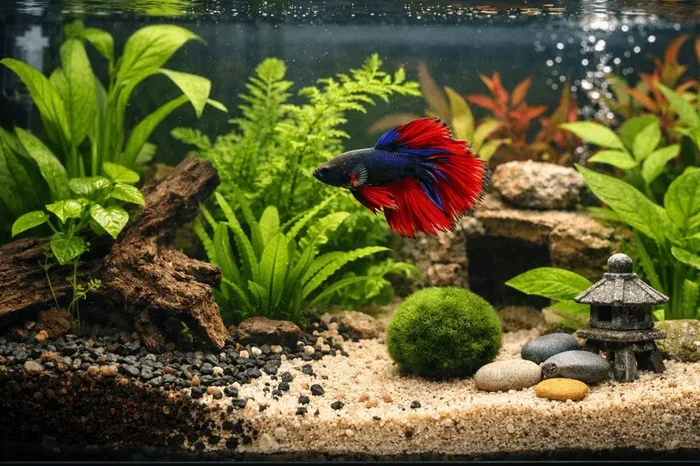
So, how long will a betta fish grow? A betta fish reaches its full size in about 7 to 12 months. Most bettas grow to around 2.5 to 3 inches long, but several factors like diet, tank size, and water quality can influence their growth. Understanding the betta fish growth stages helps you provide the best care at every step. Let us dive into everything you need to know.
So you just brought home a beautiful betta fish. Maybe it is tiny. Maybe it is already showing some color. Either way, you probably want to know how long will a betta fish grow and what you can do to help it thrive. This is a question every betta owner should ask, especially if you want your fish to live a long, healthy life.
The answer is not as simple as just “a few inches.” Betta fish growth depends on many things, including genetics, diet, and the environment you provide. In this guide, we will walk you through everything about betta fish size, growth stages, and what you can do to support healthy development. By the end, you will feel confident about giving your betta the best start in life.
Key Takeaways
- Full Growth Timeline: Betta fish typically reach full size within 7 to 12 months of age.
- Average Size: Most bettas grow to 2.5 to 3 inches, with males often larger than females.
- Key Growth Factors: Diet, water quality, tank size, and temperature all play major roles in betta fish growth.
- Growth Stages Matter: From fry to adult, each stage has unique needs that support healthy development.
- Common Mistakes Slow Growth: Overcrowding, poor nutrition, and dirty water can stunt your betta’s growth significantly.
- Tank Setup Is Critical: A properly sized tank with clean water helps your betta grow to its full potential.
📑 Table of Contents
Understanding Betta Fish Growth Stages
Betta fish go through several distinct stages as they grow. Each stage has its own needs and challenges. Knowing these stages helps you care for your fish properly at every point in its life.
Stage 1: The Fry Stage (0 to 2 Months)
When a betta fish is first born, it is called a fry. At this stage, your baby betta is tiny. We are talking less than a quarter of an inch long. The fry is very fragile and needs extremely clean water and small, live food like infusoria or baby brine shrimp.
During this stage, betta fish development happens fast. The fry starts to develop its fins and begins to show color within the first few weeks. You will also notice the growth spurts starting around week four. This is when proper nutrition really matters.
Stage 2: The Juvenile Stage (2 to 4 Months)
Once your betta reaches the juvenile stage, things start to get exciting. The fish is now around half an inch to one inch long. You will see more vibrant colors emerging, especially in male bettas. The fins start to lengthen and flow more beautifully.
At this point, you can start feeding your betta with larger foods like brine shrimp and small pellets. This is a critical time for betta fish growth because the body is developing rapidly. Make sure the water stays warm and clean during this window.
Stage 3: The Adolescent Stage (4 to 7 Months)
The adolescent stage is when your betta really starts to look like the fish you see in pet stores. Males develop long, flowing fins and intense colors. Females are smaller but still quite pretty. Your betta is now around 1.5 to 2 inches long.
Growth is still happening but slowing down. This is also when behavioral changes start. Male bettas may start building bubble nests, which is a sign of maturity. During this stage, providing a stress-free environment is key to supporting continued betta fish size development.
Stage 4: The Adult Stage (7 to 12 Months and Beyond)
By around 7 to 12 months, most bettas reach their full adult betta fish size. Males typically measure 2.5 to 3 inches from nose to tail. Females are usually a bit smaller, around 2 to 2.5 inches. The colors are now fully developed, and the fins have reached their maximum length.
Some bettas may continue to fill out slightly even after 12 months, but the major growth is done. At this point, your focus shifts to maintaining health and ensuring your fish stays comfortable and happy in its environment.
What Affects How Long a Betta Fish Will Grow
Not all bettas grow the same way. Several factors can speed up or slow down the betta fish growth rate. Understanding these factors gives you the power to give your fish the best possible life.
Tank Size and Environment
The size of the tank matters more than most people think. A betta kept in a tiny bowl will not grow as well as one kept in a properly sized tank. A 5-gallon tank is the minimum recommended size, but a 10-gallon tank is even better. More space means better water quality, which directly supports healthy betta fish growth.
When you set up a fish tank for betta fish, make sure to include hiding spots, plants, and open swimming areas. These elements reduce stress and encourage natural behavior, which promotes better growth.
Water Quality and Temperature
Clean water is essential for a growing betta. Ammonia and nitrite levels should always be at zero. Nitrate should stay below 20 parts per million. Poor water quality is one of the fastest ways to stunt your betta’s growth and shorten its betta fish lifespan.
Temperature also plays a big role. Bettas thrive in water between 78 and 80 degrees Fahrenheit. If the water is too cold, the fish’s metabolism slows down, and growth stalls. If you need help maintaining the right conditions, check out our guide on how to take care of betta fish water for practical tips.
Diet and Nutrition
What you feed your betta has a direct impact on its growth. A high-quality diet rich in protein supports healthy development. In the wild, bettas eat insects, larvae, and small crustaceans. In captivity, you should replicate this diet as closely as possible.
Feed your betta a mix of high-protein pellets, frozen or live brine shrimp, and bloodworms. Avoid overfeeding, though. Excess food pollutes the water and can lead to health problems. A good feeding routine is two small meals per day, with occasional fasting days.
Genetics and Gender
Just like people, bettas inherit traits from their parents. Some bettas are simply genetically predisposed to grow larger and more vibrant. You cannot change genetics, but you can optimize every other factor to help your fish reach its full potential.
Gender also plays a role in betta fish size. Male bettas tend to be larger than females and have longer fins. Female bettas are more compact but still grow to a healthy size. Understanding these differences helps you set realistic expectations for your fish.
Average Betta Fish Size: What to Expect
So, exactly how big do betta fish get? Here is a quick breakdown of what you can expect at each stage:
- Newborn fry: Less than 0.25 inches
- 1 month old: Around 0.5 inches
- 3 months old: Around 1 to 1.5 inches
- 6 months old: Around 2 inches
- 12 months old (full size): 2.5 to 3 inches for males, 2 to 2.5 inches for females
These numbers are averages. Some bettas may be slightly smaller or larger depending on the factors we discussed above. The key is to provide consistent, high-quality care throughout the growth process.
Common Mistakes That Stunt Betta Fish Growth
Many betta owners unintentionally hold back their fish’s growth. Here are the most common mistakes to avoid:
- Keeping your betta in too small a container: Bowls and tiny tanks restrict movement and degrade water quality quickly.
- Overfeeding: Extra food creates ammonia spikes that harm your fish and stunt growth.
- Ignoring water changes: Dirty water stresses your betta and weakens its immune system.
- Feeding low-quality food: Cheap flakes lack the protein your betta needs for proper development.
- Keeping the water too cold: Cold water slows metabolism and reduces the appetite, leading to slower growth.
- Housing bettas together: Male bettas are territorial and will fight, causing stress that inhibits growth.
Avoiding these mistakes sets your betta up for success. If you want more tips on proper care, our article on how to take care of a betta male fish covers essential care practices in detail.
How to Support Healthy Betta Fish Growth
Now that you know what affects growth, here is how you can actively support your betta’s development:
- Provide a tank of at least 5 gallons. More space equals better water quality and less stress.
- Install a gentle filter and heater. Bettas need warm, clean water to thrive.
- Feed a varied, high-protein diet. Rotate between pellets, frozen foods, and live foods for balanced nutrition.
- Perform regular water changes. Change 25 to 30 percent of the water every week to keep conditions ideal.
- Monitor water parameters regularly. Test for ammonia, nitrite, nitrate, and pH at least once a week.
- Keep the tank in a quiet area. Stress from noise and sudden movements can slow growth and affect health.
If you are wondering about the bigger picture, remember that how long does a betta fish live also connects to how well it grows. A fish that grows up healthy in optimal conditions is more likely to live a full, vibrant life. For more on this topic, explore our guide on how long does a betta fish live.
When to Be Concerned About Growth
Sometimes, despite your best efforts, a betta may not seem to be growing as expected. Here are signs that something might be wrong:
- Your betta is not growing after 4 months of age.
- The fish appears thin or underweight despite regular feeding.
- Fins are clamped or not developing properly.
- Color is fading instead of intensifying.
- Your betta seems lethargic or disinterested in food.
If you notice any of these signs, check your water parameters first. Poor water quality is the most common culprit. Next, evaluate your diet. You may need to switch to a higher-quality food or add supplements. If problems persist, consider consulting a veterinarian who specializes in fish health.
Frequently Asked Questions
How long does it take for a betta fish to reach full size?
Most betta fish reach their full adult size within 7 to 12 months. Males typically hit their maximum length of 2.5 to 3 inches by around 12 months, while females may reach full size a bit earlier. Proper care during the first year is the most important factor in achieving healthy growth.
Can a betta fish grow larger than 3 inches?
It is rare, but some bettas can exceed 3 inches under ideal conditions. This usually happens when the fish receives excellent nutrition, lives in a spacious tank, and has strong genetics. However, 2.5 to 3 inches is the standard range for healthy adult bettas.
Why is my betta fish not growing?
Several factors can cause slow or stalled growth, including poor water quality, inadequate diet, cold water temperatures, and stress. Start by testing your water parameters and reviewing your feeding routine. Making improvements in these areas often kickstarts growth again.
Does tank size really affect betta fish growth?
Yes, tank size does matter. A larger tank maintains more stable water conditions, which reduces stress and supports healthy growth. A betta in a 5-gallon or larger tank will generally grow better than one kept in a small bowl or vase.
What is the best food for promoting betta fish growth?
High-protein foods are best for promoting growth. Look for pellets specifically formulated for bettas with at least 30 to 40 percent protein content. Supplementing with frozen or live brine shrimp and bloodworms adds variety and extra nutrition.
Do female betta fish grow as large as males?
No, female bettas are generally smaller than males. Males typically reach 2.5 to 3 inches, while females grow to about 2 to 2.5 inches. Females also have shorter fins and a more compact body shape compared to males.