Can Betta Fish Bite Me
Betta fish can bite, but it’s usually a defensive reaction. Understanding their behavior, tank setup, and handling techniques helps you avoid nips and enjoy a healthy, interactive pet.
Key Takeaways
- Betta bites are rare: Most bites happen when the fish feels threatened or stressed.
- They use their mouth, not teeth: Betta have tiny teeth that can cause a mild pinch.
- Proper handling prevents bites: Gentle, slow movements and clean hands reduce the risk.
- Tank conditions matter: Crowding, poor water quality, and aggressive tank mates increase stress.
- Signs of aggression: Flared fins, darkened bars, and rapid breathing often precede a bite.
- Training helps: Regular, calm interaction can teach your betta to tolerate human contact.
- Safety first: If a bite occurs, clean the wound and reassess your handling routine.
📑 Table of Contents
- Introduction: The Curious Case of the Nipping Betta
- 1. How Betta Fish Bite: Anatomy and Behavior
- 2. Recognizing the Signs Before a Bite Happens
- 3. Safe Handling Techniques to Avoid Bites
- 4. Tank Setup and Its Impact on Bite Behavior
- 5. Training Your Betta to Be More Tolerant
- 6. What to Do If You Get Bit
- Conclusion: Embrace the Betta, Not the Bite
Introduction: The Curious Case of the Nipping Betta
Betta fish, also called Siamese fighting fish, are famous for their bright colors and flowing fins. Many new owners wonder, “Can a betta fish bite me?” The short answer is yes—betta fish can bite, but it’s not the horror story you might imagine. A betta’s bite is usually a quick, gentle nip that feels like a tiny pinch.
Understanding why a betta might bite, what it looks like, and how to prevent it can turn a potentially stressful encounter into a bonding moment. In this article we’ll explore the science behind betta bites, share practical handling tips, and answer the most common questions. By the end, you’ll feel confident keeping your finned friend happy and bite‑free.
1. How Betta Fish Bite: Anatomy and Behavior
What does a betta’s mouth look like?
Betta fish have a small, up‑turned mouth equipped with tiny, conical teeth. These teeth are not designed for chewing large prey; they’re perfect for gripping insects and small crustaceans in the wild. When a betta bites a finger, you’ll feel a brief pinch, not a painful chew.

Visual guide about Can Betta Fish Bite Me
Image source: freeworldmaps.net
Why would a betta decide to bite?
Betta fish are naturally territorial. In the wild they defend small puddles of water from rivals. In an aquarium, they may bite for a few reasons:
- Defensive reaction: Sudden movements or a hand that looks like a predator can trigger a bite.
- Stress or poor water quality: High ammonia, low temperature, or a cramped tank can make a betta irritable.
- Territorial aggression: Male bettas, especially, guard their space fiercely and may nip if they sense an intruder.
Do bettas have “teeth” that can cause injury?
Yes, but the teeth are tiny—about the size of a grain of sand. A bite can break the skin’s outer layer, causing a mild reddening that heals quickly. People with sensitive skin may feel a sting, but serious injury is rare.
2. Recognizing the Signs Before a Bite Happens
Body language that says “back off”
Betta fish are excellent at communicating with their fins and colors. Look for these warning signs:
- Fins flared outward: The betta is making itself look bigger.
- Darkened vertical bars: Known as “bars,” they become darker when the fish is angry.
- Rapid breathing (gill movement): Indicates stress or excitement.
- Sudden darting toward the glass: A “charge” that often precedes a bite.
What to do when you see these signals
Pause your interaction. Move your hand slowly away and give the betta a few minutes to settle. If the fish continues to flare, consider checking water parameters—poor water is a common stressor.
3. Safe Handling Techniques to Avoid Bites
Preparing your hands
Always wash your hands with plain, lukewarm water and avoid soaps or chemicals. A clean, dry hand is less likely to startle the fish.

Visual guide about Can Betta Fish Bite Me
Image source: insight-see.com
Approach method
1. Move slowly: Sudden shadows can look like a predator.
2. Use the side of your hand: Let the betta see the flat surface before you lift it.
3. Support the body, not the fins: Gently cup the fish’s body with your fingers, keeping the fins free to move.
When to avoid handling
During feeding, after a tank cleaning, or when water parameters are out of range, it’s best to give the betta space. Stress levels are higher during these times, increasing bite risk.
4. Tank Setup and Its Impact on Bite Behavior
Size matters
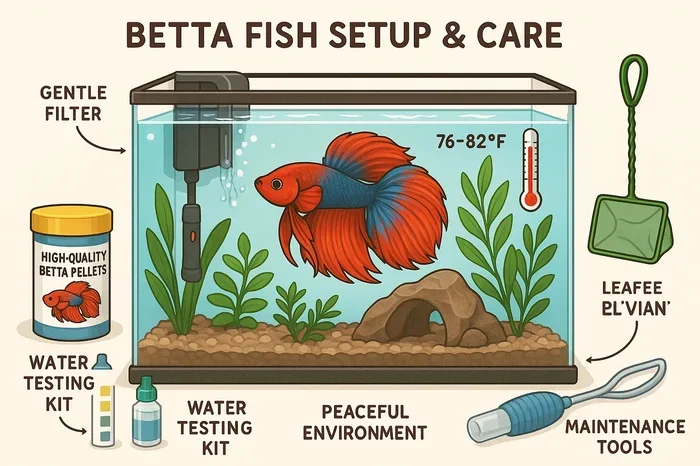
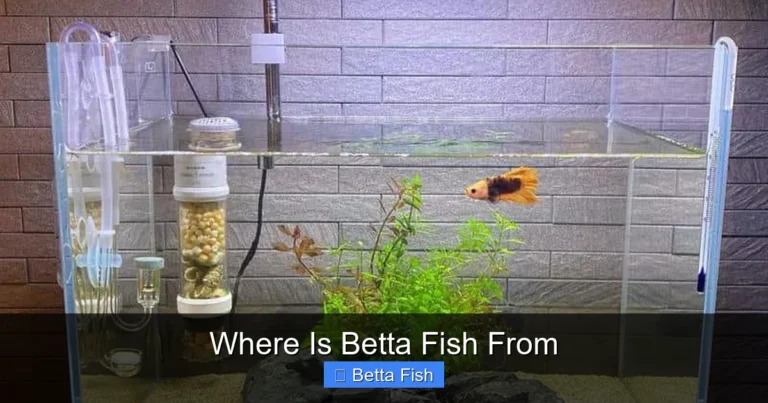
Betta fish need at least 5 gallons of water to thrive. A cramped bowl can cause constant stress, making the fish more prone to nipping. For a calm betta, a proper tank with plenty of swimming space is essential.
Water quality checklist
- Temperature: 76‑82°F (24‑28°C)
- pH: 6.5‑7.5
- Ammonia and nitrite: 0 ppm
- Regular water changes: 25% weekly
Tank mates and aggression
While many hobbyists keep bettas with peaceful species, the wrong companions can increase stress. For example, fast‑moving fish may trigger a defensive bite. If you want tank mates, choose slow, non‑aggressive species like certain shrimp or snails. Read more about compatible companions in our guide on What Other Fish Can Live With Betta Fish.
5. Training Your Betta to Be More Tolerant
Gradual desensitization
Start by simply placing your hand near the glass for a few seconds each day. Reward calm behavior with a small treat (like a tiny frozen bloodworm). Over weeks, increase the time your hand is visible, then gently lower it into the water.
Positive reinforcement
Whenever the betta remains still while you’re near, give a quick snack. This creates an association between your presence and a tasty reward, reducing defensive bites.
Consistency is key
Practice handling twice a week. Short, regular sessions are more effective than occasional long ones. Consistency builds trust, and a trusted betta is less likely to bite.
6. What to Do If You Get Bit
Immediate care
Wash the bite area with mild soap and water. Apply an antiseptic ointment if the skin is broken. Most betta bites heal within a day or two.
Re‑evaluate your routine
After a bite, check your tank’s water parameters and observe the fish’s behavior. Adjust handling techniques based on the warning signs you’ve learned.
When to seek medical help
If the bite becomes infected—redness, swelling, or pus—consult a healthcare professional. This is rare but possible for people with compromised immune systems.
Conclusion: Embrace the Betta, Not the Bite
Betta fish can bite, but with proper care, a well‑maintained tank, and gentle handling, bites are uncommon and usually harmless. By reading your betta’s body language, keeping the environment clean, and practicing calm interaction, you’ll turn a potential nipping incident into a rewarding friendship.
Remember, your betta is a curious, intelligent creature that thrives on routine and respect. Treat it with kindness, and it will reward you with dazzling colors, graceful fins, and occasional playful nudges—without the pinch.
Frequently Asked Questions
Can betta fish bite humans?
Yes, betta fish can bite, but the bite is a small pinch caused by tiny teeth and is usually harmless.
Why does my betta fish bite when I try to feed it?
Feeding can be exciting, and a sudden hand movement may be seen as a threat. Approach the tank slowly and offer food with a gentle hand motion.
Do female bettas bite more than males?
Both sexes can bite, but males are generally more territorial and may bite more often when they feel their space is invaded.
Can I train my betta not to bite?
Yes. Using gradual desensitization and positive reinforcement—rewarding calm behavior with treats—can reduce biting over time.
Is a betta bite dangerous for children?
While a betta bite may cause a mild skin irritation, it is not dangerous. Supervise children and teach them gentle handling.
Should I change my tank setup if my betta keeps biting?
Yes. Poor water quality, cramped space, or aggressive tank mates can increase stress. Ensure a proper tank size, clean water, and compatible companions.