How to Take Care of a Betta Fish Wikihow
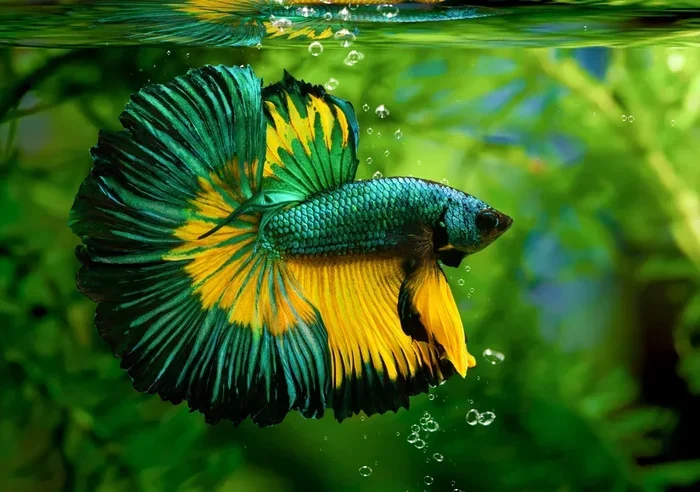
Learning how to take care of a betta fish is easier than most people think. This wikihow-style guide covers everything from tank setup and water quality to feeding schedules and common health problems. You will walk away with clear, actionable steps to keep your betta fish thriving for years.
Taking care of a betta fish does not have to be complicated. If you have ever searched for a simple step-by-step guide, you have probably seen articles that make it look harder than it really is. The truth is, betta fish care comes down to a few basics done consistently. In this guide, we break everything down into easy-to-follow steps, just like a wikihow article would.
Whether you just brought home your first betta or you have had one for a while, this guide has something for you. We will cover tank setup, feeding, water quality, common health issues, and bonding with your fish. By the end, you will feel confident and ready to give your betta the best life possible.
Betta fish are beautiful, hardy creatures that can live three to five years with proper care. They come in stunning colors and flowing fins that make them a favorite among fish keepers. But beauty alone does not mean they are low-maintenance. They need a clean environment, the right food, and a little attention every day.
Think of this guide as your go-to reference. You do not need to read it all at once. Bookmark it, come back to it, and use it whenever you have a question. Let us dive into the world of how to take care of a betta fish the right way.
Key Takeaways
- Choose the Right Tank: A minimum 5-gallon tank gives your betta fish room to swim and stay healthy.
- Keep Water Clean: Regular water changes and proper filtration prevent disease and stress in your betta.
- Feed Smart: A balanced diet of pellets and occasional treats keeps your betta fish active and colorful.
- Watch for Warning Signs: Recognizing early symptoms of illness helps you act fast and save your fish.
- Build a Bond: Spending time with your betta fish creates a rewarding connection for both of you.
📑 Table of Contents
Why Proper Betta Fish Care Matters
Many people underestimate what goes into keeping a betta fish healthy. These fish may look tough, but they are sensitive to poor water conditions and stress. Giving them the right care from day one makes a huge difference in their lifespan and happiness.
Understanding Your Betta’s Natural Habitat
Betta fish come from the warm, slow-moving waters of Southeast Asia. They live in rice paddies, shallow ponds, and flooded fields. This means they are used to warm water and gentle currents. Replicating these conditions in your home tank helps your fish feel safe and comfortable.
A common mistake new owners make is keeping their betta in a tiny bowl with no filter. While bettas can survive in small spaces, they thrive in larger environments. A 5-gallon tank or bigger gives them room to explore and stay active.
Why a Wikihow-Style Approach Works
The beauty of a wikihow-style guide is that it breaks complex topics into simple, bite-sized steps. You do not need a biology degree to care for a betta fish. You just need clear instructions and the willingness to follow through. This guide gives you both.
Each section below focuses on one key area of betta fish care. Follow them in order, or jump to the section you need most. Either way, you will build a solid foundation for keeping your fish healthy.
Setting Up the Perfect Betta Fish Tank
The tank is your betta fish’s entire world. Getting the setup right is the single most important thing you can do. A well-planned tank reduces stress, prevents disease, and lets your fish show off its true colors.
Choosing the Right Tank Size
Many pet stores sell betta fish in tiny cups or vases. This is convenient for the store but terrible for the fish. A 5-gallon tank is the minimum recommended size for a single betta. If you can go bigger, even better.
Here is a quick look at tank size options:
- 1-2 gallons: Only acceptable for temporary housing. Not suitable for long-term care.
- 5 gallons: The sweet spot for a single betta fish. Easy to manage and maintain.
- 10 gallons or more: Ideal for a betta with plants, decorations, and stable water parameters.
If you want a complete setup guide, check out our article on how to set up a fish tank for betta fish for detailed step-by-step instructions.
Essential Equipment for Your Betta Tank
You do not need a lot of fancy equipment, but a few basics are non-negotiable. Here is what every betta tank needs:
- Filter: A gentle sponge filter keeps water clean without creating too much current. Bettas prefer still or slow-moving water.
- Heater: Betta fish need warm water between 76 and 82 degrees Fahrenheit. A small submersible heater does the job perfectly.
- Thermometer: An inexpensive thermometer lets you monitor the water temperature daily.
- Lighting: Standard LED aquarium lights work great. They also help live plants grow if you choose to add them.
- Substrate: Fine gravel or sand works well. Avoid rough substrates that could damage your betta’s delicate fins.
Setting up the tank before you bring your fish home is crucial. Let the tank cycle for at least two weeks. This builds beneficial bacteria that keep the water safe. Skipping this step is one of the most common causes of early betta fish loss.
Feeding Your Betta Fish the Right Way
Feeding your betta fish might seem simple, but there is more to it than just dropping food in the tank. What you feed, how much you feed, and how often you feed all matter.
What to Feed Your Betta Fish
A high-quality betta pellet should be the staple of your fish’s diet. Look for pellets with protein as the first ingredient. Bettas are carnivores, so they need a protein-rich diet to stay healthy and colorful.
You can also offer variety with these options:
- Frozen or live brine shrimp: A great treat that mimics their natural diet.
- Bloodworms: Nutritious and appealing, but feed sparingly since they are high in fat.
- Daphnia: Helps with digestion and makes a good occasional meal.
- Flake food: Not ideal as a main diet, but acceptable as a supplement.
Avoid feeding your betta fish human food. Bread, crackers, and other processed foods can cause serious digestive problems. Stick to foods made specifically for bettas.
How Often Should You Feed Your Betta
Feeding your betta once or twice a day is the sweet spot. Offer only what your fish can eat in two to three minutes. Overfeeding is one of the biggest mistakes new owners make. Excess food rots in the tank and fouls the water quickly.
Consider fasting your betta for one day per week. This helps prevent constipation and keeps the digestive system healthy. Many experienced fish keepers swear by this simple practice.
Water Quality and Maintenance
Clean water is the foundation of good betta fish care. Poor water quality leads to stress, disease, and a shortened lifespan. Staying on top of water maintenance is the best thing you can do for your fish.
Ideal Water Parameters for Betta Fish
Betta fish are sensitive to water conditions. Keeping these parameters in check will help your fish thrive:
- Temperature: 76 to 82 degrees Fahrenheit (24 to 28 degrees Celsius).
- pH Level: Between 6.5 and 7.5. Stable pH is more important than hitting a perfect number.
- Ammonia: 0 parts per million. Even trace amounts are toxic to bettas.
- Nitrite: 0 parts per million. This compound is harmful and should never be present.
- Nitrate: Below 20 parts per million. Regular water changes keep nitrate levels low.
If you are new to testing water, invest in a liquid test kit. Strips are convenient but less accurate. Knowing your water parameters gives you confidence and control over your tank environment.
How to Perform Water Changes
Regular water changes are essential. For a 5-gallon tank, change 25 to 30 percent of the water every week. For larger tanks, a 20 percent weekly change works well.
Here is a simple process to follow:
- Siphon debris from the substrate using a gravel vacuum.
- Remove the targeted amount of water into a bucket.
- Treat the new water with a water conditioner to remove chlorine and chloramine.
- Let the new water match the tank temperature before adding it.
- Gently pour the water back into the tank.
Never replace all the water at once. This removes beneficial bacteria and shocks your fish. Consistent, partial water changes are the safest approach.
Betta Fish Care in Winter
Cold weather can be tough on betta fish, especially if you do not have a reliable heater. If you live in a cooler climate, you may need to take extra steps during winter months. Check out our article on how to take care of betta fish in winter for seasonal tips on maintaining stable temperatures and keeping your fish comfortable when the weather drops.
Common Health Issues and How to Prevent Them
Even with the best care, betta fish can sometimes get sick. Knowing the signs of common problems helps you catch issues early and respond quickly.
Recognizing Signs of a Sick Betta Fish
Watch for these warning signs that something is wrong:
- Clamped fins: Fins held close to the body often indicate stress or illness.
- Loss of color: A faded or dull appearance can signal poor health.
- Not eating: Skipping more than one meal is a red flag.
- Labored breathing: Rapid or heavy breathing near the surface suggests low oxygen or disease.
- White spots on the body: This is a classic sign of ich, a common parasitic infection.
- Lethargy: Hiding at the bottom or not moving much can mean your fish is unwell.
Catching these signs early gives you the best chance of treating the problem successfully. Observe your betta fish daily, even if just for a minute or two. Familiarity with your fish’s normal behavior makes it easy to spot anything unusual.
Preventing Common Betta Fish Diseases
Prevention is always better than cure. Follow these practices to keep your betta healthy:
- Keep the tank clean with regular water changes.
- Do not overfeed. Remove uneaten food after a few minutes.
- Quarantine new fish before adding them to your main tank.
- Avoid sudden changes in temperature or water parameters.
- Provide a stress-free environment with gentle flow and plenty of hiding spots.
If your betta does develop ich, act quickly. Our guide on how to treat ich on a betta fish covers effective treatment methods that are safe and easy to follow. Most common diseases are treatable when caught early.
Building a Bond with Your Betta Fish
One of the most rewarding parts of owning a betta fish is the connection you can build over time. Bettas are smarter than people give them credit for. With patience and consistency, you can develop a genuine relationship with your fish.
Understanding Betta Fish Behavior
Betta fish have distinct personalities. Some are curious and bold, swimming right up to the glass when you approach. Others are shy and prefer to hide among plants and decorations. Both behaviors are completely normal.
Watch your fish for patterns. Does your betta get excited when it sees you? Does it flare its fins at its own reflection? These behaviors tell you a lot about your fish’s mood and comfort level. Understanding behavior helps you respond appropriately and build trust.
Tips for a Happy, Healthy Betta
Here are a few simple ways to enrich your betta’s life and strengthen your bond:
- Talk to your fish: Bettas can recognize their owners and may respond to your voice over time.
- Add plants: Live or silk plants give your betta places to explore and rest.
- Use a mirror briefly: A quick mirror session (just a few minutes) can stimulate your betta and provide exercise.
- Introduce enrichment: Gently move your finger along the glass or drop a floating leaf for your fish to investigate.
For more ideas on strengthening your connection, read our article on how to grow a bond with your betta fish. These small efforts add up and make a big difference in your fish’s quality of life.
Quick Tips for Success
Here are some fast reminders to keep in mind every day:
- Check the water temperature daily with your thermometer.
- Feed small amounts twice a day, never more than your fish can eat in a few minutes.
- Do a small water change every week without fail.
- Watch your betta for any changes in behavior or appearance.
- Keep the tank lights on for 8 to 10 hours a day, not 24/7.
- Never use soap or chemicals near your aquarium.
- Be patient. A new tank takes time to stabilize and a new fish takes time to adjust.
Consistency beats perfection every time. You do not need to be a perfect fish owner. You just need to show up and do the basics well. Your betta fish will thank you with vibrant colors, energetic swimming, and a long, healthy life.
Conclusion
Taking care of a betta fish is a rewarding experience that anyone can enjoy. With the right tank setup, proper feeding, clean water, and a little attention, your betta can thrive for years. This wikihow-style guide has given you the foundational knowledge you need to succeed.
Remember that every fish is different. Pay attention to your own betta’s unique personality and needs. Adjust your care routine as you learn more. The most important thing is that you care enough to try. That already puts you ahead of many fish owners out there.
Start with the basics, stay consistent, and enjoy the journey. Your betta fish is lucky to have someone who wants to learn how to give it the best life possible. Now go put these tips into action and watch your fish flourish.
Frequently Asked Questions
How often should I clean my betta fish tank?
Perform a 25 to 30 percent water change every week. This keeps ammonia and nitrate levels low without disrupting the beneficial bacteria in your tank. A full tank cleaning is only needed every few months.
Can betta fish live in a bowl without a filter?
Technically yes, but a bowl without a filter makes maintenance much harder. A 5-gallon tank with a gentle sponge filter is the recommended setup. It provides better water quality and a healthier environment for your fish.
What is the lifespan of a betta fish with proper care?
With good care, a betta fish can live three to five years. Some well-cared-for bettas have even been known to reach five years or slightly beyond. Consistent water quality and a proper diet are the biggest factors.
Why is my betta fish not eating?
Loss of appetite can be caused by stress, poor water quality, or illness. Check your water parameters first. If the water is fine, try offering a different food type. If the behavior continues for more than two days, look for other symptoms of disease.
Can I keep two betta fish together?
Male bettas should never be housed together because they will fight. Female bettas can sometimes live in groups called sororities, but this requires a larger tank and careful setup. For most beginners, keeping one male betta alone is the safest choice.
Do betta fish need a heater?
Yes, betta fish need a heater to maintain stable water temperatures between 76 and 82 degrees Fahrenheit. Room temperature water is often too cool for them. A small submersible aquarium heater is an affordable and essential piece of equipment.