A Good Companion for Betta Fish
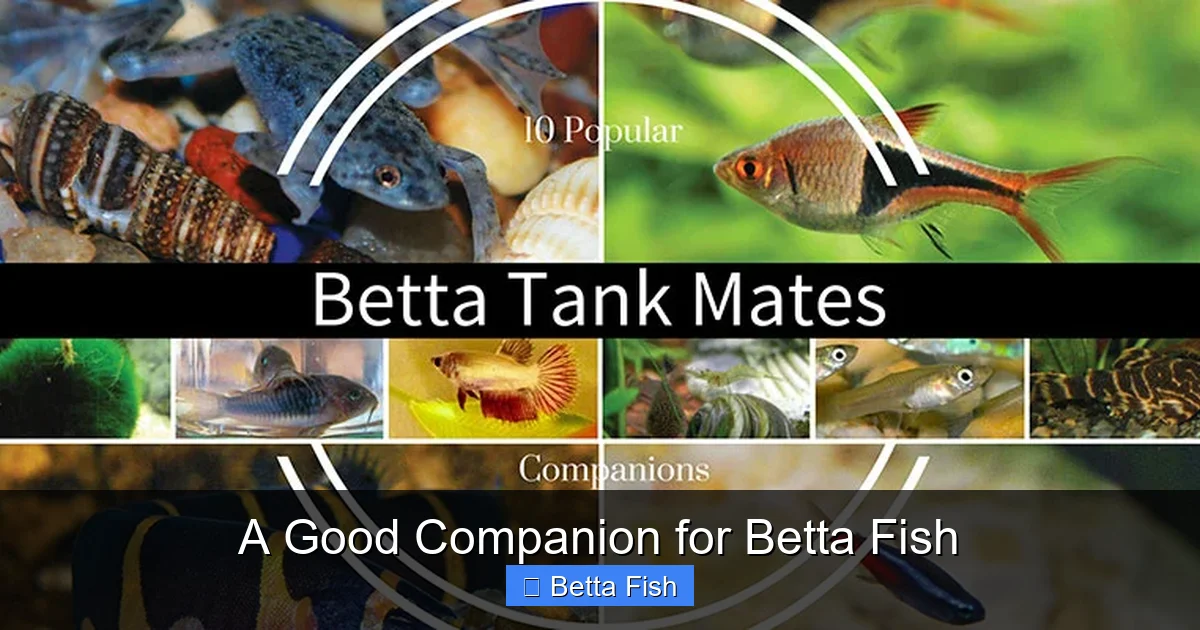
Looking for a good companion for betta fish? Choosing the right tank mates and plants can boost your betta’s health and happiness while preventing aggression. Read on for friendly species, setup tips, and easy care advice.
Key Takeaways
- Compatibility matters: Choose peaceful, similarly sized species to avoid stress.
- Environment is key: Provide plenty of hiding spots and plants to reduce territorial fights.
- Water parameters must match: Keep temperature and pH consistent for all inhabitants.
- Start slow: Introduce new companions gradually and monitor behavior daily.
- Know the limits: Not every fish can share a tank; some will always be aggressive.
- Live plants help: They improve water quality and give your betta places to rest.
- Regular maintenance: Clean water and proper filtration keep everyone healthy.
📑 Table of Contents
- Why Finding a Good Companion for Betta Fish Is Worth the Effort
- Choosing the Right Species: Who Makes a Good Companion for Betta Fish?
- Setting Up the Tank for a Good Companion for Betta Fish
- Introducing a Good Companion for Betta Fish: Step‑by‑Step
- Common Mistakes and How to Avoid Them
- Long‑Term Care for a Community Betta Tank
- Conclusion: A Happy Betta Deserves a Friendly Buddy
Why Finding a Good Companion for Betta Fish Is Worth the Effort
Betta fish are famous for their dazzling colors and long, flowing fins. Their nickname, “Siamese fighting fish,” comes from a natural instinct to defend territory. Because of this, many hobbyists keep bettas alone. But a solitary betta can become bored, develop fin‑rot, or show signs of stress. Adding a good companion for betta fish can provide mental stimulation, improve water quality, and make the aquarium look more natural.
Before you start picking tank mates, you need to understand a betta’s behavior. Male bettas are especially territorial; females are a bit more tolerant but still like their space. The goal is to find species that are small, non‑aggressive, and occupy different parts of the tank. When you succeed, you’ll see your betta swim confidently, explore, and even display brighter colors.
Choosing the Right Species: Who Makes a Good Companion for Betta Fish?
Not every fish can live with a betta. Below are the top candidates that consistently prove to be a good companion for betta fish.
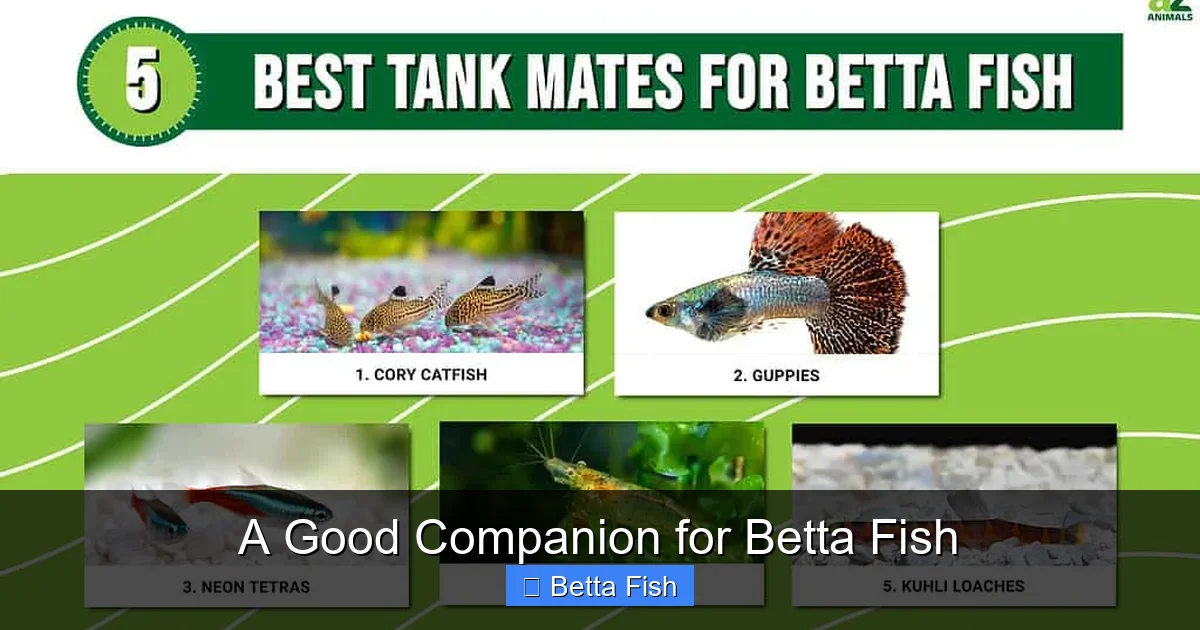
Visual guide about A Good Companion for Betta Fish
Image source: a-z-animals.com
1. Neon Tetras
Neon tetras are tiny, schooling fish that stay near the surface. Their bright blue stripe adds a splash of color without intimidating a betta. Keep a group of at least six; the “safety in numbers” effect reduces stress for both species.
2. Corydoras Catfish
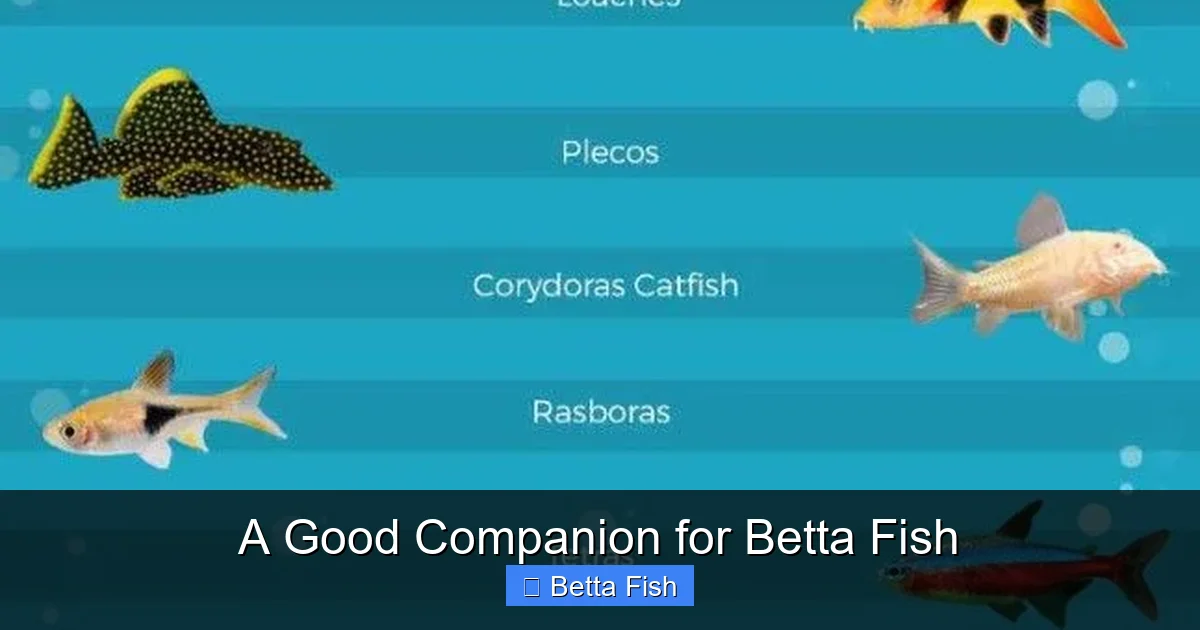
These bottom‑dwelling “catfish” love to sift through the substrate. Because they stay low, they rarely cross paths with a betta’s vertical territory. A small group (3‑4) works well, and their gentle foraging helps keep the tank clean.
3. Harlequin Rasboras
Harlequin rasboras are peaceful, mid‑level swimmers with a striking black‑and‑silver pattern. Like neon tetras, they prefer to be in a school, which creates a calm visual backdrop for the betta.
4. Otocinclus Catfish
These tiny algae eaters are perfect for a planted tank. They stick to glass and plants, rarely venturing into the betta’s domain. They also help control algae, improving overall water quality.
5. Shrimp (Cherry or Ghost)
While not fish, shrimp are popular in betta setups. They scavenge leftovers and add movement at the bottom. Choose larger shrimp and keep the betta’s fins trimmed to reduce accidental nipping.
6. Small Live Plants
Plants aren’t “companions” in the animal sense, but they act like silent allies. Species like Java fern, Anubias, and Marimo moss balls provide hiding spots, lower stress, and improve water chemistry.
Setting Up the Tank for a Good Companion for Betta Fish
Even the perfect tank mate can cause trouble if the environment isn’t right. Follow these steps to create a harmonious home.
Visual guide about A Good Companion for Betta Fish
Image source: i.pinimg.com
Tank Size and Layout
A minimum of 10 gallons is recommended for a betta with companions. This gives enough swimming space and dilutes waste. See our guide on what is a good size tank for a betta fish for detailed sizing tips.
Water Parameters
- Temperature: Keep the water between 76‑82°F (24‑28°C). Consistency is crucial; sudden drops can stress a betta and its companions. Check out what temperature should water be for a betta fish for more details.
- pH: Aim for 6.5‑7.5. Most community fish thrive in this range.
- Hardness: Soft to moderately hard water (50‑150 ppm) works well for both bettas and most small tetras.
Filtration and Flow
Use a gentle filter that creates a low current. Bettas are “labyrinth fish” and can breathe air at the surface, but they dislike strong streams. A sponge filter or a HOB filter with a spray bar set low works nicely.
Decor and Hiding Places
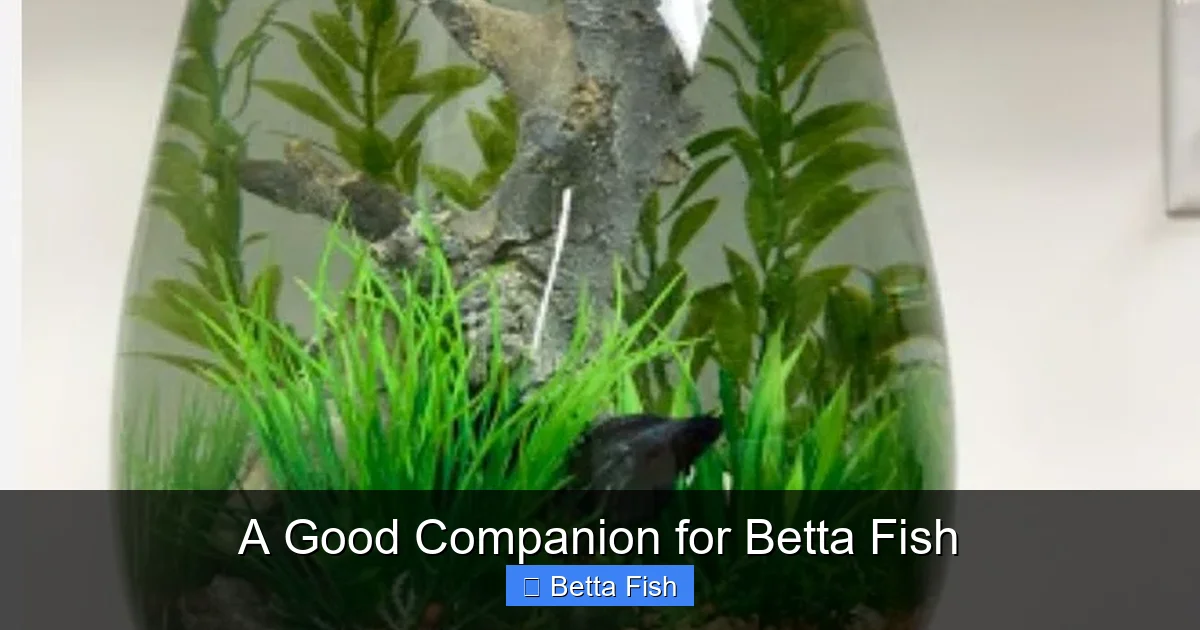
Live plants, driftwood, and smooth rocks give your betta places to rest and establish territory. Arrange decor so the tank has distinct zones: top, middle, and bottom. This spatial separation helps a good companion for betta fish feel safe.
Introducing a Good Companion for Betta Fish: Step‑by‑Step
Even with perfect planning, introductions need care. Here’s a simple process to follow.
Visual guide about A Good Companion for Betta Fish
Image source: i.pinimg.com
1. Quarantine New Arrivals
Keep any new fish or shrimp in a separate hospital tank for at least two weeks. This prevents disease from spreading to your betta.
2. Rearrange the Tank
Before adding the new companion, move a few plants or decorations. This “reset” makes the betta think the territory is new, reducing aggression.
3. Float the Bag
Place the sealed bag of the new fish in the aquarium for 15‑20 minutes. This equalizes temperature and lets the betta see the newcomer without direct contact.
4. Release Gently
Use a net to transfer the new fish into the tank. Avoid adding the water from the bag, as it may contain pollutants.
5. Observe Closely
Watch for signs of stress: frayed fins, rapid breathing, or constant hiding. If the betta chases the new fish aggressively, be ready to separate them.
Common Mistakes and How to Avoid Them
Even experienced hobbyists slip up. Knowing the pitfalls can save you time and heartache.
Choosing the Wrong Size
Big, fast swimmers can outcompete a betta for food, while larger fish may see the betta as a snack. Stick to small, slow‑moving species.
Ignoring Water Quality
Overcrowding leads to spikes in ammonia and nitrite. Perform regular water changes (about 25 % weekly) and test parameters frequently.
Mixing Aggressive Species
Species like guppies with long, flowing tails can trigger a betta’s aggression. Avoid fish with bright, flowing fins that mimic a male betta.
Skipping Live Plants
Plants are not just décor; they absorb nitrates and provide cover. A tank without plants often feels barren, increasing stress for a betta looking for a place to hide.
Long‑Term Care for a Community Betta Tank
Once you’ve found a good companion for betta fish, keep the environment stable.
Feeding
Feed the betta high‑quality pellets or frozen foods once or twice daily. Feed community fish small amounts two to three times a day. Remove uneaten food after five minutes to prevent water fouling.
Regular Maintenance
- Weekly 20‑30 % water changes.
- Check filter media and rinse in tank water, not tap water.
- Trim dead plant leaves to keep the tank looking tidy.
Health Monitoring
Look for signs of disease in all inhabitants: white spots, frayed fins, or unusual swimming patterns. Early detection means quicker treatment.
Conclusion: A Happy Betta Deserves a Friendly Buddy
Finding a good companion for betta fish is more than a hobby; it’s a way to enrich the life of a beautiful, intelligent creature. By selecting peaceful, appropriately sized tank mates, providing plenty of plants and hiding spots, and maintaining stable water conditions, you create a thriving mini‑ecosystem where your betta can shine. Remember to introduce new friends slowly, keep an eye on behavior, and adjust the environment as needed. With patience and care, your betta will enjoy a vibrant, stress‑free home alongside its new companions.
Frequently Asked Questions
Can I keep a male betta with a female guppy?
It’s not recommended. Guppies have long, flowing tails that can trigger a male betta’s aggression, leading to fights.
How many neon tetras should I add to a betta tank?
At least six neon tetras are advisable. Their schooling behavior makes them feel safer and less likely to be targeted.
Do live plants really reduce betta aggression?
Yes. Plants break sight lines, give the betta places to hide, and improve water quality, all of which lower stress and aggression.
What temperature should the tank stay at for mixed species?
Maintain a stable range of 76‑82°F (24‑28°C). This suits both bettas and most small community fish.
How often should I change the water in a community betta tank?
Change 20‑30 % of the water weekly, or more often if you notice cloudy water or rising nitrate levels.
Can I add a snail to a betta tank?
Yes, a small nerite snail works well. It helps clean algae and is usually ignored by a calm betta.