Looking for a better fish bowl for your Betta? This guide shows you how to upgrade a simple bowl into a safe, beautiful, and low‑maintenance habitat. Follow easy steps for water quality, décor, and daily care to keep your Betta thriving.
Key Takeaways
- Size matters: A minimum of 5 gallons is ideal for a healthier Betta.
- Filtration & heating: A small filter and heater dramatically improve water stability.
- Substrate choice: Sand or fine gravel works, but sand mimics a natural environment.
- Decoration safety: Use live plants or smooth ornaments to prevent fin damage.
- Regular maintenance: Partial water changes every 2‑3 days keep ammonia low.
- Monitoring: Keep an eye on temperature, pH, and Betta behavior for early problem signs.
- Upgrade path: Simple additions can turn a plain bowl into a mini‑aquarium without breaking the bank.
📑 Table of Contents
- Why the Classic Bowl Is Not Enough
- Step 1: Choose the Right Size and Shape
- Step 2: Add Gentle Filtration
- Step 3: Keep the Water Warm and Stable
- Step 4: Pick the Right Substrate
- Step 5: Decorate Safely and Creatively
- Step 6: Master Water Changes and Cleaning
- Step 7: Monitor Health and Behavior
- Budget‑Friendly Upgrades
- When to Move to a Full‑Sized Tank
- Conclusion
Why the Classic Bowl Is Not Enough
Most of us grew up seeing bright Betta fish swimming in tiny glass bowls. Those bowls look cute, but they often hide serious problems. A Betta’s natural habitat is a slow‑moving, warm, and well‑oxygenated stream. A plain bowl can become hot, stagnant, and cramped very quickly.
When you understand the shortcomings, you’ll see why a better fish bowl is more than just a decorative upgrade—it’s a health upgrade. Below we’ll break down the science, then walk you through practical steps to improve every aspect of the bowl.
Common issues with traditional bowls
- Limited water volume: Small bowls heat up fast and hold very little ammonia‑absorbing capacity.
- No filtration: Without a filter, waste builds up, leading to cloudy water and disease.
- Inadequate temperature control: Room temperature fluctuates, stressing the Betta.
- Sharp edges and rough décor: These can tear delicate Betta fins.
Step 1: Choose the Right Size and Shape
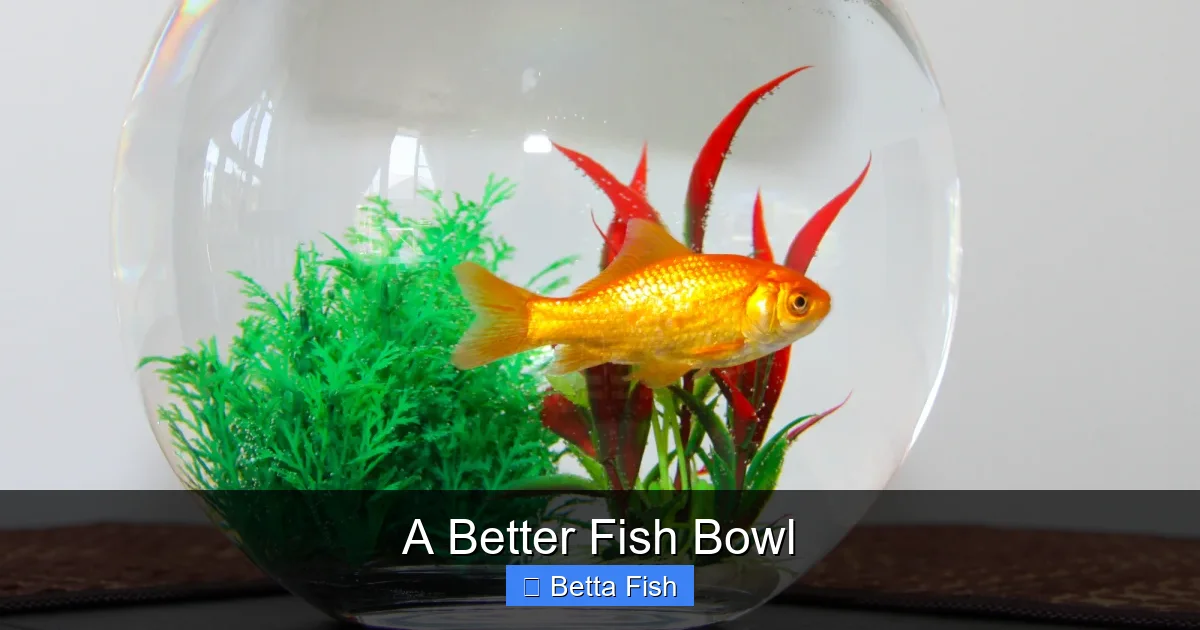
The first rule of a better fish bowl is size. While a 2‑inch bowl may look adorable, it offers far too little space. Aim for at least a 5‑gallon (≈19 L) container. This provides enough water to dilute waste and keep temperature steady.
Visual guide about A Better Fish Bowl
Image source: images.saymedia-content.com
What counts as “bowl”?
Don’t be fooled by the term “bowl.” A wide, shallow glass or acrylic container with a flat top works fine, as long as it holds the right volume. Many hobbyists repurpose small desktop aquariums, which are essentially bowls with a built‑in lid.
Internal link example
Wondering if a Betta can survive in a tiny bowl? Read our article on Can You Keep Betta Fish In A Small Bowl for the science behind size limits.
Step 2: Add Gentle Filtration
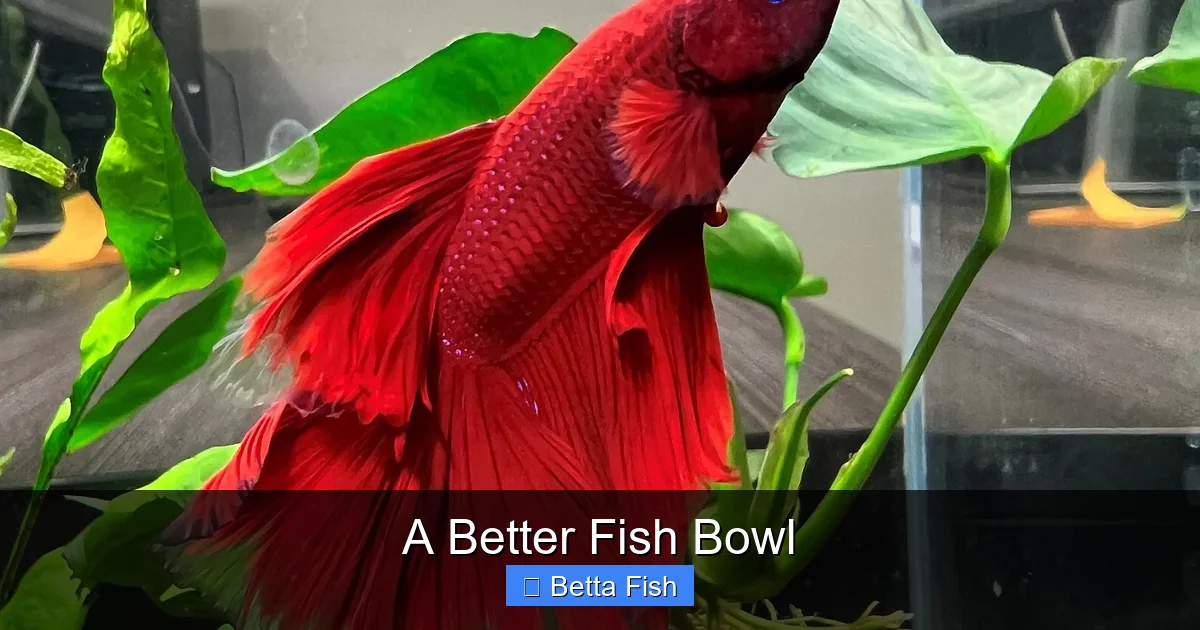
Even a tiny sponge filter makes a huge difference. It removes hidden toxins, provides gentle water movement, and helps oxygenate the water without stressing the Betta.
Visual guide about A Better Fish Bowl
Image source: ntlabs.co.uk
Choosing a filter
- Sponge filters: Easy to clean, low flow, perfect for Betta’s delicate fins.
- Hang‑on‑back (HOB) filters: Choose models with adjustable flow.
- Internal power filters: Small units that sit at the bottom; keep the intake covered with a fine mesh.
Installation tip
Place the filter intake near the surface where water is richest in oxygen. Use a baffle or a piece of PVC pipe to diffuse the flow, creating a gentle swirl rather than a strong current.
Step 3: Keep the Water Warm and Stable
Betta fish are tropical; they love water that stays between 76°F and 82°F (24‑28°C). A small submersible heater with an adjustable thermostat is essential.

Visual guide about A Better Fish Bowl
Image source: as1.ftcdn.net
Thermostat placement
Secure the heater near the back wall of the bowl, away from decorations that could block heat. Use a reliable digital thermometer to double‑check the temperature twice a day, especially in winter.
Temperature FAQ
For a deeper dive into ideal temperatures, see What Temperature Should A Betta Fish Water Be.
Step 4: Pick the Right Substrate
Substrate isn’t just for looks; it influences water chemistry and provides a place for beneficial bacteria to colonize. Both sand and fine gravel work, but sand is often preferred because it mimics the Betta’s natural riverbed.
Sand vs. Gravel
Read the full comparison in our guide Which Is Better Sand Or Gravel For A Fish Tank. In short:
- Sand: Soft on fins, easy to sift, looks natural.
- Gravel: Provides more surface area for bacteria, but can have sharp edges.
How to rinse substrate
Rinse the chosen substrate in a bucket with dechlorinated water until the water runs clear. This removes dust that could cloud the bowl.
Step 5: Decorate Safely and Creatively
Betta fish love to explore, hide, and rest on surfaces. A well‑decorated bowl reduces stress and encourages natural behaviors.
Live plants vs. artificial
- Live plants: Java moss, Anubias, and Marimo algae are low‑light, hardy, and help absorb nitrates.
- Artificial plants: Choose silk or soft plastic varieties without sharp edges.
Decor ideas
- Use smooth river rocks or polished pebbles to create “caves.”
- Add a floating leaf or a piece of driftwood for surface resting spots.
- Include a small piece of PVC pipe cut lengthwise as a tunnel.
Need inspiration? Check out How To Decorate A Betta Fish Bowl for step‑by‑step ideas.
Step 6: Master Water Changes and Cleaning
Even with a filter, regular water changes are vital. Aim for a 25‑30% change every 2‑3 days. This keeps ammonia and nitrite levels low and refreshes trace minerals.
Step‑by‑step water change
- Turn off the heater and filter.
- Use a siphon to remove 25% of the water, pulling debris from the substrate.
- Replace with dechlorinated water that matches the bowl’s temperature.
- Restart the heater and filter, checking for proper flow.
Cleaning without a filter
If you prefer a filter‑free setup, read How To Clean A Betta Fish Bowl Without Filter for alternative methods.
Step 7: Monitor Health and Behavior
A “better fish bowl” isn’t finished once you set it up. Ongoing observation tells you if everything is working.
Signs of a happy Betta
- Bright, flared fins when excited.
- Active swimming with occasional pauses at the surface.
- Regular bubble nest building (male Betta).
Warning signs
- Clamped fins, lethargy, or loss of appetite.
- Faded colors or white spots (possible ich).
- Frequent scratching on glass (possible poor water quality).
If you notice problems, check water parameters first. A quick test kit will reveal pH, ammonia, nitrite, and nitrate levels.
Budget‑Friendly Upgrades
You don’t need to splurge to achieve a better fish bowl. Here are inexpensive tweaks:
- Use a cheap LED strip for soft lighting—helps plants grow.
- Repurpose a clear plastic storage container as a hatch cover.
- Buy a small, battery‑operated air stone for extra oxygenation.
When to Move to a Full‑Sized Tank
If your Betta shows rapid growth, aggressive behavior, or you simply want to keep additional species, consider upgrading to a 10‑gallon tank. The principles stay the same—size, filtration, heating, and décor—but the larger volume offers more stability.
Compatible tank mates
Small, peaceful fish like neon tetras (in a community tank) or a single shy snail can coexist, but always research compatibility first. See What Fish Is Compatible With A Betta Fish for a full list.
Conclusion
Turning a simple bowl into a better fish bowl is easier than you think. By focusing on size, gentle filtration, stable temperature, safe décor, and regular maintenance, you give your Betta a healthier, happier home. Remember, the goal isn’t just to look pretty—it’s to create an environment where your Betta can thrive for years to come.
Take one step at a time, observe your fish, and enjoy the process. Your Betta will reward you with vibrant colors, playful swims, and those mesmerizing bubble nests that make every Betta owner smile.
Frequently Asked Questions
What is the minimum size for a Betta fish bowl?
A minimum of 5 gallons (about 19 L) is recommended to provide enough water volume for stable temperature and waste dilution.
Can I keep a Betta in a bowl without a filter?
It’s possible, but you must perform very frequent water changes (daily) and monitor water parameters closely to avoid ammonia buildup.
Do Betta fish need live plants?
Live plants are not required, but they improve water quality, provide hiding spots, and make the environment more natural.
How often should I change the water in a better fish bowl?
Replace 25‑30% of the water every 2‑3 days, or perform a full change weekly if you have a strong filter.
Is a heater necessary for a Betta bowl?
Yes. Betta fish are tropical and need water kept between 76°F‑82°F (24‑28°C) for optimal health.
Can I add other fish to a Betta bowl?
Only very peaceful, small species that won’t nip the Betta’s fins. Always research compatibility and provide ample hiding places.


