How to Tell If Betta Fish Eye Buldging
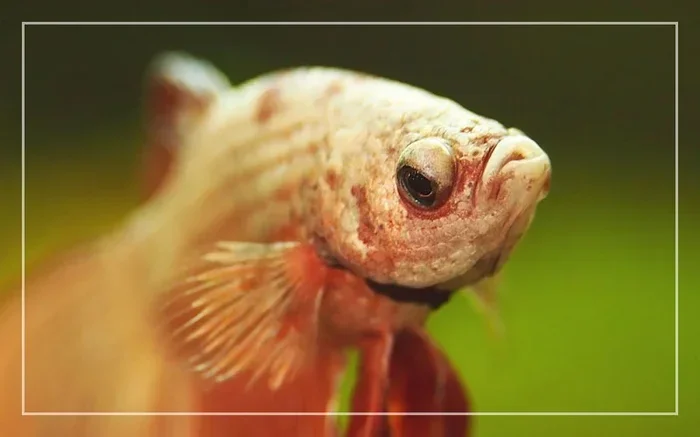
Betta fish eye bulging is a common but serious condition that can signal infection, injury, or poor water quality. This guide covers the top causes, clear symptoms to watch for, and effective treatment steps you can take at home. Early detection is the key to saving your betta’s eye and overall health.
Betta fish are some of the most beautiful and entertaining pets you can keep. But when you notice something off about your fish, it is natural to worry. One of the most alarming things a betta owner can see is betta fish eye bulging. That swollen, protruding eye can look terrifying, especially if you have never seen it before.
The good news is that betta fish eye bulging is treatable in most cases. The key is catching it early and knowing what is causing it. This guide walks you through every step, from identifying the problem to fixing it and preventing it from coming back. Whether your fish has a mild case or something more serious, you will find the answers you need right here.
Key Takeaways
- Eye bulging in betta fish is often caused by popeye disease, bacterial infections, or physical injury.
- Poor water quality is the number one trigger for betta fish eye problems and should be addressed first.
- Early detection and prompt treatment can fully reverse mild cases of betta fish eye bulging.
- Quarantine tanks and proper tank maintenance are the best ways to prevent eye issues from returning.
- Severe or untreated eye bulging can lead to permanent vision loss or the loss of the affected eye.
- Salt baths and medication are common home treatments, but persistent cases need a vet visit.
- Regular water testing and cleaning keep your betta’s environment safe and reduce health risks.
📑 Table of Contents
What Is Betta Fish Eye Bulging?
Betta fish eye bulging, often called popeye, happens when one or both eyes swell and push outward from the socket. The eye may look cloudy, red, or even white. In some cases, the fish keeps the eye closed because it hurts. The name popeye comes from the cartoon character, because the swollen eye looks just like a muscular arm popping out.
Eye bulging is not a disease on its own. It is a symptom of something deeper going on inside your fish’s body. That is why understanding the root cause matters so much. If you only treat the swelling without fixing the cause, the problem will come back.
Betta fish eye bulging can affect one eye (unilateral) or both eyes (bilateral). One eye is usually easier to treat because it often points to a local injury. Two swollen eyes usually mean a system-wide problem like infection or bad water conditions.
One Eye vs. Both Eyes: What Does It Mean?
Pay close attention to which eye is affected. A single bulging eye often points to a physical injury or a localized infection. Your betta may have bumped into a sharp decoration or gotten into a fight with another fish. On the other hand, both eyes bulging usually signals a bigger issue like bacterial infection, poor water quality, or a internal health problem.
Common Causes of Eye Bulging in Betta Fish
Knowing the cause is the first step to fixing betta fish eye bulging. There are several common reasons this condition develops, and most of them are tied to the fish’s environment or overall health.
Popeye Disease
Popeye disease is the most well-known cause of eye bulging in bettas. It is caused by bacteria, usually Aeromonas or Pseudomonas, that infect the tissue around the eye. The bacteria make the eye swell and sometimes produce a clear or cloudy fluid behind it. Popeye can be slow to develop or appear suddenly, depending on how strong the infection is.
Fish with weakened immune systems are the most vulnerable. This is why popeye often shows up after a stressful event like a water change gone wrong, a temperature drop, or a move to a new tank.
Poor Water Quality
Dirty water is the silent killer of betta fish. When ammonia and nitrite levels rise in the tank, they burn the fish’s sensitive tissues, including the eyes and gills. Over time, this damage leads to swelling, cloudiness, and eye bulging. Many betta owners do not realize their water is bad until their fish shows visible symptoms.
Regular water testing is essential. A simple liquid test kit can tell you if ammonia, nitrite, or nitrate levels are too high. Keeping these levels at zero is the best way to protect your fish from betta fish eye problems caused by water quality.
Physical Injury
Bettas are curious fish. They like to explore, dart around, and sometimes bump into things. Sharp decorations, rough gravel, or even tank walls can cause injury to the eye area. A scratched or bruised eye will swell as it heals, which can look a lot like popeye.
If your betta recently had a close encounter with something in the tank, injury is the likely cause. Check the eye for cuts or scratches, and watch how your fish behaves. A injured eye usually heals on its own if the water is clean and the fish is not stressed.
Bacterial or Fungal Infection
Beyond popeye disease, other bacterial and fungal infections can cause the eye area to swell. These infections often start after an injury or when the fish’s immune system is weak. You might notice redness, slime coating around the eye, or white fuzzy growth. These infections need prompt treatment to stop them from spreading.
Internal Health Problems
In some cases, betta fish eye bulging is a sign of a deeper internal issue. Kidney problems, fluid retention, or organ failure can cause fluid to build up behind the eye. These conditions are harder to treat and often come with other symptoms like bloating, loss of appetite, or unusual swimming behavior.
How to Identify Eye Bulging Symptoms
Catching betta fish eye bulging early makes treatment much easier. Watch your fish daily and look for these clear warning signs.
Physical Signs to Watch For
- Swollen or protruding eye: The eye pushes outward from the socket, sometimes noticeably so.
- Cloudiness or discoloration: The eye may turn white, gray, or milky looking.
- Redness around the eye: Inflamed skin around the eye socket is a common sign of infection.
- Eye kept closed: Your betta may squint or hold the eye shut due to pain.
- Fluid or discharge: A clear or pus-like substance may leak from the eye area.
- Rubbing against objects: Fish with sore eyes often rub or scratch the affected area on decorations.
Behavioral Changes to Look For
Eye bulging does not just change how your fish looks. It also changes how your fish acts. Watch for these behavioral shifts:
- Loss of appetite: Your betta may stop eating or eat much less than usual.
- Lethargy: The fish becomes less active and spends more time resting at the bottom.
- Clamped fins: Fins held close to the body signal stress or discomfort.
- Hiding more than usual: Bettas normally explore, so hiding is a red flag.
- Difficulty swimming: If both eyes are affected, your fish may lose its sense of direction.
If you notice any combination of these signs, check your water parameters right away and examine the eye closely. The sooner you act, the better the outcome.
How to Treat Betta Fish Eye Bulging
Treating betta fish eye bulging depends on the cause. Mild cases often respond well to home treatment, while severe cases need stronger medication. Here is a step-by-step approach you can follow.
Step 1: Test and Fix the Water
Before you do anything else, test your tank water. High ammonia or nitrite levels will prevent healing and make the condition worse. Do a 25-30% water change using dechlorinated water at the same temperature as the tank. This alone can make a big difference if water quality is the root cause.
Keep testing the water every other day during treatment. You want ammonia and nitrite at zero and nitrates below 20 ppm.
Step 2: Set Up a Quarantine Tank
If your betta lives in a community tank, move it to a quarantine tank for treatment. A quarantine tank keeps your fish safe from further stress and lets you medicate without affecting other fish. A simple 5-gallon tank with a gentle filter and heater works perfectly.
Make sure the quarantine tank has no sharp decorations. Smooth gravel or a bare bottom is best while the eye heals. You do not want your betta to risk another injury during recovery.
Step 3: Use Aquarium Salt Baths
A salt bath is one of the simplest and most effective treatments for mild eye bulging. Aquarium salt helps reduce swelling, fights mild bacteria, and supports the fish’s natural slime coat.
Here is how to do it:
- Prepare a separate container with clean, dechlorinated water at the same temperature as your tank.
- Add one teaspoon of aquarium salt per gallon of water.
- Place your betta in the salt bath for 10-15 minutes.
- Return your fish to the main tank afterward.
- Repeat this once a day for 5-7 days.
Do not use table salt or iodized salt. Only use pure aquarium salt or aquarium salt blends made specifically for fish tanks.
Step 4: Apply Medication if Needed
If the salt bath does not improve the condition within a few days, you may need to use medication. Betta fish eye infection treatment often involves broad-spectrum antibiotics or antibacterial drops. Products containing tetracycline or melafix are commonly used for eye infections in bettas.
Always follow the dosage instructions on the medication package. Overdosing can harm your fish and stress the biological filter in your tank. If you are unsure which medication to use, consult a vet or experienced fish keeper.
Step 5: Support Your Fish’s Recovery
Recovery takes time. Keep the water pristine, feed high-quality food, and minimize stress. You can also add Indian almond leaves to the tank. These leaves release natural compounds that support healing and reduce inflammation. Many betta owners swear by them for recovery.
Watch your fish closely during recovery. If the swelling goes down and the eye starts looking clearer, you are on the right track. If the condition worsens or does not improve after two weeks, it is time to see a vet.
Prevention Tips to Keep Your Betta’s Eyes Healthy
Prevention is always better than cure. Taking a few simple steps can keep betta fish eye bulging from ever becoming a problem.
Maintain Clean Water
Regular water changes are the foundation of betta fish health. Change 20-30% of the water every week, and always use a water conditioner to remove chlorine and chloramine. Test your water parameters at least once a week to catch problems before they affect your fish.
Avoid Sharp Decorations
Choose smooth, rounded decorations for your betta tank. Avoid sharp plastic plants, rough rocks, or anything with jagged edges. Silk plants are a great alternative to real or plastic plants with rough surfaces. A smooth tank environment reduces the risk of eye injuries significantly.
Keep the Tank Stress-Free
Stress weakens your betta’s immune system and makes it vulnerable to infections. Keep the water temperature steady between 76-82°F, avoid sudden light changes, and do not overcrowd the tank. Bettas do best in calm, stable environments.
Feed a Balanced Diet
A healthy diet supports a strong immune system. Feed your betta high-quality pellets as the staple, and supplement with frozen or live foods like brine shrimp and bloodworms a few times a week. Avoid overfeeding, which can pollute the water and cause health issues.
Monitor Your Fish Daily
Spend a few minutes each day watching your betta. Look at the eyes, fins, and body shape. Catching early signs of trouble gives you the best chance to act fast. The sooner you notice something is wrong, the easier it is to fix.
When to See a Vet
Most cases of betta fish eye bulging can be treated at home. But there are times when professional help is necessary. If the swelling does not go down after two weeks of treatment, if the eye starts to decay or fall out, or if your fish stops eating entirely, a vet visit is the right move.
Fish vets can prescribe stronger medications and perform diagnostic tests to identify underlying health problems. They can also tell you if the eye can be saved or if the damage is permanent. Do not wait too long to seek help. Early intervention gives your betta the best chance of a full recovery.
Also, if you notice signs of betta fish eye infection spreading to other fish in a community tank, separate the affected fish immediately. Many bacterial and fungal infections spread fast in shared water, and quick action protects your whole tank.
Final Thoughts on Betta Fish Eye Bulging
Betta fish eye bulging is a scary thing to see, but it is manageable when you know what to do. Start by checking your water quality and identifying the likely cause. Use salt baths for mild cases and medication for infections. Keep the tank clean, reduce stress, and monitor your fish every day.
Most bettas recover fully from eye bulging when treatment starts early. Even severe cases can improve with consistent care and the right approach. Your betta depends on you to notice the signs and act quickly. With the knowledge you have gained from this guide, you are well prepared to handle eye bulging and keep your fish healthy for years to come.
If your betta is showing other symptoms alongside eye bulging, check out our guide on how to tell if your betta fish is sick for more comprehensive health tips. Understanding the full picture of betta fish health helps you catch problems early and respond with confidence.
Remember, healthy water equals a healthy fish. Stay on top of your tank maintenance, feed your betta well, and give it the peaceful home it deserves. Your betta will reward you with vibrant colors, playful behavior, and those gorgeous flowing fins for a long and happy life.
Frequently Asked Questions
What causes betta fish eye bulging?
Betta fish eye bulging is most commonly caused by popeye disease, bacterial infections, physical injury, poor water quality, or internal health problems. Identifying the root cause is the first step to effective treatment.
Can betta fish eye bulging heal on its own?
Mild cases caused by a minor injury sometimes heal on their own if the water is clean and the fish is not stressed. However, most cases of eye bulging require treatment like salt baths, medication, or improved water conditions to fully resolve.
How long does it take for a betta’s eye to heal?
With proper treatment, mild cases of betta fish eye bulging can improve within 7 to 14 days. Severe infections or injuries may take longer, especially if the eye has been damaged. Consistent care and clean water speed up recovery.
Is betta fish eye bulging contagious to other fish?
It depends on the cause. If the bulging is caused by a bacterial or fungal infection, it can spread to other fish in the same tank. Quarantining the affected fish and treating the water helps prevent the spread of infection.
Can a betta fish lose its eye from bulging?
Yes, in severe or untreated cases, the affected eye can deteriorate or need to be removed. However, many bettas adapt well to losing one eye and can live a normal, healthy life with proper care and a safe tank environment.
What is the best medication for betta fish eye bulging?
For mild cases, aquarium salt baths are the first line of defense. For bacterial infections, medications containing tetracycline, melafix, or kanamycin are commonly recommended. Always follow dosage instructions and consult a fish vet for persistent or severe cases.