A Better Fish to Fry
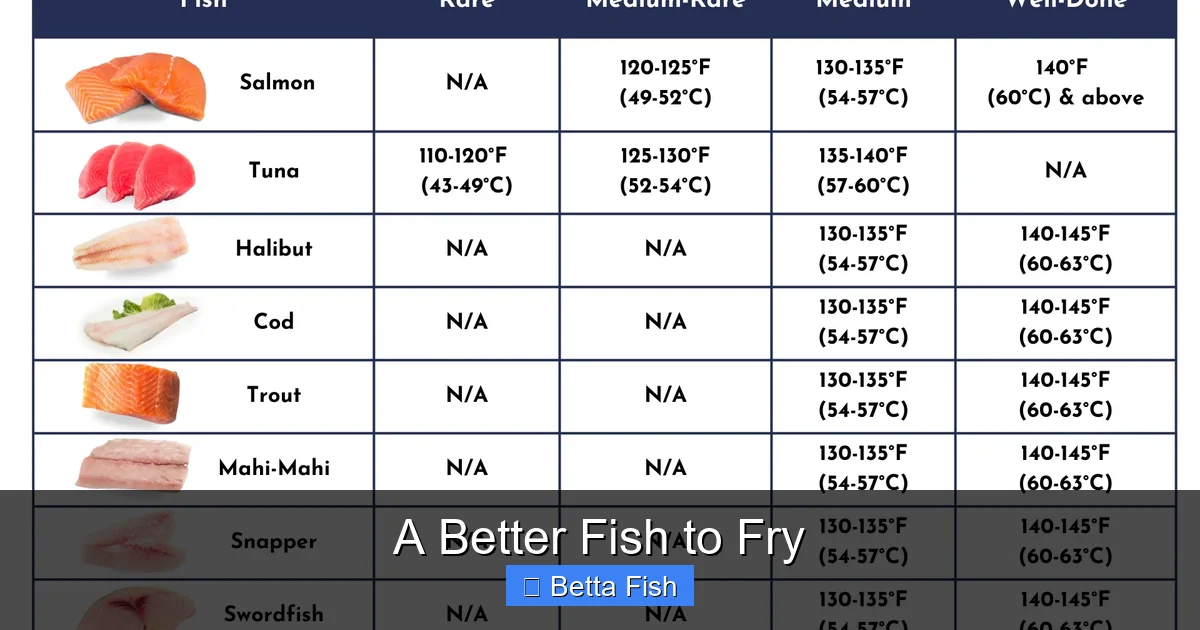
Looking for a better fish to fry? This guide walks you through the top species, cooking tips, and aquarium care so you can enjoy tasty, healthy meals and vibrant tanks. From flavor profiles to water quality, we cover everything you need to know to make the smartest, most delicious choice.
Key Takeaways
- Flavor matters: White‑fleshed, mild‑tasting fish like tilapia and catfish often top the list for frying.
- Health first: Choose low‑mercury, omega‑3‑rich options to boost nutrition.
- Aquarium compatibility: Some fry‑ready fish double as great tank mates for bettas when cared for properly.
- Prep simplicity: Proper cleaning, brining, and coating techniques make frying foolproof.
- Budget friendly: Seasonal local catches usually cost less and taste better.
- Eco‑conscious: Look for sustainably sourced fish to protect wild populations.
- Maintenance tips: Good water quality and proper feeding keep your fry‑friendly fish thriving.
📑 Table of Contents
- Why “A Better Fish to Fry” Is More Than a Saying
- 1. Top Species for a Better Fish to Fry
- 2. How to Prepare Your Fish for Frying
- 3. Health Benefits of Choosing a Better Fish to Fry
- 4. Keeping Your Fry‑Ready Fish Healthy in the Tank
- 5. Sustainable Sourcing – Making Your Better Fish to Fry Eco‑Friendly
- 6. Quick Tips for a Perfect Fry Every Time
- Conclusion
Why “A Better Fish to Fry” Is More Than a Saying
When you hear the phrase “a better fish to fry,” most people think of a culinary upgrade. But for betta owners, aquarium hobbyists, and home cooks alike, it’s also a reminder that the fish you choose can affect health, taste, and even the happiness of your tank mates. Picking a better fish to fry means balancing flavor, nutrition, sustainability, and tank compatibility.
In this article we’ll explore the top candidates for a better fish to fry, break down cooking basics, and give you practical aquarium advice so you never have to wonder if you’re making the right choice.
1. Top Species for a Better Fish to Fry
Not every fish is created equal when it comes to frying. Below are the most popular, affordable, and tasty options that also play nicely with betta fish if you keep them in a community setup.
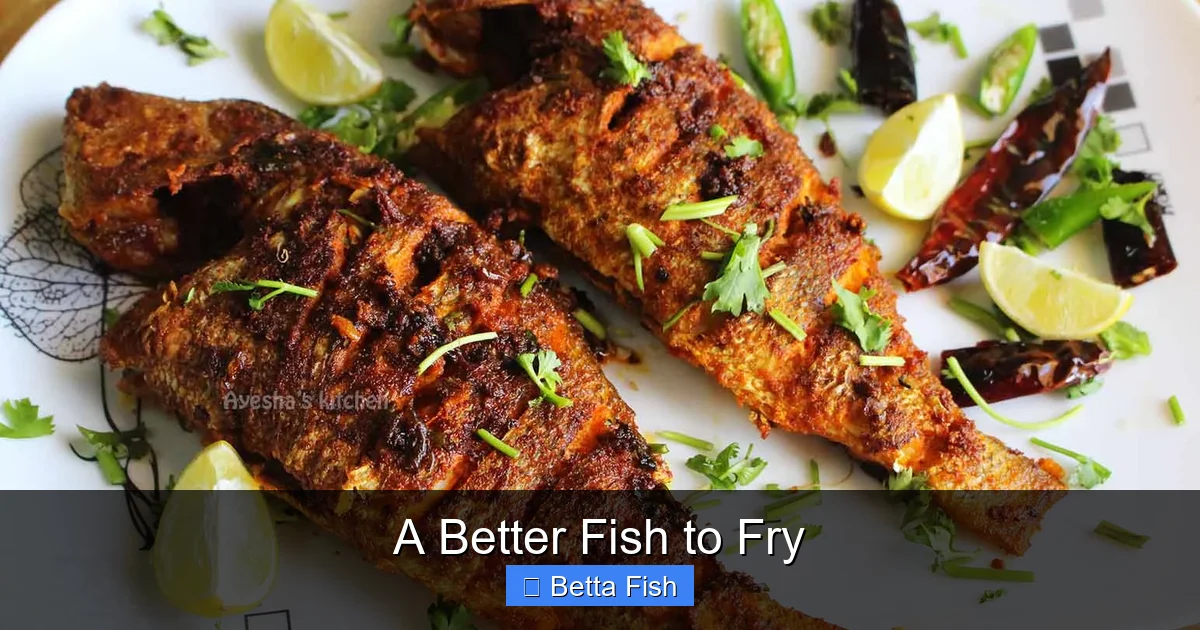
Visual guide about A Better Fish to Fry
Image source: 1.bp.blogspot.com
1.1 Tilapia – The All‑Rounder
Tilapia’s mild flavor and firm texture make it a favorite for frying. It’s low in mercury, high in protein, and widely available. Because tilapia grows quickly, it’s also a sustainable pick for a better fish to fry.
1.2 Catfish – The Southern Classic
Catfish offers a slightly richer taste and a flaky crumb that holds up well to a crunchy batter. It’s a good source of omega‑3 fatty acids, which is a win for anyone looking for a healthier fry.
1.3 White‑bait (e.g., Sprats, Anchovies)
These tiny fish fry up in minutes and deliver a burst of salty, umami flavor. They’re perfect for snack‑size portions and are often harvested using sustainable methods.
1.4 Freshwater Bass (e.g., Largemouth Bass)
If you have a larger tank, a small bass can double as a decorative tank mate and a delicious fry. Their white, firm flesh holds up well to deep‑fat frying.
1.5 Sustainable Options – Farm‑Raised Rainbow Trout
Rainbow trout raised in closed‑cycle farms provides a clean, low‑contaminant source of omega‑3s. Its delicate flavor makes it a gourmet choice for a better fish to fry.
2. How to Prepare Your Fish for Frying
Even the best fish can turn out soggy if you skip a few simple steps. Follow these easy prep tips for a perfect crunch.
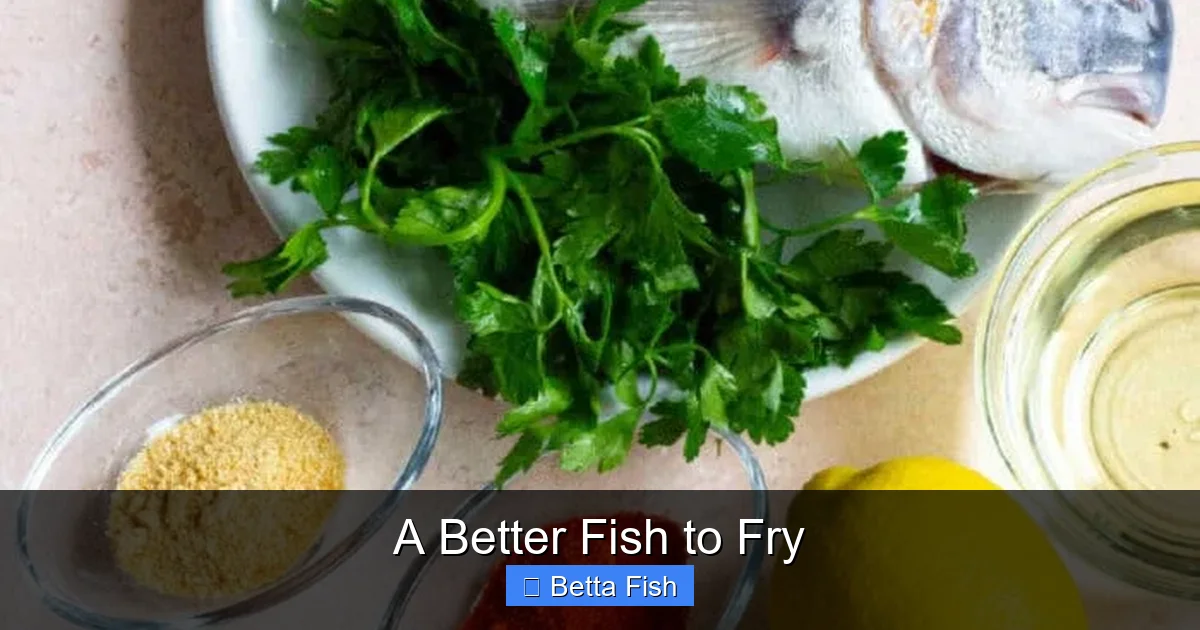
Visual guide about A Better Fish to Fry
Image source: temeculablogs.com
2.1 Cleaning and Scaling
Rinse the fish under cold water. Use a dull knife to scrape off scales if needed. Removing the guts and gills is essential to avoid any off‑flavors.
2.2 Brining – The Secret to Juiciness
Mix ¼ cup of salt with 2 cups of water. Submerge the fillets for 15‑20 minutes. Brining helps the fish retain moisture, giving you a juicy interior after frying.
2.3 Coating Techniques
For a light, crispy crust, dip the fish in flour, then beaten egg, and finally seasoned cornmeal or panko. Add a pinch of paprika for color and a subtle smoky note.
2.4 Oil Temperature
Heat vegetable or peanut oil to 350°F (175°C). Use a thermometer or test with a tiny breadcrumb—if it sizzles and rises to the surface in 20 seconds, you’re good.
2.5 Frying Time
Thin fillets need only 2‑3 minutes per side. Thicker pieces (like bass) may need 4‑5 minutes per side. The fish is done when the coating is golden brown and the flesh flakes easily.
3. Health Benefits of Choosing a Better Fish to Fry
Frying often gets a bad rap, but the right fish can keep the dish nutritious.
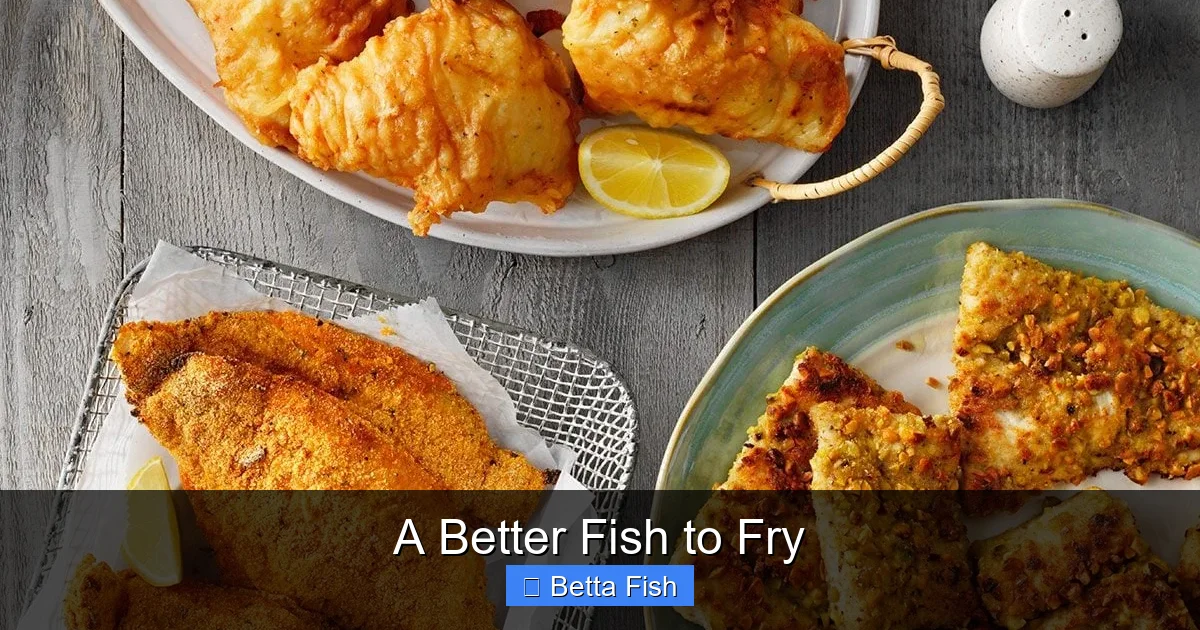
Visual guide about A Better Fish to Fry
Image source: tasteofhome.com
3.1 Omega‑3 Fatty Acids
Fish such as trout, catfish, and tilapia are rich in EPA and DHA, which support heart health and brain function. Even after frying, a good portion of these fats remains.
3.2 Low Mercury Content
Choosing smaller, younger fish reduces mercury exposure. Tilapia and farm‑raised trout are excellent low‑mercury picks for a better fish to fry.
3.3 Protein Power
Each serving delivers 20‑25 g of high‑quality protein, essential for muscle repair and satiety.
3.4 Vitamin Boost
Vitamin D and B‑12 are abundant in most white‑fleshed fish, supporting bone health and energy metabolism.
4. Keeping Your Fry‑Ready Fish Healthy in the Tank
If you keep fry‑ready fish at home, proper tank care is crucial. A healthy fish not only tastes better but also lives longer.
4.1 Tank Size and Setup
Even small species need room to swim. A 20‑gallon tank works well for a group of tilapia or catfish. Check out our guide on how to set up a tank for a betta fish for tips on filtration and décor that suit both bettas and fry‑friendly species.
4.2 Water Quality
Maintain ammonia below 0.25 ppm and nitrite at zero. Perform weekly 25‑30% water changes. Learn how to do a water change properly in our article how to do a water change for a betta fish.
4.3 Feeding Practices
Feed a varied diet: high‑quality pellets, frozen bloodworms, and occasional live brine shrimp. Over‑feeding leads to waste, which can cloud water and harm fish health.
4.4 Compatibility with Betta Fish
Betta fish are territorial but can share a tank with calm, non‑aggressive species like small catfish or juvenile tilapia if the tank has plenty of hiding spots. Always monitor behavior during the first week.
4.5 Spotting Illness Early
Look for faded colors, frayed fins, or erratic swimming. If you suspect a problem, read how to know if a betta fish is dying for early warning signs and treatment steps.
5. Sustainable Sourcing – Making Your Better Fish to Fry Eco‑Friendly
Choosing responsibly sourced fish protects oceans and supports local economies.
5.1 Certified Fisheries
Look for MSC (Marine Stewardship Council) or ASC (Aquaculture Stewardship Council) labels. These certifications guarantee that the fish was harvested with minimal environmental impact.
5.2 Seasonal Buying
Buying fish that are in season reduces pressure on over‑fished populations. In North America, tilapia and catfish are generally available year‑round, while trout peaks in spring.
5.3 Supporting Local Farmers
Farm‑raised fish from reputable local farms often have lower carbon footprints. Ask your fishmonger about the origin of the fish.
6. Quick Tips for a Perfect Fry Every Time
- Pat the fish dry before coating – moisture hinders crispiness.
- Use a shallow pan for even heat distribution.
- Don’t overcrowd the pan; fry in batches.
- Season the oil lightly with garlic or herbs for extra aroma.
- Drain on a wire rack, not paper towels, to keep the crust from getting soggy.
Conclusion
Finding a better fish to fry is about more than just taste. It’s a blend of flavor, nutrition, sustainability, and tank harmony. Whether you opt for tilapia’s mildness, catfish’s richness, or a sustainable trout, the right preparation and care will reward you with a delicious, health‑boosting meal and a thriving aquarium.
Remember: a happy fish makes a better fry, and a better fry makes a happier you. Happy cooking and happy fish‑keeping!
Frequently Asked Questions
What makes a fish “better” for frying?
A better fish to fry is typically low‑fat, mild‑flavored, and firm‑textured, allowing a crisp coating without falling apart. Low mercury and sustainable sourcing also count.
Can I fry betta fish?
Betta fish are ornamental and not meant for consumption. Instead, keep them as tank companions and choose other species for frying.
How often should I change the water when keeping fry‑ready fish?
Perform a 25‑30% water change weekly. This keeps ammonia low and promotes a healthy environment for both fry‑ready fish and bettas.
Is it safe to fry fish that I’ve raised at home?
Yes, as long as the fish are disease‑free and have been fed a clean diet. Harvest them at a size of 6‑8 inches for optimal flavor.
What oil is best for frying a better fish to fry?
High smoke‑point oils like peanut, canola, or refined vegetable oil work best. They allow high temperatures without burning.
How do I know if my fried fish is under‑cooked?
If the coating is still pale and the flesh doesn’t flake easily, give it another minute per side. The interior should be opaque and the crust golden brown.