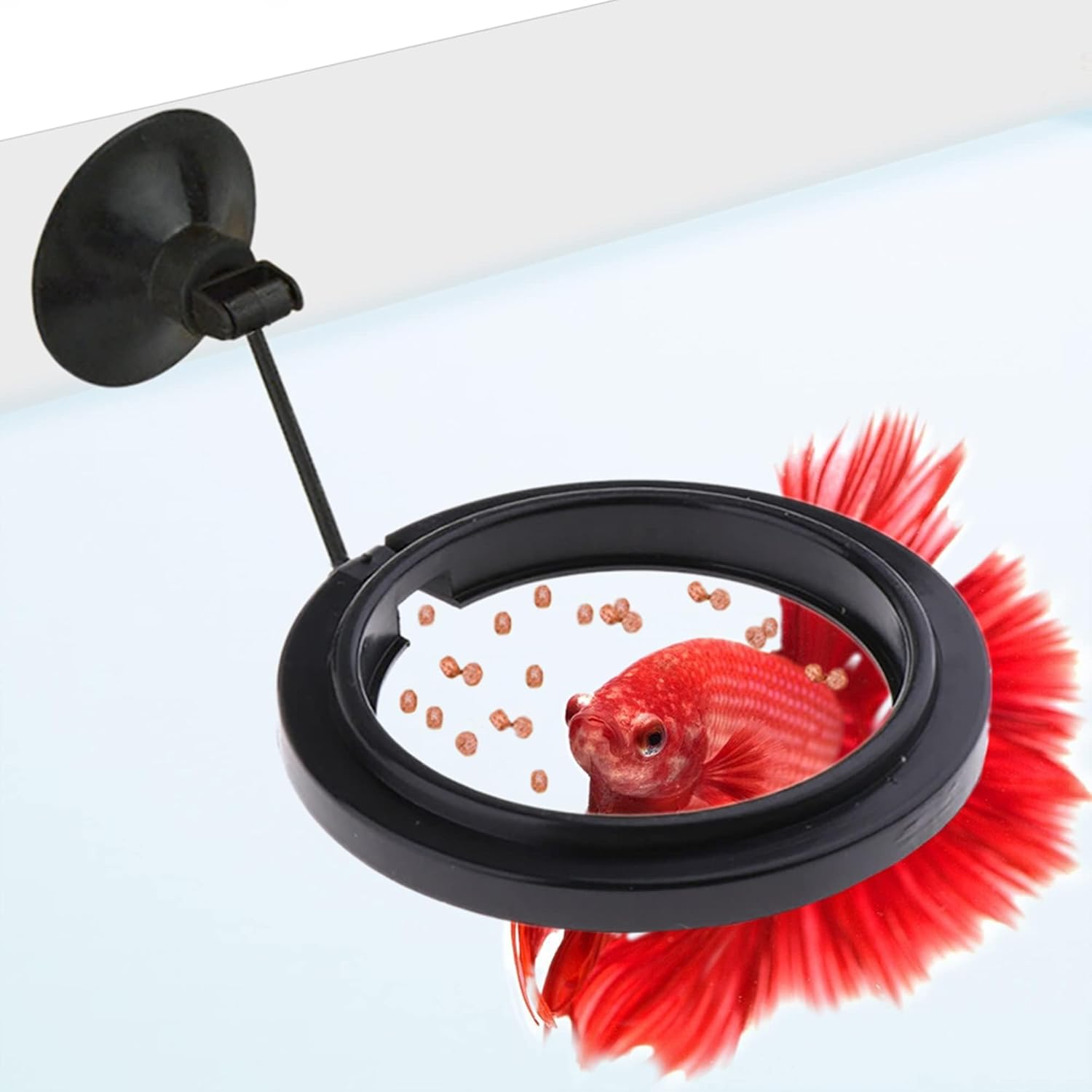
Can Betta Fish Eat Live Bloodworms

Live bloodworms are a tasty, protein‑rich treat that many betta owners love to offer. While they’re generally safe when sourced and prepared correctly, over‑feeding or poor water quality can cause problems. Follow our guide to enjoy this nutritious snack without risking your betta’s health.
Key Takeaways
- Live bloodworms are safe in moderation: They provide high‑quality protein but should not replace a balanced staple diet.
- Source matters: Buy from reputable suppliers and rinse thoroughly to avoid parasites.
- Preparation is key: Rinse, optionally de‑chlorinate, and observe the worms before feeding.
- Watch for over‑feeding: Too many bloodworms can spike ammonia and lead to digestive issues.
- Observe your betta: Look for signs of stress, bloating, or loss of appetite after feeding.
- Combine with other foods: Use bloodworms as a treat alongside high‑quality flakes, pellets, and frozen foods.
- Maintain water quality: Regular water changes and proper filtration keep the tank safe after live feeds.
Quick Answers to Common Questions
Can I feed my betta live bloodworms every day?
It’s best to limit live bloodworms to 2–3 times per week. Daily feeding can cause nutritional imbalances and water quality issues.
Do live bloodworms need to be frozen first?
No, true live bloodworms are sold alive. However, many hobbyists use frozen‑thawed bloodworms for convenience and safety.
How many bloodworms should I give a single betta?
Two to three small worms per feeding is sufficient for most adult bettas.
Will live bloodworms raise the ammonia level in my tank?
Uneaten worms decompose and can spike ammonia. Remove any leftovers after 5–10 minutes and perform regular water changes.
Are there any signs my betta is reacting badly to bloodworms?
Watch for bloating, loss of appetite, lethargy, or cloudy water. If these appear, stop live feeding and do a water change.
📑 Table of Contents
Introduction: Why the Question Pops Up
If you’ve ever watched a betta dart after a wriggling worm, you know how exciting live food can be. Live bloodworms—tiny, red, segmented larvae—are a popular choice because they mimic the betta’s natural prey. But many hobbyists wonder: Can betta fish eat live bloodworms safely? The short answer is yes, but the details matter.
In this article we’ll break down the nutritional profile of bloodworms, the risks of feeding them live, step‑by‑step preparation tips, and how to integrate them into a balanced diet. By the end, you’ll feel confident offering this treat without compromising your fish’s health.
What Are Bloodworms?
Biology and Origin
Bloodworms are the larval stage of the non‑parasitic midge (Chironomidae). They get their name from the bright red hemoglobin that helps them survive low‑oxygen environments. In the wild they live in ponds and streams, burrowing in mud and feeding on organic debris.
Visual guide about Can Betta Fish Eat Live Bloodworms
Image source: st.depositphotos.com
Nutritional Snapshot
- Protein: 55–65% – excellent for muscle growth.
- Fat: 5–10% – provides energy but can be excessive if over‑fed.
- Vitamins & Minerals: Contains B‑complex vitamins, calcium, and iron.
- Fiber: Low – easy to digest for most bettas.
Because of this profile, bloodworms rank among the top treats for carnivorous fish, especially bettas that thrive on a protein‑rich diet.
Are Live Bloodworms Safe?
Potential Risks
Live foods can carry parasites, bacteria, or unwanted chemicals. If the source is unclean, you might introduce:
Visual guide about Can Betta Fish Eat Live Bloodworms
Image source: 4.bp.blogspot.com
- Protozoan parasites that cause internal infections.
- Excessive ammonia from decomposing waste.
- Heavy metals if the breeding water is contaminated.
How to Minimize Danger
Follow these three simple steps:
- Buy from reputable vendors: Look for products labeled “cured” or “frozen‑thawed” if you’re uneasy about truly live worms.
- Rinse thoroughly: Use filtered water to wash away debris and potential pathogens.
- Observe before feeding: Discard any worms that appear limp, discolored, or overly active (signs of stress).
When these precautions are taken, live bloodworms are generally safe for bettas.
How to Feed Live Bloodworms Properly
Step‑by‑Step Preparation
1. Rinse: Place the bloodworms in a fine mesh strainer and rinse under cool, de‑chlorinated water for 30 seconds.
2. Optional de‑chlorination: If you bought them from a pet store that uses chlorinated water, soak them in a small cup of conditioned water for 5 minutes.
3. Portion control: A single betta needs only 2–3 small worms per feeding. Over‑feeding can quickly foul the water.
4. Introduce: Gently drop the worms onto the surface of the tank using a small spoon or feeding tongs.
5. Watch: Allow the betta to hunt for 5–10 minutes, then remove any uneaten worms to prevent water decay.
Feeding Frequency
Live bloodworms should be an occasional treat—about 2–3 times per week. On regular days, feed a high‑quality betta pellet or flake that meets the nutritional requirements outlined in What Can Betta Fish Eat. This ensures a balanced intake of vitamins and minerals that live food alone may lack.
Common Mistakes and How to Avoid Them
Over‑Feeding
Because bloodworms are so enticing, it’s easy to offer too many. Excess protein and fat can lead to constipation, bloating, and a spike in ammonia. Stick to the “two‑worm” rule and monitor your betta’s belly shape.
Ignoring Water Quality
Live food introduces organic waste. If you notice cloudy water or a rise in ammonia after a feeding, perform a partial water change (20–30%) and check your filter. Regular maintenance keeps the environment safe.
Using Unclean Sources
Never grab bloodworms from a pond or an unverified online seller. Always purchase from a trusted aquarium store or reputable online retailer. For more on feeding live foods, read Can You Feed Betta Fish Live Food.
Integrating Bloodworms with a Balanced Diet
Complementary Foods
Combine live bloodworms with:
- High‑quality betta pellets (the staple).
- Frozen or freeze‑dried daphnia for fiber.
- Small amounts of brine shrimp for variety.
This rotation prevents nutritional gaps and keeps your betta interested in meals.
Sample Weekly Feeding Schedule
| Day | Food |
|---|---|
| Monday | Pellets (morning) + 1 frozen daphnia (evening) |
| Tuesday | Live bloodworms (2–3 worms) |
| Wednesday | Pellets only |
| Thursday | Freeze‑dried brine shrimp (small pinch) |
| Friday | Live bloodworms (2–3 worms) |
| Saturday | Pellets + occasional vegetable fry (optional) |
| Sunday | Rest day – no feed (helps clear the gut) |
This plan offers protein spikes from bloodworms while keeping the overall diet balanced.
Conclusion: Enjoy the Hunt, Keep It Safe
Live bloodworms can be a delightful, protein‑packed treat for betta fish when used responsibly. By sourcing them wisely, rinsing well, feeding in moderation, and maintaining clean water, you give your betta a taste of the wild without compromising health. Remember, treats are just that—occasional delights that complement a solid staple diet. Keep an eye on your fish’s behavior and water parameters, and you’ll enjoy many happy hunting sessions.
For more feeding tips, explore Can You Feed Betta Fish Bloodworms and discover how to create a varied menu that keeps your betta thriving.
Frequently Asked Questions
Do live bloodworms contain parasites?
When sourced from reputable suppliers they are generally free of harmful parasites, but rinsing and observation are essential.
Can I feed live bloodworms to a juvenile betta?
Yes, but keep the portions very small—one tiny worm per feeding—to avoid over‑loading their tiny digestive system.
Is it okay to mix live bloodworms with frozen foods?
Absolutely. Mixing live and frozen foods provides variety and ensures a broader nutrient profile.
How long can live bloodworms survive in the tank?
Only a few minutes. They quickly become stressed and may die, so feed them and remove any that aren’t eaten.
Can I use a turkey baster to feed bloodworms?
Yes, a clean turkey baster works well for delivering a few worms directly to the surface without disturbing the water.
Will feeding live bloodworms affect my betta’s coloration?
A protein‑rich diet can enhance vibrancy, but genetics and overall health play larger roles.