Finding the right betta fish means knowing where to look. You can find bettas at large pet store chains, local aquarium shops, dedicated breeders, and reputable online vendors. Each source has pros and cons regarding fish health, price, and variety. The key is to prioritize reputable sellers who maintain clean conditions and provide proper care information. Always inspect your potential pet for signs of illness and ask about its history before purchasing.
Key Takeaways
- Avoid Standard Big-Box Stores: Major pet chains often keep bettas in poor, stressful conditions which can lead to long-term health issues.
- Seek Out Specialized Local Shops: A dedicated aquarium store is more likely to have knowledgeable staff and healthier, better-cared-for fish.
- Consider a Dedicated Breeder: For the healthiest, most vibrant bettas with known genetics, a specialized betta breeder is the gold standard.
- Shop Online with Extreme Caution: While online vendors offer vast selection, you must thoroughly vet their reputation, shipping policies, and live-arrival guarantees.
- Inspect the Fish and Its Environment: Never buy a betta from a dirty cup with cloudy water, frayed fins, lethargy, or visible parasites.
- Ask Critical Questions: Inquire about water change schedules, feeding routines, and the fish’s age. A transparent seller is a good sign.
- Plan for Quarantine: Regardless of source, always quarantine a new betta for 2-4 weeks before adding it to an established community tank.
📑 Table of Contents
- The Modern Betta Market Landscape: More Choices Than Ever
- Local Pet Stores & Big-Box Retailers: The Convenience Option
- Specialized Local Aquarium Shops: The Sweet Spot for Quality
- Dedicated Betta Breeders: The Premium Source
- The Online Marketplace: A World of Choice and Risk
- Unconventional & Community Sources: Clubs, Shows, and Swaps
- Making the Final Choice: A Framework for Your Decision
- Conclusion: Your Journey Starts with a Healthy Beginning
The Modern Betta Market Landscape: More Choices Than Ever
So, you’ve decided to bring a betta fish, with its flowing fins and vibrant personality, into your home. The first, most practical question inevitably arises: where do they sell betta fish? The answer in 2024 is more complex than a simple trip to the nearest pet store. The marketplace has exploded, offering everything from mass-produced fish in plastic cups to meticulously bred show specimens shipped across the country. Navigating this landscape is your first and most crucial step as a responsible betta owner. Your choice of source directly impacts the health, temperament, and lifespan of your new aquatic companion.
Gone are the days when the only option was a sad-looking fish in a tiny cup at a large chain store. Today, a passionate community of hobbyists, ethical breeders, and specialized retailers offers a much healthier and more rewarding path to betta ownership. Understanding the different avenues—their advantages, red flags, and unique considerations—empowers you to make a choice that aligns with both your desires for a beautiful fish and your commitment to ethical animal welfare. This guide will walk you through every potential source, arming you with the knowledge to find not just *a* betta, but the right betta.
Local Pet Stores & Big-Box Retailers: The Convenience Option
The Ubiquitous Cup: What You’ll Typically Find
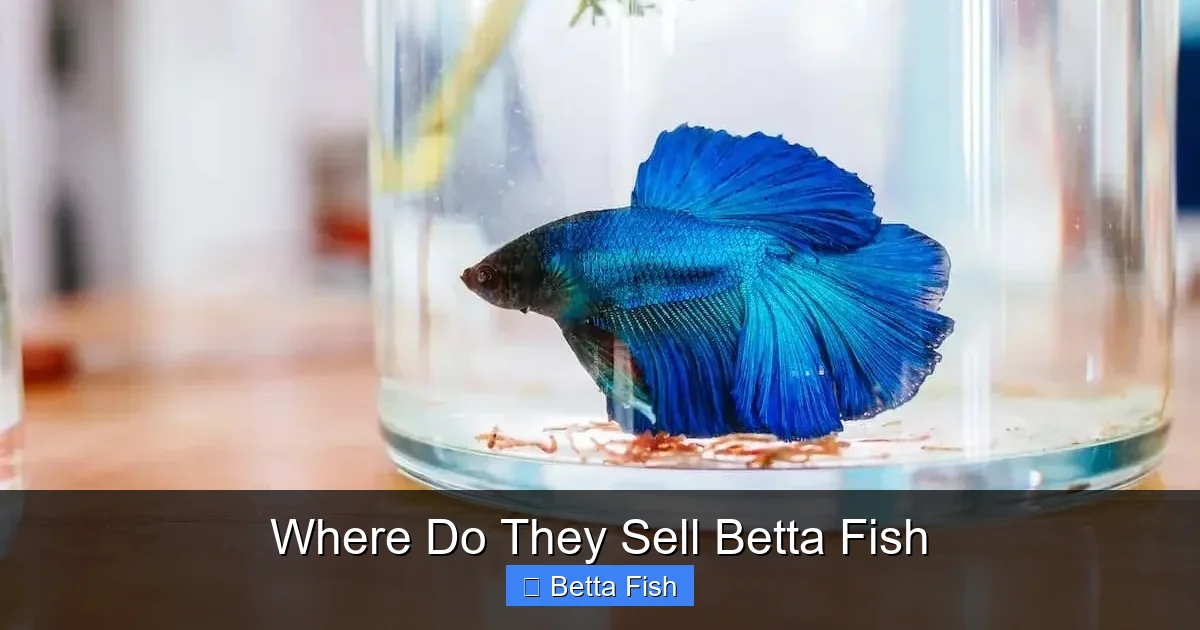
When most people think of buying a betta, they picture the small plastic cups or tiny bowls found at large national pet store chains like PetSmart, Petco, or similar big-box retailers with a pet section. This is the most visible and accessible source. The fish are usually displayed in rows on shelves, each in its own small container with a few ounces of water. The variety is often limited to the most common color and fin types—like veiltails, halfmoons in basic reds and blues—and they are typically sold as “fry” or young adults.
Visual guide about Where Do They Sell Betta Fish
Image source: fishlab.com
The Significant Downsides: A Health Lottery
The primary issue with this source is the systemic care standards. These stores sell bettas as impulse items, often with minimal staff training on their specific needs. The small, stagnant cups are inherently stressful and unhealthy. Water quality is notoriously poor, as frequent full water changes for hundreds of individual cups is logistically challenging. Bettas are tropical fish that require warmth; the cups are often at room temperature, slowing their metabolism and immune system. You are essentially buying a fish that is already compromised, surviving in a state of chronic stress. This doesn’t mean every betta from these stores is doomed, but it significantly increases the risk of bringing home a fish with hidden illnesses like velvet, dropsy, or fin rot that manifest later.
If You Must Buy Here: A Strict Inspection Protocol
If your local option is only a big-box store, you must become a fierce inspector. Never buy a betta from a cup with cloudy, foul-smelling water. Look for a fish that is actively swimming, not hovering listlessly at the top or bottom. Its fins should be intact, not clamped tight or ragged. Its body should be smooth, free of white spots (ich), cotton-like growths (fungus), or raised scales (dropsy). Its eyes should be clear. Gently tap the cup; a healthy betta will react. Choose the most vibrant, active individual from the cleanest-looking row. Ask an employee when the fish arrived and when the water was last changed. A vague or dismissive answer is a major red flag. Be prepared to pay $5-$15, but understand you are likely buying a fish that will require immediate, dedicated care to recover from its retail experience.
Specialized Local Aquarium Shops: The Sweet Spot for Quality
Finding the Hidden Gem
Your next best option, and often the ideal one for beginners and enthusiasts alike, is a local, independently owned aquarium shop. These are not the big chains. They are the stores that smell of damp substrate and filter media, not disinfectant. Their walls are lined with rows of community tanks, planted aquascapes, and dedicated systems for more delicate species. To find them, search online for “local aquarium store,” “fish store,” or “freshwater aquarium shop” in your city or nearby towns. Look for stores with strong Google reviews specifically mentioning fish health and knowledgeable staff.
Visual guide about Where Do They Sell Betta Fish
Image source: buildyouraquarium.com
Why They Are Superior: Knowledge and Environment
The difference is night and day. These shop owners and employees are almost always hobbyists themselves. They keep their display tanks—where the bettas are often housed—in much better condition. Bettas are frequently kept in heated, filtered community tanks or spacious, individually filtered containers, not stagnant cups. They are fed quality food and live in stable water parameters. The staff can answer detailed questions about tank setup, cycling, and compatible tank mates because they live and breathe this hobby. They often source their fish from reputable local breeders or mid-level wholesalers who prioritize health over sheer volume.
What to Look For and Ask
When you visit, observe the betta display. Are the tanks clean? Is the water clear? Are the bettas in appropriately sized containers (at least 1-2 gallons each is a good sign)? Are they active and displaying? Strike up a conversation. Ask where they get their bettas. A great answer is a named local breeder or a well-known wholesale distributor with a good reputation. Ask about their acclimation process—do they float the bag to temperature? Do they drip-acclimate? A shop that follows proper protocols cares about fish survival. These stores typically charge $10-$30 for a standard betta and $30-$60+ for premium varieties like halfmoons or koi bettas, reflecting the better care and sourcing.
Dedicated Betta Breeders: The Premium Source
Understanding the Breeder Spectrum
For the ultimate in health, genetics, and often personality, seeking out a dedicated betta breeder is the pinnacle. The breeder world is vast, from local hobbyist breeders with a few tanks to large, internationally recognized operations. A good breeder is not just a seller; they are a steward of the species. They focus on specific lines, work to improve fin structure, color intensity, and overall hardiness through selective breeding. Their fish are raised from birth in pristine, controlled conditions, fed a high-quality diet, and are accustomed to human interaction.

Visual guide about Where Do They Sell Betta Fish
Image source: bettafish.org
How to Find a Reputable Breeder
This requires research. Start with online betta forums (like Fishlore, Seriously Fish), Facebook betta groups, and Instagram. Search hashtags like #bettabreeder, #halfmoonbettas, or #plakatbettas. Look for breeders who are transparent. Their websites or social media should show their fishroom, breeding pairs, and grow-out tanks. They should be willing to answer questions about their breeding goals, water parameters, and health protocols. They often have waitlists for specific fish. A local breeder is a fantastic find, as you can sometimes see the parent fish and the environment. Many also ship nationwide. Prices vary wildly based on the fish’s quality, from $30 for a nice young halfmoon to several hundred dollars for a top-tier, show-ready specimen with perfect symmetry and color.
The Breeder Advantage: Health and History
The main advantage here is known history and optimal start. These fish have never been in a stressful retail cup. They come from lines selected for vitality. A good breeder will know the personality of individual fish (“this one is a jumper,” “this one is very curious”) and can guide you to a betta that suits your experience level. They are invested in the fish’s welfare and will often provide a robust health guarantee. They are also an invaluable resource for ongoing advice. Building a relationship with a breeder means you have an expert in your corner for the life of your fish.
The Online Marketplace: A World of Choice and Risk
The Double-Edged Sword of the Internet
The internet has revolutionized betta buying. Websites like eBay, Aquabid, and dedicated betta vendor sites offer access to thousands of fish from breeders across the country and globe. The variety is staggering—you can find every fin type, color, and pattern imaginable, from the common to the extraordinarily rare. However, this convenience comes with significant risk. You are buying a living creature sight-unseen, relying on photos, descriptions, and the seller’s integrity. Shipping is a major stressor for fish, and not all sellers package or handle fish correctly.
Vetting Online Sellers: Your Due Diligence Checklist
This is non-negotiable. Before you even browse listings, you must vet the seller.
- Read Reviews Relentlessly: Search for the seller’s name + “review” or “shipping experience.” Look for patterns in feedback about fish health upon arrival and shipping survival rates.
- Examine Photos Critically: Are the photos recent? Clear? Do they show the actual fish you’re buying or a stock photo? A reputable seller will photograph their own fish in a clean, well-lit setup.
- Understand Their Guarantee: What is their live-arrival guarantee? Is it 100% refund or replacement? What are the exact requirements for filing a claim (e.g., photo within 2 hours, unopened bag)? A vague guarantee is useless.
- Ask About Shipping: Do they ship via overnight carrier (like FedEx Priority Overnight)? How do they pack? (Look for mentions of heat/cold packs, insulated boxes, and double-bagging). Do they only ship on certain days to avoid weekend delays?
- Inquire About Acclimation: A good seller will provide detailed acclimation instructions. They should also advise you to have your tank fully cycled and ready before the fish arrives.
The Price of Shipping and Patience
Expect to pay $30-$60+ for the fish itself, plus $30-$70 for shipping. This is a premium service. You must also be available to receive the box on the scheduled day. Have your prepared quarantine tank (a small, heated, filtered tank) ready to go. The acclimation process is more involved than for a store-bought fish, typically involving a drip acclimation over 1-2 hours to slowly introduce the shipping water to your tank water. Patience is key. A stressed fish from shipping needs a quiet, dark quarantine tank to recover for at least two weeks before any further interaction.
Unconventional & Community Sources: Clubs, Shows, and Swaps
Local Fish Club Meetings and Auctions
If you want to dive deep into the hobby, seek out your local aquarium society or betta club. These organizations host meetings, workshops, and often fish auctions or swaps. This is where you meet the most dedicated hobbyists and breeders. You can buy incredible fish directly from the person who raised them, ask every question imaginable, and often get a fantastic deal at an auction. The fish are typically locally bred, minimizing shipping stress. The community aspect is a huge bonus—you gain a support network. Find clubs through online forums or local pet store bulletin boards.
Fish Shows and Competitions
Betta shows, often held in conjunction with larger aquarium conventions, are another premier source. Here, breeders showcase their best fish for judging. After the competition, many breeders sell their fish, sometimes at a discount if they didn’t win a category. This is a chance to see top-tier bettas in person and talk directly to expert breeders. However, show fish can be more expensive and sometimes more delicate, as they are selected for extreme finnage that may come with care challenges.
Private Sellers and Hobbyist Swaps
Platforms like Facebook Marketplace, Craigslist, or Kijiji often have listings from individual hobbyists rehoming their bettas and offspring. This can be a great way to get a healthy, well-cared-for fish for free or a low cost, as these sellers are often just looking for a good home. Exercise caution. Ask the same probing questions about the fish’s history, tank setup, and reason for rehoming. Insist on seeing the fish in its current tank. Be wary of anyone who cannot provide details or seems to be just offloading a fish from a cup. This source is a mixed bag but can yield wonderful results with proper vetting.
Making the Final Choice: A Framework for Your Decision
Matching Your Experience Level to the Source
Your own experience should guide your choice. A complete beginner might be best served by a specialized local aquarium shop. The staff can provide ongoing advice, and the fish are generally a step up in health from big-box stores. An intermediate hobbyist with a cycled, heated tank ready to go might confidently buy from a reputable online breeder or at a local auction. An expert seeking a specific show line will pursue a dedicated breeder, regardless of distance or cost.
The Universal Pre-Purchase Checklist
No matter where you buy, this checklist is your shield:
- The Tank Test: Is the display environment clean? Is the water clear? Are filters running?
- The Fish Exam: Clamped fins? Lethargy? White spots? Cloudy eyes? Torn or shredded fins? Faded color? Run your finger along the glass—a healthy betta will follow it.
- The Conversation: Does the seller know about betta care? Do they ask about your tank setup? A good seller will want to ensure their fish goes to a suitable home.
- The Commitment: Are you prepared with a cycled, heated (78-80°F), filtered tank of at least 5 gallons? Do you have water conditioner, a heater, a gentle filter, and hiding spots? Buying the fish is the last step, not the first.
The Ethical Imperative: Voting with Your Wallet
Where you buy your betta is an ethical choice. By choosing sources that prioritize animal welfare—local shops with clean systems, breeders who love their fish, or online vendors with stellar health guarantees—you send a clear message to the market. You support better practices. You refuse to contribute to the cycle of suffering in the tiny plastic cup. You increase the demand for responsibly bred and kept bettas. This single decision sets the tone for your entire journey as a betta keeper, reflecting a commitment not just to the beauty of the fish, but to its fundamental wellbeing.
Conclusion: Your Journey Starts with a Healthy Beginning
The answer to “where do they sell betta fish?” is not a single location, but a spectrum of possibilities. From the convenience and risk of the big-box store to the premium, personalized experience of a dedicated breeder, your path depends on your priorities: budget, desired variety, and, most importantly, your commitment to obtaining a healthy animal. The extra time spent researching a specialized local shop or vetting an online breeder is an investment that pays dividends in the form of a robust, vibrant, and long-lived companion. Remember, a betta is not a disposable pet; it is a living being with a lifespan of 3-5 years (often more with excellent care). The source you choose is the foundation of those years. By following the guidelines in this article—inspecting environments, asking hard questions, and demanding transparency—you move from being a mere customer to a conscientious guardian. You set the stage for a rewarding relationship with one of the aquarium world’s most captivating personalities, and you do so in a way that supports the better angels of the betta-keeping hobby. Your perfect, healthy betta is out there. Now you know exactly where and how to find it.
Frequently Asked Questions
How much should I expect to pay for a healthy betta fish?
For a standard, healthy betta from a good local aquarium shop, expect to pay $10-$30. Premium varieties like halfmoons, plakats, or fancy colors from breeders typically cost $30-$100+. Rare or show-quality fish can exceed $200. Avoid prices that seem too good to be true, as they often indicate poor sourcing.
Is it ever okay to buy a betta from a small plastic cup?
While not ideal, it can be acceptable if you are an experienced keeper prepared to immediately rehabilitate a stressed fish. You must perform an extremely rigorous inspection, selecting only the most vibrant, active individual from the cleanest cups. Be prepared for potential health issues and have a hospital/quarantine tank ready upon arrival.
What are the biggest red flags when buying a betta in person?
The biggest red flags are: cloudy, foul-smelling water in the display container; a fish that is lethargic, clamped, or floating upside-down; visible signs of disease like white spots, cottony growth, or bulging eyes; torn, ragged, or missing fins; and a seller who is evasive about the fish’s source, age, or water change schedule.
How can I be sure an online betta seller is reputable?
Look for detailed, positive reviews specifically mentioning fish health and shipping survival. They should have a clear, written live-arrival guarantee with a simple claims process. Their website/social media should show their own fish in clean setups. They should be transparent about their breeding practices, use professional overnight shipping with proper insulation, and provide thorough acclimation instructions.
Should I quarantine a new betta even if it comes from a great source?
Absolutely, yes. Quarantine is a non-negotiable best practice for any new fish, regardless of source. A 2-4 week quarantine in a separate, heated, filtered tank allows you to observe for any signs of latent illness (like velvet or internal parasites) and treat if necessary, protecting any existing fish in your display tank.
What question should I always ask a seller before buying?
The most critical question is: “Can you tell me about the water change routine and water parameters for the tank or system this betta is currently in?” A knowledgeable, honest seller will know and be able to describe their maintenance schedule (e.g., “we do 25% water changes twice a week on all betta systems”). A vague or dismissive answer is a major warning sign about the overall care standards.


