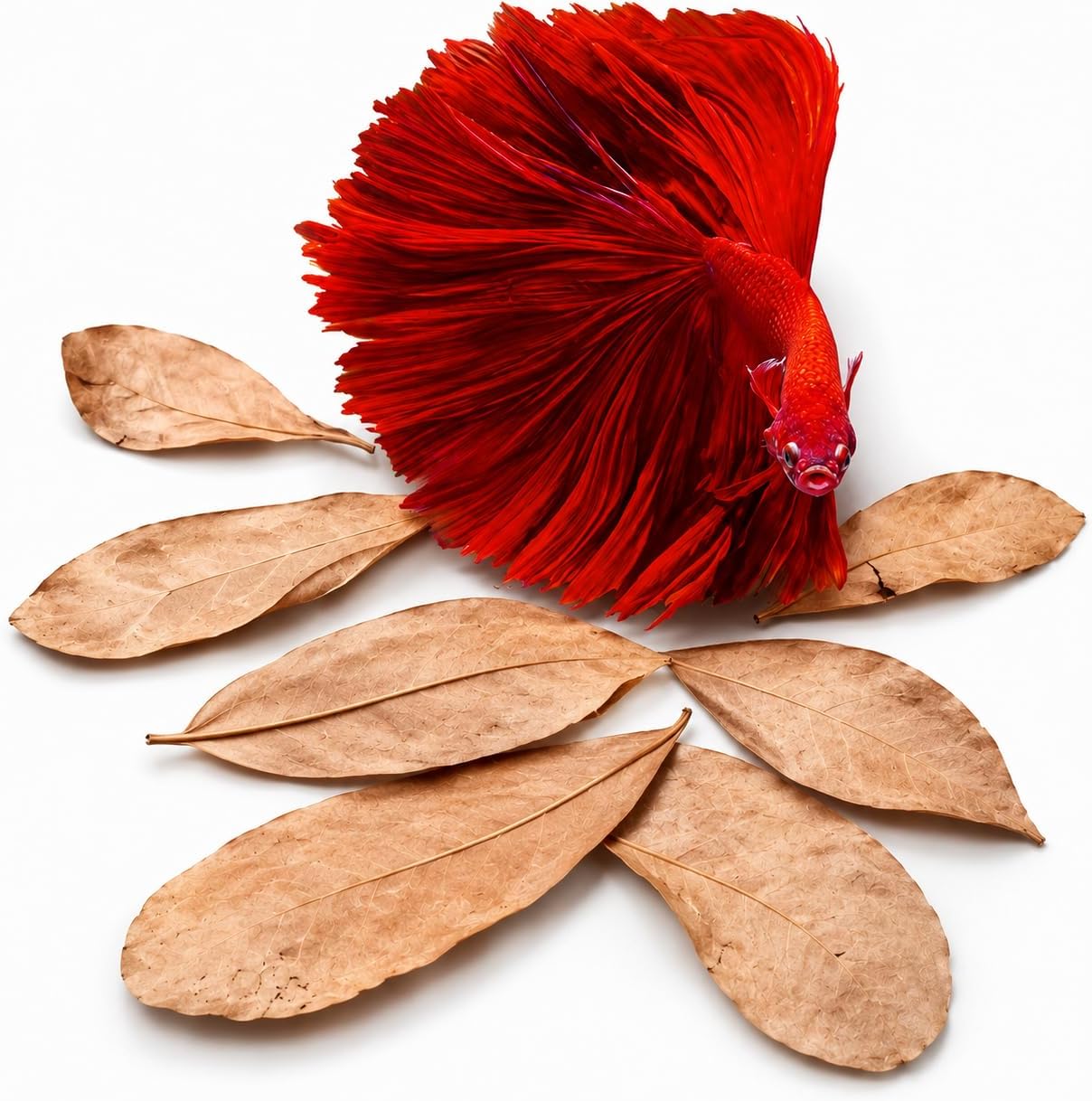
Keeping betta fish at home can be a rewarding hobby when you understand their needs. With the right tank, water, and daily care, these vibrant companions thrive and bring color to any room.
Key Takeaways
- Proper tank size matters: A minimum of 5 gal provides space for swimming and stable water conditions.
- Water quality is crucial: Use a heater, filter, and perform regular water changes to keep parameters steady.
- Betta temperament: Males are territorial; avoid housing them with other bettas or aggressive fish.
- Nutrition influences health: Feed high‑quality pellets plus occasional treats, and avoid overfeeding.
- Enrichment improves happiness: Live plants, caves, and gentle water flow mimic a natural habitat.
- Regular health checks: Learn the signs of stress or disease to act quickly.
- Commitment level: Betta fish can live 3‑5 years with proper care, so be ready for a medium‑term commitment.
📑 Table of Contents
- Introduction: Why Betta Fish Capture Our Hearts
- Understanding Betta Biology and Temperament
- Setting Up the Perfect Home
- Feeding: The Key to a Healthy Betta
- Health Monitoring and Common Problems
- Social Considerations: Tank Mates and Compatibility
- Long‑Term Commitment and Lifestyle Fit
- Conclusion: Is It Good to Keep Betta Fish at Home?
Introduction: Why Betta Fish Capture Our Hearts
If you’ve ever watched a betta flare its fins like a tiny rainbow flag, you know why these fish are so captivating. Their vivid colors and bold personalities make them a popular choice for beginners and seasoned aquarists alike. But before you rush to the pet store, you might wonder, is it good to keep betta fish at home?
In this guide we’ll walk through everything you need to decide if a betta is right for you, how to set up a safe home, and what daily habits keep your fish thriving. Think of it as a friendly chat over coffee—simple language, practical tips, and plenty of real‑world examples.
Understanding Betta Biology and Temperament
What makes a betta unique?
Betta fish, also called Siamese fighting fish, are native to the shallow rice paddies of Thailand. They have a “labyrinth” organ that lets them breathe air from the surface, which is why they can survive in low‑oxygen water. This adaptation also means they don’t need a powerful filter, but they still appreciate clean water.

Visual guide about Is It Good to Keep Betta Fish at Home
Image source: publicdomainpictures.net
Are bettas aggressive?
Male bettas are famously territorial. In the wild they defend small puddles, and in a tank they will flare at mirrors or other males. This is why many ask, is it good to keep betta fish at home if they might fight? The answer is yes—provided you give them a proper environment and avoid housing multiple males together.
Setting Up the Perfect Home
Choosing the right tank size
The biggest myth is that a betta can live happily in a tiny bowl. In reality, a 5‑gallon (≈19 L) tank is the sweet spot. It offers enough water volume for stable temperature and pH, and gives your fish room to explore. For more space, a 10‑gallon tank works even better and allows live plants.

Visual guide about Is It Good to Keep Betta Fish at Home
Image source: cdn.prod.website-files.com
Read more about tank size in our article What Is A Good Size Tank For A Betta Fish.
Water parameters you must monitor
- Temperature: 76‑82 °F (24‑28 °C) – a reliable heater is essential.
- pH: 6.5‑7.5 – use a test kit and adjust with conditioners if needed.
- Hardness: 3‑4 dGH – soft to moderately hard water works best.
Changing 25‑30 % of the water weekly keeps ammonia low and prevents disease.
Filtration and aeration
Because bettas can gulp air, they tolerate low flow. A gentle sponge filter provides biological filtration without creating strong currents that stress the fish.
Decor and enrichment
Live plants like Java fern or Anubias give hiding spots and improve water quality. Add a smooth rock or a small cave for the betta to rest. Avoid sharp décor that could tear delicate fins.
Feeding: The Key to a Healthy Betta
What to feed
High‑quality betta pellets should form the staple of the diet. Supplement with frozen or live foods such as daphnia, bloodworms, or brine shrimp once or twice a week. This variety mimics their natural diet and enhances color.

Visual guide about Is It Good to Keep Betta Fish at Home
Image source: publicdomainpictures.net
How often?
Feed 2‑3 small meals per day, offering only what the fish can eat in 2 minutes. Overfeeding leads to cloudy water and health issues like constipation.
Health Monitoring and Common Problems
Spotting a sick betta
Early detection is vital. Look for faded colors, frayed fins, clamped body posture, or loss of appetite. For a detailed checklist, see our guide How To Tell If My Betta Fish Is Sick.
Common diseases
- Fin rot: White edges on fins; treat with antibacterial medication.
- Ich: White spots; increase temperature slightly and medicate.
- Swim bladder issues: Float or sink constantly; adjust diet and water quality.
When to consider humane euthanasia
If a betta is terminally ill and suffering, humane euthanasia may be the kindest option. Learn how to do it responsibly in our article How To Euthanize Betta Fish At Home Naturally.
Social Considerations: Tank Mates and Compatibility
Can bettas live with other fish?
Male bettas typically cannot share a tank with other males or aggressive species. However, peaceful community fish like neon tetras, rasboras, or small shrimp can coexist if the tank is large enough and plenty of hiding places are provided.
Read more about compatible species in What Fish Is Compatible With A Betta Fish.
Female‑only groups
Several females can live together in a larger tank (10 gal+), but they may still show mild aggression. Monitor behavior closely during the first few weeks.
Long‑Term Commitment and Lifestyle Fit
Life expectancy
With proper care, bettas live 3‑5 years, sometimes longer. Understanding this lifespan helps you plan for long‑term responsibility.
For more on longevity, see What Is The Average Lifespan Of A Betta Fish.
Time and cost considerations
Initial setup (tank, heater, filter, décor) may cost $50‑$100. Ongoing expenses include food, water conditioner, and occasional medication. Daily tasks are simple: feed, check temperature, and glance at behavior.
Conclusion: Is It Good to Keep Betta Fish at Home?
Absolutely—if you’re ready to provide a clean, appropriately sized tank, stable water conditions, and attentive daily care. Betta fish are relatively low‑maintenance compared to larger aquarium species, yet they reward owners with vivid colors and fascinating personality quirks. By following the guidelines above, you’ll create a thriving environment where your betta can live a long, healthy life.
Remember, the decision to keep a betta is not just about aesthetics; it’s about commitment to the fish’s well‑being. If you feel confident in meeting those needs, then it is good to keep betta fish at home and you’ll enjoy a wonderful, low‑stress aquatic companion.
Frequently Asked Questions
Is a small bowl enough for a betta?
No. A bowl lacks proper filtration and space. A minimum 5‑gallon tank provides a stable environment and better water quality.
How often should I change the water?
Change 25‑30 % of the water weekly. Use a water conditioner to remove chlorine and chloramines.
Can I keep a betta with guppies?
Yes, if the tank is large enough and there are plenty of plants or hides. Choose peaceful guppies and monitor for any signs of stress.
What temperature is ideal for bettas?
Bettas thrive at 76‑82 °F (24‑28 °C). Use an aquarium heater with a reliable thermostat.
How do I know if my betta is happy?
A happy betta displays vibrant colors, flares its fins occasionally, and explores the tank. For more signs, see How To Tell If Your Betta Fish Is Happy.
Do bettas need a filter?
While they can survive without a filter, a gentle sponge filter improves water quality and reduces maintenance.