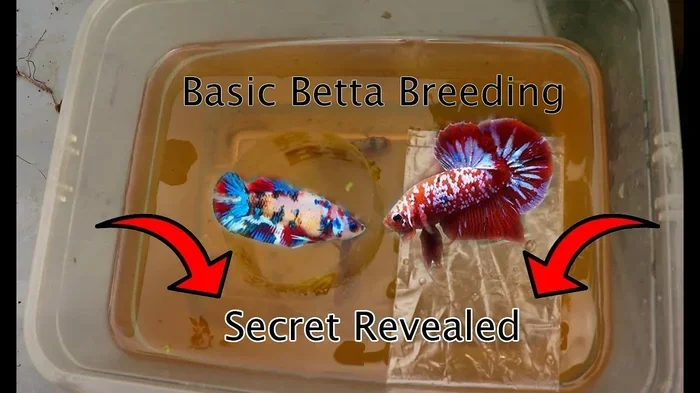
How to Determine Male and Female Betta Fish

Wondering if your Betta is a boisterous male or a graceful female? This guide walks you through easy visual markers, fin shapes, and behavior clues so you can tell the difference in minutes. Get practical tips for accurate identification and better tank planning.
Key Takeaways
- Fin differences are the first clue: Males flaunt long, flowing fins; females have shorter, rounded ones.
- Body shape matters: Males are slimmer and more colorful; females are bulkier with a “egg‑belt.”
- Behavior tells a story: Males are territorial and flare often; females are more social and less aggressive.
- Age influences visibility: Young bettas may look alike; wait 8‑12 weeks for reliable signs.
- Safe handling tips: Use a soft net and avoid stressing the fish while you examine it.
- Know the breeding signs: Females develop a gravid spot when ready to spawn.
- Use reliable resources: Check trusted guides like How To Distinguish Male And Female Betta Fish for deeper insight.
📑 Table of Contents
Introduction
Betta fish are dazzling, lively, and surprisingly social for a species that’s often kept alone. Whether you’re a beginner or a seasoned hobbyist, one of the first questions you’ll face is: how to determine male and female betta fish?
Getting the gender right matters for many reasons. Males are the show‑offs with their spectacular fins, while females are the caretakers of the next generation. Knowing the difference helps you set up the right tank size, avoid unwanted fights, and plan breeding if that’s on your wish list.
1. Visual Cues: The Most Reliable Indicators
Fin Length and Shape
The easiest way to spot a male is by looking at the fins. Males grow long, flowing fins that can look like a silk scarf. The dorsal (top) fin, caudal (tail) fin, and especially the anal fin are dramatically elongated. Females, on the other hand, have shorter, more rounded fins that are functional rather than decorative.

Visual guide about How to Determine Male and Female Betta Fish
Image source: x0.ifengimg.com
Body Size and Shape
Male bettas are typically slimmer and more elongated. Their bodies taper toward the tail, giving a sleek, “fighter” silhouette. Females are a bit more robust, with a wider abdomen that can swell when they are full of eggs. This “egg‑belt” becomes noticeable as a slight bulge near the vent.
Color Intensity
While both sexes can be vibrant, males usually display brighter, more saturated colors. The pigments are a part of their mating display and territorial behavior. Females often have softer hues, though some strains breed true for vivid coloration.
Gravid Spot
Only females develop a dark, oval “gravid spot” near the vent when they are ready to lay eggs. It looks like a tiny black dot and becomes more pronounced as the fish fills with eggs. Spotting this is a dead‑sure way to confirm a female.
Internal Linking Example
If you’re still unsure, the article How To Tell A Female Betta Fish From A Male breaks down these visual clues with side‑by‑side photos.
2. Behavioral Differences: Actions Speak Louder Than Fins
Territorial Flaring
Male bettas love to flare their gills and spread their fins when they see a reflection or another fish. This is a dominance display. Females may flare, but it’s far less frequent and usually only when they feel threatened.

Visual guide about How to Determine Male and Female Betta Fish
Image source: imgs.699pic.com
Social Interaction
Females are generally more tolerant of other bettas, especially when kept in sorority groups. They’ll swim together, explore, and even share a larger tank peacefully. Males are solitary by nature and will become aggressive if housed with another male.
Feeding Habits
Both sexes eat similar foods, but males tend to be more aggressive eaters, often pushing other fish away from the surface. Observing who gets to the top first can give a hint, though it’s not a definitive test.
3. Age Matters: When to Start Checking
Juvenile Stage (0‑8 weeks)
Very young bettas look almost identical. Their fins are short, and color patterns are still developing. Patience is key—wait until they are at least 8 weeks old before making a final call.

Visual guide about How to Determine Male and Female Betta Fish
Image source: static.deepfakeporn.net
Adolescent Stage (8‑12 weeks)
During this window, the male’s fins begin to elongate, and the female’s body starts to round out. It’s the ideal time to start gentle observation.
Adult Stage (12+ weeks)
By this stage, most visual and behavioral differences are fully expressed. If you’re still uncertain, a quick health check by a vet or an experienced breeder can confirm gender.
4. Safe Handling and Examination Techniques
Preparing the Tank
Before you pick up your betta, make sure the water parameters are stable (temperature 76‑80°F, pH 6.5‑7.5). A stressed fish will hide its true colors and may appear dull.
Using a Soft Net
Grab a fine‑mesh, soft‑sided net. Gently coax the fish into the net by moving the food cup near the surface. Avoid sudden movements that can cause fin damage.
Observing in a Separate Container
Place the betta in a small, shallow container filled with water from its tank. This gives you a clear view of the fins and body shape without the reflections that can confuse flaring behavior.
What to Look For
- Fin length and shape (as described earlier)
- Body roundness and possible gravid spot
- Color vibrancy
- Any signs of illness that might mask true gender (e.g., fin rot)
Returning the Fish
When you’re done, gently release the betta back into its main tank. Keep handling to a minimum—over‑handling can lead to stress and weakened immunity.
5. Common Mistakes and How to Avoid Them
Relying on One Trait Alone
Some beginners decide based solely on fin length, but certain dwarf or half‑moon varieties have naturally shorter fins even in males. Combine multiple clues—fin shape, body size, behavior, and gravid spot—for accuracy.
Misreading Juvenile Signs
Young bettas often have underdeveloped fins, making gender identification tricky. Patience pays off; wait until the adolescent stage before drawing conclusions.
Ignoring Health Issues
Illness can cause color fading, fin ragging, or abnormal swelling, which may be mistaken for gender traits. Treat any health concerns first—see the guide on How To Treat Dropsy In Betta Fish if you notice abnormal swelling.
Over‑crowding During Observation
Putting too many fish in a small container to compare can cause stress and aggressive displays. Examine each fish individually for the clearest view.
6. Why Knowing the Gender Matters
Tank Setup and Compatibility
If you plan a community tank, knowing you have females allows you to create a sorority (a group of 4‑6 females). Males, however, need a solitary setup or a heavily divided tank to prevent fights.
Breeding Plans
Successful breeding requires a healthy male and a mature female with a visible gravid spot. Understanding the differences helps you select the best pair and provide proper spawning conditions.
Choosing the Right Betta for You
Some hobbyists prefer the flamboyant display of a male, while others enjoy the more subtle beauty and breeding potential of a female. Knowing the gender lets you pick the fish that matches your goals.
Further Reading
For a deeper dive into breeding and gender specifics, explore How To Determine Betta Fish Gender and the comprehensive guide on Which Is Better Male Or Female Betta Fish.
Conclusion
Figuring out how to determine male and female betta fish doesn’t have to be a mystery. By paying attention to fin length, body shape, color intensity, the presence of a gravid spot, and typical behavior patterns, you can confidently identify the gender of most bettas within a few weeks of age. Remember to handle your fish gently, give them time to grow, and consult trusted resources when in doubt. With the right knowledge, you’ll set up a happier, healthier environment—whether you’re showcasing a single male’s flamboyance or nurturing a group of friendly females.
Frequently Asked Questions
How can I tell the gender of a betta when it’s still a fry?
It’s very hard to differentiate fry. Wait until they are at least 8 weeks old; then look for emerging fin differences and body shape.
Do all male bettas have bright colors?
Most males are more vivid, but some genetic lines produce pale males. Use fin length and behavior as additional clues.
Can a female betta ever develop long fins like a male?
Rarely, some dwarf females may grow slightly longer fins, but they never reach the dramatic length of a true male’s fins.
What is a gravid spot and when does it appear?
The gravid spot is a dark oval near the vent that appears when a female is full of eggs, usually a few weeks before spawning.
Is it safe to keep one male and one female together?
Yes, but only for breeding purposes and under close supervision. After spawning, the male may become aggressive toward the female.
Do female bettas need larger tanks than males?
Females are often kept in slightly larger groups, so a tank of 10‑20 gallons works well for a sorority, while a single male can thrive in a 5‑gallon setup.