Is a 2 Stroke Motor Better for Fishing
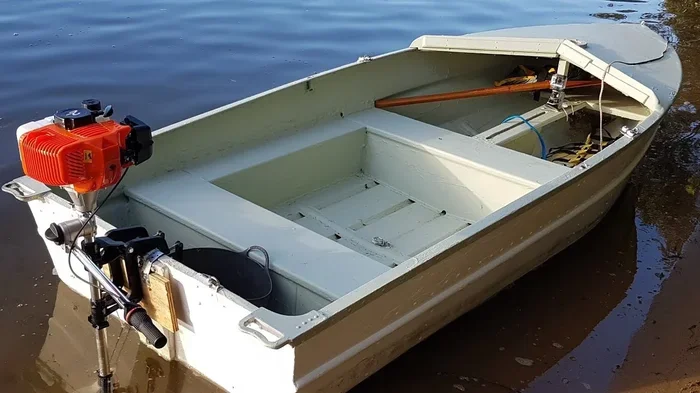
A 2 stroke motor can be a great choice for fishing because it is lightweight, powerful, and easy to maintain. Many anglers prefer the instant power and simple design of a 2 stroke engine for their fishing boat. However, there are trade-offs like fuel use and emissions that you should consider before buying. This guide breaks down the pros and cons so you can make the best decision for your fishing setup.
Key Takeaways
- Lightweight and Powerful: A 2 stroke motor gives you great power-to-weight ratio, making it ideal for smaller fishing boats.
- Easy Maintenance: Fewer moving parts mean less upkeep compared to 4 stroke engines.
- Instant Throttle Response: You get quick acceleration, which helps when chasing fish.
- Fuel Efficiency Can Be Lower: 2 stroke engines burn more fuel than 4 stroke alternatives over long trips.
- Environmental Concerns: Older 2 stroke motors release more emissions into the water and air.
- Best for Short Trips: A 2 stroke motor shines on short fishing outings, not necessarily long deep-sea journeys.
📑 Table of Contents
- Is a 2 Stroke Motor Better for Fishing?
- What Is a 2 Stroke Motor?
- Why Choose a 2 Stroke Motor for Fishing?
- Where Does a 2 Stroke Motor Fall Short?
- 2 Stroke vs 4 Stroke Motor for Fishing
- Best Uses for a 2 Stroke Motor in Fishing
- Maintenance Tips for Your 2 Stroke Motor
- Common Mistakes to Avoid with a 2 Stroke Motor for Fishing
- The Verdict: Is a 2 Stroke Motor Better for Fishing?
Is a 2 Stroke Motor Better for Fishing?
If you own a fishing boat or are thinking about getting one, the engine choice matters a lot. The 2 stroke motor has been a favorite among anglers for decades. It is simple, light, and delivers quick power when you need it most. But is it really the best choice for your fishing adventures?
The answer depends on what kind of fishing you do, how big your boat is, and what you value most. Some anglers love the raw power of a two-stroke engine. Others prefer the fuel savings of a newer 4 stroke model. Let us dive deep into what makes a 2 stroke motor stand out for fishing and whether it is the right pick for you.
What Is a 2 Stroke Motor?
A 2 stroke motor completes its power cycle in just two movements of the piston. This means it fires once every revolution of the crankshaft. The result is a simpler engine with fewer parts. That simplicity is one of the main reasons many fishing enthusiasts choose this type of outboard motor.
Here is how a two-stroke engine works in plain terms:
- Upstroke: The piston moves up and compresses the fuel-air mix.
- Downstroke: The mix ignites, pushing the piston down and creating power.
- Exhaust: As the piston goes up again, burnt gases escape through the exhaust port.
- Intake: Fresh fuel-air mix enters the crankcase, ready for the next cycle.
That entire process happens in just two strokes. It is fast, simple, and effective. This is why a 2 stroke motor has been a go-to for fishing boats for so long.
Why Choose a 2 Stroke Motor for Fishing?
There are many reasons why anglers still prefer a 2 stroke motor for their fishing trips. Let us look at the biggest advantages.
Lightweight and Easy to Handle
A 2 stroke outboard motor weighs significantly less than a 4 stroke engine of the same horsepower. This matters a lot for smaller fishing boats. Less weight means better speed and better fuel economy. If you haul your boat to the lake often, you will appreciate the lighter load.
Quick Power Delivery
One of the best things about a two-stroke engine is the instant throttle response. When you twist the grip, you get immediate power. This is huge when you are fishing and need to quickly move to a new spot. Whether you are chasing bass in a lake or heading out to sea fishing, that quick acceleration gives you an edge.
Simple Design Means Less Maintenance
Fewer parts mean fewer things that can break. A 2 stroke motor has a simpler design than a 4 stroke engine. There is no complex valve train to worry about. Many anglers can do basic motor maintenance themselves. This saves time and money on the water.
Great for Smaller Fishing Vessels
If you fish from a small aluminum boat or an inflatable, a 2 stroke motor is often the best match. The light weight of the engine keeps your boat balanced. It also means you do not need a big, heavy engine to get good performance. For kayak fishing or small pontoon boats, this is a huge plus.
Where Does a 2 Stroke Motor Fall Short?
No engine is perfect, and the 2 stroke motor has some real drawbacks. Let us be honest about the downsides so you can make an informed choice.
Fuel Efficiency Is Not Its Strong Suit
A 2 stroke engine burns more fuel than a 4 stroke engine. This is because some fuel escapes with the exhaust. Over a long day of fishing, this adds up. If you spend hours on the water, you will notice the difference at the pump. For short trips, it may not matter much. But for all-day outings, the fuel costs can be frustrating.
Higher Emissions
Older 2 stroke motors release unburned fuel and oil into the water. This is bad for the environment and can harm fish habitats. Many lakes now have restrictions on 2 stroke engines. Before you buy one, check the rules for your local fishing spots. Some areas have banned them entirely to protect water quality.
Louder Operation
A two-stroke engine is louder than a 4 stroke motor. This can scare fish away, especially in calm waters. If you like to fish early in the morning or in quiet coves, the noise can be a problem. Some anglers use mufflers to reduce the sound, but it never matches a 4 stroke engine’s quiet hum.
2 Stroke vs 4 Stroke Motor for Fishing
The debate between a 2 stroke motor and a 4 stroke motor is common among fishing enthusiasts. Both have their place. Here is a side-by-side look at how they compare.
| Feature | 2 Stroke Motor | 4 Stroke Motor |
|---|---|---|
| Weight | Lighter | Heavier |
| Power-to-Weight Ratio | Excellent | Good |
| Fuel Efficiency | Lower | Higher |
| Maintenance | Simpler | More Complex |
| Noise Level | Louder | Quieter |
| Emissions | Higher | Lower |
| Cost | Lower upfront | Higher upfront |
| Throttle Response | Instant | Slightly Slower |
As you can see, a 2 stroke motor wins in weight and power delivery. A 4 stroke engine wins in fuel economy and quiet operation. Your choice depends on what matters most for your style of fishing.
Many anglers who use a 2 stroke motor for fishing also care about their other gear. For example, if you fish from a kayak, you might want to check whether shorter rods are better for kayak fishing. Matching your gear to your setup makes a big difference on the water.
Best Uses for a 2 Stroke Motor in Fishing
A 2 stroke motor is not for every fishing situation. But in the right setting, it really shines. Here are the scenarios where it works best.
Freshwater Lake Fishing
For bass fishing, trout fishing, or panfish in freshwater lakes, a 2 stroke motor is a solid choice. The quick acceleration helps you move between spots fast. The light weight keeps your boat responsive. And for shorter trips, the fuel use is manageable.
Fishing in Remote Areas
If you fish in remote spots where you need to hike or tow your boat, a light 2 stroke motor is a lifesaver. You do not want to struggle with a heavy engine on a narrow trail. The simplicity of a two-stroke engine also means fewer things to go wrong far from civilization.
Fishing at Night or in Low Light
Many anglers find that sea fishing at night or fishing in low light conditions is more productive. A 2 stroke motor gets you to your spot quickly and quietly enough for most situations. The instant power helps you position your boat precisely without wasting time.
Some anglers also wonder about their bait choices. If you fish with shrimp, you might want to learn whether raw or cooked shrimp is better for fishing. The right bait paired with the right motor setup can boost your catch rate.
Maintenance Tips for Your 2 Stroke Motor
Keeping your 2 stroke motor in good shape is not hard. A little regular care goes a long way. Here are some simple tips to keep your engine running strong.
Flush After Every Use
Always flush your outboard motor with fresh water after each trip. Salt water causes corrosion fast. A simple flush with a garden hose takes five minutes and saves you hundreds in repairs.
Check the Fuel Mix Regularly
A 2 stroke engine needs a mix of gas and oil. Use fresh fuel and the right oil ratio. Old fuel can gum up the carburetor. Always drain the tank if you are storing the motor for more than a few weeks.
Inspect the Spark Plug
A dirty spark plug reduces performance. Check it before every fishing season. Clean it or replace it if needed. This small step keeps your two-stroke engine running smoothly.
Store Properly During Off-Season
When the fishing season ends, store your motor in a dry, cool place. Use a fuel stabilizer to prevent buildup. Cover the motor to protect it from dust and moisture. Proper storage extends the life of your 2 stroke motor by years.
Common Mistakes to Avoid with a 2 Stroke Motor for Fishing
Even experienced anglers make mistakes with their 2 stroke motors. Here are some common errors to avoid.
- Using the wrong fuel mix: Too much oil or too little oil can damage your engine. Always follow the manufacturer’s ratio.
- Skipping the flush: Salt buildup causes serious damage over time. Do not skip this step, even on busy fishing days.
- Ignoring warning signs: If your motor starts sputtering or losing power, check it right away. Small problems become big repairs fast.
- Overloading the boat: A 2 stroke motor has a weight limit. Exceeding it strains the engine and reduces performance.
- Neglecting the propeller: A damaged propeller wastes fuel and reduces speed. Inspect it before every trip.
Many of these mistakes are easy to avoid with a simple pre-trip checklist. A well-maintained 2 stroke motor will serve you reliably for many fishing seasons.
The Verdict: Is a 2 Stroke Motor Better for Fishing?
So, is a 2 stroke motor better for fishing? The honest answer is: it depends. For anglers who value light weight, quick power, and simple maintenance, a 2 stroke motor is hard to beat. It is especially great for freshwater fishing, kayak fishing, and short trips where you need to move fast.
However, if you do long fishing trips, fish in sensitive areas, or need a quiet engine, a 4 stroke motor might be a better fit. The two-stroke engine has its limitations in fuel economy and emissions.
Ultimately, the best motor is the one that fits your fishing style, your boat, and your local regulations. Think about where you fish most often, how long your trips are, and what you need from your engine. A 2 stroke motor remains a beloved choice for many anglers around the world, and for good reason.
If you are planning your next fishing trip, consider pairing your motor choice with the right fishing strategy. For example, weather conditions can affect your success on the water. Check out whether low pressure is better for fishing to understand how weather impacts your catches. Also, if you fish from a canoe or kayak, you might want to learn whether a canoe or kayak is better for fishing to match your vessel to your style.
Remember, the best fishing setup is the one that works for you. Choose your 2 stroke motor wisely, maintain it well, and get out on the water. Tight lines and happy fishing!
Frequently Asked Questions
Is a 2 stroke motor good for freshwater fishing?
Yes, a 2 stroke motor is excellent for freshwater fishing. It is lightweight, provides quick power, and is easy to maintain. Many bass and trout anglers prefer 2 stroke engines for their responsiveness on the water.
How long does a 2 stroke motor last for fishing?
With proper maintenance, a 2 stroke motor can last 1,500 to 3,000 hours of use. Regular flushing, fresh fuel mix, and spark plug checks all extend the engine life significantly.
Can I use a 2 stroke motor for saltwater fishing?
You can, but salt water is harsh on any engine. You must flush the motor with fresh water after every saltwater trip. Some anglers prefer 4 stroke engines for saltwater fishing because of better corrosion resistance.
Is a 2 stroke motor louder than a 4 stroke motor?
Yes, a two-stroke engine is noticeably louder than a 4 stroke motor. This can be a concern when fishing in calm waters where noise might scare fish. Using a quality muffler can help reduce the noise level.
Are 2 stroke motors being phased out for fishing?
Some regions have restrictions on older 2 stroke engines due to emissions concerns. However, modern direct-injection 2 stroke motors meet stricter environmental standards. Always check local regulations before using a 2 stroke motor in your fishing area.
What size 2 stroke motor do I need for a fishing boat?
The right size depends on your boat weight and the type of fishing you do. As a general rule, match the motor horsepower to your boat manufacturer’s recommended range. A light fishing boat usually does well with a 15 to 25 horsepower 2 stroke motor.