Do Betta Fish Need a Solid Divider or See Through Option
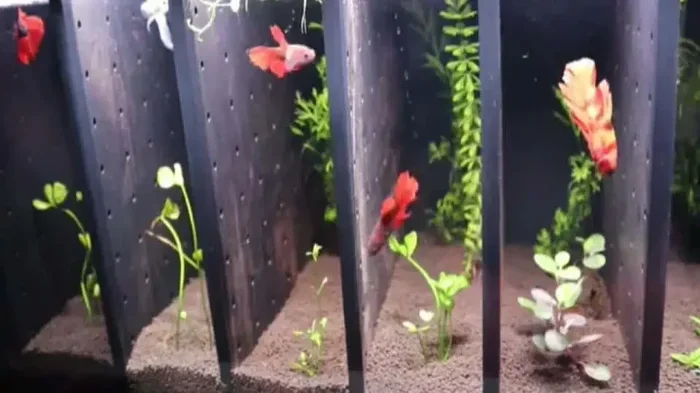
Betta fish generally thrive better with a solid divider because it blocks visual triggers that cause stress and aggression. While a see-through option might look nicer, it often leads to constant flaring and wasted energy, so choose based on your fish’s temperament and tank setup.
Do Betta Fish Need a Solid Divider or See Through Option
Betta fish are beautiful, but they can be aggressive. Many owners wonder about tank dividers. You might ask if betta fish need a solid divider or see through option. This choice matters for their peace. We will explore what works best for your pet.
Choosing the right barrier helps reduce stress. It also prevents fighting between fish. You want your fish to feel safe. Let us look at the facts together.
We will cover tank size and behavior. You will learn about visual barriers. This guide helps you make the right call. Your fish deserves a happy home.
Key Takeaways
- Choose solid dividers to prevent aggression and reduce stress between male bettas.
- See-through dividers work only if fish ignore each other completely.
- Visual barriers stop flashing, which triggers fighting instincts in territorial fish.
- Solid options create a calmer environment for long-term tank mates.
- Monitor behavior closely when testing any divider in your aquarium.
- Peaceful communities need barriers to stop chasing and fin nipping.
- Prioritize safety over visibility to keep your betta healthy and happy.
📑 Table of Contents
Understanding Betta Fish Aggression Levels
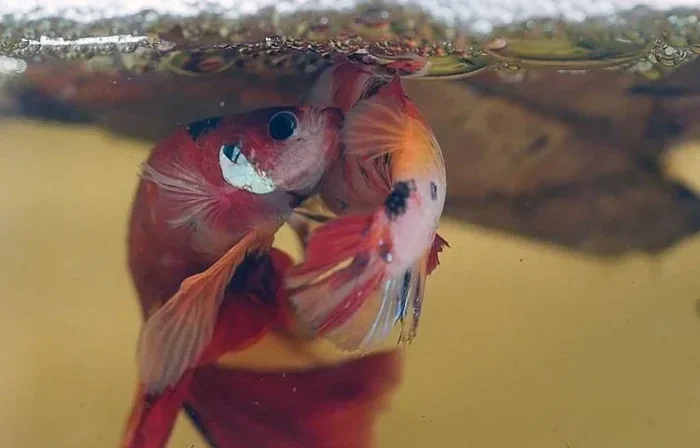
Male betta fish are known for being territorial. They often fight with other males. This behavior is natural for them. You must respect their space needs.
Fighting can cause injury or death. Stress levels rise quickly in small tanks. A divider can help manage this risk. It creates a boundary between fish.
Some fish are calmer than others. Age and health play a role too. Younger fish might be more active. Older fish may need more rest.
Male Versus Female Behavior
Male bettas are usually more aggressive. They flare their gills at rivals. Female bettas can be social sometimes. They often live in groups called sororities.
However, females can still fight. You need to watch them closely. A solid divider works well for males. Females might tolerate see through options better.
Signs of Stress in Your Fish
Look for faded colors on their body. Clamped fins are another bad sign. Hiding constantly shows fear too. Loss of appetite is a major warning.
If you see these signs, act fast. Check your tank setup immediately. Remove aggressors if needed. A visual barrier might solve the problem.
The Pros and Cons of Solid Dividers
A solid divider blocks the view completely. This stops fish from seeing each other. It reduces aggression significantly. Many owners prefer this for safety.
The main benefit is peace of mind. You do not worry about fights. The fish feels secure in their section. It mimics a natural boundary.
There are downsides to this choice. The tank looks divided and smaller. You cannot watch both fish easily. It might feel cramped for active fish.
When to Use a Solid Barrier
Use this when fish are very aggressive. It helps during breeding introductions too. New fish need time to adjust. A solid wall gives them that time.
It is also good for sick fish. They need quiet without disturbance. Recovery happens faster in peace. Protect weak fish from bullies.
Materials for Solid Dividers
You can use plastic or acrylic sheets. Cardboard works for temporary setups. Ensure the material is safe for water. Avoid toxic paints or glues.
Cut the material to fit your tank. Secure it firmly so it does not fall. Leave space for water flow if needed. Tank dividers must be stable.
The Pros and Cons of See Through Options
A see through divider lets light pass. You can still view both sides. It looks nicer in your home. The tank feels more open visually.
Fish might still see each other. This can trigger some aggression. It depends on the individual fish. Some ignore the barrier completely.
This option allows better monitoring. You can check health easily. It helps if you plan to reintroduce them. Transparent barriers have their place.
Visual Stimulation Considerations
Some fish get bored without stimulation. Seeing movement might help them. But constant staring causes stress. Balance is key for their mental health.
If they flare constantly, remove the view. Switch to a opaque divider instead. Watch their behavior for several days. Adjust based on what you see.
Lighting and Visibility Issues
Light passes through see through walls. This might heat the water slightly. Ensure your heater is set correctly. Check temperatures on both sides.
Algae might grow faster with more light. Clean the divider regularly. Keep the glass or plastic clear. Maintenance is easier with visibility.
Tank Size and Divider Compatibility
The size of your tank matters a lot. Small tanks need careful planning. A divider takes up space. Fish need room to swim freely.
Five gallon tanks are common for bettas. Dividing this size is tricky. Each section becomes very small. Tank size dictates your options.
Ten gallon tanks offer more flexibility. You can create two decent spaces. Fish have more room to explore. Water quality stays better too.
Minimum Space Requirements
Each fish needs enough swimming room. Betta fish like to patrol their territory. Cramped spaces cause frustration. Follow minimum size guidelines strictly.
Refer to our guide on do betta fish like a lot of space. This helps you understand their needs. Proper space reduces aggression naturally.
Water Flow and Filtration
Dividers can block water circulation. You need to plan your filter placement. Water flow must reach both sides. Stagnant water leads to health issues.
Check if your filter is strong enough. Some filters push water too hard. Betta fish prefer calm water. Adjust the flow rate accordingly.
Read more about do betta fish have to be in a filtered tank. Filtration keeps the water clean. Clean water prevents disease outbreaks.
Temperature and Heating Considerations
Temperature stability is crucial for bettas. They are tropical fish from warm waters. Cold water makes them sick easily. You must monitor the heat closely.
Dividers can affect temperature zones. One side might be warmer than the other. Use separate heaters if needed. Ensure both sides stay warm.
A solid divider might block heat distribution. A see through option allows heat transfer. Think about your heating setup carefully.
Heater Placement Tips
Place the heater in the larger section. This helps distribute warmth better. Check temperatures with a thermometer. Do not guess the water heat.
Learn more at do betta fish bowls need a heater. Heating is vital for their health. Cold shock can be fatal quickly.
Monitoring Water Parameters
Test the water regularly for safety. Ammonia levels must stay at zero. Nitrites should also be non-detectable. Nitrates should be low for health.
Dividers make testing slightly harder. You must test each section separately. Keep a log of your readings. This helps spot trends early.
Installation and Maintenance Tips
Installing a divider takes some time. Measure your tank length and height. Cut the material to fit tightly. Secure it without harming the fish.
Use suction cups or slots if possible. This keeps the divider in place. Avoid using sharp edges near fish. Safety is the top priority always.
Clean the divider during water changes. Algae can build up on it. Scrub it gently with a sponge. Keep the tank environment healthy.
Common Mistakes to Avoid
Do not leave gaps between the wall. Fish can swim through small holes. They will fight if they meet. Seal any openings completely.
Avoid using toxic materials for construction. Some plastics leach chemicals into water. Research safe materials before building. Your fish health depends on this.
Do not ignore water flow restrictions. Blocked flow causes dead spots. Clean debris from behind the divider. Maintain good circulation everywhere.
Quick Tips for Success
Start with a solid divider first. Observe behavior for a few weeks. Switch to see through if calm. Always prioritize fish safety first.
Keep a backup plan ready always. Have a separate tank for emergencies. Remove fish if fighting starts. Better safe than sorry always.
Comparison of Divider Types
Choosing the right barrier depends on your goals. Here is a simple comparison to help you decide. Look at the features below carefully.
| Feature | Solid Divider | See Through Divider |
|---|---|---|
| Visibility | None | Full |
| Aggression Reduction | High | Low to Moderate |
| Light Penetration | Low | High |
| Heat Transfer | Low | High |
| Aesthetic Appeal | Lower | Higher |
| Best Use Case | Fighting Fish | Calm Fish |
This table shows key differences clearly. Use it to guide your choice. Your specific situation matters most.
Final Thoughts on Dividers
Deciding on betta fish need a solid divider or see through option requires care. Consider your fish personality first. Aggressive fish need solid barriers. Calm fish might tolerate glass.
Your tank size limits your choices. Small tanks need more caution. Large tanks offer more flexibility. Plan your setup before buying materials.
Monitor your fish every single day. Look for signs of stress or injury. Adjust the divider if needed. Their well-being comes first always.
With the right setup, your fish thrive. They live happier and healthier lives. You enjoy watching them more too. A good divider solves many problems.
Frequently Asked Questions
Do betta fish need a solid divider or see through option for safety?
They need a solid divider to block their view of other fish. A see through option can cause stress because they see the rival fish constantly.
Do betta fish need a solid divider or see through glass for tanks?
You should choose a solid divider instead of clear glass. Bettas flare at reflections and movement, so a see through glass panel might trigger aggression.
Do betta fish need a solid divider or see through mesh material?
A solid divider is better than a see through mesh for reducing stress. Mesh allows visual contact, which often leads to fighting between male bettas.
Do betta fish need a solid divider or see through barrier in quarantine?
For quarantine, a solid divider helps keep sick fish isolated without visual stress. A see through barrier is not necessary if the fish are already ill or recovering.
Do betta fish need a solid divider or see through setup for breeding?
Breeding tanks often use a solid divider to separate males and females until ready. A see through setup is rarely used because it can prevent proper conditioning.
Do betta fish need a solid divider or see through wall in community tanks?
In community tanks, a solid divider protects shy fish from aggressive tank mates. A see through wall might not stop bullying if the fish can still see each other.