Can Bettas Live in a Fish Bowl

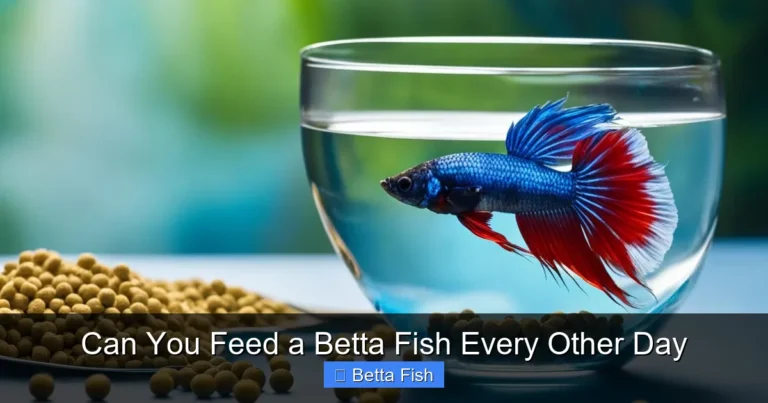
Can bettas live in a fish bowl? Technically, they can survive for a short time—but they won’t thrive. While bettas are hardy and can breathe air, bowls lack space, filtration, and stable water conditions essential for long-term health. For a vibrant, long-lived betta, a heated, filtered tank of at least 5 gallons is strongly recommended over any bowl.
- Bettas can survive—but not thrive—in bowls: Their labyrinth organ lets them breathe air, but bowls lack space, heat, and filtration needed for true health.
- Small bowls cause stress and disease: Poor water quality from waste buildup leads to fin rot, lethargy, and shortened lifespans.
- Temperature swings are deadly: Bowls can’t hold a stable tropical temperature (76–82°F), weakening your betta’s immune system.
- A 5-gallon+ heated, filtered tank is ideal: This setup mimics their natural habitat and supports long-term wellness.
- Bowl maintenance is more intense: Without a filter, you’ll need near-daily water changes to keep toxins low.
- Myth vs. reality: Just because pet stores display bettas in bowls doesn’t mean it’s ethical or healthy long-term.
- Upgrading saves money and heartache: A proper tank reduces vet-like crises and gives your betta a fuller, more active life.
📑 Table of Contents
- Can Bettas Live in a Fish Bowl? The Honest Truth Every Owner Should Know
- Why People Think Bowls Are Okay for Bettas
- The Real Problems with Keeping Bettas in Bowls
- What Bettas Actually Need to Thrive
- How to Transition from Bowl to Tank (Step-by-Step)
- Common Myths About Betta Bowls—Debunked
- Alternatives to Bowls: Affordable & Beautiful Setups
- Final Thoughts: Give Your Betta the Life They Deserve
Can Bettas Live in a Fish Bowl? The Honest Truth Every Owner Should Know
If you’ve ever walked into a pet store, you’ve probably seen bright, flamboyant betta fish sitting solo in tiny bowls or cups. It’s no wonder so many new owners assume a bowl is a perfectly fine home. But here’s the real talk: can bettas live in a fish bowl? The short answer is yes—but only in the most basic sense of survival. And survival isn’t the same as living well.
Bettas are stunning, intelligent fish with big personalities. They recognize their owners, flare when excited, and even learn tricks. But those vibrant colors and active behaviors fade fast in a bowl. Why? Because bowls simply can’t provide what bettas truly need to thrive. In this guide, we’ll break down exactly why bowls fall short, what your betta really requires, and how to set up a home that lets them shine.
Why People Think Bowls Are Okay for Bettas
The Labyrinth Organ Myth
One reason bettas are linked to bowls is their unique labyrinth organ. This special structure lets them gulp air from the surface—unlike most fish that rely solely on gills. Because of this, people assume they don’t need clean, oxygen-rich water. But that’s a dangerous misunderstanding. While bettas can survive low-oxygen environments, they still produce waste, need stable water chemistry, and suffer in dirty conditions. Breathing air doesn’t make them immune to ammonia poisoning or stress.
Pet Store Displays Set Bad Expectations
Walk into any big-box pet store, and you’ll see male bettas in tiny plastic cups or decorative bowls. It’s standard practice—but it’s temporary housing, not a lifestyle. These setups are meant to hold fish for days, not years. Unfortunately, many buyers take that as proof that bowls are fine long-term. Spoiler: they’re not. Just because a betta can survive in a bowl doesn’t mean it should.
The Real Problems with Keeping Bettas in Bowls
1. No Room to Swim or Explore
Bettas aren’t just pretty faces—they’re active swimmers with natural instincts to patrol territory, hide, and investigate. A typical bowl holds 1–2 gallons, which is like asking a golden retriever to live in a closet. Without space, bettas become lethargic, stressed, and prone to boredom. Stress weakens their immune system, making them easy targets for diseases like ich or fin rot.
2. Water Quality Crashes Fast
In a small bowl, fish waste, uneaten food, and decaying plant matter build up ammonia and nitrites at alarming rates. Without a filter or regular large water changes, toxin levels spike within days. Even if the water looks clear, it could be poisoning your betta. In contrast, a cycled 5-gallon tank with a filter processes waste naturally, keeping conditions stable between weekly partial changes.
3. Temperature Is Impossible to Control
Bettas are tropical fish. They need water between 76°F and 82°F to stay healthy. Most bowls are too small to safely house a heater, and room temperature fluctuates—especially at night or near windows. Cold water slows their metabolism, dulls their color, and invites illness. A proper tank lets you use an adjustable heater to maintain a steady, safe temperature.
What Bettas Actually Need to Thrive
A Minimum of 5 Gallons
Experts and experienced keepers agree: a 5-gallon tank is the bare minimum for a single betta. Ten gallons is even better. This gives them room to swim, explore, and establish territory without constant stress. It also makes water parameters easier to manage. If you’re serious about your betta’s health, skip the bowl entirely and invest in a small rectangular tank—they’re affordable and widely available.
A Gentle Filter
Filters aren’t just for oxygen—they house beneficial bacteria that break down harmful toxins. Bettas don’t like strong currents, so choose a sponge filter or adjust the flow on a hang-on-back model. A good filter means fewer water changes and a healthier, happier fish. Remember, keeping a betta in a bowl without a filter requires near-daily maintenance just to avoid disaster.
A Reliable Heater
As tropical fish, bettas need consistent warmth. A small, adjustable heater (usually 25–50 watts for a 5-gallon tank) keeps the water in the ideal range. Always use a thermometer to double-check—don’t guess! Stable temperature supports digestion, immunity, and natural behavior.
How to Transition from Bowl to Tank (Step-by-Step)
If your betta is currently in a bowl, don’t panic—but do plan to upgrade. Here’s how to make the switch safely:
- Set up the new tank first. Add dechlorinated water, install the heater and filter, and let it run for 24–48 hours to stabilize temperature.
- Acclimate your betta slowly. Float the bowl (or a bag with bowl water) in the tank for 15–20 minutes to equalize temperature.
- Gradually mix tank water into the bowl. Add small amounts every 10 minutes for about an hour to avoid shock.
- Gently net your betta and place them in the tank. Never pour bowl water into the new tank—it may contain ammonia or pathogens.
- Monitor closely for a few days. Watch for signs of stress (clamped fins, hiding) or illness, but most bettas perk up quickly in better conditions.
Within a week, you’ll likely notice brighter colors, more activity, and even playful behavior. It’s like watching your betta come alive for the first time.
Common Myths About Betta Bowls—Debunked
“Bettas Like Small Spaces”
This myth likely comes from seeing them in cups at stores. In reality, bettas in the wild live in shallow but expansive rice paddies and marshes—not tiny puddles. They use large areas to hunt, hide, and breed. Confining them to a bowl goes against their natural instincts.
“They Don’t Live Long Anyway”
With proper care, bettas live 3–5 years—sometimes longer! But in bowls, many die within months due to stress, poor water, or temperature swings. Their short lifespan in bowls isn’t natural—it’s a result of inadequate care.
“Bowls Are Easier to Clean”
Actually, bowls require more frequent, disruptive cleaning. Without a filter, you’re doing 50–100% water changes multiple times a week. That stresses your betta and disrupts any beneficial bacteria. A filtered tank only needs a 25% weekly change—much easier and safer long-term.
Alternatives to Bowls: Affordable & Beautiful Setups
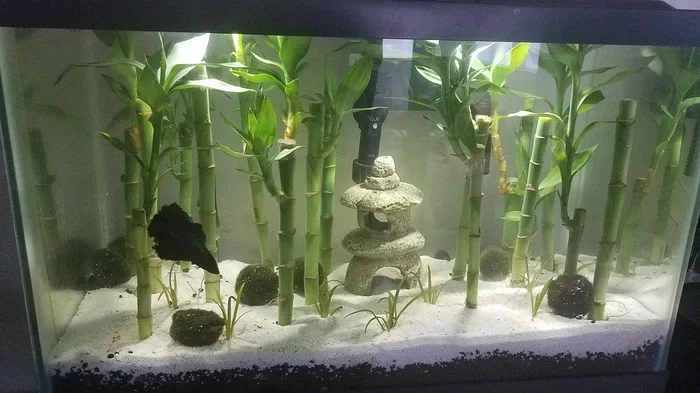
Worried about cost or space? Don’t be. A basic 5-gallon kit (tank, lid, filter, heater) often costs less than $50. Add some silk plants, a cave or two, and you’ve got a stunning, low-maintenance paradise. Glass tanks are clearer than plastic bowls and won’t scratch easily. Plus, they hold heat better and give your betta room to show off those gorgeous fins.
And if you’re thinking about tank mates later, a larger tank opens up safe options. While bettas are solitary, some can coexist peacefully with certain species in a properly sized, well-planted environment. But that’s a topic for another day—and definitely not for a bowl!
Final Thoughts: Give Your Betta the Life They Deserve
So, can bettas live in a fish bowl? Technically, yes—but it’s like saying a bird can live in a shoebox. Survival isn’t the goal. Thriving is. Your betta deserves clean, warm, spacious water where they can swim, explore, and express natural behaviors. Upgrading to a proper tank isn’t just kinder—it’s easier, cheaper in the long run, and way more rewarding.
If you’ve been keeping your betta in a bowl, now’s the perfect time to make a change. Your fish will thank you with brighter colors, longer life, and a personality that truly shines. After all, they’re not just decorations—they’re pets with needs, feelings, and the potential for a great life in the right home.
Frequently Asked Questions
Can a betta fish live in a bowl without a filter?
Yes, but it’s risky and high-maintenance. Without a filter, you must do 50–100% water changes every 2–3 days to prevent ammonia buildup. This stresses the fish and leaves little room for error. A filtered tank is far safer and healthier long-term.
How long can a betta survive in a bowl?
In a bowl, a betta might survive 6 months to 2 years—but often with chronic stress, faded colors, and recurring illness. In a proper 5-gallon heated, filtered tank, they commonly live 3–5 years or more with vibrant health.
Do bettas need a heater in a bowl?
Absolutely. Bettas are tropical and require stable temperatures between 76°F and 82°F. Most bowls can’t safely accommodate a heater, leading to dangerous temperature swings that weaken their immune system and shorten their lifespan.
Is a 2-gallon bowl okay for a betta?
No. Even 2 gallons is too small. Water parameters crash too quickly, and there’s no room for a heater or filter. The absolute minimum recommended size is 5 gallons to ensure stable, healthy conditions.
Can I keep other fish with my betta in a bowl?
Never. Bowls lack the space, filtration, and territory needed for any tank mates. Even peaceful fish will stress a betta in such tight quarters. If you want companions, upgrade to at least 10–20 gallons and research compatible species carefully.
Why do pet stores keep bettas in bowls if it’s bad?
Stores use bowls or cups as temporary holding units—not permanent homes. It’s cost-effective for display but not suitable for long-term care. Don’t let store setups dictate your betta’s living conditions.