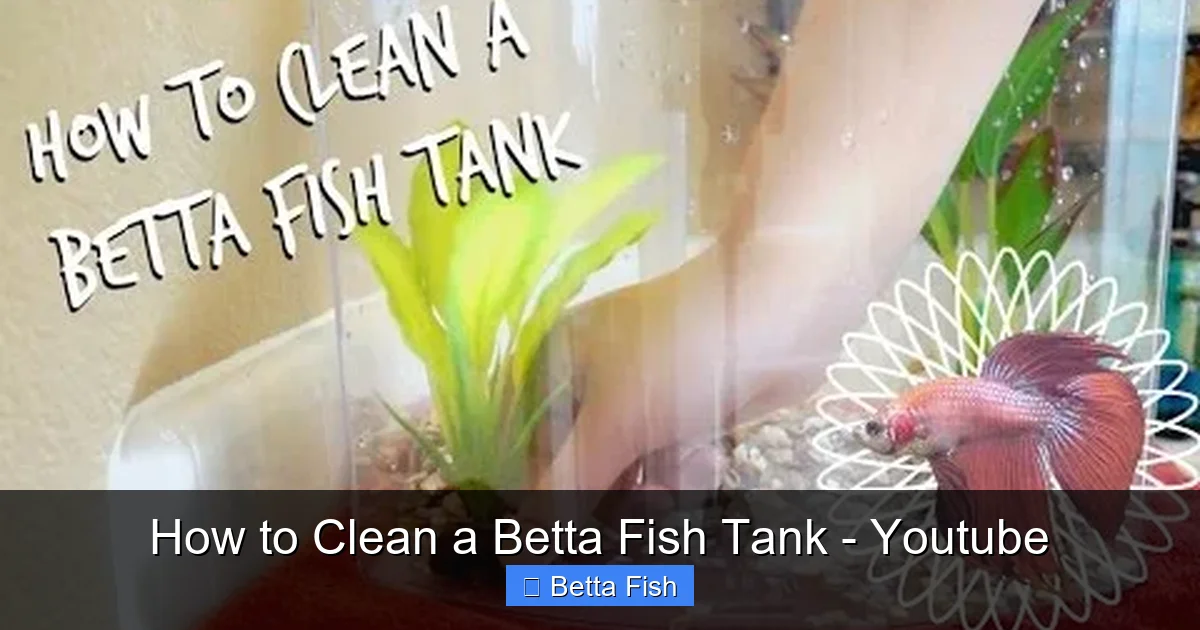
How to Clean a Betta Fish Tank – Youtube

Cleaning a betta fish tank doesn’t have to be scary. Follow this friendly, YouTube‑inspired guide to keep water clear, decorations spotless, and your betta happy. All the tools, timing, and tips are broken down so you can do it in under an hour.
Key Takeaways
- Regular water changes: Replace 25‑30% of the water every week to prevent waste buildup.
- Gentle handling: Use a soft net or a cup to move your betta safely while you clean.
- No‑siphon options: A simple bucket and gravel wash work just as well as a siphon.
- Filter maintenance: Rinse filter media in old tank water, never tap water.
- Live plants care: Trim roots and prune leaves during cleaning to keep algae down.
- Cleaning frequency: Smaller tanks need more frequent spot‑cleaning than larger setups.
- YouTube tutorials: Visual guides can boost confidence—search “how to clean a betta fish tank – youtube” for step‑by‑step videos.
📑 Table of Contents
- Introduction: Why Cleaning Your Betta Tank Matters
- 1. Gather Your Supplies (The “Prep” Phase)
- 2. Safe Betta Relocation: Move Your Fish Gently
- 3. Empty the Tank: How Much Water to Remove?
- 4. Clean the Glass and Decorations
- 5. Vacuum the Substrate
- 6. Refill with Treated Water
- 7. Re‑Introduce Your Betta
- 8. Filter and Equipment Maintenance
- 9. Establish a Cleaning Schedule
- Conclusion: Keep It Simple, Keep It Clean
Introduction: Why Cleaning Your Betta Tank Matters
If you’ve ever watched a YouTube video titled “how to clean a betta fish tank – youtube,” you know the excitement of seeing a crystal‑clear tank transform before your eyes. A clean tank isn’t just about looks; it’s the cornerstone of a healthy, vibrant betta. Poor water quality can lead to fin rot, dull colors, and stress‑related illness.
Betta fish are hardy, but they are also sensitive to ammonia spikes and cloudy water. The good news? Maintaining a spotless home is easier than you think, especially when you break the process into bite‑size steps. In this article we’ll walk through everything you need—from gathering supplies to the final water test—so you can clean your betta tank with confidence, just like the pros on YouTube.
1. Gather Your Supplies (The “Prep” Phase)
What You’ll Need
- Bucket (dedicated for aquarium use only)
- Algae scraper or soft sponge
- Gravel vacuum or a fine mesh net
- Water conditioner (dechlorinator)
- Thermometer
- Soft net or a clean cup for moving the betta
- Paper towels or a clean cloth
Tip: If you don’t have a siphon, you can still do a thorough clean using a small cup and a gentle gravel rinse. See our guide on how to clean a betta fish tank without a siphon for a detailed walk‑through.
Visual guide about How to Clean a Betta Fish Tank – Youtube
Image source: i.ytimg.com
2. Safe Betta Relocation: Move Your Fish Gently
Why You Should Use a Cup
Betta fish have delicate fins that can be torn by a harsh net. A clean cup or a small container filled with tank water is the safest way to temporarily house your fish while you work.

Visual guide about How to Clean a Betta Fish Tank – Youtube
Image source: cdn-cloudflare.meidianbang.cn
Step‑by‑Step Relocation
- Fill a clean cup with water from the tank.
- Slowly coax the betta into the cup using a gentle hand motion.
- Place the cup on a stable surface away from direct sunlight.
Keep the cup covered with a breathable lid to prevent the fish from jumping out.
3. Empty the Tank: How Much Water to Remove?
Partial Water Change (Recommended)
For most betta setups, swapping out 25‑30% of the water each week is ideal. This removes dissolved waste while keeping beneficial bacteria intact.

Visual guide about How to Clean a Betta Fish Tank – Youtube
Image source: hbrbapp.hubeidaily.net
Full Drain (When Needed)
If the water is cloudy, smells sour, or you’re performing a deep clean after a disease outbreak, a full drain may be necessary. Remember to clean and disinfect any decorations before returning them to the tank.
4. Clean the Glass and Decorations
Scraping Algae
Use an algae scraper or a soft sponge to gently remove any green film. Avoid abrasive pads—they can scratch the glass and create tiny crevices where bacteria hide.
Cleaning Rocks and Plants
Rinse rocks and artificial plants in a bucket of old tank water. For live plants, give the roots a gentle rinse to remove detritus, but never use tap water as it can shock the plant’s beneficial microbes. Read more about how to clean a betta fish tank with live plants for plant‑specific advice.
5. Vacuum the Substrate
Why Substrate Cleaning Is Crucial
Gravel and sand trap uneaten food, fish waste, and decaying plant matter. Over time, this creates a toxic environment.
Gravel Vacuum Technique
- Insert the vacuum tube into the gravel, pushing down gently.
- Lift the tube slightly to allow water and debris to flow into the bucket.
- Move the vacuum across the tank in sections, avoiding disturbance of the betta’s territory.
If you don’t own a vacuum, a fine mesh net can scoop out debris while you pour water back in.
6. Refill with Treated Water
Matching Temperature
Use a thermometer to ensure the new water matches the tank’s temperature (usually 78‑80°F for bettas). Adding cold water can stress the fish.
Conditioning the Water
Never add raw tap water directly. Treat it with a water conditioner to neutralize chlorine and chloramines. Follow the product’s dosage instructions.
Slow Pour Technique
Place a clean plate or bowl in the tank and slowly pour the conditioned water over it. This diffuses the flow and prevents the substrate from being disturbed.
7. Re‑Introduce Your Betta
Acclimation Tips
Before releasing the betta, let the cup sit in the tank for about 5 minutes to equalize temperature. Then, gently tilt the cup and let the water slowly mix with the tank water. Finally, release the fish back into its home.
8. Filter and Equipment Maintenance
Rinsing Filter Media
Turn off the filter, remove the media, and rinse it in a bucket of old tank water. This preserves beneficial bacteria while removing trapped waste.
When to Replace Media
Biological media can be reused for months, but mechanical sponges should be replaced every 2‑3 weeks to maintain flow.
For a deeper dive into filter care, see our article on how to clean a betta fish tank with filter.
9. Establish a Cleaning Schedule
Weekly Routine
- Check water parameters (ammonia, nitrite, nitrate).
- Perform a 25‑30% water change.
- Spot‑clean the glass and substrate.
Monthly Deep Clean
Every 4‑6 weeks, do a full substrate vacuum, clean decorations thoroughly, and rinse filter media.
Need help deciding how often to clean? Our guide on how often to clean betta fish tank breaks down frequencies by tank size.
Conclusion: Keep It Simple, Keep It Clean
Cleaning a betta fish tank doesn’t have to be a chore. By following this YouTube‑style step‑by‑step plan, you’ll keep water clear, plants thriving, and your betta flashing its brilliant colors. Remember, consistency beats intensity—regular small water changes are more effective than occasional massive overhauls. Grab your supplies, cue up a “how to clean a betta fish tank – youtube” video for visual support, and enjoy a sparkling aquarium that both you and your betta will love.
Frequently Asked Questions
How often should I change the water in a betta tank?
For a 2‑5 gallon tank, aim for a 25‑30% water change every week. Larger tanks can stretch to bi‑weekly changes, but always monitor water clarity and parameters.
Can I clean my betta tank without a siphon?
Yes. Use a cup to remove water and a small mesh net to lift debris from the substrate. Our article on how to clean a betta fish tank without a siphon offers a full walkthrough.
Do bettas need a filter?
A gentle filter helps maintain water quality, but it must have a low flow to avoid stressing the betta. If you use a filter, rinse the media in old tank water during each water change.
What temperature should my betta’s water be?
Betta fish thrive in water that is consistently between 78°F and 80°F (25‑27°C). Use an aquarium heater and a reliable thermometer to keep the temperature stable.
How can I tell if my tank is dirty enough to need a deep clean?
Signs include cloudy water, a strong fishy odor, visible algae buildup, and stressed behavior from your betta (e.g., clamped fins or reduced activity). When you see any of these, schedule a full clean.
Is it safe to use tap water for refilling?
No. Always treat tap water with a water conditioner to remove chlorine and chloramines, which are harmful to fish and beneficial bacteria.