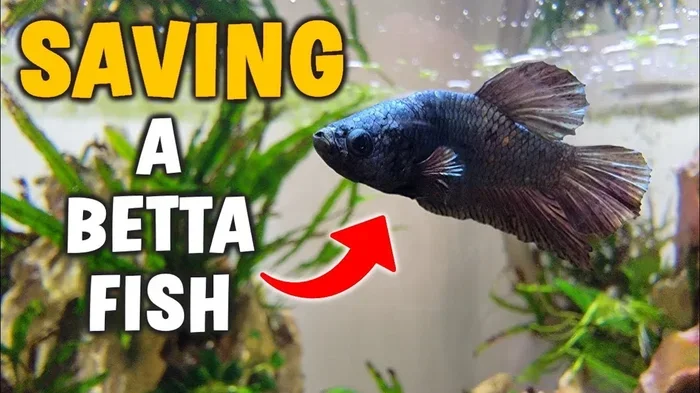
How Much Fish Flakes to Feed Betta

Feeding your betta the right amount of fish flakes is one of the simplest yet most important parts of betta fish care. Most bettas do well with 1 to 2 small pinches of flakes per day, split into two feedings. This guide covers everything you need to know about portions, frequency, and avoiding overfeeding.
If you own a betta fish, you have probably wondered about the right betta fish feeding routine. One of the most common questions new betta owners ask is, “how much fish flakes to feed betta?” The answer might surprise you. Too little food leaves your fish hungry and weak. Too much food can pollute the water and make your betta seriously sick.
Feeding fish flakes to your betta seems simple on the surface. But there is a lot more to it than just tossing a few flakes into the tank. The betta diet needs balance, the right feeding frequency, and careful attention to portion sizes. In this guide, we will walk you through everything you need to know about how much fish flakes to feed betta fish each day. You will learn the exact portions, the best feeding schedule, and the mistakes most beginners make.
Key Takeaways
- Feed 1 to 2 small pinches of flakes daily: This is the standard portion for most adult bettas.
- Split feedings into two meals: Morning and evening feedings help with digestion and energy levels.
- Watch for overfeeding signs: Bloating, cloudy water, and uneaten flakes are clear warning signals.
- Soak flakes before feeding: This prevents stomach expansion issues that can harm your betta.
- Flakes are not the only option: Pellets, frozen foods, and live foods add variety and nutrition.
📑 Table of Contents
How Many Fish Flakes to Feed a Betta
The general rule for betta fish food portions is simple. Give your betta only as much as it can eat in about two minutes. For most fish flakes, this means 1 to 2 small pinches per feeding. A single pinch should contain no more than 3 to 5 small flakes. If your betta finishes the food quickly and looks hungry, you can add one or two more flakes. If food floats around uneaten after two minutes, you have given too much.
The size of the flakes matters too. Some brands make tiny micro flakes that are perfect for bettas. Others make larger flakes meant for bigger tropical fish. Large flakes can be hard for a betta to eat and may cause digestive issues. Always check the size of the flakes before adding them to the tank. Betta nutrition depends not just on the amount but also on the quality of the food you choose.
Understanding Betta Portion Sizes
It helps to think about betta fish portions in visual terms. One small pinch of flakes is roughly the size of your pinky fingernail. That is all your betta needs for one meal. Many people make the mistake of assuming bettas need a big meal because they have big appetites. But bettas have small stomachs. In fact, their stomach is about the size of their eye. Keeping this in mind makes it easier to understand why less is more when it comes to fish flakes amount.
Young betta fish, also called fry or juveniles, need slightly more frequent feedings. They are growing fast and need energy throughout the day. Adult bettas do just fine with two meals a day. Senior bettas may need even less food depending on their activity level and health.
Quick Tips for Measuring Flake Portions
- Use a small pinch between your thumb and forefinger as your guide.
- Pre-break larger flakes into smaller pieces before adding them to the tank.
- Remove any uneaten flakes after two minutes to keep the water clean.
- Adjust portions based on your betta’s age, size, and activity level.
How Often Should You Feed Betta Fish Flakes?
Feeding frequency is just as important as portion size. Most experts recommend feeding your betta twice a day. A morning feeding and an evening feeding works well for most fish keepers. This mimics the natural eating patterns bettas would follow in the wild. In their native habitats, bettas eat small meals throughout the day rather than one big feast.
Some betta owners prefer a once-a-day feeding schedule. This can work too, especially for less active bettas. However, splitting the daily food into two smaller meals is generally better for betta fish health. It helps with digestion and keeps your betta more active and engaged during the day.
Can You Feed Betta Flakes Every Day?
Yes, you can feed flakes every day. In fact, a daily feeding routine provides consistency that bettas thrive on. Just make sure you are not relying on flakes as the only food source. Flakes alone may not provide all the nutrients your betta needs over time. Adding variety through pellets, frozen bloodworms, or betta-safe vegetables can improve your fish’s overall health and color.
What About Skipping a Day?
Skipping one feeding day per week can actually benefit your betta. It gives the digestive system a chance to process any remaining food and can help prevent constipation. Many experienced fish keepers recommend a weekly fasting day. This is a simple practice that supports long-term betta fish care and keeps your fish feeling its best.
Pellets vs Flakes: What Is Better for Bettas?
One of the biggest debates in the betta keeping world is pellets versus flakes. Both have their pros and cons. Understanding the differences helps you choose the best betta diet for your fish.
Flakes are convenient and widely available. They float on the water surface, which is perfect since bettas are top feeders. However, flakes can lose their nutritional value quickly once the container is opened. They also tend to break apart easily, which can make a mess in the tank.
Pellets, on the other hand, are denser and hold their shape better. They sink slowly, giving your betta time to eat. High-quality pellets are often formulated specifically for bettas and contain more protein. Many breeders and experienced hobbyists prefer pellets over flakes for this reason.
Comparison: Flakes vs Pellets for Betta Fish
| Feature | Flakes | Pellets |
|---|---|---|
| Nutritional Density | Lower | Higher |
| Shelf Life After Opening | Shorter | Longer |
| Ease of Portioning | Easy but messy | Precise and clean |
| Surface Float | Yes | Varies by brand |
| Best For | Quick daily feeding | Nutrient-rich meals |
The best approach is often a combination of both. You can feed flakes for one meal and pellets for the other. This gives your betta variety and ensures it gets a wider range of nutrients. If you are switching from flakes to pellets, do it gradually over a week to avoid upsetting your betta’s stomach.
Signs You Are Overfeeding or Underfeeding Your Betta
Overfeeding is one of the most common problems betta owners face. It is also one of the most dangerous. When a betta eats more than it needs, the extra food rots in the tank. This spikes ammonia and nitrite levels, which can be fatal. Knowing the signs of overfeeding helps you adjust your routine before things go wrong.
Underfeeding is less common but still a concern. A betta that does not get enough food will lose color, become lethargic, and eventually weaken. It is important to find the right balance. Here are the key signs to watch for:
Signs of Overfeeding
- Food sits on the bottom of the tank for more than a few minutes.
- Your betta’s belly looks swollen or bloated after meals.
- The water turns cloudy or develops a foul smell shortly after feeding.
- Your betta seems lazy and stays at the bottom of the tank.
- Algae growth increases rapidly due to excess nutrients in the water.
Signs of Underfeeding
- Your betta is very thin and the body looks pointed or sunken.
- The fish has lost its vibrant color and looks pale.
- Your betta seems unusually sluggish or hides more than normal.
- The fish shows little interest in food during feeding time.
- Fin nipping or other stress-related behaviors appear.
If you notice any of these signs, adjust your betta feeding guide routine right away. It is always better to feed a small amount and add a tiny bit more than to dump in too much at once.
Best Practices for Feeding Betta Fish Flakes
Following a few simple best practices makes a big difference in your betta’s health and lifespan. These tips are easy to follow and will help you get the most out of every feeding session.
Soak Flakes Before Feeding
Dry flakes can expand inside your betta’s stomach, causing discomfort and digestive problems. To avoid this, soak the flakes in a small cup of tank water for 30 seconds before adding them to the aquarium. This softens the flakes and makes them easier to digest. It is a small step that makes a big difference for your fish’s betta nutrition.
Feed in a Calm Environment
Betta fish respond better to feeding when the tank environment is calm. Turn off the filter output or reduce water flow before dropping in the flakes. This gives your betta time to find and eat the food without struggling against strong currents. After the meal, you can turn the filter back on normally.
Rotate Foods for Better Nutrition
Even the best fish flakes for betta fish do not provide every nutrient your fish needs. Rotating between flakes, pellets, frozen foods, and live foods creates a balanced betta diet. Some great food options to rotate include frozen bloodworms, brine shrimp, and daphnia. These foods are packed with protein and keep mealtime interesting for your betta.
Keep a Feeding Schedule
Bettas thrive on routine. Try to feed your fish at the same times each day. This helps regulate their metabolism and reduces stress. Many owners find that feeding at 8 AM and 8 PM works well with their daily schedule. Consistency in how often to feed betta fish is one of the easiest ways to support long-term health.
Expert Insight: Quality Matters More Than Quantity
Not all fish flakes are created equal. Cheap flakes are often filled with fillers like wheat and soy that provide little nutritional value. Look for flakes that list fish meal or whole fish as the first ingredient. High-quality flakes have a protein content of at least 30 to 40 percent, which is ideal for bettas. Investing in better food means your betta needs less volume to meet its nutritional needs.
Common Mistakes to Avoid When Feeding Betta Flakes
Even experienced fish keepers sometimes make mistakes with feeding. Here are the most common errors and how to avoid them:
- Feeding too much at once: This is the number one mistake. Remember the two-minute rule and stick to small portions.
- Ignoring uneaten food: Flakes that sit in the water will decompose and harm water quality. Remove uneaten food promptly.
- Feeding only flakes: Flakes alone cannot provide complete nutrition. Add pellets and other foods to the rotation.
- Changing food brands too often: Sudden diet changes can upset your betta’s stomach. Transition slowly over several days.
- Feeding on an irregular schedule: Inconsistent feeding times stress bettas and disrupt their internal clock.
If you ever find yourself unsure about portions or your betta’s appetite, remember that it is always better to underfeed slightly than to overfeed. Bettas can go several days without food without harm, but overfeeding can cause serious health problems quickly.
Conclusion
Figuring out how much fish flakes to feed betta fish does not have to be complicated. The key is to keep portions small, feed twice a day, and watch your fish for signs of overfeeding or underfeeding. A healthy betta feeding routine includes quality flakes, occasional variety, and a consistent schedule. By following the tips in this guide, you are setting your betta up for a long, happy, and healthy life.
Take a moment today to review your current feeding habits. Are you giving the right amount? Are you soaking the flakes? Are you rotating foods? Small changes can lead to big improvements in your betta’s well-being. Your fish will thank you with vibrant colors, active behavior, and a strong appetite every time you approach the tank.
Frequently Asked Questions
How many flakes should I feed my betta fish at once?
Feed 1 to 2 small pinches of flakes per meal, which is roughly 3 to 5 small flakes. Your betta should finish the food within two minutes. If flakes are left floating after that time, you have given too much.
Can I feed my betta fish flakes only?
While flakes can form the base of a betta diet, they should not be the only food. Flakes alone may lack certain nutrients. Rotate with pellets, frozen bloodworms, and live foods for the best betta nutrition.
How often should I feed my betta fish flakes?
Feed your betta flakes twice a day, once in the morning and once in the evening. Splitting the daily food into two meals supports better digestion and keeps your fish active throughout the day.
What happens if I overfeed my betta fish flakes?
Overfeeding causes uneaten food to rot in the tank, which spikes ammonia levels. A bloated belly, cloudy water, and lethargy are common signs. Reduce portion sizes immediately if you notice these symptoms.
Should I soak fish flakes before feeding my betta?
Yes, soaking flakes for 30 seconds in tank water before feeding helps prevent stomach expansion issues. Dry flakes can swell inside your betta’s digestive tract, causing discomfort and potential health problems.
Can I skip feeding my betta one day a week?
Yes, skipping one feeding day per week is beneficial. A weekly fasting day helps your betta’s digestive system process remaining food and can prevent constipation. This is a common practice among experienced betta keepers.