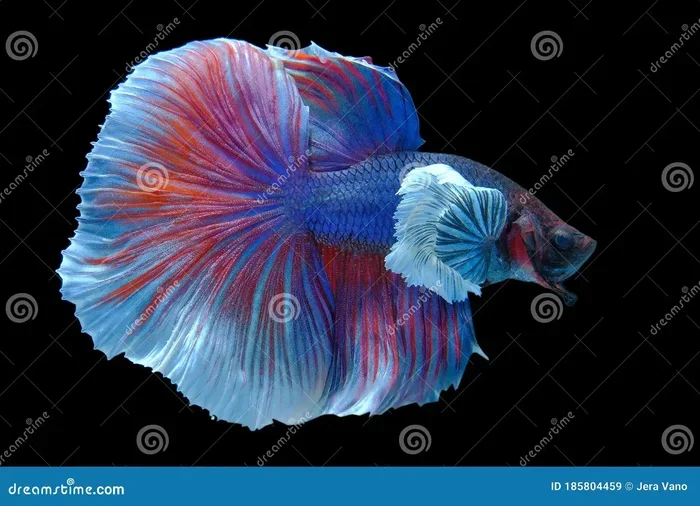
Will Betta Fish Fight Other Fish

Betta fish are known for their feisty nature, but they don’t always attack every tank mate. Understanding the reasons behind their aggression, choosing compatible species, and setting up the right environment can keep your betta and other fish safe and happy. Read on for practical tips to create a harmonious aquarium.
Key Takeaways
- Know the temperament: Male bettas are territorial, especially toward similar‑looking fish.
- Tank size matters: A larger, well‑planted tank gives each fish space to claim its own area.
- Pick the right mates: Peaceful, fast‑swimming species are less likely to trigger a fight.
- Watch for signs: Early aggression cues let you intervene before serious injuries occur.
- Proper introduction: Gradual acclimation reduces stress and lowers the chance of conflict.
- Maintain water quality: Clean water keeps fish healthy and less prone to territorial disputes.
- Know when to separate: If fighting persists, it’s safest to give the betta its own space.
📑 Table of Contents
- Introduction: The Myth of the “Fighting Fish”
- Why Betta Fish Fight: The Underlying Triggers
- Choosing Tank Mates: Who Gets Along With a Betta?
- Setting Up a Betta‑Friendly Community Tank
- Reading Betta Body Language: Early Warning Signs
- What To Do If Fights Break Out
- Conclusion: A Balanced Approach to Betta Co‑habitation
Introduction: The Myth of the “Fighting Fish”
When most people hear the word “betta,” the first thing that comes to mind is a tiny fish flaring its gills and battling its reflection. This dramatic behavior has earned the betta the nickname “Siamese fighting fish.” But does this mean every betta will attack any other fish that shares its home? The short answer is no. While bettas can be aggressive, especially males, their behavior depends on many factors such as tank size, environment, and the species they are paired with.
In this article we’ll explore the science behind betta aggression, identify which fish are safe companions, and give you step‑by‑step tips to set up a peaceful community tank. By the end, you’ll know exactly how to answer the question, “Will betta fish fight other fish?” and feel confident creating a happy aquarium.
Why Betta Fish Fight: The Underlying Triggers
Territorial Instincts
Betta fish are native to the shallow rice paddies and slow‑moving streams of Thailand. In the wild they defend small territories that provide food and shelter. In a confined aquarium, that instinct can turn into flaring, fin nipping, or full‑blown fights when another fish invades what the betta perceives as its space.

Visual guide about Will Betta Fish Fight Other Fish
Image source: sellingantiques.co.uk
Gender Differences
Male bettas are the classic “fighters.” They have larger, more elaborate fins and a stronger urge to protect their domain. Female bettas can also be aggressive, but they are generally less territorial. For a detailed look at male vs. female aggression, see our guide on Will A Male And Female Betta Fish Fight.
Visual Triggers
Betas are attracted to bright colors and flowing fins. A colorful, long‑finned fish can be mistaken for another betta, prompting a defensive response. This is why many hobbyists avoid keeping bettas with guppies, swordtails, or other flashy species.
Stress and Environment
Overcrowding, poor water quality, and lack of hiding places increase stress levels. A stressed betta is more likely to lash out at any nearby fish. Maintaining stable parameters and providing plenty of plants or decorations can calm even the most feisty betta.
Choosing Tank Mates: Who Gets Along With a Betta?
Peaceful Community Species
When selecting companions, look for small, non‑aggressive fish that swim at a different level than the betta. Good choices include:

Visual guide about Will Betta Fish Fight Other Fish
Image source: vedantu.com
- Neon tetras – tiny, fast swimmers that stay near the top.
- Corydoras catfish – bottom dwellers that keep to themselves.
- Harlequin rasboras – peaceful schooling fish that add color without provoking the betta.
These species are highlighted in our article What Other Fish Can Live With Betta Fish.
Species to Avoid
Stay away from fish that have long, flowing fins or bright colors similar to a betta’s. This includes:
- Guppies
- Swordtails
- Endler’s livebearers
- Other bettas (unless you plan a divided tank)
Even if they seem calm, these fish can trigger a fight simply by their appearance.
Non‑Fish Tank Mates
Some hobbyists add invertebrates like snails or shrimp. While bettas may sometimes nibble on small shrimp, most will ignore larger snails. For more on this topic, read Will Betta Fish Eat Snails.
Setting Up a Betta‑Friendly Community Tank
Tank Size and Layout
A minimum of 10 gallons is recommended for a community tank with a betta. Larger tanks dilute territorial boundaries, giving each fish room to establish its own zone. Use rocks, driftwood, and live plants to create natural barriers.
Visual guide about Will Betta Fish Fight Other Fish
Image source: s3.amazonaws.com
Water Parameters
Betta fish thrive in water that is:
- Temperature: 76‑82°F (24‑28°C)
- pH: 6.5‑7.5
- Soft to moderately hard
Consistent parameters reduce stress and help prevent aggression.
Lighting and Plant Cover
Soft lighting and dense planting give shy tank mates places to hide. Floating plants like duckweed also break up the line of sight, which can calm a betta that is constantly watching the surface.
Introducing New Fish
Never drop a new fish directly into the betta’s territory. Use a quarantine or a breeder box for a few days to let the betta see the newcomer without direct contact. Then perform a slow, side‑by‑side acclimation using a plastic divider or a net.
Reading Betta Body Language: Early Warning Signs
Flaring and Gilling
When a betta flares its gills and spreads its fins, it’s sending a clear “stay back” message. If you see this directed at another fish, intervene immediately.
Fin Nipping
Quick, repeated bites on another fish’s fins are a sign of escalating aggression. Trim any damaged fins promptly and consider separating the fish if the behavior continues.
Color Changes
A betta that turns a darker shade of blue or red is often stressed or angry. Adjust lighting, reduce crowding, and check water quality.
What To Do If Fights Break Out
Immediate Separation
Use a temporary divider or move the betta to a spare tank. Even a short break can calm both parties and prevent severe injuries.
Healing and Recovery
If a fish loses part of its fin, don’t panic. Betta fins can regrow over time if the water stays clean and the fish isn’t stressed. Learn more about fin regeneration in Will Betta Fish Fins Grow Back.
Re‑evaluation of Tank Setup
After a fight, reassess the tank layout. Add more hiding spots, increase the tank size, or replace the aggressive fish with a more compatible species.
Conclusion: A Balanced Approach to Betta Co‑habitation
Will betta fish fight other fish? The answer is nuanced. A male betta is more likely to show aggression, but with the right tank size, careful selection of peaceful mates, and proper introductions, many bettas live happily alongside other species. By understanding the triggers behind betta aggression and providing a well‑structured environment, you can enjoy the vibrant beauty of a betta without constant worry of fights.
Remember, every fish is an individual. Observe your betta’s behavior daily, keep the water pristine, and be ready to make adjustments. With patience and the right companions, a community tank can be a thriving, colorful oasis for both your betta and its tank mates.
Frequently Asked Questions
Do betta fish always fight other fish?
No. While bettas are territorial, they can coexist peacefully with small, non‑aggressive species if the tank is large enough and properly set up.
Can female bettas be less aggressive than males?
Yes. Female bettas tend to be less territorial, but they can still display aggression toward similar‑looking fish.
What is the safest tank size for a betta with other fish?
A minimum of 10 gallons is recommended. Larger tanks give each fish more space and reduce the chance of territorial disputes.
How can I tell if my betta is stressed?
Signs include faded colors, constant flaring, rapid breathing, and hiding for long periods. Check water parameters and reduce crowding if you see these signs.
Is it okay to keep a betta with shrimp?
Many bettas ignore larger shrimp, but some may nibble on tiny ones. Monitor interactions closely and provide plenty of hiding places.
What should I do if my betta attacks another fish?
Separate the fish immediately, assess any injuries, and consider rearranging the tank or choosing more compatible tank mates.