Will Betta Fish Food Hurt a Dog
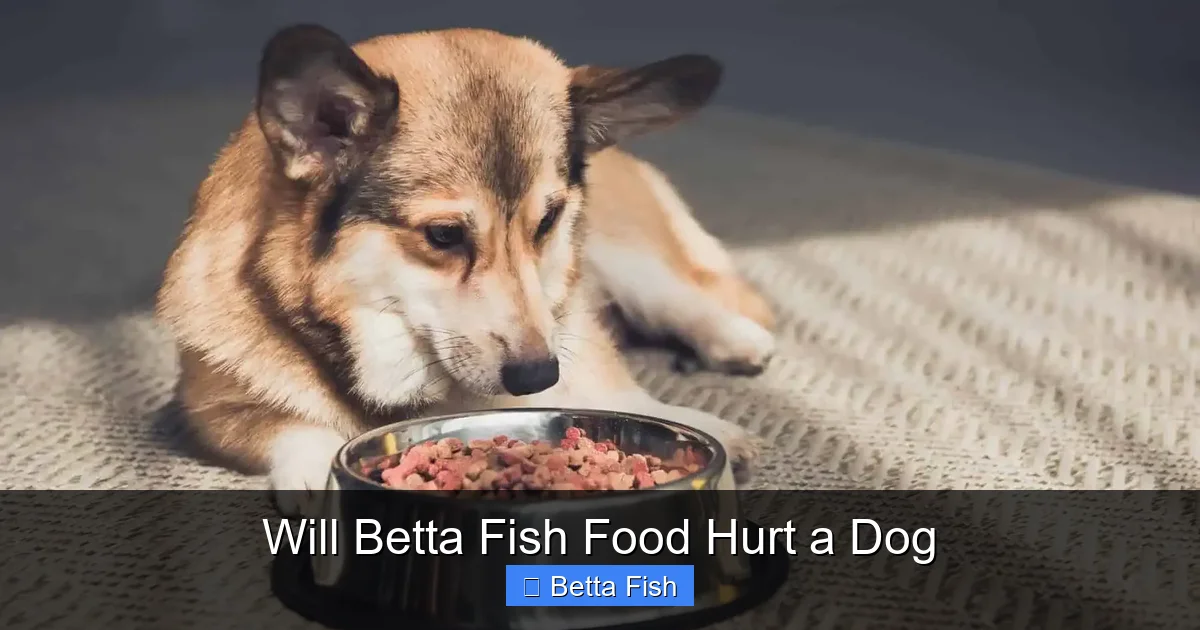
Betta fish food is not meant for dogs, but a small accidental bite is usually harmless. Problems arise only when large amounts are eaten or the formula contains harmful additives, so keep the tank supplies out of reach and watch for any signs of upset stomach.
Key Takeaways
- Small nibbles are usually safe: A few flakes rarely cause serious issues for a healthy dog.
- Large amounts can be risky: Over‑consumption may lead to digestive upset or nutrient imbalance.
- Check the ingredient list: Some betta foods contain dyes, preservatives, or high‑protein fillers that aren’t dog‑friendly.
- Watch for symptoms: Vomiting, diarrhea, lethargy, or unusual behavior signal you should call the vet.
- Prevention is key: Store fish food in sealed containers and keep tanks out of your dog’s reach.
- When in doubt, consult a vet: Professional advice is the safest route if your dog eats a lot of fish food.
- Alternative treats: Offer dog‑approved snacks instead of fish flakes to satisfy curiosity.
📑 Table of Contents
Introduction: Why This Question Pops Up
If you share a home with a betta fish and a curious dog, it’s only natural to wonder what happens if your pup decides to “help” with feeding time. Betta fish food is tiny, colorful, and often floats on the water’s surface—an irresistible invitation for a sniff‑and‑snack‑loving dog. Most owners assume the worst: “Will betta fish food hurt a dog?” The short answer is “usually no,” but the full story involves ingredients, quantities, and your dog’s health.
In this article we’ll break down exactly what’s inside betta fish flakes, how a dog’s body reacts, the warning signs to watch for, and practical steps to keep both pets safe. We’ll also answer common questions, share real‑world examples, and give you a handy checklist so you never have to wonder again.
What’s Inside Betta Fish Food?
Typical Ingredients
Betta fish food is formulated for a tiny, carnivorous fish that needs high protein and a bit of fat. A standard pellet or flake may contain:
Visual guide about Will Betta Fish Food Hurt a Dog
Image source: bettasource.com
- Fish meal or shrimp meal (protein source)
- Wheat or rice flour (binders)
- Vitamins (A, D, E, B‑complex)
- Minerals (calcium, magnesium)
- Color enhancers (often natural or synthetic dyes)
- Preservatives (e.g., BHT, ethoxyquin)
These components are safe for bettas, but dogs have different digestive needs. High protein isn’t a problem per se, but excess fat, dyes, and preservatives can cause stomach upset in dogs, especially if they eat a lot.
How It Differs From Dog Food
Dog food is balanced for a mammal’s metabolism: it includes fiber, controlled fat levels, and specific amino‑acid ratios. Betta flakes lack fiber and often contain ingredients that are unnecessary—or even mildly irritating—to a dog’s gut. That’s why the quantity matters more than the presence of any single ingredient.
How Much Is Too Much?
Small Accidental Bites
Imagine your dog sniffs a few flakes off the water’s surface. That’s typically 1‑2 grams—hardly enough to cause toxicity. Most healthy dogs will simply pass the flakes without any noticeable effect.
Large Ingestions
If a dog manages to gulp an entire scoop (about 10‑15 grams) or more, the risk rises:
- Digestive upset: Too much protein and fat can lead to vomiting or diarrhea.
- Caloric overload: Extra calories may contribute to weight gain if it happens regularly.
- Potential allergens: Some dogs are sensitive to shrimp or fish meal, leading to skin itching or GI irritation.
In extreme cases—rare but possible—large amounts of preservatives or artificial colors could trigger an allergic reaction. That’s why monitoring is essential.
Signs Your Dog May Be Feeling Unwell
Immediate Symptoms
Within minutes to a few hours after eating the flakes, watch for:
- Vomiting or retching
- Excessive drooling
- Sudden lethargy
Delayed Symptoms
Some issues show up later, especially if the dog ate a sizable portion:
- Soft or watery stools (diarrhea)
- Loss of appetite
- Abdominal bloating or discomfort
- Itchy skin or hives (sign of an allergic response)
If any of these appear, contact your veterinarian promptly. A quick call can prevent a minor upset from becoming a serious problem.
Preventing Accidental Consumption
Store Food Properly
Keep betta food in a sealed, dog‑proof container. Plastic jars with tight‑fitting lids work well, and placing the container on a high shelf keeps curious noses away.
Tank Placement Tips
Position the aquarium on a stand that’s out of your dog’s reach. If you have a small dog that can jump, consider a wall‑mounted tank or a secure cabinet with a clear front.
Training Your Dog
Teach a simple “Leave it” command. Practice with treats and gradually increase the distraction level. Consistent training reduces the chance of a dog nosing around the tank.
Alternative Snacks
When you notice your dog eyeing the fish food, offer a dog‑safe treat instead. Crunchy carrots, apple slices (no seeds), or a small piece of boiled chicken can satisfy the urge without the risk.
What To Do If Your Dog Eats Betta Food
Step‑by‑Step Action Plan
- Stay calm: Panic can stress your dog further.
- Assess the amount: Count how many flakes you think were eaten.
- Check for immediate symptoms: Look for vomiting, drooling, or distress.
- Offer water: A small amount can help dilute the stomach contents.
- Monitor for 24‑48 hours: Keep an eye on stool, appetite, and energy levels.
- Contact your vet if: You notice vomiting, diarrhea, lethargy, or any allergic signs.
When a Vet Visit Is Needed
Most vets will advise a watch‑and‑wait approach for tiny ingestions. However, if your dog shows persistent vomiting, bloody stool, or signs of an allergic reaction (swelling, hives), bring them in. The vet may recommend mild anti‑emetics or a short fasting period to let the stomach settle.
Related Concerns: Other Pet Food Mix‑Ups
Accidental cross‑feeding isn’t limited to betta fish food. Many pet owners wonder about the safety of feeding dogs fish tank food meant for other species. For example, Can a goldfish eat betta fish food? explores a similar topic from the fish perspective. Understanding the ingredients helps you make safer choices for all your animals.
Conclusion: Peace of Mind for Multi‑Pet Homes
So, will betta fish food hurt a dog? In most cases, a tiny nibble won’t cause lasting harm, but larger amounts can lead to digestive upset or allergic reactions. The best strategy is prevention: store food securely, keep tanks out of reach, and train your dog to ignore the aquarium. If an accident does happen, follow the simple steps outlined above and consult a vet if anything seems off.
By staying informed and taking a few practical precautions, you can enjoy the beauty of your betta fish while keeping your dog happy and healthy.
Frequently Asked Questions
Can a dog eat betta fish food without any problems?
Yes, a small accidental bite is usually harmless for a healthy dog, but larger amounts may cause stomach upset or allergic reactions.
What ingredients in betta fish food could be harmful to dogs?
High levels of protein, certain preservatives, and artificial dyes are the main concerns. These can irritate a dog’s digestive system if consumed in large quantities.
How long after eating betta fish food should I watch my dog?
Monitor your dog for 24‑48 hours. Most symptoms, if they appear, will show up within the first few hours.
Is there a safe amount of betta fish food I can give my dog as a treat?
It’s best to avoid giving any as a regular treat. If you must, limit it to one or two tiny flakes and watch for any reaction.
Can I use the same storage container for dog treats and betta fish food?
No. Keep them separate to avoid cross‑contamination and to prevent your dog from accessing the fish food.
What should I do if my dog shows signs of an allergic reaction after eating betta food?
Contact your veterinarian immediately. Allergic signs can include itching, swelling, hives, vomiting, or difficulty breathing.