Will a Betta Fish Tail Grow Back

Betta tails can often regrow, but success depends on the cause of loss, water quality, and proper care. By understanding fin regeneration and providing optimal conditions, you give your finned friend the best chance to sport a full, flowing tail again.
Key Takeaways
- Understanding will a betta fish tail grow back: Provides essential knowledge
📑 Table of Contents
Introduction: Why Betta Tails Matter
When you first meet a betta, its dazzling tail is often the first thing that steals the show. The flowing fins are not just a beauty contest; they are a sign of health, confidence, and genetics. So, it’s natural to wonder, will a betta fish tail grow back if it gets torn, bitten, or rotted away.
In this friendly guide we’ll walk through everything you need to know—from the biology of fin regeneration to practical steps you can take today. Think of it as a chat over a cup of tea, with plenty of tips you can start using right away.
1. The Science Behind Fin Regeneration
How betta fins are built
Betta tails are made of delicate, flexible rays covered by a thin skin called the epidermis. Beneath that lies the dermis, which contains blood vessels, pigment cells, and the crucial blastema—a group of stem‑like cells that can rebuild lost tissue.
What triggers regrowth?
When a fin is damaged, the blastema springs into action. It multiplies, migrates to the wound, and begins laying down new tissue. This process is similar to how a lizard regrows its tail, though it’s slower in fish. The key factors that influence how quickly and completely the tail returns are:
- Extent of damage: A small nick often heals in days; a large tear can take weeks.
- Water conditions: Stable temperature, low ammonia, and proper pH give the cells a healthy environment.
- Nutrition: Protein and vitamins act like building blocks for new fin cells.
- Stress level: A stressed betta releases cortisol, which can slow cell division.
Common myths
Many owners think that once a tail is gone, it’s gone forever. In reality, will a betta fish tail grow back often depends on whether the underlying issue (like infection) is resolved. Even severely ragged tails can improve dramatically with the right care.
2. Causes of Tail Loss
Physical trauma
Sharp decorations, aggressive tank mates, or rough handling can tear the fin. If the tear is clean and the water is clean, regrowth is usually swift.

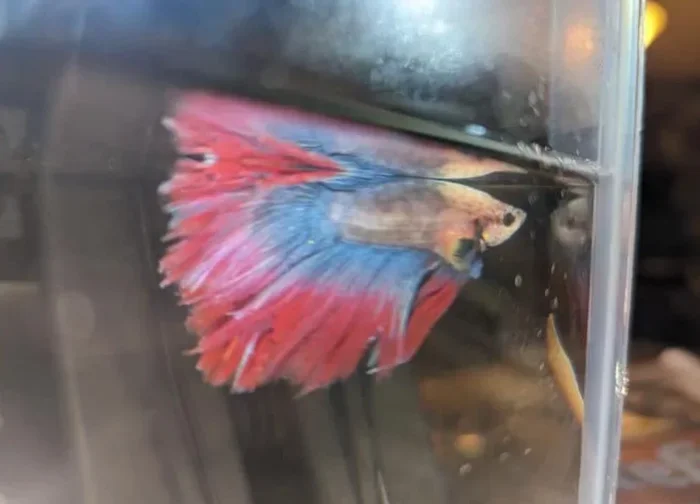
Visual guide about Will a Betta Fish Tail Grow Back
Image source: i.ytimg.com
Fin rot and disease
Fin rot, caused by bacteria such as Aeromonas or fungal infections, eats away at the fin tissue. In these cases, the answer to will a betta fish tail grow back is “yes, if you treat the infection first.” Antibiotics or antifungal meds are essential.
Genetics and natural shedding
Some bettas naturally shed small pieces of their tail as they grow. This is a normal part of their life cycle and the new growth typically looks healthier.
Water quality problems
High ammonia, nitrite spikes, or poor filtration can weaken fin tissue, making it more prone to tearing and slower to heal.
3. Assessing the Damage
Step‑by‑step inspection
- Check the edges: Are they ragged or clean?
- Look for discoloration: Red or white patches may indicate infection.
- Feel for slime: Excess slime can be a sign of bacterial growth.
- Observe behavior: A betta that’s hiding or not eating needs extra attention.
When to intervene
If the tail is partially missing but the water is clean and the fish is active, you can often let nature take its course. However, if you see signs of rot, cloudy water, or the betta is lethargic, start treatment immediately.
4. Creating the Ideal Environment for Regrowth
Water parameters
Stable water is the foundation. Aim for:
- Temperature: 76‑82°F (24‑28°C). Consistency is key; sudden drops stress the fish.
- pH: 6.5‑7.5
- Ammonia & nitrite: 0 ppm
- Hardness: 3‑5 dGH (soft to moderately hard)
For a deeper dive on temperature, see our guide on what temperature should water be for a betta fish.
Filtration and water changes
Use a gentle filter that creates a low flow—bettas prefer calm waters. Perform 25‑30% water changes every 2‑3 days during the healing phase to keep toxins low.
Tank size and décor
A 5‑gal minimum tank gives your betta space to swim without bumping into objects. Provide smooth plants or silk leaves instead of sharp plastic.
Need ideas for tank setup? Check out how to set up a tank for a betta fish.
Nutrition that promotes fin growth
Feed high‑quality betta pellets that contain 40‑45% protein, complemented with frozen or live foods like brine shrimp and bloodworms. Add a weekly vitamin supplement (especially B‑complex) to boost cell division.
5. Step‑by‑Step Care Plan for Regrowing a Tail
Day 1‑3: Stabilize and Treat
- Test water parameters; adjust as needed.
- If fin rot is present, start a broad‑spectrum antibacterial treatment (e.g., Maracyn). Follow the label dosage.
- Increase feeding frequency to 2‑3 small meals per day with protein‑rich foods.
Day 4‑7: Support Healing
- Perform a 30% water change with water matched to tank temperature.
- Introduce a small dose of aquarium salt (1 g per 10 L) to reduce stress and aid slime coat health.
- Continue vitamin supplementation.
Week 2‑4: Encourage Regrowth
- Maintain flawless water quality; test daily.
- Offer a variety of foods: daphnia, microworms, and occasional frozen mysis.
- Monitor the tail daily; you should see tiny new fin rays emerging.
Month 2‑3: Full Restoration
- Keep conditions stable; avoid sudden temperature changes.
- Gradually reduce supplemental salt as the fin looks healthy.
- Consider a gentle dose of aquarium‑grade melafix if the fin still looks pale.
When to seek professional help
If after six weeks the tail shows no improvement, or the betta becomes severely emaciated, consult an aquatic veterinarian. Persistent infection may need a prescription medication not available over the counter.
6. Preventing Future Tail Problems
Gentle handling
Never scoop a betta by the tail. Use a soft net or hand‑dip only when necessary.
Tank mates and aggression
Betas are territorial. If you keep other fish, choose peaceful species and provide plenty of hiding spots. For more on compatibility, read what fish is compatible with a betta fish.
Regular maintenance
Weekly water changes, substrate vacuuming, and filter cleaning keep the environment pristine.
Health checks
Spot‑check your betta’s fins weekly. Early detection of nicks or discoloration allows you to act before a small problem becomes a big one.
Conclusion: Hope for a Full, Flowing Tail
So, will a betta fish tail grow back? The short answer is yes—provided you treat any underlying disease, keep the water pristine, and feed a nutrient‑rich diet. Regeneration is a natural process, but it needs your help to run smoothly. By following the steps above, you give your betta the best chance to flaunt a gorgeous, whole tail once again.
Remember, patience and vigilance are your best tools. A healthy environment not only encourages fin regrowth but also adds years to your betta’s life. Keep learning, keep caring, and enjoy the vibrant display that only a happy betta can provide.
Frequently Asked Questions
Will a betta fish tail grow back if it’s torn?
Yes, a clean tear usually heals on its own within a few weeks if water quality is good and the fish receives proper nutrition.
Can fin rot stop a tail from regrowing?
Fin rot can prevent regrowth until the infection is cleared. Treat with antibacterial medication and improve water conditions to allow healing.
How long does it take for a betta tail to fully regrow?
Small nicks can heal in 7‑10 days, while larger losses may need 4‑6 weeks or more, depending on care and water stability.
Do I need to trim the damaged part of the tail?
Only if the torn edge is ragged and catching on décor. Use sharp scissors to make a clean cut, then treat the fish as described.
Is there a special food that helps fin regeneration?
High‑protein foods like brine shrimp, bloodworms, and a quality betta pellet, plus a weekly vitamin B‑complex supplement, support fin growth.
Can poor water temperature affect tail regrowth?
Yes. Temperatures below 76°F slow metabolism and cell division, making regeneration slower. Keep the tank within the recommended range.