Why Is My Betta Fish Water Bubbly

Seeing bubbles in your betta’s tank can be confusing, but it’s often a normal sign of healthy behavior or a simple water issue. This guide explains the common reasons behind bubbly water, how to tell if it’s a problem, and easy steps to maintain crystal‑clear conditions for your finned friend.
Key Takeaways
- Natural behavior: Betta fish create bubbles when they breathe surface air or build a bubble nest.
- Water movement: Over‑aeration, filters, or temperature changes can cause excess bubbles.
- Water quality: Poor parameters may lead to foam; testing and regular changes help.
- Tank setup: Improper lighting, decor, or a too‑small tank can trap air.
- Health check: Excessive bubbling can signal stress or disease; observe behavior.
- Simple fixes: Adjust flow, use a gentle filter, and perform weekly water changes.
- When to act: If bubbles persist with cloudy water or sick fish, investigate further.
📑 Table of Contents
- Introduction: The Mystery of Bubbly Water
- 1. Betta‑Specific Behaviors That Create Bubbles
- 2. Mechanical Causes: Equipment and Water Movement
- 3. Water Quality Issues That Produce Foam
- 4. Tank Setup Factors That Trap Air
- 5. When Bubbles Signal a Health Problem
- 6. Practical Tips to Manage and Prevent Unwanted Bubbles
- Conclusion: Bubbles Are Usually Friendly, But Stay Observant
Introduction: The Mystery of Bubbly Water
Imagine you’re watching your beautiful betta fish glide through its home, and suddenly the water looks like a fizzy soda. You might wonder, “why is my betta fish water bubbly?” The short answer is that bubbles are a normal part of a betta’s world, but they can also be a warning sign if something is off.
In this article we’ll walk through every common cause of bubbly water, show you how to spot the good bubbles from the bad, and give you simple, actionable steps to keep the tank sparkling. By the end, you’ll feel confident that the bubbles are either a sign of a happy fish or a cue to tweak the tank setup.
1. Betta‑Specific Behaviors That Create Bubbles
1.1 Surface Breathing and “Bubble‑Gulping”
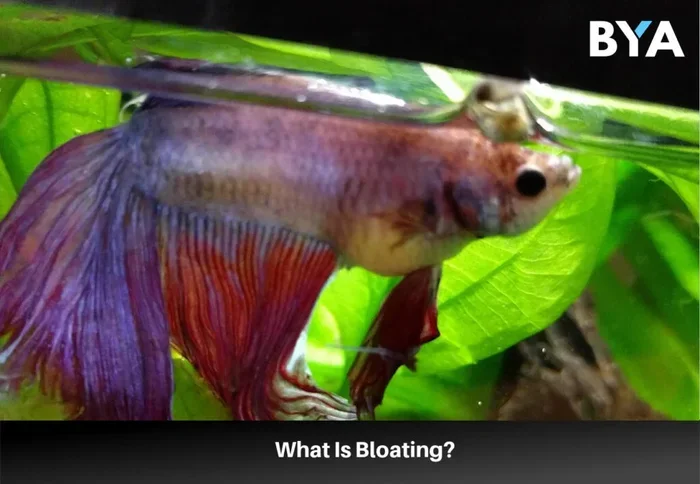
Betta fish are labyrinth fish, meaning they have a special organ that lets them breathe air directly from the surface. When they gulp air, tiny bubbles rise from their mouths and may linger in the water. This is perfectly normal and often seen when the fish is active or after a feeding.

Visual guide about Why Is My Betta Fish Water Bubbly
Image source: racecarsdirect.com
1.2 Building a Bubble Nest
Male bettas love to build bubble nests as part of their breeding ritual. They blow a raft of bubbles at the water’s surface, often attaching bits of plant or decor. Even if you’re not planning to breed, a healthy male will still practice this behavior. For more on bubble‑nest building, see our article on why did my betta fish make a bubble nest.
1.3 Playful “Bubble‑Blowing”
Sometimes bettas blow bubbles simply for fun. If the fish looks relaxed, flares its fins, and swims normally, the bubbles are a sign of contentment. Curious about similar behavior? Check out why is my betta fish making bubbles for a deeper dive.
2. Mechanical Causes: Equipment and Water Movement
2.1 Over‑Aerated Filters
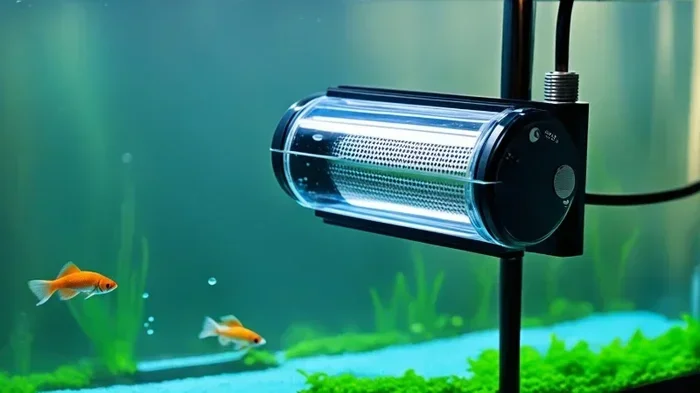
Many beginners install air stones or powerful filters that churn the water too vigorously. The constant agitation creates a frothy layer that looks like bubbles. If you notice a steady stream of bubbles rising from the filter outlet, try reducing the flow or switching to a sponge filter that produces gentler movement.

Visual guide about Why Is My Betta Fish Water Bubbly
Image source: dwizernews.com
2.2 Heater and Temperature Fluctuations
Heaters can introduce tiny air pockets when they heat the water unevenly. A sudden rise in temperature also reduces dissolved oxygen, prompting the betta to gulp more surface air, which adds bubbles. Keep the heater set between 76–80°F (24–27°C) and use a thermostat for stability.
2.3 Water Changes and Refilling
When you add fresh water, the mixing action can trap air, especially if you pour from a height. To minimize this, let the water run through a drip line or pour slowly over a plate.
3. Water Quality Issues That Produce Foam
3.1 Protein‑Rich Waste and Foam
Organic waste (uneaten food, fish waste) releases proteins that act like soap, creating foam on the surface. If the water looks milky and bubbly, test for ammonia, nitrite, and nitrate. High levels mean it’s time for a water change and better filtration.
Visual guide about Why Is My Betta Fish Water Bubbly
Image source: geekflare.com
3.2 Hard Water and Mineral Deposits
Hard water contains calcium and magnesium that can combine with organic compounds to form a thin, bubbly film. A simple test kit will tell you the hardness; if it’s high, consider using distilled water mixed with a small amount of conditioned tap water.
3.3 Chemical Additives
Some conditioners, plant fertilizers, or medications create bubbles as they dissolve. Always follow the recommended dosage and give the tank a few hours to settle before checking the water again.
4. Tank Setup Factors That Trap Air
4.1 Small or Overcrowded Tanks
In a tiny bowl, any movement quickly stirs the entire volume, trapping air in the corners. A 5‑gallon tank with a lid gives enough space for bubbles to rise and pop naturally.
4.2 Decor and Plants
Dense foliage or smooth rocks can hold pockets of air, especially when water is disturbed. Arrange decorations to allow water flow and avoid dead‑end corners where bubbles can accumulate.
4.3 Lid and Cover Design
Some aquarium lids have ventilation holes that let air in, then trap it under the water line. If you see a constant line of bubbles along the glass, try a tighter-fitting lid or a small piece of mesh to let excess air escape.
5. When Bubbles Signal a Health Problem
5.1 Stress‑Induced Over‑Breathing
If your betta is constantly gulping air, it may be stressed by poor water conditions, aggressive tank mates, or temperature swings. Look for other signs: faded color, clamped fins, or erratic swimming.
5.2 Disease and Gasping
Some illnesses, like gill flukes or bacterial infections, impair breathing, causing the fish to surface more often and produce excess bubbles. If you also notice cloudy water, refer to why is my betta fish water cloudy for diagnosis steps.
5.3 Bubble Nest Failure
When a male betta stops building a nest, it could be a sign of hormonal imbalance or illness. For troubleshooting, see why did my betta fish stop making bubble nest.
6. Practical Tips to Manage and Prevent Unwanted Bubbles
6.1 Adjust Flow Rates
Turn the filter dial down a notch or reposition the outlet to reduce turbulence. A gentle current mimics a natural stream without over‑aerating the water.
6.2 Perform Regular Water Changes
Swap out 20‑30% of the water weekly. Use a gravel vacuum to remove debris that can turn into foam.
6.3 Use a Surface Skimmer
A small surface skimmer or a piece of fine mesh near the water line pulls away foam before it builds up.
6.4 Monitor Temperature and Oxygen
Keep the tank within the ideal range and consider a small, low‑flow air stone only if oxygen levels are low (e.g., in heavily planted tanks).
6.5 Keep the Tank Clean
Scrape algae, rinse decorations, and avoid over‑feeding. Feed only what the betta can eat in two minutes, once or twice a day.
Conclusion: Bubbles Are Usually Friendly, But Stay Observant
In most cases, the answer to “why is my betta fish water bubbly?” is simple: it’s either the fish’s natural breathing and nest‑building habits or a minor equipment issue. By keeping an eye on water quality, adjusting flow, and providing a spacious, well‑decorated tank, you’ll enjoy the occasional bubble show without worry.
If bubbles come with other red flags—cloudy water, lethargic swimming, or loss of color—take action quickly. Test the water, perform a change, and consider the health tips above. With a little attention, your betta’s bubbly world will stay a sign of a happy, thriving companion.
Frequently Asked Questions
Why does my betta fish create bubbles at the surface?
Betta fish have a labyrinth organ that lets them breathe air. When they gulp surface air, tiny bubbles rise and may linger, which is completely normal.
Can a filter cause too many bubbles in a betta tank?
Yes, a high‑flow filter or air stone can over‑aerate the water, creating frothy bubbles. Reduce the flow or switch to a gentler filter to calm the surface.
Do bubbles mean my betta is sick?
Not necessarily. Bubbles are usually harmless, but if they appear with gasping, faded color, or cloudy water, they could indicate stress or illness.
How often should I change the water to prevent foam?
Changing 20‑30% of the water weekly helps remove excess organics that turn into foam. Always use a water conditioner to neutralize chlorine.
What’s the difference between a bubble nest and random bubbles?
A bubble nest is a cohesive raft of bubbles usually built by a male betta for breeding. Random bubbles are scattered and often result from surface breathing or water movement.
Will adding live plants reduce bubbly water?
Live plants can absorb excess nutrients and improve water quality, which may lessen foam. However, they won’t stop bubbles caused by high flow or surface breathing.