How to Slow Current on Betta Fish Filter
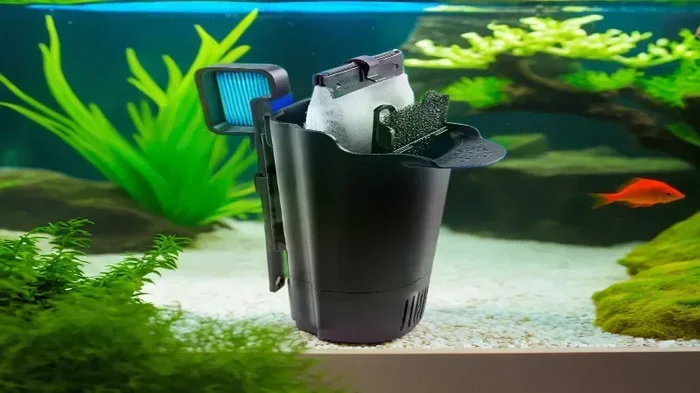
Slowing the current on your betta fish filter is one of the easiest ways to keep your fish healthy and relaxed. Betta fish are tropical swimmers that prefer calm, gentle water flow, not strong currents. This guide covers practical methods like baffles, sponge filters, and flow adjusters to help you create the perfect low-flow environment for your betta.
Every betta fish owner wants their pet to thrive. But here is the thing most beginners miss — betta fish hate strong currents. In the wild, bettas live in slow-moving rice paddies, shallow streams, and still ponds. Their long, flowing fins are beautiful, but they are not built for powerful water movement. When your filter creates too much current, your betta has to fight just to stay in place. That leads to stress, tiredness, and even illness over time.
If you have noticed your betta struggling against the water flow, it is time to make a change. This guide walks you through how to slow current on betta fish filter using simple, affordable methods. You do not need expensive equipment or advanced skills. Whether you use a hang-on-back filter, a sponge filter, or a power filter, there is a solution that works for you. Let us dive in and help your betta feel right at home.
Key Takeaways
- Betta fish hate strong currents: High flow causes stress, exhaustion, and health problems in bettas.
- Sponge filters are the best option: They provide gentle filtration without creating harsh water movement.
- Baffles are a cheap and easy fix: Foam or sponge baffles reduce filter output quickly and effectively.
- Adjusting the flow rate matters: Most filters have adjustable knobs or settings you can tweak.
- Watch your betta for signs of stress: Clamped fins, hiding, and difficulty swimming all point to too much current.
- Proper tank setup prevents current problems: Decorating with plants and caves naturally breaks up water flow.
📑 Table of Contents
Why Too Much Current Hurts Your Betta Fish
Betta fish are not strong swimmers. Their oversized fins create drag, which makes moving through fast water exhausting. When the current in your tank is too strong, your betta burns energy just trying to stay in one spot. Over time, this takes a real toll on their body and mind.
Signs Your Betta Is Stressed by Filter Current
Watch for these clear warning signs that your betta is struggling with water flow:
- Clamped fins: Your betta holds its fins close to its body instead of spreading them out.
- Hiding constantly: A stressed betta will duck behind decorations or stay in one corner.
- Difficulty swimming: Your fish gets pushed around the tank or struggles to stay upright.
- Loss of appetite: Too much current makes it hard for bettas to eat calmly.
- Rapid gill movement: Heavy breathing signals that your fish is working overtime against the flow.
If you see any of these signs, your filter is likely the culprit. Reducing the current should be your first step toward fixing the problem. For more on recognizing stress in bettas, check out how to treat a stressed betta fish.
What Causes Strong Current in a Betta Tank?
Several common factors create too much water movement in a betta tank. Understanding the cause helps you pick the right fix.
- Filter type: Hang-on-back filters and power filters push water forcefully into the tank.
- Filter placement: When the filter output points directly at your betta, the flow becomes concentrated and intense.
- Filter size: An oversized filter for a small tank creates more current than the water can absorb gently.
- No flow breaks: Tanks without plants, decorations, or baffles let water flow freely across the entire surface.
The good news is that each of these causes has a straightforward solution. You do not need to remove your filter entirely. You just need to manage the flow better.
Best Filters for Betta Fish With Low Current
Choosing the right filter from the start makes everything easier. Not all filters are created equal, and some are much better suited for betta fish tanks. Here is a closer look at the top options.
Sponge Filters
Sponge filters are hands down the best choice for betta tanks. They sit inside the tank and use gentle air bubbles to pull water through a porous sponge. The flow is extremely soft and spread out evenly. Your betta will barely notice the filter is running.
Sponge filters also provide excellent biological filtration. They host beneficial bacteria that break down harmful waste like ammonia and nitrite. And because the sponge traps debris, your tank stays cleaner longer. If you want to learn more about maintaining a healthy tank environment, read how to clean a betta fish tank without filter for helpful maintenance tips.
Hang-On-Back Filters With Adjustable Flow
If you prefer a hang-on-back filter, look for models with adjustable flow settings. Many brands now offer filters you can dial up or down. This gives you precise control over how much current enters the tank. However, even adjustable HOB filters can sometimes be too strong for bettas. You may still need to add a baffle to soften the output further.
Internal Filters
Internal filters mount inside the tank and sit on the substrate or attach to the glass. They tend to produce less current than hang-on-back models. Some internal filters come with built-in flow controls, making them a solid middle-ground option for betta keepers.
How to Slow Down Your Existing Filter
Already have a filter that is too strong? You do not need to buy a new one. There are several simple and effective ways to reduce the current without replacing equipment.
Method 1: Add a Baffle
A baffle is a simple barrier that breaks up the water flow before it enters the tank. You can make one from foam, sponge, or even a cut-up water bottle. Just place the baffle over the filter output to diffuse the stream into smaller, gentler currents.
Foam baffles are the most popular choice. They are cheap, easy to cut, and simple to clean. You can find foam filter media at any pet store for just a few dollars. Cut a piece slightly larger than the filter output, slide it on, and the flow slows down immediately.
Method 2: Reduce the Flow Rate
Many filters come with a flow control valve or adjustable knob. Turn it down to the lowest setting that still provides adequate filtration. You want enough water movement to keep waste circulating through the filter media, but not so much that your betta feels like it is swimming in a river.
If your filter does not have an adjustable valve, you can partially block the intake with a sponge pre-filter. This slows the rate at which water enters the filter, which naturally reduces the output current. It is a simple trick that works surprisingly well.
Method 3: Redirect the Output
Pointing the filter output toward the glass or the back wall of the tank helps spread the flow out. Instead of a single concentrated stream hitting your betta, the water bounces off the tank walls and loses energy. You can also angle the output upward so the water breaks the surface, which adds gentle surface agitation without creating a strong horizontal current.
Method 4: Use a Pre-Filter Sponge on the Intake
Attaching a small sponge to the filter intake does two things at once. First, it slows down how fast water gets pulled into the filter. Second, it prevents your betta from getting too close to the intake and getting sucked in. Pre-filter sponges are inexpensive and easy to replace every few weeks.
How to Set Up a Low-Current Betta Tank
Setting up your tank with current reduction in mind from day one saves you a lot of trouble later. Here are some practical steps to create a calm, betta-friendly environment.
Choose the Right Tank Size
A tank that is too small amplifies filter current. In a tiny bowl, even a gentle filter can create a noticeable flow. A 5-gallon tank or larger gives the water room to spread out and settle. The current becomes much less intense in a bigger space. For tips on proper tank setup, visit how to set up a fish tank for betta fish.
Add Live Plants and Decorations
Live plants are nature’s current breakers. Their leaves and stems slow down water movement as it flows through the tank. Java moss, Amazon sword, and anubias are all great choices for betta tanks. They are hardy, low-maintenance, and look beautiful.
Decorations like caves, driftwood, and rocks also help break up the flow. Place them near the filter output to create natural barriers. Your betta will love having places to rest out of the current, and the tank will look more natural and inviting.
Position the Filter Strategically
Where you place your filter matters more than you might think. Mount it so the output points toward the back or side of the tank rather than directly at your betta’s favorite resting spot. This simple adjustment can make a huge difference in how your fish feels day to day.
Common Mistakes Bettas Owners Make With Filters
Even experienced betta keepers sometimes make filter mistakes. Here are the most common ones and how to avoid them.
- Using a filter that is too powerful: Bigger is not always better. Choose a filter rated for a tank 1.5 to 2 times your actual tank size, and then reduce the flow.
- Forgetting to clean the filter: A clogged filter creates uneven flow and can suddenly push out a strong gush of water. Rinse your filter media in tank water every two to four weeks.
- Removing the filter entirely: Some owners turn off the filter completely because the current is too strong. This is a bad idea because it allows waste to build up. Always find a way to reduce flow rather than eliminating filtration.
- Ignoring your betta’s behavior: Your fish tells you how it feels every day. If it looks stressed, check the current first before looking for other problems.
Remember, betta fish need filtration to stay healthy. The goal is not to remove the filter but to manage it wisely. For more on proper betta care, see how to properly care for betta fish.
Quick Tips to Remember
- Always test the flow: Place your hand near the filter output before adding your betta. If the current feels strong to you, it is too strong for your fish.
- Check the flow weekly: Filters can change output over time as parts wear or get clogged. Make it a habit to check every week.
- Use the gentlest filter that still keeps your tank clean: Sponge filters handle most betta tanks with ease.
- Combine methods: A sponge filter with live plants and a few decorations creates the calmest possible environment.
- Observe your betta daily: A happy betta swims calmly, eats eagerly, and spreads its fins. If you see any stress signs, adjust the current right away.
Expert Insight: What Do Betta Breeders Recommend?
Experienced betta breeders almost always use sponge filters or very low-flow hang-on-back filters. They know that bettas do best in calm water. Many breeders also recommend doing small water changes weekly to compensate for the gentler filtration. This keeps the water clean without relying on a powerful filter to do all the work.
If you are serious about breeding bettas or keeping them long-term, investing in a quality sponge filter is the single best decision you can make. It provides reliable filtration with virtually zero current. Your betta will be calmer, healthier, and more active as a result.
Conclusion
Learning how to slow current on betta fish filter is one of the most important skills every betta owner should have. Your filter keeps the water clean, but too much flow turns your betta’s home into a stressful environment. By using baffles, choosing the right filter type, adjusting flow rates, and decorating wisely, you can create a tank where your betta thrives.
Start with one or two of the methods in this guide and watch your betta’s behavior improve. A relaxed betta with spread fins and a healthy appetite is the best sign that you have the current just right. Keep experimenting, keep observing, and your betta will reward you with years of beauty and companionship.
Frequently Asked Questions
Can a betta fish live without a filter?
Yes, bettas can survive without a filter, but you will need to do frequent water changes to keep the water clean. A filter helps remove waste and toxins, so using a low-flow filter is a much easier and healthier option for your betta in the long run.
How do I know if my betta filter is too strong?
Watch your betta closely. If it looks like it is struggling to swim, stays hidden, or keeps its fins clamped, the current is probably too high. You can also test the flow with your hand — if it feels strong to you, it is too strong for your betta.
Are sponge filters good for betta fish?
Yes, sponge filters are excellent for betta fish. They provide gentle, even filtration without creating strong currents. They are affordable, easy to set up, and also host beneficial bacteria that help maintain a healthy tank.
Can I turn my filter off at night to reduce current?
Turning off your filter at night is not recommended. It allows waste and toxins to build up in the water overnight. Instead, reduce the flow rate or add a baffle so the filter runs gently all day and night.
What type of filter flow rate is best for betta fish?
Choose a filter rated for a tank size close to your actual tank size, then reduce the output. A gentle flow that turns the water over 4 to 6 times per hour is ideal. The key is keeping the current soft and manageable for your betta.
Do betta fish prefer still water or some movement?
Betta fish prefer very gentle water movement. A little flow helps distribute heat and filter the water, but it should never feel like a strong current. Think of a calm pond or slow-moving stream — that is the environment your betta will be most comfortable in.