Seeing your betta turn dull can be scary, but it’s often a solvable problem. This guide explains the main reasons color fades, from water quality to nutrition, and gives easy steps to restore vibrancy. Follow the tips and keep your finned friend looking spectacular.
Key Takeaways
- Water quality matters: Poor parameters are the top trigger for fading colors.
- Diet is decisive: A balanced, color‑enhancing diet can revive dull hues.
- Stress kills sparkle: Overcrowding, aggressive tank mates, and improper lighting stress bettas.
- Health issues show up as color loss: Parasites, bacterial infections, and fin rot often start with fading.
- Genetics and age play a role: Some bettas naturally lose intensity as they mature.
- Regular maintenance prevents problems: Weekly water changes and filter checks keep colors bright.
- Quick action works: Spotting early signs and adjusting care can save a fading betta.
📑 Table of Contents
- Introduction: When Your Betta’s Rainbow Fades
- 1. Water Quality – The Silent Color Thief
- 2. Nutrition – Feeding the Palette
- 3. Stress Factors – When the Tank Becomes a Pressure Cooker
- 4. Health Issues – Illness Masquerading as Fading
- 5. Genetics and Age – Nature’s Role in Color
- 6. Practical Checklist – Bringing Back the Brilliance
- Conclusion: A Colorful Future for Your Betta
Introduction: When Your Betta’s Rainbow Fades
Imagine you just set up a gorgeous 5‑gallon tank, added a dazzling male betta, and within weeks the bright reds, blues, and purples start to look washed out. It’s a common worry for new and veteran hobbyists alike. The good news? In most cases, “why is my betta fish losing its color” has a clear answer, and the fix is often simple.
Betta fish (Betta splendens) are famous for their vivid displays, but they are also sensitive to their environment. Small changes in water chemistry, diet, or stress levels can cause the pigments in their skin and scales to fade. This article walks you through the most frequent culprits, how to diagnose each one, and step‑by‑step solutions that will bring the sparkle back.
1. Water Quality – The Silent Color Thief
Why clean water is essential
Betta skin contains chromatophores—cells that hold pigments. When the water is dirty or the pH swings, these cells become stressed and stop producing color. Even a slight rise in ammonia (NH₃) or nitrite (NO₂⁻) can make a betta look pale.
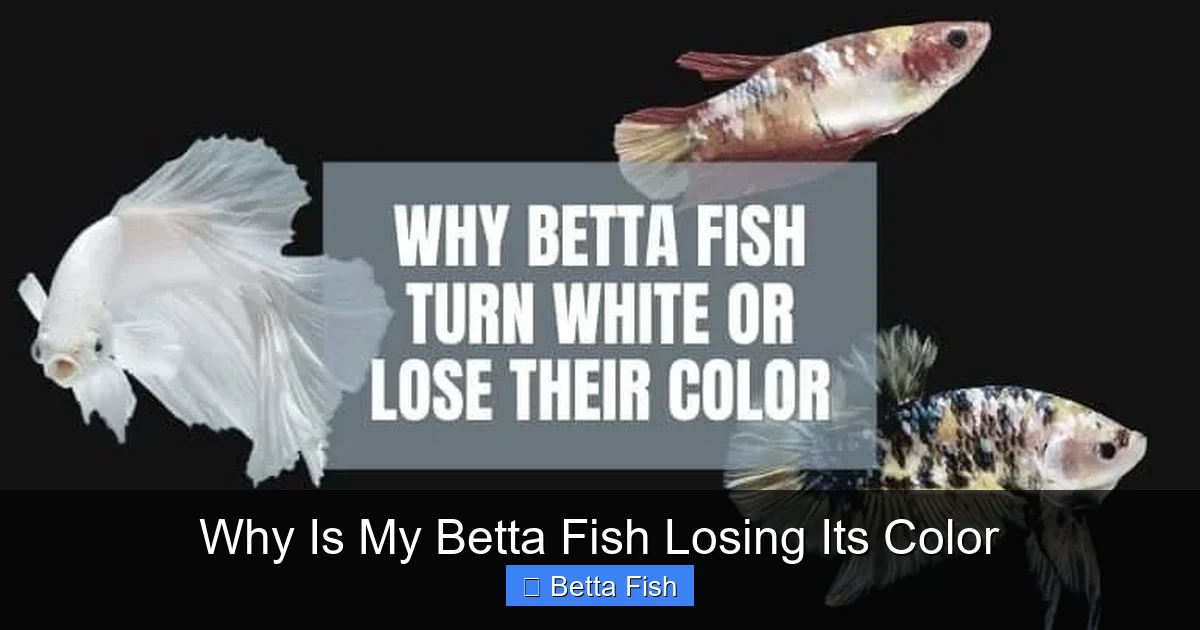
Visual guide about Why Is My Betta Fish Losing Its Color
Image source: japanesefightingfish.org
Key water parameters to monitor
- Temperature: 76‑82°F (24‑28°C). Too cold slows metabolism; too hot stresses the fish.
- pH: 6.5‑7.5. Sudden shifts cause stress.
- Ammonia & Nitrite: Both should be 0 ppm. Any detectable amount is a red flag.
- Nitrate: Below 20 ppm is ideal for bettas.
Practical water‑care routine
1. Test weekly with a liquid test kit.
2. Change 25‑30% of the water each week, using a water conditioner to remove chlorine and chloramines.
3. Rinse substrate gently during water changes to avoid stirring up debris.
If you’re unsure about your water, check out our article on why is my betta fish water cloudy for detailed cleaning tips.
2. Nutrition – Feeding the Palette
What bettas need to stay colorful
Betta fish are carnivores. Their natural diet is rich in protein and carotenoids, which directly affect skin pigments. A bland or low‑quality diet leads to dullness.
Best foods for vibrant colors
- High‑protein pellets: Look for 30‑40% protein, no filler.
- Live or frozen foods: Daphnia, bloodworms, and brine shrimp add natural pigments.
- Color‑enhancing supplements: Spirulina or astaxanthin powders can be mixed into food.
Feeding schedule and tips
Feed twice daily, offering only what the betta can eat in 2‑3 minutes. Overfeeding leads to waste, which pollutes water and can cause color loss. Rotate foods weekly to keep nutrition balanced.
For more on diet and color, see our guide on why did my betta fish change colors.
3. Stress Factors – When the Tank Becomes a Pressure Cooker
Common stressors that bleach the hue
Betas are territorial and love calm surroundings. Noise, vibrations, bright direct light, and aggressive tank mates can all trigger stress hormones that dull pigments.
Creating a low‑stress environment
- Tank size: Minimum 5 gallons for a single male.
- Lighting: 8‑10 hours a day with a dimmable LED; avoid direct sunlight.
- Tank mates: If you keep companions, choose peaceful species (e.g., small snails).
- Cover and décor: Provide hiding spots with plants or caves.
Spotting stress early
Signs include rapid gill movement, clamped fins, and loss of appetite. If you notice any of these, act fast—adjust lighting, reduce noise, and check water parameters.
4. Health Issues – Illness Masquerading as Fading
Infections that start with color loss
Bacterial infections, ich, and fungal growth often cause the first visible sign: a pale or white‑tinged body. The betta may also develop frayed fins or visible spots.
When to treat
If fading is accompanied by:
- Clamped or ragged fins
- White spots (ich)
- Excessive mucus
- Lethargy or loss of appetite
Consult a vet or use a reputable aquarium medication. Always quarantine new fish for at least two weeks before adding them to an established tank.
Related reading
For a deeper dive into illness signs, read is my betta fish dying.
5. Genetics and Age – Nature’s Role in Color
Why some bettas naturally fade
Just like people, bettas age. As they get older (usually 1‑2 years), pigment cells can gradually lose intensity. Certain color morphs, especially those bred for extreme hues, may fade faster due to genetic instability.
What you can do
While you can’t change genetics, you can support an aging betta with optimal water, premium nutrition, and minimal stress. Older bettas often live longer and stay brighter when their environment is spot‑on.
6. Practical Checklist – Bringing Back the Brilliance
Step‑by‑step rescue plan
- Test water: Check ammonia, nitrite, nitrate, pH, and temperature.
- Partial water change: Replace 30% with conditioned water.
- Upgrade diet: Add a few frozen bloodworms and a pinch of spirulina.
- Reduce stress: Dim lights, turn off loud appliances, and ensure the tank is in a quiet spot.
- Inspect for disease: Look for spots, frayed fins, or abnormal behavior.
- Monitor: Keep a daily log for a week; note any improvement.
Following this checklist usually restores color within a few days to a week, depending on the cause.
Conclusion: A Colorful Future for Your Betta
Seeing a betta lose its vivid hue can feel like a warning sign, but most of the time the problem is fixable. By keeping water pristine, feeding a high‑quality diet, minimizing stress, and watching for health issues, you give your fish the best chance to stay bright for years.
Remember, a healthy betta is a happy betta, and a happy betta shows off the spectacular colors that make these fish such a favorite among aquarium lovers. Keep an eye on the signs, act quickly, and enjoy the rainbow swimming in your tank!
Frequently Asked Questions
Why is my betta fish turning white?
White patches often signal stress, poor water quality, or early stages of disease such as ich. Check parameters and look for other symptoms.
Can a betta’s diet really affect its color?
Yes. Carotenoid‑rich foods like brine shrimp and spirulina boost reds and oranges. A bland diet can make colors look faded.
How often should I change the water to prevent color loss?
A 25‑30% water change weekly is ideal. More frequent changes are needed if ammonia or nitrite spikes.
Is it normal for a betta to lose color as it ages?
Some fading is natural after a year or two, especially in heavily bred color morphs. Good care can slow the process.
What are the first signs of illness that cause fading?
Look for clamped fins, white spots, ragged edges, lethargy, or loss of appetite alongside the dull color.
Can I use aquarium dyes to restore my betta’s color?
No. Dyes mask the problem and can stress the fish further. Focus on water quality, diet, and health instead.

