Why Is My Betta Fish Losing His Tail

Seeing a ragged or missing tail on your betta can be scary. Most tail loss is caused by water problems, injuries, or disease, and many issues can be solved with simple changes. Follow these steps to diagnose, treat, and prevent tail damage so your betta can thrive.
Key Takeaways
- Water quality is the #1 culprit: high ammonia, nitrite, or incorrect temperature can melt fins.
- Fin rot and fungal infections spread fast: early detection and medication are essential.
- Tank mates and decorations can cause injuries: keep the environment smooth and stress‑free.
- Proper diet boosts immunity: high‑protein foods and occasional treats support fin regeneration.
- Regular observation saves lives: checking your betta daily helps catch problems before they worsen.
- Quarantine new fish: isolates disease and prevents tail loss in your established betta.
- Preventive maintenance matters: weekly water changes and filter checks keep tails intact.
📑 Table of Contents
- Introduction: When the Tail Starts to Fade
- 1. Water Quality: The Silent Tail‑Destroyer
- 2. Diseases That Eat Away at the Tail
- 3. Physical Injuries and Stress
- 4. Nutrition: Feeding the Tail Back to Life
- 5. Prevention: Building a Tail‑Friendly Habitat
- 6. When to Call a Professional
- Conclusion: Turning Tail Trouble into Triumph
Introduction: When the Tail Starts to Fade
Imagine you’re admiring your betta’s brilliant colors, and then you notice the tail looking frayed, torn, or even missing. It’s a heart‑wrenching sight, especially for a hobbyist who’s put love and care into the little tank. “Why is my betta fish losing his tail?” is a question that pops up more often than you’d think, and the answer isn’t always simple.
Fortunately, most tail‑loss issues have clear causes and straightforward fixes. By understanding the main reasons—water quality, disease, injury, and nutrition—you can act fast, stop the damage, and even help the fin grow back. This guide walks you through every step, from spotting the first sign to creating a long‑term prevention plan.
1. Water Quality: The Silent Tail‑Destroyer
Ammonia, Nitrite, and Nitrate
Betta fish are very sensitive to toxic compounds. Even a small spike in ammonia (above 0 ppm) or nitrite can cause the delicate fin tissue to break down. The result looks like a melted or ragged tail.
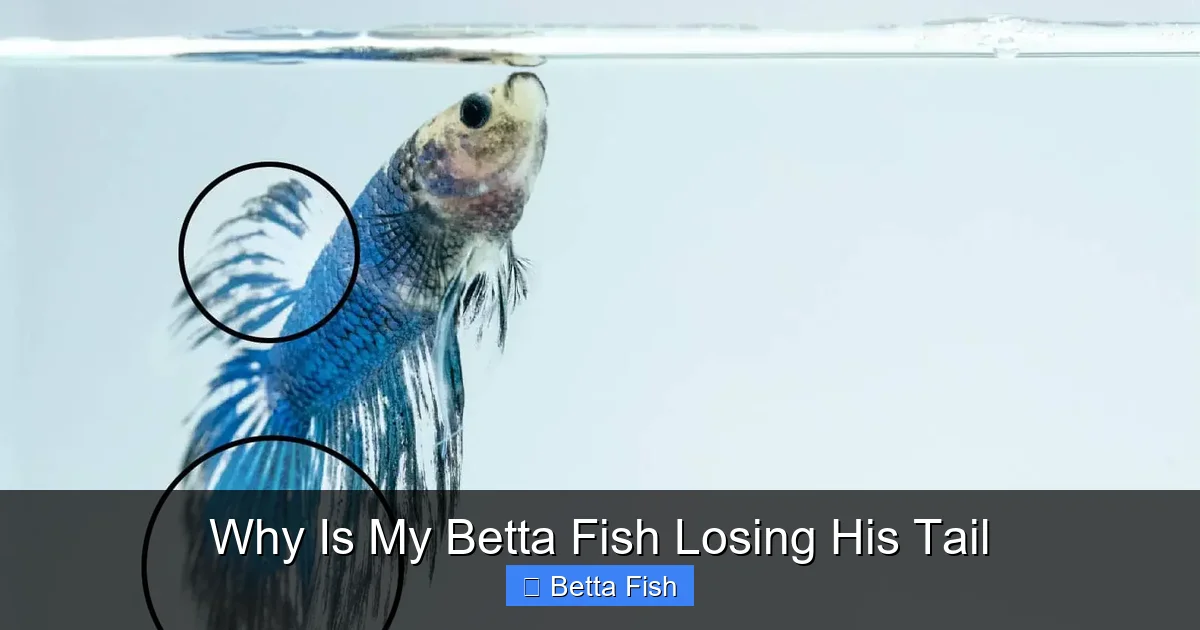
Visual guide about Why Is My Betta Fish Losing His Tail
Image source: bettasource.com
**Quick test:** Use a liquid test kit every week. If ammonia reads above 0 ppm, do a 25‑50 % water change immediately.
Temperature and pH
Betas thrive at 76‑82°F (24‑28°C). Water that is too cold slows metabolism and weakens the immune system, making the fish vulnerable to fin rot. Likewise, a pH outside the 6.5‑7.5 range can stress the fish.
Invest in a reliable heater and a pH‑stable substrate. A stable environment reduces stress and keeps the tail strong.
Hard Water and Chlorine
Tap water often contains chlorine or chloramine, which are lethal to bettas. Always treat water with a dechlorinator and let it sit for at least 30 minutes before adding it to the tank.
Internal Link Example
If you’re also seeing a cloudy tank, read our guide on why is my betta fish water cloudy for tips on keeping the water crystal clear.
2. Diseases That Eat Away at the Tail
Fin Rot (Bacterial Infection)
Fin rot starts as small white spots that turn black and become ragged. It spreads quickly if left untreated. The bacteria thrive in dirty water and on stressed fish.
**Treatment:** Add a broad‑spectrum antibiotic like Maracyn 2 to the water for 5‑7 days. Remove any uneaten food and perform a 30 % water change every other day.
Fungal Infections
Fungi appear as cotton‑like growths on the edges of the tail. They often follow an injury or a bout of fin rot.
**Treatment:** Use antifungal medication (e.g., Methylene Blue) and keep the water temperature at the higher end of the betta’s range to speed recovery.
Internal Link Example
For a deeper dive into tail loss causes, see our article why did my betta fish lose its tail.
3. Physical Injuries and Stress
Aggressive Tank Mates
Even though many bettas are kept alone, some owners house them with peaceful species. Fast‑moving fish can nip at the long fins, causing tears.
Rough Decorations
Sharp plastic ornaments, broken glass, or rough gravel can scrape the tail. Always choose smooth, aquarium‑safe décor.
Improper Handling
Grabbing a betta with wet hands or using a net too aggressively can tear the fin. When you need to move the fish, use a soft, fine‑mesh net and support the body gently.
4. Nutrition: Feeding the Tail Back to Life
High‑Quality Protein
Betta fish need protein‑rich foods to rebuild tissue. Offer a varied diet: frozen or live bloodworms, high‑grade betta pellets, and occasional brine shrimp.
Supplements for Healing
Vitamin‑C powders and aquarium‑safe “fin‑heal” supplements can boost the immune system. Add the recommended dose to the tank water once a day for a week.
Feeding Frequency
Feed small amounts 2‑3 times daily. Overfeeding leads to excess waste, raising ammonia levels—a perfect storm for fin rot.
5. Prevention: Building a Tail‑Friendly Habitat
Regular Maintenance Schedule
- Change 25‑30 % of water weekly.
- Test water parameters every 3‑4 days.
- Clean the substrate with a siphon to remove debris.
Quarantine New Arrivals
Any new fish or live foods should spend at least 2 weeks in a separate tank. This isolates hidden parasites and prevents them from attacking your resident betta’s tail.
Stress‑Free Environment
Provide hiding spots with smooth plants or caves. Keep the tank lid closed to stop jumps, and limit sudden light changes.
Internal Link Example
If your betta seems to be hiding more than usual, check out why is my betta fish hiding for signs of stress and how to alleviate it.
6. When to Call a Professional
If you’ve tried water changes, medication, and diet adjustments but the tail continues to deteriorate, it may be time to consult a veterinarian who specializes in fish. Persistent loss could indicate an underlying systemic issue that requires prescription medication.
Conclusion: Turning Tail Trouble into Triumph
Seeing a betta’s tail fray is unsettling, but most cases of “why is my betta fish losing his tail?” have a clear, fixable cause. By monitoring water quality, treating infections promptly, preventing injuries, and feeding a nutritious diet, you give your fish the best chance to heal and regrow its beautiful fins. Keep a close eye on your betta, act fast when you notice changes, and enjoy the vibrant, healthy tail you’ve helped restore.
Frequently Asked Questions
Why is my betta fish losing his tail suddenly?
Sudden tail loss is usually a sign of poor water quality, a bacterial infection like fin rot, or an injury from rough décor or tank mates.
Can I treat fin rot at home?
Yes. A broad‑spectrum antibiotic (e.g., Maracyn 2) combined with regular water changes often cures fin rot within a week.
How long does it take for a betta’s tail to regrow?
With optimal conditions, a damaged tail can begin to show new growth in 7‑10 days and may be fully regenerated in 3‑4 weeks.
Is it safe to keep my betta with other fish?
Betas are territorial. If you keep them with other species, choose peaceful, slow‑moving fish and provide plenty of hiding places to avoid fin damage.
What water parameters are safest for preventing tail loss?
Maintain temperature at 76‑82°F, pH 6.5‑7.5, ammonia 0 ppm, nitrite 0 ppm, and nitrate below 20 ppm.
Should I quarantine my betta before adding new fish?
Yes. A 2‑week quarantine helps spot hidden parasites or diseases that could cause fin loss in your existing betta.