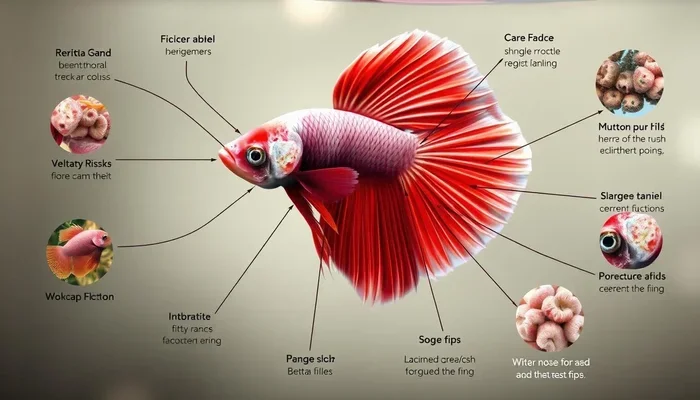
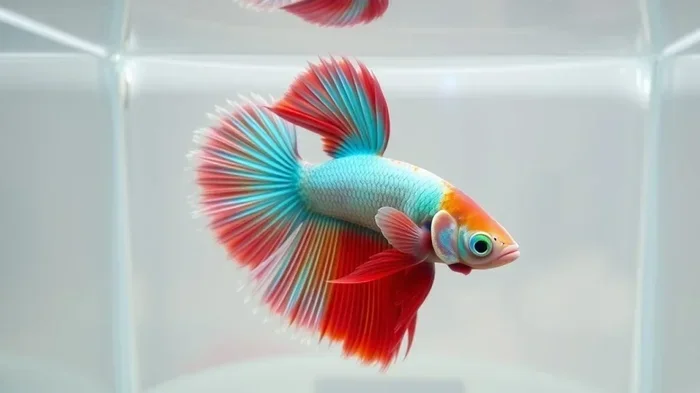
Should a Male and Female Betta Fish Live Together
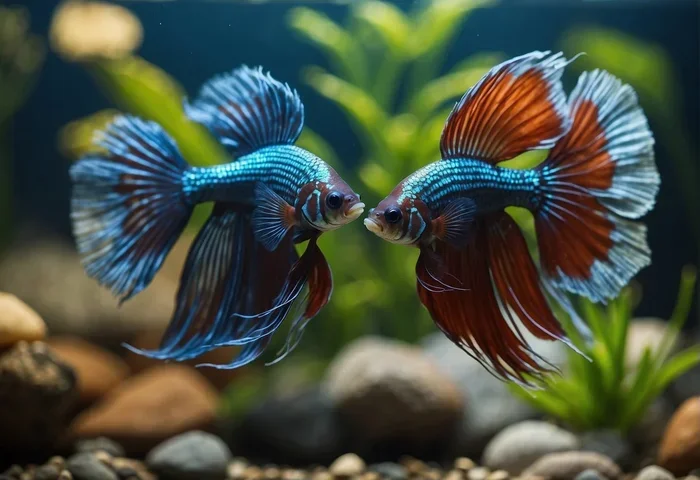
So, should a male and female betta fish live together? The short answer is it depends — and it is trickier than most fish keepers expect. Male and female bettas can coexist under the right setup, but the risks are real, and a wrong move can lead to injury or death. This guide covers everything you need to know about betta fish compatibility, tank setup, and safe housing strategies.
Let us talk about something every betta fish keeper wonders about at some point. Should a male and female betta fish live together? It sounds like a great idea on paper. One gorgeous male with flowing fins. One elegant female with rich colors. Together in one tank, they could look stunning.
But here is the reality. Betta fish are also called fighting fish for a reason. They are territorial, stubborn, and unpredictable. Putting a male and female in the same space can turn into a nightmare fast if you are not prepared. So before you make any moves, you need to understand exactly what you are getting into.
This guide breaks down everything you need to know. From tank size and setup to behavior signs and safe housing strategies. By the end, you will know whether keeping a male and female betta together is right for your situation.
Key Takeaways
- Male and female bettas can live together but only under carefully controlled conditions with plenty of space and hiding spots.
- A large tank (20+ gallons) with a divider or dense planting is essential to reduce aggression.
- Never house a male and female betta in a small tank — territorial behavior will escalate quickly.
- Monitor behavior daily and be ready to separate them at the first sign of flaring or chasing.
- The breeding cycle increases aggression, so extra caution is needed during and after spawning.
- A tank divider is the safest option if you want both fish in the same aquarium.
- Always have a backup plan — a second tank ready in case separation becomes necessary.
📑 Table of Contents
- Can a Male and Female Betta Fish Live Together?
- What Happens When Male and Female Bettas Share a Tank?
- How to Safely House a Male and Female Betta Together
- Signs That Your Male and Female Betta Are Not Getting Along
- Can You Keep a Male and Female Betta Together Long Term?
- Common Mistakes People Make When Housing Male and Female Bettas
- Expert Insights on Male and Female Betta Cohabitation
- Final Thoughts on Keeping Male and Female Betta Fish Together
Can a Male and Female Betta Fish Live Together?
The honest answer is yes, but with major caveats. Many beginners assume that because bettas are sold as solitary fish, they cannot share a tank. That is not entirely true. Male and female bettas can coexist — but the conditions have to be just right.
Betta fish compatibility depends on several factors. Tank size, layout, temperament, and even the individual fish’s personality all play a role. Some male and female bettas will ignore each other completely. Others will fight to the death within hours.
This is why so many experienced fish keepers say proceed with caution. There is no guarantee. You are dealing with living creatures with their own moods and instincts. Understanding that upfront will save you a lot of heartache — and lost fish.
Why People Want to House Males and Females Together
There are a few common reasons fish keepers want to put a male and female betta in the same tank:
- Breeding purposes — pairing a male and female is necessary for spawning.
- Aesthetic appeal — having both sexes creates a visually striking aquarium.
- Space constraints — some keepers want to maximize their tank setup.
- Social interaction — the idea that bettas benefit from companionship.
Each of these reasons has merit, but they also come with risks. Breeding, for example, requires careful introduction and monitoring. And aesthetics should never come at the cost of fish safety.
What Happens When Male and Female Bettas Share a Tank?
Understanding betta fish behavior is the key to making this work. Bettas are territorial fish by nature. A male betta will defend his space aggressively. A female betta can be just as feisty, especially when she is guarding eggs or a nesting site.
The Flaring and Fighting Risk
When a male and female betta are placed in a shared space, the most common outcome is flaring. Flaring is when a betta spreads its gills and fins to appear larger. It is a warning signal. If the other fish does not back down, things can escalate fast.
Will a male and female betta fish fight? Absolutely. In many cases, the male will chase the female relentlessly. The female may sustain torn fins, missing scales, or injuries from glass surfing. In worst-case scenarios, one fish kills the other.
This is why keeping male and female betta fish together is not recommended for beginners. You need experience reading fish behavior and the confidence to act quickly.
When Things Go Well
On the flip side, some male and female bettas do live together peacefully. This usually happens when:
- The tank is large enough (20 gallons or more).
- There are plenty of hiding spots and visual barriers.
- The fish are introduced gradually and correctly.
- Both fish have similar temperaments.
Even in the best cases, you should never leave them unsupervised for long periods. Betta fish aggression can spike suddenly, especially during feeding or breeding seasons.
How to Safely House a Male and Female Betta Together
If you have decided to try housing a male and female betta together, you need to do it right. There is no shortcut. A proper setup is the difference between a peaceful tank and a disaster.
Step 1: Choose the Right Tank Size
The absolute minimum tank size for housing a male and female betta together is 20 gallons. Smaller tanks concentrate aggression and leave no escape routes. A larger tank gives each fish room to establish its own territory without constant confrontation.
Think of it this way. Would you want to share a closet with someone who gets angry easily? Probably not. Give your fish space, and they will be much less likely to clash.
Step 2: Add Plenty of Hiding Spots
Aquarium setup matters enormously. Dense live plants, caves, driftwood, and floating cover all help break up sight lines. When fish cannot see each other constantly, the tension drops significantly.
Some great plants for betta tanks include:
- Java moss
- Amazon sword
- Anubias
- Floating water lettuce
- Hornwort
These plants not only provide cover but also improve water quality. A well-planted tank is a calmer tank.
Step 3: Use a Tank Divider if Needed
If you are not ready for full cohabitation, a tank divider is an excellent alternative. A divider lets both fish live in the same aquarium without direct contact. This is the safest option for most keepers.
You can find tank dividers at most pet stores or online. They are affordable, easy to install, and give you flexibility. If you ever decide to remove the divider, you can do so gradually and with close monitoring.
Step 4: Monitor Water Parameters
Healthy fish are less aggressive. Keep your water parameters stable and within ideal ranges:
- Temperature: 78-80°F (25-27°C)
- pH: 6.5-7.5
- Ammonia: 0 ppm
- Nitrite: 0 ppm
- Nitrate: below 20 ppm
A good aquarium heater and filter are non-negotiable. Bettas are tropical fish and need warm, clean water to thrive. Stress from poor water conditions makes aggression worse.
Step 5: Introduce Them Gradually
Never drop a male and female betta into the same tank on day one. The proper introduction process takes time:
- Place the tank divider in and let both fish adjust for 3-5 days.
- Feed them on opposite sides of the divider.
- Observe their reactions. Look for excessive flaring or stress.
- Remove the divider briefly (10-15 minutes) while supervising closely.
- Repeat the brief removal process daily, increasing the time slowly.
- If no aggression occurs after a week, you can try full removal.
This slow approach dramatically reduces the risk of a violent confrontation. Patience is your best friend here.
Signs That Your Male and Female Betta Are Not Getting Along
Knowing the warning signs of betta fish stress and aggression can save a life. Watch for these red flags:
- Constant flaring — one or both fish flare at each other frequently.
- Chasing behavior — one fish relentlessly pursues the other around the tank.
- Torn fins or missing scales — physical damage from fighting.
- Loss of appetite — a stressed betta will stop eating.
- Hiding constantly — the female may hide to avoid the male.
- Color fading — stressed bettas lose their vibrant colors.
If you notice any of these signs, separate the fish immediately. Do not wait and hope the situation improves. Aggression in bettas rarely resolves on its own. It almost always gets worse.
What to Do if Separation Is Needed
Keep a spare tank ready at all times. Even a 5-gallon tank works as a temporary home. Transfer the aggressive fish to the backup tank and give both fish time to calm down. Reintroduction attempts should only happen after a full recovery and with extra caution.
Can You Keep a Male and Female Betta Together Long Term?
Long-term cohabitation between a male and female betta is possible but not guaranteed. Some keepers report success for months or even years. Others experience problems within days.
The biggest wildcard is the breeding cycle. When a male and female betta mate, the male builds a bubble nest and the female releases eggs. After spawning, the male becomes extremely protective and may attack the female. This is a natural instinct, and there is very little you can do to prevent it.
Most experienced keepers recommend removing the female after spawning. If you are not planning to breed, keeping them separated is the safest long-term strategy.
The Role of Tank Mates
Another option is to add peaceful tank mates that distract both bettas. However, this is a double-edged sword. More fish means more activity, which can either reduce tension or increase it. Will a male and female betta fish kill each other if stressed by other tank mates? Not usually, but the risk of overcrowding adds another layer of complexity.
If you want to explore compatible tank mates, check out our article on can a male and female betta fish share a tank for detailed guidance on multi-fish setups.
Common Mistakes People Make When Housing Male and Female Bettas
Even well-meaning fish keepers make mistakes. Here are the most common ones to avoid:
- Starting with too small a tank. Anything under 20 gallons is a recipe for conflict.
- Skipping the introduction process. Throwing both fish in at once almost always leads to fighting.
- Ignoring warning signs. Flaring and chasing are not normal play behavior — they are stress signals.
- Overcrowding the tank. Too many fish or decorations create cramped conditions and territorial disputes.
- Not having a backup plan. If you do not have a second tank ready, you cannot separate fish quickly when needed.
Avoiding these mistakes will put you miles ahead of most first-time betta keepers. Preparation is everything.
Expert Insights on Male and Female Betta Cohabitation
So, what do the experts say about should a male and female betta fish live together? Most aquatic veterinarians and experienced breeders agree on one thing: it is not impossible, but it is not routine either.
Dr. Jessie Sanders, a certified aquatic veterinarian, has noted that betta fish housing success depends heavily on individual temperament. Some bettas are simply more docile than others. There is no way to predict this with 100% accuracy before trying.
The best approach is to start with a divided tank and work toward full cohabitation only if both fish show signs of calm behavior over several weeks. Rushing the process is the number one mistake new keepers make.
Final Thoughts on Keeping Male and Female Betta Fish Together
So, should a male and female betta fish live together? The answer is nuanced. It can work, but it requires the right tank size, careful setup, gradual introduction, and constant monitoring. There are no shortcuts.
If you are a beginner, start with a tank divider and observe how both fish react. Only move toward full cohabitation if everything stays calm over several weeks. And always have a backup tank ready.
Remember, every betta is an individual. Some will tolerate a tank mate. Others will not. Your job as a responsible keeper is to give them the best possible environment and be ready to adapt. Male and female betta fish can live together, but only if you put in the effort to do it safely.
If you are interested in the breeding side of things, check out our article on will a male and female betta fish mate to learn more about the spawning process and what to expect.
For more information on betta fish aggression and how to manage it, also read our guide on will a male and female betta fish fight to understand the behavioral triggers and prevention strategies.
Frequently Asked Questions
Can a male and female betta fish live together without a divider?
Yes, but only in a large tank (20+ gallons) with heavy planting and hiding spots. Even then, there is no guarantee of peace. You must monitor them closely and be ready to separate them at the first sign of aggression. Most experienced keepers still prefer using a divider for safety.
How long does it take to introduce a male and female betta?
The full introduction process takes 2-4 weeks. Start with the tank divider for 3-5 days, then do brief supervised meetings daily. Gradually increase the time they spend together. If any aggression occurs, go back a step and slow down the process.
Will a male betta kill a female betta?
It is possible, especially during breeding or if the tank is too small. Male bettas can become extremely aggressive after spawning and may attack the female. Always remove the female after breeding or keep them fully separated if you are not planning to breed.
What is the best tank size for a male and female betta together?
A 20-gallon tank is the minimum recommended size. Larger tanks (30+ gallons) provide even more space and reduce territorial behavior. The extra room allows each fish to establish its own area without constant confrontation.
Can you breed a male and female betta in a community tank?
No. Breeding should always happen in a separate, dedicated breeding tank. A community setup adds too many variables and risks. The male becomes highly protective during breeding and may harm other fish or the female.
Do male and female bettas fight more than two males?
Male vs. male fights are typically the most severe and can be fatal. Male vs. female fights are also dangerous but often less intense. However, a female betta can be surprisingly aggressive, especially when guarding eggs or a nest. Never underestimate the fighting ability of either sex.