Why Is My Betta Fish Losing Its Fins
Betta fins can fray, shrink, or disappear for many reasons, from water problems to disease. Identify the root cause, act fast, and give your fish the clean, stable environment it needs to regrow strong, beautiful fins.
Key Takeaways
- Water quality is king: Bad parameters trigger fin loss faster than anything else.
- Parasites and bacteria are common culprits: Early detection and treatment can save fins.
- Stress makes fins fragile: Overcrowding, aggressive tank mates, and sudden changes all contribute.
- Nutrition matters: A balanced diet rich in vitamins supports fin regeneration.
- Regular tank maintenance prevents most problems: Weekly water changes and proper filtration are essential.
- Observe behavior daily: Changes in swimming, appetite, or posture often signal fin issues.
- Prompt action stops permanent loss: Treating the cause within 24‑48 hours gives the best chance of full recovery.
📑 Table of Contents
Introduction: When Betta Fins Start to Fade
There’s nothing more heartbreaking than watching a proud, flowing betta fin turn ragged or disappear. If you’ve ever asked yourself, “why is my betta fish losing its fins?” you’re not alone. Many hobbyists notice frayed edges, missing pieces, or even whole fins that look like they’ve been trimmed by scissors.
The good news is that fin loss is rarely a death sentence. In most cases it’s a symptom of an underlying problem that you can correct with a few simple steps. This guide walks you through the most common reasons, how to spot them early, and what to do to help your betta grow its fins back strong and healthy.
1. Water Quality Issues
Betta fish are native to slow‑moving, warm waters of Southeast Asia. They have a low tolerance for polluted or unstable environments. Poor water quality is the single biggest factor behind fin deterioration.

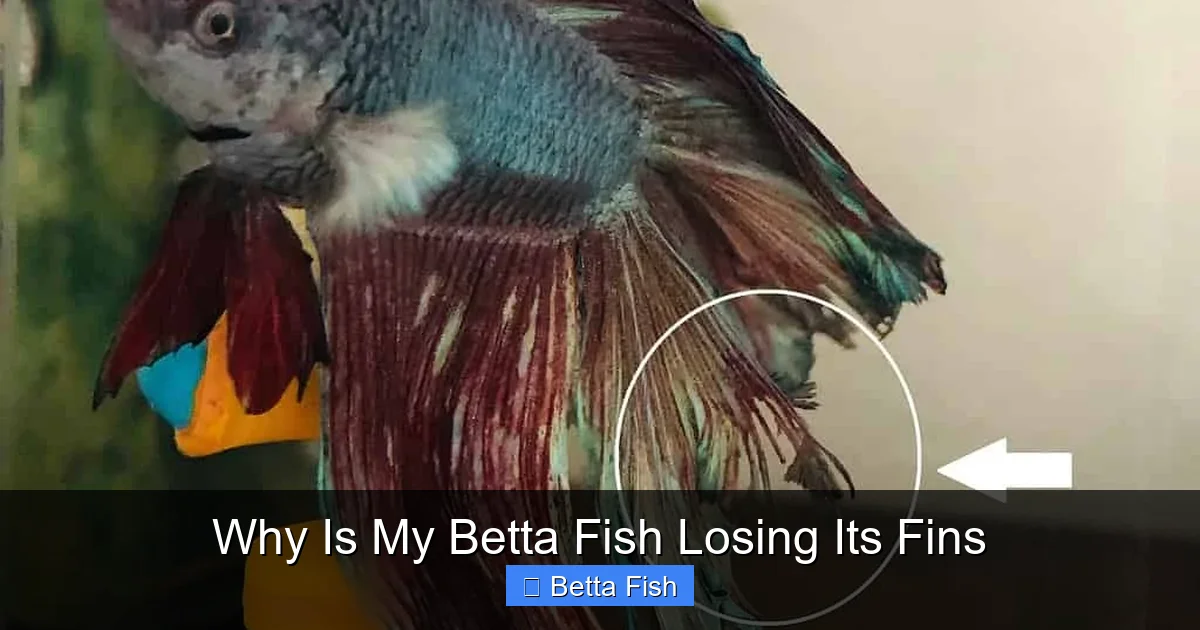
Visual guide about Why Is My Betta Fish Losing Its Fins
Image source: res.klook.com
1.1. Ammonia, Nitrite, and Nitrate Build‑Up
Even a small spike in ammonia (NH₃) can burn delicate fin tissue. Nitrite (NO₂⁻) interferes with oxygen transport, making fins look pale and ragged. Nitrate (NO₃⁻) isn’t as toxic, but high levels cause chronic stress and fin loss over weeks.
**Quick test:** Use a liquid test kit weekly. If ammonia >0 ppm, nitrite >0 ppm, or nitrate >20 ppm, change 25‑30 % of the water immediately.
1.2. pH and Temperature Fluctuations
Betta thrive at pH 6.5‑7.5 and temperature 76‑82 °F (24‑28 °C). Sudden drops or spikes stress the fish, leading to fin shredding. Use a reliable heater and a thermometer, and avoid placing the tank near drafts or direct sunlight.
1.3. Hard Water and Mineral Imbalance
Very hard water can irritate skin and fins. If your tap water is >300 ppm total hardness, consider a reverse‑osmosis (RO) filter or a water conditioner designed for softening.
Practical Tip
Set a weekly maintenance schedule: test water, change 20‑30 % of the volume, and clean the substrate with a siphon. Consistency prevents the hidden chemistry shifts that cause fin loss.
2. Diseases and Parasites
When water is clean but fins still deteriorate, look to the fish’s health. Several pathogens love to attack betta fins.
2.1. Fin Rot (Bacterial Infection)
Fin rot starts as a small white spot that quickly turns brown or black and erodes the fin edge. It’s caused by opportunistic bacteria like Aeromonas and Pseudomonas.
Treatment: Isolate the fish, raise temperature to 82‑84 °F, and add a broad‑spectrum antibacterial medication (e.g., Maracyn). Remove any dead tissue with clean tweezers.
2.2. Velvet (Oodinium) and Ich (Ichthyophthirius)
Both parasites can cause excessive rubbing against objects, which wears down fins. Velvet gives a dusty gold sheen; Ich shows white “salt‑and‑pepper” spots.
**Solution:** Raise temperature to 82 °F, increase water changes, and use copper‑based or formalin treatments as directed.
2.3. Flukes and Anchor Worms
These external parasites latch onto fins, causing inflammation and fraying. Look for tiny moving specks or a “cotton‑like” appearance.
**Treatment:** Use a dip with praziquantel or a dip formula specifically for external parasites.
Helpful Link
For a deeper dive on fin parasites, see our article Why Does My Betta Fish Fins Look Shredded.
3. Nutritional Deficiencies
Even with perfect water, a betta on a poor diet will develop weak, thin fins that break easily.
3.1. Lack of Essential Fatty Acids
Omega‑3 and omega‑6 fatty acids are the building blocks of fin tissue. Low‑fat diets (e.g., only dry pellets) lead to brittle fins.
**Solution:** Offer a varied menu: high‑quality betta pellets, frozen or live daphnia, brine shrimp, and occasional bloodworms. Add a vitamin supplement that contains EPA/DHA.
3.2. Vitamin C and E Deficiency
These antioxidants protect fins from oxidative stress. A deficiency shows up as faded coloration and ragged edges.
**Tip:** Use a liquid vitamin booster once a week. It’s especially helpful after a disease outbreak.
3.3. Overfeeding and Water Pollution
Too much food rots quickly, raising ammonia levels and indirectly causing fin loss. Feed 2‑3 small portions daily, only what the fish can eat in 2‑3 minutes.
4. Environmental Stressors
Stress is a silent fin‑killer. Anything that makes a betta feel unsafe can cause the fins to curl, shred, or fall off.
4.1. Tank Size and Layout
Betta need at least 2.5‑5 gallons of space. Tiny bowls restrict swimming and trap waste, leading to chronic stress. Provide hiding spots (caves, plants) to reduce anxiety.
4.2. Aggressive Tank Mates
Even other peaceful species can nip at fins if the tank is crowded. If you keep a community tank, choose calm, non‑fin‑nipping fish and keep decorations that break line of sight.
4.3. Water Flow and Currents
Betta are labyrinth fish; strong currents can fatigue them and damage fins. Use a gentle filter or a sponge filter that creates a soft flow.
Helpful Link
Learn more about stress‑related fin loss in Why Are My Betta Fish Fins Falling Off.
5. Physical Damage and Poor Tank Hygiene
Sometimes the cause is as simple as a sharp decoration or a rough cleaning tool.
5.1. Rough Substrate and Decorations
Sharp gravel, broken glass, or rough plastic can tear fins. Opt for smooth sand, polished stones, or soft plant leaves.
5.2. Improper Handling
Grabbing a betta with hands or nets can pull at the fins. If you must move the fish, use a soft, fine‑mesh net and support the body, not the fins.
5.3. Inadequate Cleaning Routine
Algae buildup creates a breeding ground for bacteria. Scrub the glass gently with a algae scraper, and vacuum the substrate during water changes.
6. How to Help Your Betta Regrow Its Fins
Once you’ve identified the cause, follow these steps to encourage fin regeneration.
6.1. Stabilize Water Parameters
Maintain ammonia < 0.25 ppm, nitrite 0 ppm, nitrate < 20 ppm, pH 6.5‑7.5, temperature 78 °F. Use a reliable test kit and keep a log.
6.2. Treat Infections Promptly
Apply the appropriate medication (antibacterial, antiparasitic) for the full recommended course. Never skip doses.
6.3. Boost Nutrition
Feed a high‑protein, high‑fat diet for 7‑10 days. Add a vitamin‑rich supplement and consider a “fin‑heal” product that contains methylene blue and herbal extracts.
6.4. Reduce Stress
Provide a calm environment: dim lighting, few decorations, and no aggressive tank mates. Keep a consistent day/night cycle (10‑12 hours of light).
6.5. Monitor Progress
Take close‑up photos every 2‑3 days. New fin tissue appears as a pale, translucent edge that gradually darkens. Full regrowth can take 2‑4 weeks depending on severity.
Helpful Link
If you notice a missing tail specifically, read Why Did My Betta Fish Lose Its Tail for targeted advice.
Conclusion: A Healthy Betta Starts with Vigilance
Seeing your betta’s fins fray is unsettling, but it’s also a clear signal that something in the tank needs attention. By keeping water pristine, feeding a balanced diet, minimizing stress, and treating diseases quickly, you give your fish the best chance to heal and thrive. Remember, the question “why is my betta fish losing its fins?” is not just a problem—it’s an invitation to become a better, more attentive caretaker.
Take action today, and you’ll soon be rewarded with a vibrant betta flaunting the long, flowing fins that made you fall in love with them in the first place.
Frequently Asked Questions
Why are my betta’s fins turning white?
White patches often indicate a fungal infection or early stage of fin rot. Improve water quality and treat with an antifungal medication.
Can a betta regrow a completely lost fin?
Yes, if the underlying cause is resolved, new fin tissue can regenerate. It may take several weeks for full length and color to return.
Is it normal for betta fins to curl?
Fin curling can be a sign of poor water conditions, low temperature, or a bacterial infection. Check parameters and treat if needed.
What should I do if my betta stops eating and its fins are deteriorating?
Stop feeding for 24 hours, test the water, and consider a mild antibacterial dip. Offer live or frozen foods to stimulate appetite.
How often should I change the water to prevent fin loss?
Change 20‑30 % of the tank water weekly. Increase to 50 % if you notice ammonia spikes or after medication.
Can stress from a new tank setup cause fin loss?
Absolutely. Sudden changes in temperature, pH, or tank mates can stress a betta and lead to fin damage. Give the fish at least a week to acclimate before adding decorations or companions.