Why Is My Betta Fish Hiding by the Filter
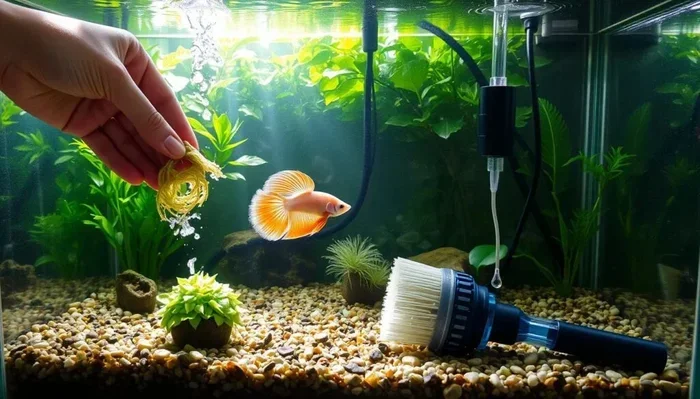
Betta fish often seek the filter’s current for comfort, safety, or because something in the tank is wrong. Understanding the signs and adjusting water flow, temperature, and tank setup can quickly solve the problem and keep your betta thriving.
Key Takeaways
- Flow preference: Betta fish may hide by the filter to enjoy a gentle water current that mimics their natural habitat.
- Water quality clues: Poor parameters, high ammonia, or low oxygen can drive a betta to seek the filter’s aerated zone.
- Tank setup matters: Too much décor, bright lights, or aggressive tank mates can make the filter area the safest spot.
- Check the filter: A noisy, dirty, or malfunctioning filter can stress a betta; regular maintenance is essential.
- Temperature stability: The filter can create micro‑temperature zones; ensure the whole tank stays within 76‑82°F (24‑28°C).
- Health monitoring: Hiding by the filter can signal illness; watch for white spots, loss of color, or unusual swimming.
- Simple fixes: Adjust flow, add hiding spots, and test water parameters to encourage your betta to explore the whole tank.
📑 Table of Contents
- Introduction: When Your Betta Takes Up Residence Near the Filter
- 1. The Natural Appeal of Flow
- 2. Water Quality – The Hidden Driver
- 3. Tank Layout and Hiding Spots
- 4. Health Concerns That Push a Betta Toward the Filter
- 5. Filter Maintenance – Keeping It Friendly
- 6. Practical Steps to Encourage Exploration
- Conclusion: Turning the Filter from a Hideout into a Feature
Introduction: When Your Betta Takes Up Residence Near the Filter
Betta fish are known for their bold colors and feisty personalities, but they can also be surprisingly shy. If you’ve ever walked up to the tank and found your betta perched right next to the filter, you might wonder, why is my betta fish hiding by the filter? The answer isn’t always a single cause; it’s often a blend of water conditions, tank layout, and the fish’s own instincts.
In this article we’ll explore the most common reasons behind this behavior, how to diagnose the underlying issue, and practical steps you can take to make your aquarium a more inviting home. By the end, you’ll be able to answer the question with confidence and help your betta feel safe, active, and happy.
1. The Natural Appeal of Flow
Why a Gentle Current Feels Like Home
In the wild, Siamese fighting fish (Betta splendens) live in shallow rice paddies and slow‑moving streams. A light current helps them breathe, distributes food particles, and prevents stagnant water. When a betta spots the subtle flow from a filter, it can feel like a mini‑river—exactly the environment it’s adapted to.
When Flow Becomes Too Strong
Not all filters are created equal. A power filter that creates a strong, turbulent stream can overwhelm a betta, causing it to retreat to the edge of the flow where the water is calmer. If you notice your fish constantly hovering at the filter’s intake, consider reducing the flow rate or adding a pre‑filter sponge to soften the current.
2. Water Quality – The Hidden Driver
Ammonia, Nitrite, and Hidden Stress
Betta fish are sensitive to spikes in ammonia and nitrite. When water quality drops, the fish often seeks the most oxygen‑rich area, which is usually near the filter’s outflow. Test your water weekly with a reliable kit; keep ammonia and nitrite at 0 ppm and nitrate below 20 ppm.
Temperature Fluctuations
Filters can create micro‑temperature zones. The water exiting the heater (or the filter’s motor) may be slightly warmer or cooler than the rest of the tank. If your betta feels chilly, it may linger where the water is just right. Use a digital thermometer to ensure the whole tank stays between 76‑82°F (24‑28°C). A small heater with a built‑in thermostat can help maintain consistency.
Oxygen Levels
Stagnant water can become low in dissolved oxygen. The filter’s aeration provides a pocket of higher oxygen, drawing the betta in. If you suspect low oxygen, increase surface agitation with a gentle air stone or adjust the filter’s flow to create more movement without creating a strong current.
3. Tank Layout and Hiding Spots
Too Much Open Space?
Betta fish love to claim territory, but they also need places to retreat. A barren tank with lots of open water can feel exposed, especially if the tank sits in a high‑traffic area. Adding live plants, silk moss, or ceramic caves gives your betta alternative hideouts.
Lighting and Noise
Bright LED lights and the constant hum of a filter can be stressful. If your betta only appears when the lights are on, try dimming the tank or using a timer to give the fish a dark period each day. A filter with a quiet motor or a sponge filter placed in a corner can reduce noise.
4. Health Concerns That Push a Betta Toward the Filter
Illness Indicators
When a betta is feeling unwell, it often seeks the most comfortable spot—frequently the filter area. Look for other signs such as loss of color, white patches, torn fins, or abnormal swimming. For a deeper dive into health symptoms, see our guide on Is My Betta Fish Dying.
Parasites and Infections
External parasites can cause irritation, making the fish stay close to the water movement that soothes the skin. Treat with a suitable medication after confirming the diagnosis with a vet or an experienced aquarist.
5. Filter Maintenance – Keeping It Friendly
Cleaning Frequency
A dirty filter can harbor harmful bacteria and release unpleasant odors. Clean the filter media every two weeks, but avoid over‑cleaning, which can strip beneficial bacteria. Rinse media in tank water (not tap water) to preserve the bio‑film.
Choosing the Right Filter for a Betta
Low‑flow sponge filters or hang‑on‑back (HOB) units with adjustable flow are ideal. If you use a canister filter, direct the outflow away from the tank’s center and use a spray bar to diffuse the water.
6. Practical Steps to Encourage Exploration
Adjust Flow Settings
Turn the flow dial down a notch, or attach a flow‑restrictor. Observe your betta for 24‑48 hours to see if it begins to venture out.
Add More Décor
Place a few silk plants near the filter so the betta can hide there while still enjoying the current. This creates a transition zone rather than a single “filter corner.”
Monitor and Test
Keep a log of water parameters, temperature, and filter maintenance dates. Consistency is key to preventing stress triggers.
When to Seek Professional Help
If after two weeks your betta remains glued to the filter, and you notice additional health symptoms, consult a veterinarian or an experienced fish keeper.
Conclusion: Turning the Filter from a Hideout into a Feature
Seeing your betta fish hiding by the filter is a clue, not a crisis. By checking water quality, adjusting flow, adding suitable décor, and maintaining the filter, you can create a balanced environment where your betta feels safe to explore the entire tank. Remember, a happy betta is an active betta—watch for brighter colors, confident swimming, and occasional bubble‑nest building as signs that you’ve solved the mystery of why is my betta fish hiding by the filter.
Frequently Asked Questions
Why does my betta stay near the filter all the time?
The filter creates a gentle current and higher oxygen levels, which many bettas find comforting, especially if the rest of the tank is still or low in oxygen.
Can a strong filter harm my betta?
Yes. A powerful flow can stress a betta, cause fin damage, and make it hide constantly. Reduce the flow or use a sponge pre‑filter to soften the water movement.
Is hiding by the filter a sign of illness?
It can be. If the behavior is accompanied by loss of color, white spots, or erratic swimming, it may indicate stress or disease. Check water parameters and consider a health check.
How often should I clean my filter for a betta tank?
Every 10‑14 days is a good rule. Rinse the media in tank water to preserve beneficial bacteria, and replace cartridges as the manufacturer recommends.
What temperature should I maintain to keep my betta comfortable?
Betta fish thrive at 76‑82°F (24‑28°C). Use a reliable heater with a thermostat and verify the temperature in multiple spots of the tank.
Will adding plants reduce my betta’s need to hide by the filter?
Yes. Live or silk plants give your betta additional shelter and break up open space, encouraging it to explore beyond the filter area.