Where Are Betta Fish Found in Nature
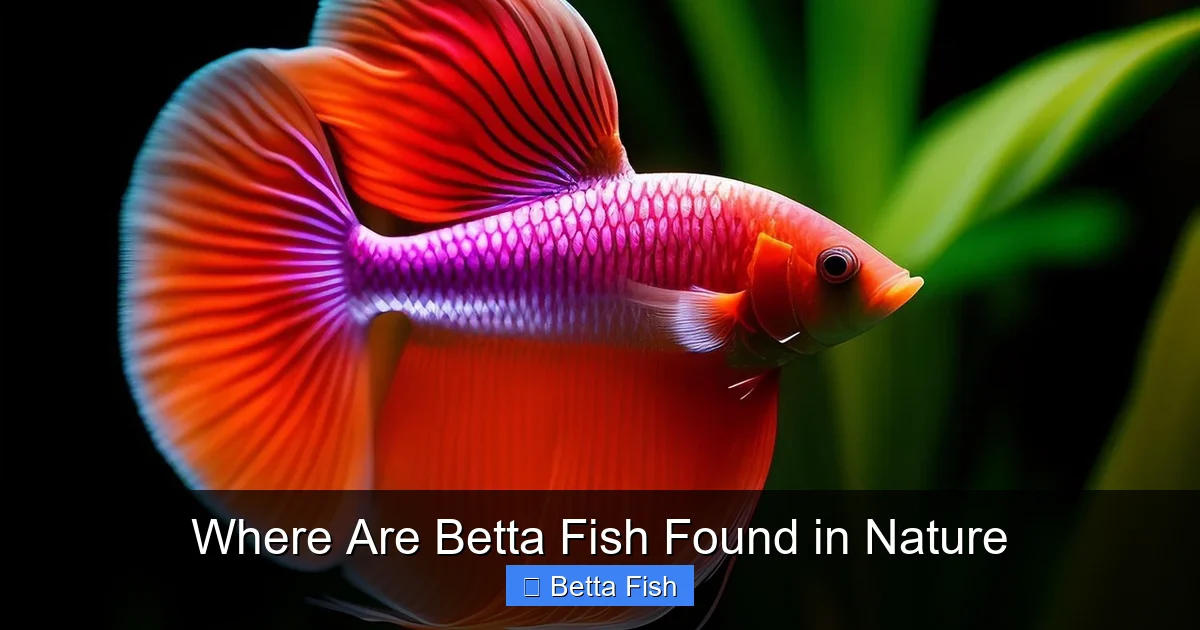
Contrary to their common image in small bowls, wild betta fish (Betta splendens) are native to the shallow, warm waters of Southeast Asia. They thrive in rice paddies, slow-moving streams, and floodplains across Thailand, Cambodia, Vietnam, Malaysia, and Indonesia. Their famous labyrinth organ allows them to breathe atmospheric air, a crucial adaptation for surviving in often-oxygen-poor environments. These fish face significant threats from habitat loss and pollution, making their wild populations increasingly vulnerable.
Key Takeaways
- Native Range: Wild bettas are indigenous to the tropical regions of Southeast Asia, primarily Thailand, Cambodia, Vietnam, and extending to Malaysia and Indonesia.
- Preferred Habitats: They inhabit shallow, stagnant or slow-moving bodies of water like rice paddies, drainage ditches, ponds, and the margins of streams and marshes.
- Key Adaptation: Their labyrinth organ is a specialized structure that allows them to gulp air from the surface, enabling survival in warm, oxygen-depleted waters.
- Seasonal Dynamics: Their habitats are highly seasonal, expanding during monsoons into flooded forests and grasslands, then contracting to isolated pools in the dry season.
- Natural Diet: In the wild, bettas are carnivorous micro-predators, feeding on insects, larvae, zooplankton, and small crustaceans.
- Threats in the Wild: Primary threats include habitat destruction from agriculture/urbanization, pollution from pesticides and runoff, and hybridization with escaped captive stock.
- Conservation Status: While not currently listed as endangered globally, local populations are declining, and habitat protection is critical for their long-term survival.
📑 Table of Contents
- The Myth and the Reality: Beyond the Bowl
- The Native Range: A Southeast Asian Saga
- Habitat Types: The Perfect Storm of Conditions
- Master of Survival: The Labyrinth Organ and Other Adaptations
- A Year in the Life: Seasonal Patterns of Wild Bettas
- What’s on the Menu? The Wild Betta’s Diet
- Human Impact and the Erosion of Wild Habitats
- Conservation: Protecting the Wild Ancestor
- Conclusion: A Window into a Vanishing World
The Myth and the Reality: Beyond the Bowl
When most people picture a betta fish, they see a solitary, flamboyant creature floating in a tiny vase or a small glass bowl on a desk. This image, while pervasive, is a profound misunderstanding of the betta’s true nature. The betta fish, specifically the species Betta splendens known as the Siamese fighting fish, is a wild animal with a rich ecological story. Understanding where betta fish are found in nature is the first step to appreciating their incredible adaptations and the urgent need to protect their fading wild homes. Their natural existence is a world away from the decorative container; it’s a dynamic, seasonal, and often challenging landscape that forged the resilient and intelligent fish we know today.
This article will dive deep into the geography, ecology, and environmental pressures that define the wild betta. We will journey through the flooded rice fields of central Thailand, explore the shaded peat swamps of Malaysia, and uncover the biological marvels that allow this fish to thrive where many others would perish. By the end, you will see the betta not as a mere ornament, but as a testament to evolutionary ingenuity facing a modern crisis.
The Native Range: A Southeast Asian Saga
The story of the wild betta begins in the heart of Southeast Asia. The genus Betta is incredibly diverse, with over 70 recognized species, but the iconic Siamese fighting fish, Betta splendens, has a historically documented native range centered around the Chao Phraya River basin in Thailand. From this core, its natural distribution fans out.
The Cradle: Thailand
Thailand is the undisputed birthplace of the domestic betta. In central Thailand, particularly around Bangkok and the provinces of Ayutthaya and Pathum Thani, B. splendens has been observed in its natural habitat for centuries. Here, they are found in the shallow, warm, and often murky waters of the Chao Phraya River and its vast network of tributaries, canals (khlongs), and associated floodplains. The Thai name for the fish, ikan bettah (meaning “fighting fish”), hints at their historical notoriety in the region.
Neighboring Nations: Cambodia and Vietnam
To the east, the range extends into Cambodia, notably in the Mekong River basin and its tributaries. Populations in the Tonlé Sap region and associated floodplain lakes are significant. In Vietnam, they are found in the Mekong Delta in the south. The habitats here are similar: slow-moving, vegetated waters that undergo dramatic seasonal flooding.
The Southern Frontier: Malaysia and Indonesia
The southern extent of B. splendens native range reaches the Malay Peninsula. In peninsular Malaysia, they are found in parts of the states of Kedah, Perlis, and Penang, typically in lowland coastal plains. Their presence in Indonesia is more debated and likely limited to some Sumatran populations near the Malacca Strait, with many Indonesian “bettas” actually being other Betta species like Betta imbellis (the peaceful betta).
Important Note: The term “wild betta” can be confusing. While Betta splendens is the species most commonly domesticated, many other Betta species exist in the wild across Southeast Asia (e.g., B. smaragdina, B. mahachaiensis). This article focuses primarily on the natural habitat of Betta splendens, the species from which nearly all aquarium varieties are derived.
Habitat Types: The Perfect Storm of Conditions
Finding a wild betta isn’t about casting a line in a clear, flowing river. It’s about seeking out very specific, often ephemeral, environmental conditions. Their habitats are characterized by four key factors: shallow depth, warm temperature, still or slow water, and dense vegetation (often at the surface).
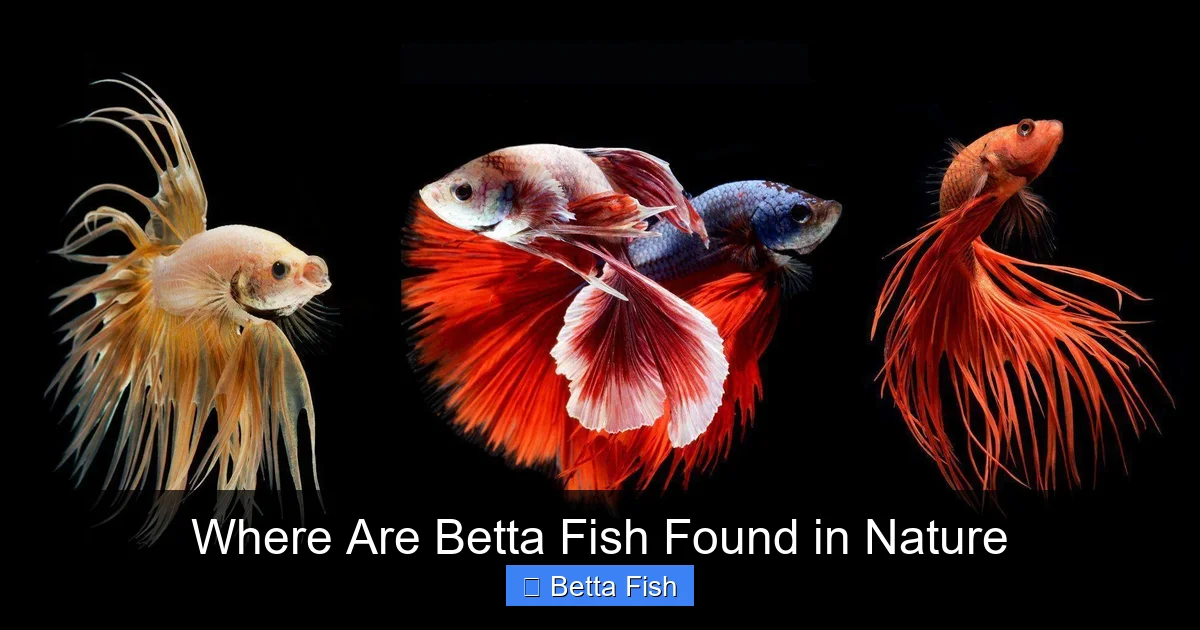
Visual guide about Where Are Betta Fish Found in Nature
Image source: wallpapercave.com
Rice Paddies: The Iconic Arena
The quintessential wild betta habitat is the flooded rice paddy. During the rainy season, these agricultural fields become vast, shallow networks of water. They provide perfect cover with emergent grasses and rice stalks, warm temperatures from the sun baking the shallow water, and low oxygen levels due to rapid plant decomposition. Bettas are incredibly common in these seasonal wetlands across Thailand and Cambodia. They use the dense vegetation for nesting (the male builds a bubble nest among the plant stems) and for ambush hunting. The connection between bettas and rice cultivation is so strong that local farmers often know of their presence.
Drainage Ditches and Canals (Khlongs)
In more populated areas, wild bettas adapt to man-made waterways. The khlongs (canals) of Thailand are slow-moving, shaded, and often polluted, yet they host resilient betta populations. These linear habitats serve as corridors, connecting larger water bodies. Similarly, roadside drainage ditches that hold water year-round can become betta homes, though they are more susceptible to chemical runoff.
Swamps, Marshes, and Peatlands
In Malaysia and parts of southern Thailand, bettas are found in acidic, tea-colored blackwater swamps and peatlands. These habitats have water stained dark brown by decaying tannins from leaves and wood. The water is soft, acidic, and typically very clear despite the color, with a layer of leaf litter on the bottom. Vegetation is dense, including species like Pandanus (screw pines). The famous Betta splendens populations from the state of Kedah in Malaysia are often associated with these peat swamp forests.
Slow-Moving Stream and Pond Margins
They are not typically found in the fast-flowing center of streams but rather in the slack-water edges, backwaters, and oxbow lakes associated with larger river systems. These areas provide the calm, vegetated conditions they require. Ponds formed in natural depressions, especially those with abundant floating plants like water lettuce or water hyacinth, are ideal betta habitats.
The Critical Role of Surface Vegetation
Why is surface cover so non-negotiable? Three reasons. First, it provides the anchor point for the male’s bubble nest. Second, it offers shade, regulating water temperature and reducing algal growth. Third, and most importantly, it is the platform from which bettas access their supplemental oxygen source. Without plants or debris breaking the surface, the water may become too stagnant and oxygen-depleted even for a betta’s labyrinth organ to compensate effectively. The surface is their lifeline to the air above.
Master of Survival: The Labyrinth Organ and Other Adaptations
The betta’s ability to survive in its chosen habitats hinges on a suite of remarkable adaptations, the most famous being the labyrinth organ.
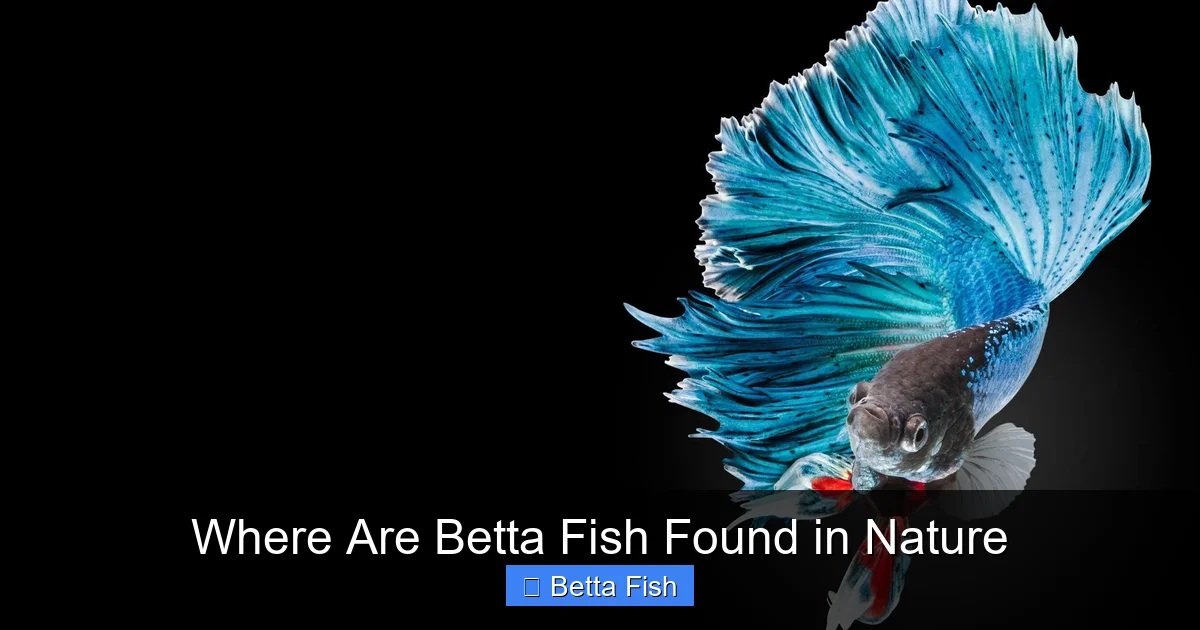
Visual guide about Where Are Betta Fish Found in Nature
Image source: wallpapercave.com
The Labyrinth Organ: Breathing Air
This is a specialized structure located in a chamber above the gills. It is a folded, bony labyrinth (hence the name) lined with thin, blood-rich membranes. When the betta gulps air from the surface, it is held in this chamber, and oxygen diffuses directly into the bloodstream. This accessory breathing organ allows them to tolerate water with extremely low dissolved oxygen—conditions that would suffocate most other fish. It is the primary reason they can live in shallow, warm, stagnant pools. They are essentially facultative air-breathers, meaning they can use it when needed but will still use their gills in oxygen-rich water.
The Bubble Nest: An Aerial Nursery
Male bettas are prolific bubble-nesters. They gather air from the surface, coat it with mucus secreted from their mouth, and spit out a cluster of bubbles that adhere to the underside of a surface plant or object. This nest is an oxygen-rich cradle for the fertilized eggs and later the fry. This behavior is a direct adaptation to their shallow-water habitat, where eggs laid on the open bottom would likely suffocate or be preyed upon. The nest keeps them at the warm, oxygen-rich surface layer.
Aggression and Territoriality: A Double-Edged Sword
The famous male betta aggression is an evolved trait linked to their breeding strategy. Males are intensely territorial, defending a small patch of prime habitat—a clump of plants with a good bubble-nesting site—from rival males. In the wild, fights are usually brief displays of flaring gills and spreading fins, intended to intimidate without causing excessive injury. This territoriality ensures a male controls the best resources for attracting a female and raising young. However, it also means they cannot be housed together in captivity without immense risk.
Body Morphology: Built for the Surface
Their upturned mouth (a condition called superior mouth) is perfectly adapted for gulping air and for snatching insects or larvae that fall onto the water’s surface. Their long, flowing fins, while exaggerated in captivity, in wild types are more moderate but still serve purposes in display and maneuverability through dense vegetation. Their robust body is built for short bursts of speed during chases or fights, not for sustained swimming.
A Year in the Life: Seasonal Patterns of Wild Bettas
The habitats of wild bettas are not static. They are defined by a dramatic annual cycle driven by the monsoon climate of Southeast Asia. Understanding this cycle is key to understanding their survival strategy.
The Flooding Season (Wet Monsoon)
From roughly May to October, heavy rains transform the landscape. Rivers overflow, and low-lying fields and forests become vast, interconnected shallow seas. This is the betta’s golden age. Their habitat expands exponentially. They move out from their isolated pools into newly flooded grasslands and forests, exploiting a bonanza of food—insects, worms, and crustaceans now abundant in the new waters. Breeding season peaks during this time of plenty. The abundance of fresh, tannin-stained water from the floods also helps maintain water quality in their shallow haunts.
The Dry Season (The Great Thirst)
From November to April, the rains cease. The floodwaters recede dramatically. What was once a continuous aquatic landscape fragments into a series of isolated, shrinking pools, puddles, and damp mudflats. This is the ultimate test of survival. Fish are trapped in these shrinking habitats. The water becomes warmer, more stagnant, and more depleted of oxygen. The labyrinth organ becomes absolutely critical. Bettas will burrow into the damp mud or seek out the coolest, moistest micro-habitats under logs or rocks to estivate (a dormant state) if their pool dries completely, though this is risky. This seasonal bottleneck is a powerful filter, determining which individuals and populations survive to the next wet season.
Implications for Captive Care
This cycle explains why bettas are so tolerant of poor water conditions in captivity—they are adapted to survive in harsh, changing environments. However, it does not mean they prefer or thrive in such conditions. In a stable aquarium, they should be provided with consistently clean, warm water to minimize stress and maximize health and longevity. Their wild tolerance is a survival mechanism, not a recommendation for poor husbandry.
What’s on the Menu? The Wild Betta’s Diet
Forget the flake food and pellet myths. The wild betta is a carnivorous micro-predator with a diet far more varied and protein-rich than most captive diets provide.
Primary Prey: The Insect World
The bulk of a wild betta’s diet consists of terrestrial and aquatic insects. This includes:
- Mosquito larvae (wrigglers) and pupae, which are abundant in still waters.
- Water striders and other surface-dwelling insects they snap from the water’s film.
- Small beetles and ants that fall into the water.
- Mayfly and caddisfly larvae living among detritus and plants.
Zooplankton and Other Micro-Critters
They also consume zooplankton like Daphnia (water fleas), copepods, and rotifers, especially when young. Small crustaceans such as ostracods (seed shrimp) and young shrimp are also on the menu. They may even pick at tiny worms.
Hunting Strategy: The Ambush Predator
Bettas are not pursuit predators. They are sit-and-wait ambush hunters. They will hover near a patch of vegetation or the water’s surface, often motionless, watching for prey to blunder into their territory. When a target is identified, they explode forward with a short, rapid burst to capture it. This energy-conserving strategy is perfect for an environment where food availability can be patchy.
Relevance for Pet Owners
This carnivorous diet is crucial for captive health. A high-quality betta pellet should be the staple, but it must be supplemented with live or frozen foods like brine shrimp, daphnia, bloodworms, and microworms. These foods provide essential proteins, fats, and nutrients that mimic their wild diet, promoting vibrant color, robust fin growth, and a strong immune system. Feeding only plant-based foods (like pea slices for bloating) is a short-term remedy, not a dietary staple.
Human Impact and the Erosion of Wild Habitats
The serene, natural habitats of the betta are under siege. The very landscapes that nurtured this species for millennia are being altered at an alarming rate, primarily by human activity.
Agricultural Intensification
The expansion of industrial-scale rice farming is a double-edged sword. While traditional, small-scale rice paddies can be good betta habitat, modern practices are devastating. The use of potent pesticides and herbicides directly poisons fish. The consolidation of fields and removal of hedgerows and drainage ditches eliminates the marginal habitats where bettas often persist. The straightening and channelization of streams for irrigation removes the slow-moving, vegetated edges bettas need.
Urbanization and Pollution
The explosive growth of cities like Bangkok has led to the filling of wetlands and the conversion of khlongs into open sewers. Industrial effluent, untreated sewage, and plastic pollution degrade water quality beyond the tolerance of most wildlife. Oil spills and chemical runoff from roads create toxic cocktails in drainage ditches and ponds.
Palm Oil and Deforestation
In Malaysia and Indonesia, the clearing of primary rainforest for palm oil plantations is a catastrophic threat. Peat swamp forests—a key habitat for many wild betta species, including some B. splendens populations—are drained and burned. This not only destroys habitat directly but also increases sediment runoff into remaining waterways, silting them in and altering water chemistry.
The Pet Trade: A Complex Issue
The global trade in ornamental bettas, worth hundreds of millions of dollars, has a complicated relationship with wild populations. On one hand, it has created economic incentive for local breeders in Southeast Asia, potentially reducing direct collection pressure from the wild. On the other hand, the industry contributes to habitat degradation through effluent from breeding facilities and the risk of genetic pollution if captive-bred fish (often selectively bred for aggression and color) escape and interbreed with wild populations, diluting local adaptations and genetic diversity. For B. splendens, most pet fish are captive-bred, but other rare Betta species are sometimes wild-caught for the specialist market, posing a direct threat.
Conservation: Protecting the Wild Ancestor
The future of the wild betta is not sealed, but it requires proactive conservation efforts. The situation varies by location, with some local populations stable and others in steep decline.
Current Status: A Patchwork of Populations
Betta splendens is not currently listed on the IUCN Red List of Threatened Species (it is categorized as “Data Deficient” due to taxonomic uncertainties). However, many regional assessments tell a story of concern. In Thailand, it is considered “Vulnerable” by some national authorities due to ongoing habitat loss. In Malaysia, its status is similarly precarious. The IUCN has assessed other Betta species, with several, like Betta miniopinna and Betta persephone, listed as Critically Endangered due to their extremely limited ranges in threatened peat swamps.
Grassroots and Government Efforts
Conservation is happening at multiple levels:
- Habitat Protection: The establishment of protected areas, such as national parks and wildlife sanctuaries in Thailand and Malaysia that include peat swamp forests, is the most direct action.
- Community-Based Conservation: Projects that work with local rice farmers to promote “wildlife-friendly” farming practices, such as maintaining buffer strips of vegetation around fields and reducing pesticide use, show promise.
- Captive Breeding for Conservation: Reputable institutions and dedicated hobbyists are maintaining genetically pure, locally adapted strains of wild bettas in captivity as an insurance policy against extinction in the wild. These are not the colorful pet store varieties but the original, often less flashy, wild-type forms.
- Legislation: Laws protecting wetlands and regulating pollution are essential but often poorly enforced.
How You Can Help: The Responsible Betta Owner
Even if you live thousands of miles from a Thai rice paddy, your choices matter:
- Support Conservation Organizations: Donate to or volunteer with groups focused on Southeast Asian wetland conservation (e.g., IUCN SSC Southeast Asian Freshwater Specialist Group, local Thai/Malaysian environmental NGOs).
- Choose Captive-Bred Responsibly: Buy your betta from a reputable local breeder or store that sources from captive breeding facilities, not from importers who may utilize wild-caught stock, especially for rare species.
- Never Release Your Betta: This is paramount. Released pet bettas can become invasive, outcompeting native fish, and can spread diseases to wild populations. They also risk genetic pollution if they are Betta splendens and interbreed with locals.
- Advocate: Spread awareness about the wild habitat of bettas. The more people know they are wild animals with specific ecological needs, the greater the pressure on governments and corporations to protect those habitats.
Conclusion: A Window into a Vanishing World
The natural world of the betta fish is a captivating tale of resilience, painted in the vibrant colors of a Thai sunset and set against the backdrop of a landscape that breathes with the rhythm of the monsoon. To find a wild betta is to find a living link to a pre-domesticated past, a small, tenacious predator thriving in conditions that would challenge most life. Their labyrinth organ is not just a biological curiosity; it is a symbol of survival against the odds.
Yet, this symbol of endurance now faces an enemy it cannot biologically out-adapt: the relentless pace of human-driven habitat destruction and pollution. The shallow pools and flooded fields are shrinking, poisoning, or disappearing under concrete and palm trees. The betta’s story in the wild is becoming a quiet tragedy, unfolding in the margins of our maps and our consciousness.
As we admire the flowing fins of our pet bettas, we owe it to their wild cousins to remember their origins. Our appreciation must extend beyond aesthetics to advocacy. Protecting the muddy rice paddies, the blackwater swamps, and the quiet drainage ditches of Southeast Asia is not just about saving a fish; it is about preserving a unique and irreplaceable piece of our planet’s biological heritage. The next time you see a betta, see it not just in your tank, but in its natural home—and consider what you can do to ensure that home still exists for generations to come.
Frequently Asked Questions
Are wild bettas the same as the ones sold in pet stores?
Not exactly. Pet store bettas are almost exclusively captive-bred descendants of wild Betta splendens and have been selectively bred for color and finnage for over a century. Wild bettas typically have shorter, more subdued fins (often blue, green, or red with simple patterns) and are generally less aggressive than their highly domesticated counterparts.
Why are bettas so associated with Thailand?
Thailand (formerly Siam) is the historical heartland of Betta splendens. They were first documented by Western science there in the 19th century and were famously bred for fighting, which led to their international introduction as ornamental fish. The local name “ikan bettah” (fighting fish) directly ties them to the region.
Do wild bettas really live in tiny puddles?
They can survive in very small, isolated pools during the dry season due to their labyrinth organ. However, these are often temporary death traps. Their optimal, sustainable habitats during the wet season are much larger—like flooded fields, marshes, and slow streams—with abundant surface vegetation for nesting and oxygen access.
Are wild bettas endangered?
The global status of Betta splendens is uncertain (listed as Data Deficient by the IUCN), but many local populations are declining due to habitat loss. Other species within the Betta genus are in far more dire straits, with several classified as Critically Endangered due to the destruction of specialized peat swamp habitats.
Can I keep a wild-caught betta as a pet?
It is strongly discouraged. Wild-caught fish often carry parasites, are stressed by capture and transport, and may be protected by local or international laws. Their behavior can be very different from domesticated strains. Additionally, purchasing them can fuel collection pressure on fragile wild populations. Always choose responsibly captive-bred specimens.