Where to Buy Fancy Betta Fish

Finding a healthy, ethically-sourced fancy betta fish requires knowing where to look and what to evaluate. Your best options are specialized aquatic breeders, high-quality local fish stores, and vetted online retailers who prioritize fish health over profit. Avoid big-box stores and sellers with poor practices. Always inspect for signs of vitality and disease, ask about the fish’s history, and be prepared to provide a proper home before you buy.
Key Takeaways
- Reputable Breeders Are the Gold Standard: They offer the healthiest, most genetically sound fish with better temperament and provide invaluable care advice specific to their lines.
- Local Fish Stores Can Be Excellent: A dedicated, knowledgeable local store (not a big-box retailer) often sources from good breeders and allows you to see the fish in person before buying.
- Online Retailers Offer Convenience & Variety: Specialized online shops provide access to rare varieties nationwide, but you must research shipping policies, health guarantees, and customer reviews meticulously.
- Always Assess the Fish’s Health First: Look for vibrant colors, clear eyes, intact fins, active swimming, and no signs of fungus, velvet, or clamped fins. A healthy fish is a beautiful fish.
- Ask Critical Questions Before Purchasing: Inquire about water parameters, feeding routines, quarantine practices, and the fish’s age. A transparent seller is a trustworthy one.
- Never Buy on Looks Alone: A stunning but stressed or diseased fancy betta will not thrive. Prioritize robust health and active behavior over the most extreme finnage or color pattern.
- Prepare the Tank Before the Fish Arrives: A cycled, heated, filtered aquarium with hiding spots is non-negotiable. Bringing a fancy betta home to an uncycled bowl is a recipe for disaster.
[FEATURED_IMAGE_PLACEHOLDER]
📑 Table of Contents
- Where to Buy Fancy Betta Fish: Your Guide to Finding a Healthy, Happy Companion
- Understanding the “Fancy”: What Makes These Bettas Special?
- Why Your Source is Everything: Health, Ethics, and Happiness
- Where to Buy: A Detailed Breakdown of Your Options
- How to Vet a Seller (and Their Fish) Like a Pro
- What to Look for in Your Specific Fancy Betta
- Bringing Your New Fancy Betta Home: The First Steps
- Conclusion: Your Journey to a Thriving Fancy Betta
Where to Buy Fancy Betta Fish: Your Guide to Finding a Healthy, Happy Companion
So, you’ve fallen in love with the flowing fins and jewel-like colors of a fancy betta fish. The half-moon tail that fans out like a silk peacock’s plume, the intricate lace patterns on a rosetail, the metallic shimmer of a koi betta—it’s easy to be captivated. But here’s the crucial first step that many new enthusiasts overlook: where you acquire your fancy betta is just as important as the beautiful fish itself. The source determines the fish’s health, genetic integrity, temperament, and even its lifespan. Buying from the wrong place can lead to heartbreak, constant medical bills, and a short-lived pet. This guide will walk you through the landscape of fancy betta fish for sale, from the gold-standard breeder’s tank to the local fish store shelf and the digital marketplace. We’ll give you the tools to discern a reputable seller from a risky one, so you can bring home a thriving, vibrant companion that will dazzle you for years to come.
Let’s be clear: a “fancy” betta isn’t a different species. It’s a term we use for Betta splendens that have been selectively bred over generations for extraordinary finnage, size, and color variations far beyond the wild-type. This selective breeding means their genetics can be fragile, and their care needs are often more demanding. A poorly bred half-moon might have a 180-degree spread but also be plagued by drooping fins and poor body structure. A stressed koi betta from a crowded tank will lose its vibrant patterns. Your goal is to find a seller who understands these nuances and raises their fish with expertise, not just for profit. The journey to your perfect fancy betta starts with asking the right questions and knowing where to look.
Understanding the “Fancy”: What Makes These Bettas Special?
Before we dive into sellers, let’s define our quarry. “Fancy betta” is a broad category encompassing several distinct types, each with its own ideal characteristics and potential health considerations. Knowing these terms will help you communicate with sellers and understand what you’re paying for.

Visual guide about Where to Buy Fancy Betta Fish
Image source: jvbettafishforsale.com
The Major Fancy Varieties
- Half-Moon (HM): The classic. The tail forms a perfect 180-degree semicircle when flared. High-quality HMs have a strong, straight caudal peduncle (the base of the tail) and no drooping.
- Double-Tail (DT): Has two distinct caudal fins instead of one. The body is often shorter and stockier. Look for symmetry between the two tails.
- Rosetail (RT) & Feathertail: An extreme form of half-moon where the tail rays are so numerous they overlap, creating a “rose” or feathered appearance. These can be prone to fin nipping and damage due to their delicate, heavy structure.
- Delta Tail: Similar to a half-moon but with a slightly less than 180-degree spread. The body is longer and more streamlined, often considered a healthier, hardier form.
- Plakat (PK): The short-finned fighter. “Fancy” plakats have been bred for bold colors and patterns (like koi or marble) while retaining the robust, active body of the original betta. They are often the hardiest and most energetic.
- Crowntail (CT): Known for extended, spiky fin rays that resemble a crown. The webbing between the rays is reduced. Can be single or double-tail.
- Dumbo/Elephant Ear: Enlarged, pectoral fins that look like elephant ears. These are not a tail type but a separate characteristic that can be combined with others (e.g., a Dumbo Half-Moon). They require excellent water quality to prevent fin rot.
Beyond tail type, color and pattern are huge factors. You’ll hear terms like koi (orange, white, red patterns that can change), marble (irregular patches that shift over time), butterfly (distinct color bands on the fins), grizzled (iridescent scales), and solid metallics (blue, copper, green). A true fancy betta is a combination of a specific tail type and a desirable color/pattern, bred for consistency. This complexity is why sourcing matters so much.
Why Your Source is Everything: Health, Ethics, and Happiness
You might see a stunning violet half-moon for $15 at a chain store and a similar-looking one for $80 from a breeder. Why the price difference? It’s the story behind the fish. The cheap fish likely came from a large-scale farm in Southeast Asia, shipped in bulk, stressed, and possibly genetically compromised. The expensive one was likely raised in a controlled, filtered system, fed a premium diet, and selectively bred for health and form over generations. Here’s what a good source provides that a bad one does not.

Visual guide about Where to Buy Fancy Betta Fish
Image source: png.pngtree.com
The Pillars of a Good Source
- Genetic Health: Reputable breeders work to eliminate common genetic flaws like a “dragon scale” overlay that can cause scale loss, poor body conformation, or extreme finnage that leads to chronic damage. They maintain genetic diversity to avoid inbreeding depression.
- Disease Prevention: This is huge. Good breeders and stores quarantine all new stock for at least 30 days, treating for common parasites like Hexamita (internal) and velvet (external). They maintain pristine water in their display systems, use UV sterilizers, and feed high-quality, varied foods. This drastically reduces the chance you bring home a sick fish.
- Proper Conditioning: Fancy bettas, especially those with large fins, need optimal nutrition to develop their colors and finnage. Sellers who feed a diet of high-quality pellets, frozen foods (daphnia, brine shrimp, bloodworms), and even live foods produce fish with better immunity and vibrancy.
- Ethical Treatment: The fish should be housed in adequate space (not tiny cups), with clean water, heating, and enrichment. Cups on a shelf are for temporary display, not long-term holding. A seller who keeps their bettas in cramped, cold, dirty conditions doesn’t care about the fish’s welfare and is likely cutting corners everywhere.
- Knowledge & Support: A good seller will answer your questions about tank setup, cycling, feeding, and compatible tankmates. They offer a health guarantee and are a resource after the sale. A bad seller disappears once the fish is sold.
Choosing a source isn’t just about buying a pet; it’s about supporting a standard of care. It’s the difference between a fish that merely survives and one that thrives, displaying its full, breathtaking beauty.
Where to Buy: A Detailed Breakdown of Your Options
Now, let’s explore the actual avenues for purchasing your fancy betta. Each has its pros, cons, and specific things to watch for.
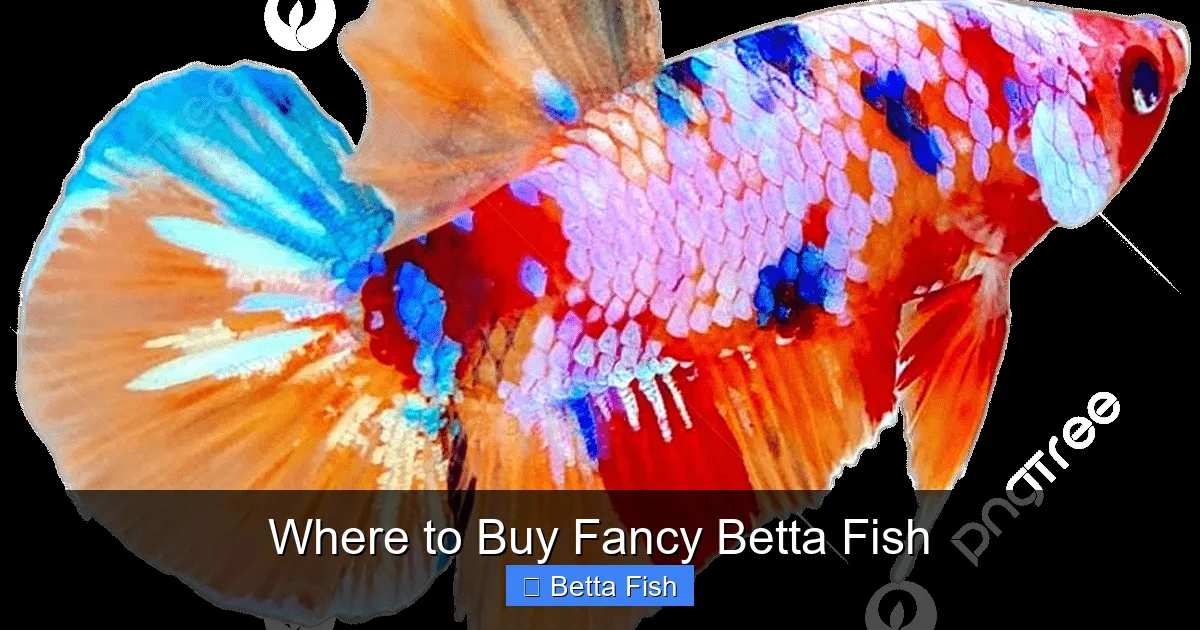
Visual guide about Where to Buy Fancy Betta Fish
Image source: png.pngtree.com
1. Specialized Betta Breeders (The Gold Standard)
These are individuals or small operations dedicated to breeding specific types of fancy bettas. They are often found through online forums, social media groups (like Facebook’s “Betta Fish Keepers”), or dedicated breeder directories.
- Pros: Unmatched quality and expertise. You can often see the parent fish. They have deep knowledge of their specific lines. Health guarantees are common. You can request specific traits (e.g., a male with a certain pattern). They are usually passionate and happy to educate.
- Cons: Usually more expensive. Waitlists are common for specific fish. Shipping live animals always carries a small risk, though reputable breeders pack exceptionally well.
- How to Find & Vet One: Search for “half-moon breeder [your country]” or “rosetail breeder.” Look for active social media pages with clear photos/videos of their fish in clean, well-lit setups. Read reviews. Ask about their culling practices (ethical breeders humanely cull fish with severe defects, which is a difficult but necessary part of responsible breeding), quarantine protocols, and what they feed. A good breeder will be proud to share this information.
2. High-Quality Local Fish Stores (The Personal Touch)
Not all pet stores are created equal. We’re talking about dedicated aquarium shops, not the betta cup wall at a big-box retailer.
- Pros: You can see the fish in person, assess its health and activity directly. No shipping stress. You can build a relationship with the staff for ongoing advice. Often, they source from local or regional breeders, meaning better quality than imported fish.
- Cons: Selection may be limited to what’s popular locally. Prices can be higher than online. You’re dependent on their weekly shipments.
- What to Look For: Walk in and observe. Are the betta tanks clean? Is the water clear? Are the fish alert and responsive? Do they have a variety of fancy types, or just common veil tails? Ask the staff questions: “Where do these bettas come from?” “How often do you change the water in these display tanks?” “Do you quarantine new arrivals?” Their answers (or lack thereof) will tell you everything. A store that keeps its bettas in heated, filtered community tanks or large, well-maintained display systems is a great sign.
3. Reputable Online Betta Retailers (Convenience & Variety)
There are online businesses that specialize in shipping live bettas. They have revolutionized access to rare varieties for people without a quality local store.
- Pros: Huge selection. You can get exactly the variety, color, and sex you want. Fish are often shipped directly from breeders or their trusted holding facilities, bypassing multiple middlemen. Detailed photos and videos are usually provided.
- Cons: Shipping is a risk (though minimized by good packers). You cannot inspect the fish before purchase. Dead-on-arrival (DOA) policies vary; know the terms. You must be home to receive the fish or have a safe, temperature-controlled place for the package.
- How to Vet Them: This is critical. Look for:
- Transparent Policies: Clear DOA policy (e.g., must report within 2 hours with photo). Health guarantees.
- Shipping Methods: They should use insulated boxes, heat or cold packs as needed, and ship via fast, reliable couriers (often overnight or 2-day). They should ship on Mondays/Tuesdays to avoid weekend delays.
- Customer Reviews: Search for honest reviews on forums like Fishlore, or Reddit’s r/bettafish. Look for patterns in complaints.
- Website Quality: Professional photos, detailed fish descriptions (age, size, tail type), and clear information about their operation.
- Examples: In the US, companies like Betta4U, East Coast Bettas, and certain sellers on Aquabid have strong reputations. Always research current reviews, as businesses change.
4. Online Marketplaces & Auctions (The Gamble)
Sites like eBay, Aquabid, and even Facebook Marketplace have betta listings.
- Pros: Can find incredible deals or very rare fish. Direct from some breeders.
- Cons: Extremely high risk. No buyer protection for live animals on many platforms. Sellers may be inexperienced, pack poorly, or misrepresent fish. You have little recourse if the fish dies or arrives not as described.
- Advice: If you go this route, treat it like vetting a dedicated online retailer. Check seller feedback meticulously, specifically for live fish shipments. Ask endless questions before bidding/buying. Request a video of the specific fish swimming. Be prepared to lose your money. For a first-time fancy betta owner, this is generally not recommended.
5. Avoid These Sources at All Costs
- Big-Box Pet Stores (PetSmart, PetCo, etc.): Their bettas are typically sourced from large commercial farms where disease is rampant, and fish are shipped in tiny, unheated bags for days. They are often older, stressed, and have a high mortality rate post-purchase. You are supporting a system with poor animal welfare.
- Unverified Sellers on Social Media: Anyone with a camera and a few fish can set up a “business.” Look for the same vetting criteria as above. No website, no clear policies, no history? Walk away.
- “Rescue” or “Rehome” Listings with No History: While adopting is noble, a fancy betta with an unknown health history from a potentially neglectful situation is a huge gamble, especially for a beginner. The stress of a new environment can trigger latent diseases.
How to Vet a Seller (and Their Fish) Like a Pro
Armed with the where, now for the how. Whether you’re browsing a breeder’s website or standing in a fish store, you need a checklist.
Questions to Ask the Seller
- “What is the water source and parameters for your tanks?” Good answer: RO/DI water reconstituted with minerals, or well-conditioned tap water with stable parameters (ammonia/nitrite=0, nitrate<20ppm, pH 6.5-7.5). Vague or “I just use tap” is a red flag.
- “How do you quarantine new arrivals?” Ideal: Separate tank for 4-6 weeks, treated for parasites, observed for disease. “We put them right in the display tank” is a major red flag.
- “What do you feed your bettas?” Should be a variety: high-quality pellets, frozen or live foods. “Just flakes” is unacceptable.
- “Can I see a video of the specific fish swimming?” Still photos can be doctored. A video shows movement, fin extension, and behavior. Does it swim actively? Are the fins held nicely? Does it flare readily?
- “What is your health guarantee?” A minimum 14-30 day guarantee is standard for reputable sellers. Understand the terms (often requires you to notify them immediately and may require you to treat with specific meds).
The Visual Fish Inspection Checklist
When you have a video or are looking at the fish in person, scrutinize:
- Body: Should be plump, not emaciated or bloated. No sores, lumps, or ulcers.
- Fins: Look for tears, rips, rot (blackened or frayed edges), or cotton-like growth (fungus). For fancy fins, check if they are held symmetrically. Drooping or curling can indicate poor genetics or current health issues.
- Eyes: Clear, protruding but not bulging. Cloudy or pop-eye is a sign of disease.
- Gills: Should move steadily, not rapidly (a sign of stress or poor water). No redness or swelling.
- Behavior: Should be alert, curious, and active. A betta that is lethargic, floating upside down, or clamped tightly to the bottom is sick or severely stressed.
- Color: Vibrant and even (for solid colors). Patterns should be clear. Faded color can be a sign of stress, illness, or poor genetics (some marbles fade when stressed but regain color).
Trust your gut. If a seller is evasive, the tank looks dirty, or the fish looks off, walk away. There are always other fish, other sellers.
What to Look for in Your Specific Fancy Betta
Different fancy types have different “ideal” traits and associated vulnerabilities. Here’s what to prioritize for the most popular varieties.
Half-Moon & Rosetail
The #1 priority is caudal peduncle strength. This is the muscle at the base of the tail. A weak peduncle causes the tail to droop and never achieve a full 180-degree spread. In videos, watch the fish flare. Does the tail spread like a fan from a solid base, or does it droop like a wet napkin? For rosetails, ensure the overlapping fin rays are neat and not tangled or causing self-inflicted damage. These fish are prone to fin nipping, so a peaceful temperament is a bonus.
Plakat (Fancy)
Look for a robust, muscular body—they should look like little athletes. The fins (dorsal, caudal, anal) should be short but full and healthy. For color varieties like koi or marble, vibrant, well-defined patterns are key. Plakats are often the hardiest fancy bettas due to their less extreme finnage, making them a great choice for a first-time fancy betta owner.
Dumbo/Elephant Ear
The pectoral fins should be large, rounded, and held away from the body like elephant ears. Check for any signs of damage or rot on these large, delicate fins. The body should be healthy. These fish can be more sensitive to poor water quality, so a seller with impeccable tank maintenance is essential.
Double-Tail
Symmetry is everything. The two tails should be as equal in size and shape as possible. The body is typically shorter. Look for a healthy, unkinked spine. A severe kink can be a genetic flaw.
Remember, for any fancy betta, health trumps perfection. A fish with a slightly less-than-perfect tail spread but bright eyes, pristine fins, and an energetic swim is a far better choice than a genetically “perfect” but diseased or lethargic specimen.
Bringing Your New Fancy Betta Home: The First Steps
You’ve done your research, found a stellar seller, and your fancy betta is on its way. The work isn’t over. The transition period is critical for a stressed fish, especially one with delicate fins.
Before the Fish Arrives: The Non-Negotiable Setup
Your tank must be fully cycled weeks before the fish arrives. This means establishing a healthy population of beneficial bacteria that convert toxic fish waste (ammonia) into less harmful nitrates. A 5-gallon tank is the absolute minimum for a single betta; 10 gallons is significantly better, especially for active varieties like plakats or if you plan future tankmates.
- Heater: A reliable, adjustable heater to maintain 78-80°F (25.5-26.5°C).
- Filter: A gentle filter (sponge filter is ideal) to provide biological filtration without creating a current that tires the fish or damages long fins.
- Hiding Spots: Live or silk plants, caves, or decorations with no sharp edges. Fancy bettas with large fins can easily tear them on rough décor.
- Water Conditioner: To dechlorinate tap water.
- Water Test Kit: To monitor ammonia, nitrite, nitrate, and pH.
The Acclimation Process
When your fish arrives, it will be in a small bag with its own water. Do not dump it in your tank!
- Float the bag: Place the sealed bag in your aquarium for 15-20 minutes to equalize temperature.
- Drip Acclimate (Strongly Recommended): Use airline tubing to slowly drip tank water into the bag over 30-60 minutes. This slowly adjusts the fish to your tank’s water chemistry (pH, hardness), which is often the biggest shock.
- Net the Fish: After acclimation, gently net the fish from the bag and place it in your tank. Do not add the bag water, as it may contain shipping waste or parasites.
- Dim the Lights: Keep the tank lights off for the first 24 hours to reduce stress.
- Do Not Feed Immediately: Wait 24 hours before offering a tiny amount of food. The fish’s gut may be empty from shipping stress.
The First Few Weeks
Monitor closely. Some fading of color is normal for the first day or two due to stress. Keep water quality pristine with frequent small water changes (25% every 2-3 days for the first week). Watch for signs of illness: clamped fins, scratching on objects (sign of itch from parasites), white spots (ich), or fuzzy growths (fungus/columnaris). Have a hospital/quarantine tank ready with basic medications (Methylene Blue, API General Cure) just in case. A healthy, well-acclimated fancy betta will soon begin to flare at its reflection, explore its territory, and display its magnificent fins to their full potential.
Conclusion: Your Journey to a Thriving Fancy Betta
Choosing where to buy your fancy betta fish is the foundational decision that sets the stage for your entire experience as a betta keeper. It’s the difference between a challenging, heartbreaking struggle and a joyous, rewarding hobby. By prioritizing reputable breeders, dedicated local stores, and vetted online specialists—and by avoiding the pitfalls of mass-market sources—you invest in a healthier, more resilient, and more beautiful animal from the start.
Remember, a fancy betta is not just a decoration; it’s a living creature with specific needs stemming from its unique genetics. The extra time spent researching a seller, the slightly higher price tag for a well-bred fish, and the diligence in vetting both the source and the individual specimen will pay dividends in the form of a lively, interactive companion that dazzles you with its personality and prismatic beauty for three, four, or even five years. You are not just buying a fish; you are beginning a relationship. Start it on the right foot by choosing a source that cares as much about the betta’s wellbeing as you do. Now, go forth with your knowledge, ask the hard questions, and get ready to welcome one of the aquatic world’s most magnificent creations into your carefully prepared home.
Frequently Asked Questions
Is it safe to buy a fancy betta fish online?
Yes, it can be very safe if you buy from a highly reputable, specialized online retailer or breeder. These experts use superior packaging, ship on specific days to avoid weekend delays, and have strict health guarantees. Always research the seller’s reviews and shipping policies thoroughly before purchasing.
How much should I expect to pay for a quality fancy betta?
Prices vary widely by variety, quality, and source. From a good local store or online retailer, expect to pay $25-$75 for common fancy types like half-moons or plakats. For rare varieties, top-tier show-quality fish from champion breeders, prices can range from $100 to $500 or more. Avoid fish under $20 from non-specialized sources, as they are often of poor genetic and health quality.
What are the absolute red flags to avoid when buying a betta?
Major red flags include: fish being sold in cups (not tanks) at a pet store, sellers who cannot or will not provide a video of the specific fish, no health guarantee or vague return policies, dirty water in display tanks, fish with clamped fins, faded colors, torn or rotting fins, or cloudy/pop eyes. Also avoid sellers who don’t quarantine new stock.
Should I buy a male or female fancy betta?
Both make great pets! Males are typically more colorful and have longer fins, but are often solitary. Females can be just as colorful (especially in fancy varieties like koi) and have shorter fins, making them sometimes hardier and more active. They can sometimes be kept in sorority groups (5+ females) with careful introduction, but this is advanced. For a first-time betta owner, a single male or female is the simplest and most rewarding choice.
What should I do if my fancy betta arrives dead or sick?
First, document everything immediately with clear photos/videos. Contact the seller within their stated DOA policy timeframe (usually 2-4 hours of delivery). Reputable sellers will offer a refund or replacement. Do not dispose of the fish until the seller advises you. For a fish that arrives sick but alive, notify the seller right away, isolate the fish in a hospital tank, and begin a gentle treatment regimen (like aquarium salt or Methylene Blue). Many guarantees require you to attempt treatment.
Can I keep my new fancy betta with other fish?
It depends on the individual betta’s temperament and your tank size. A 10+ gallon tank with a secure lid and plenty of plants can house peaceful tankmates like neon tetras (in a school of 6+), corydoras catfish, or ghost shrimp. However, many fancy bettas, especially males, are aggressive. Always have a backup plan and a separate tank. Never house two male bettas together. Females can be more tolerant but still require careful observation. Start with a species-only tank for at least a month to assess your betta’s personality before adding any companions.