Why Is My Betta Fish Belly Swollen

Seeing a swollen belly on your betta can be scary, but most issues are treatable. Identify the root cause—whether it’s constipation, a swim bladder problem, or infection—and act fast with simple tank tweaks and proper care. Quick action often restores your fish’s shape and wellbeing.
Key Takeaways
- Swollen belly = common: It often signals constipation, swim‑bladder disorder, or internal infection.
- Check water first: Poor water quality can stress bettas and trigger digestive issues.
- Diet matters: Too many dry pellets or lack of fiber leads to blockage.
- Observe behavior: Floating, loss of appetite, or lethargy help pinpoint the problem.
- Simple home remedies: Epsom salt baths and fasting can relieve mild cases.
- When to see a vet: Persistent swelling, discoloration, or rapid decline needs professional help.
- Prevention is key: Regular water changes, varied diet, and proper tank setup keep bellies flat.
📑 Table of Contents
Introduction
If you’ve ever stared at your betta’s tiny tank and noticed a round, balloon‑like belly, you probably wondered, “why is my betta fish belly swollen?” It’s a common sight for new owners and can feel alarming, but the good news is that most causes are predictable and often easy to fix.
In this friendly guide we’ll walk through the top reasons a betta’s belly puffs up, how to spot the warning signs, and what you can do right now to help your fish feel better. Think of it as a chat over coffee with a fellow hobbyist who’s been there, done that, and lived to tell the tale.
1. Common Medical Reasons for a Swollen Belly
Before you panic, remember that a swollen abdomen usually points to an internal issue rather than a mysterious “curse.” Below are the most frequent medical culprits.

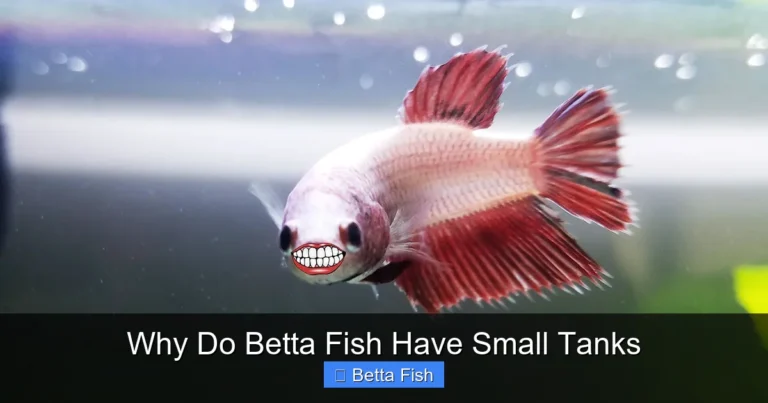
Visual guide about Why Is My Betta Fish Belly Swollen
Image source: img95.699pic.com
1.1 Constipation
Betta pellets are small but dense. If your fish eats too many or the pellets are too dry, the digestive tract can get clogged. A constipated betta will often sit at the bottom, look bloated, and may even gasp for air at the surface.
- Symptoms: Swollen belly, reduced appetite, occasional “popping” sound when the fish finally passes waste.
- Quick fix: Fast your betta for 24‑48 hours, then offer a high‑fiber treat like a peeled pea (cooked, cooled, and halved).
1.2 Swim Bladder Disorder
The swim bladder is a gas‑filled organ that helps a betta control depth. If it’s inflamed or filled with excess fluid, the fish may appear bloated and have trouble staying upright.
- Symptoms: Floating sideways, sinking, or hovering at odd angles; a “puffy” abdomen.
- Link: For a visual comparison, see our article on why is my betta fish floating sideways.
- Quick fix: Adjust water temperature (raise by 2‑3 °F) and add a pinch of Epsom salt (1 tsp per 5 gal) to reduce swelling.
1.3 Internal Parasites or Bacterial Infection
Parasites like Ichthyophthirius or bacterial blooms can cause inflammation of the gut, leading to a visibly swollen belly.
- Symptoms: Cloudy or discolored skin, lethargy, loss of appetite, sometimes visible “wheezing” at the surface.
- When to treat: If symptoms persist after 48 hours of dietary changes, consider a formal treatment with a broad‑spectrum antibiotic or antiparasitic medication.
2. Environmental Triggers That Inflate the Issue
Even a healthy betta can develop a swollen belly if the tank conditions are off. Let’s look at the tank factors that can aggravate or even cause the problem.

Visual guide about Why Is My Betta Fish Belly Swollen
Image source: noppy611224.com
2.1 Poor Water Quality
High ammonia, nitrite, or nitrate levels stress a betta’s digestive system. A sudden spike can cause the fish to stop eating, leading to constipation and a bloated look.
- Test regularly: Use a liquid test kit weekly and keep ammonia and nitrite at 0 ppm, nitrates below 20 ppm.
- Action step: Perform a 25‑30 % water change with dechlorinated water if any parameter is out of range.
2.2 Inadequate Tank Size
Betas need at least 2.5‑5 gallons of water. A cramped space limits water movement, leading to waste buildup and digestive stress.
- Tip: Upgrade to a 5‑gallon tank with a gentle filter to keep water clear and oxygenated.
2.3 Overfeeding
It’s easy to overfeed a colorful betta that darts for every pellet. Excess food rots in the water, raising toxin levels and causing the fish to overeat and become constipated.
- Rule of thumb: Feed no more than 2‑3 pellets once or twice a day, only what can be eaten in 2‑3 minutes.
3. Diagnosing the Problem at Home
Before you rush to a veterinarian, you can run a few simple checks to narrow down the cause.
3.1 Visual Inspection
- Look for bulging scales, discoloration, or torn fins.
- Check if the fish is swimming oddly (useful to compare with our guide on why is my betta fish swimming sideways).
3.2 Observe Feeding Behavior
Is your betta ignoring food? Is it spitting out pellets? A sudden loss of appetite often points to constipation or infection.
- Read more about feeding issues in why is my betta fish not eating.
3.3 Test the Water
Grab a test kit and record ammonia, nitrite, and nitrate levels. Note any sudden changes that coincide with the belly swelling.
3.4 Simple Home Remedy Test
Try a 24‑hour fast followed by a pea treat. If the belly deflates within a day, constipation was likely the cause.
4. Treatment Options and Care Plans
Once you’ve identified the probable cause, here’s how to treat each scenario.
4.1 Treating Constipation
- Fast the fish for 24‑48 hours. Remove all food from the tank.
- Offer a peeled, cooked pea (half) once daily for the next two days.
- Resume a balanced diet of high‑quality pellets and occasional live or frozen foods (e.g., daphnia).
4.2 Managing Swim Bladder Issues
- Increase water temperature slightly (by 2‑3 °F) to aid gas absorption.
- Add Epsom salt (magnesium sulfate) at 1 tsp per 5 gal for a 24‑hour soak.
- Reduce feeding frequency to twice a week for a week, then gradually return to normal.
4.3 Addressing Infections
If you suspect bacterial or parasitic infection, isolate the betta in a hospital tank and treat with an appropriate medication (e.g., Maracyn for bacteria, Malachite Green for parasites). Follow the product’s dosage instructions precisely.
4.4 Improving Tank Conditions
- Perform weekly 25‑30 % water changes.
- Use a gentle sponge filter to maintain water flow without stressing the fish.
- Check that the tank is not over‑decorated; bettas need open swimming space.
5. Preventive Practices for a Flat, Healthy Belly
Prevention beats treatment every time. Below are daily and weekly habits that keep your betta’s belly nice and flat.
5.1 Balanced Diet
- Mix high‑protein pellets with occasional live foods (brine shrimp, bloodworms) for variety.
- Include fiber sources like peas once a week.
- Avoid over‑feeding; remember the “two‑to‑three‑pellet” rule.
5.2 Consistent Water Maintenance
- Test water parameters weekly.
- Change 20‑30 % of water every 5‑7 days.
- Use a water conditioner to remove chlorine and chloramines.
5.3 Proper Tank Setup
- Provide at least 5 gallons of filtered water.
- Include a few smooth decorations and a plant or silk leaf for hiding.
- Maintain a stable temperature of 78‑80 °F with a reliable heater.
5.4 Regular Health Checks
Spend a few minutes each day watching your betta. Spotting a change in swimming, appetite, or appearance early can prevent a swollen belly from becoming a serious issue.
Conclusion
Seeing a swollen belly on your betta can be unsettling, but with a little detective work you’ll often find a simple cause—constipation, swim bladder trouble, or water quality problems. By adjusting feeding habits, keeping the tank clean, and monitoring behavior, most bettas bounce back quickly.
If the swelling persists despite your best efforts, don’t hesitate to seek professional help. Early intervention can save your fish’s life and keep the beautiful colors you love thriving for years to come.
Frequently Asked Questions
Why does my betta’s belly look larger after I feed it?
Betas can temporarily bloat after a big meal, especially if the food is dry or low in fiber. Offer smaller portions and add a fiber source like a pea to help digestion.
Can a swollen belly be a sign of a serious disease?
Yes, persistent swelling may indicate internal infection or parasites. If the condition lasts more than 48 hours or is accompanied by discoloration, seek veterinary advice.
Is it safe to give my betta a pea?
Absolutely. A cooked, peeled pea is a proven home remedy for constipation. Offer only half a pea at a time and monitor the fish’s response.
How often should I change the water to prevent belly swelling?
Changing 20‑30 % of the water every 5‑7 days keeps ammonia and nitrate levels low, reducing stress on the digestive system.
My betta is floating upside down. Is that related to a swollen belly?
Floating upside down often points to swim bladder disorder, which can also cause a bloated appearance. Adjust temperature and try an Epsom salt soak to help.
When should I consider taking my betta to a vet?
If the swelling doesn’t improve after dietary changes, the fish stops eating, shows signs of infection, or deteriorates quickly, a vet experienced with fish should see it within 24 hours.